Iran-US ceasefire agreed but Hormuz, Lebanon disputes cloud the truce

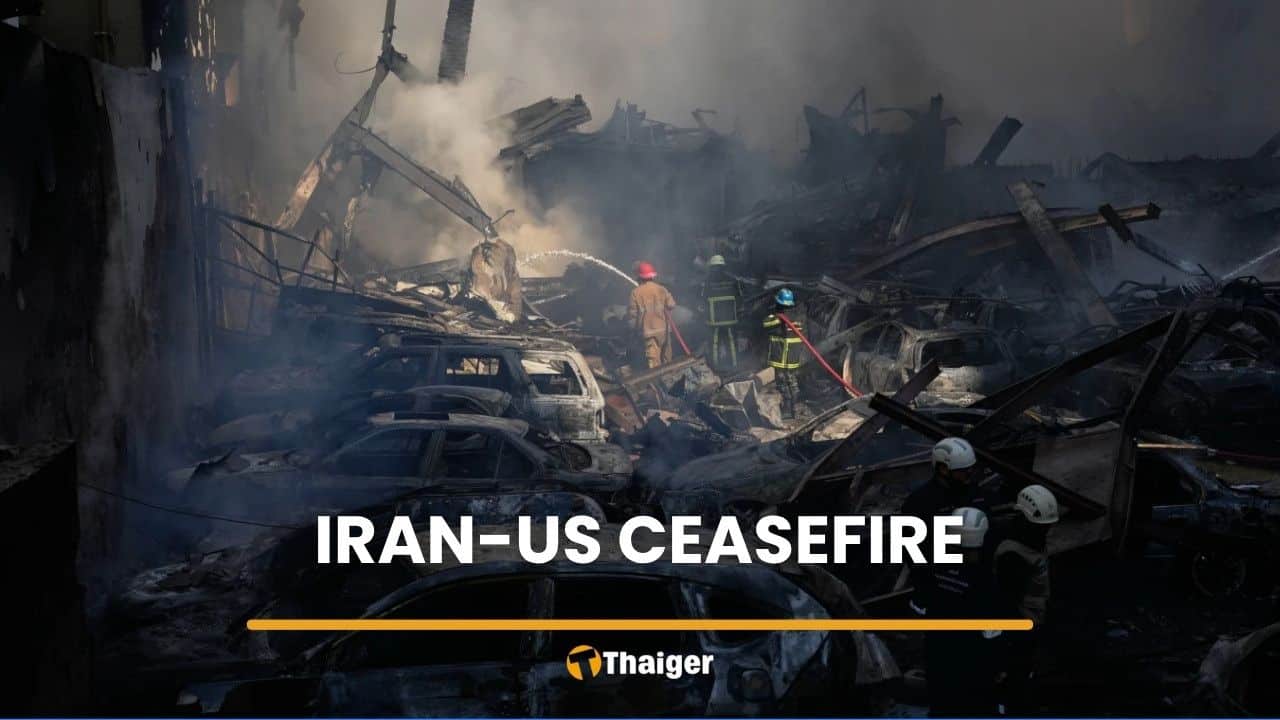
A conditional two-week Iran-US ceasefire took effect yesterday, April 8, halting more than 40 days of coordinated US-Israeli military strikes on Iran that had disrupted global energy markets and raised fears of a wider regional conflict.
Pakistan brokered the truce, with Prime Minister Shehbaz Sharif announcing the cessation of hostilities this past Wednesday in a post on X.
The ceasefire, already described as “fragile”, came into effect roughly two hours before a deadline set by US President Donald Trump, who had threatened devastating strikes on Iranian civilian infrastructure if Tehran did not reopen the Strait of Hormuz.
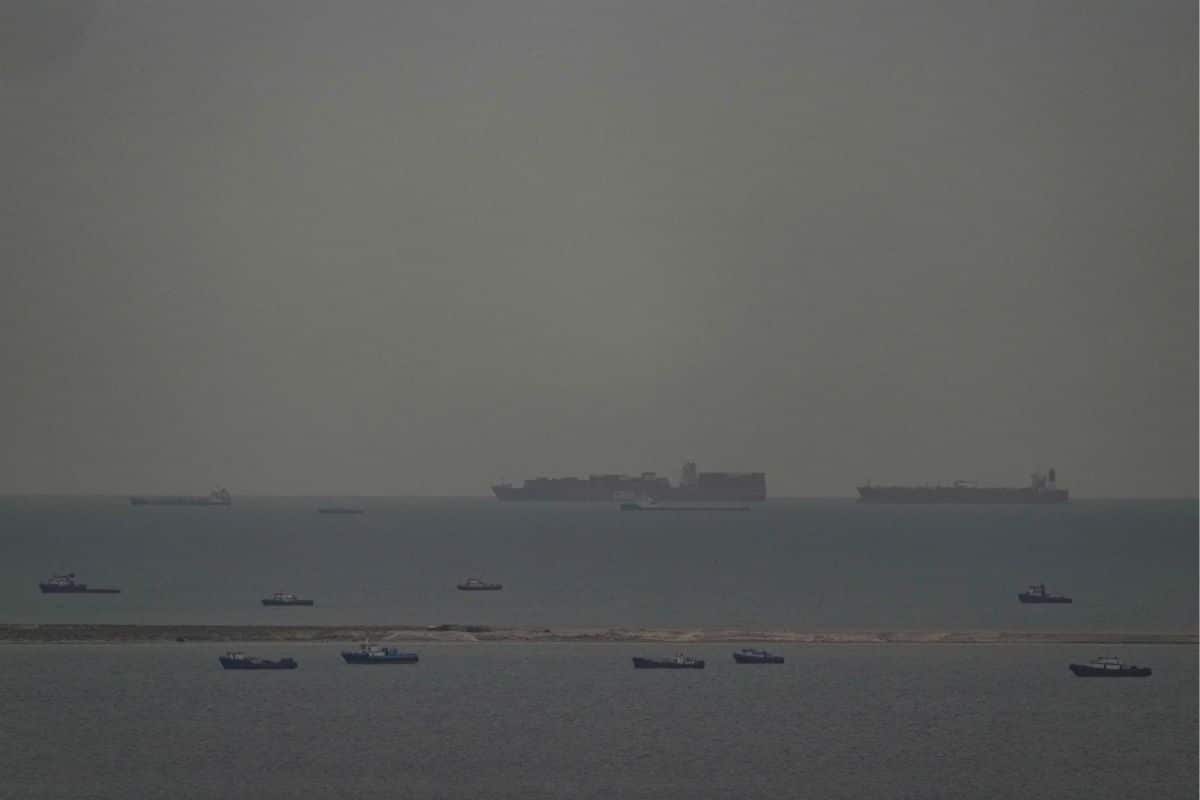
Under the terms of the agreement, Iran agreed to allow vessel traffic through the strait for the two-week period. The waterway carries roughly one-fifth of the world’s oil and gas supply and has been closed by Iran in retaliation for the US-Israeli offensive launched on February 28.
Trump announced the suspension of military strikes via his Truth Social platform, saying Washington had “already met and exceeded all military objectives” and describing a 10-point plan submitted by Tehran as “a workable basis on which to negotiate.”
He added that “almost all of the various points of past contention have been agreed to between the United States and Iran.”
Trump had earlier issued warnings ahead of his self-imposed deadline, stating that “a whole civilisation will die tonight, never to be brought back again” if Iran did not reopen the strait.

Those remarks drew condemnation from UN Secretary-General António Guterres and Pope Leo XIV, who told journalists outside his residence in Castel Gandolfo, Italy, that the threat was “truly unacceptable.”
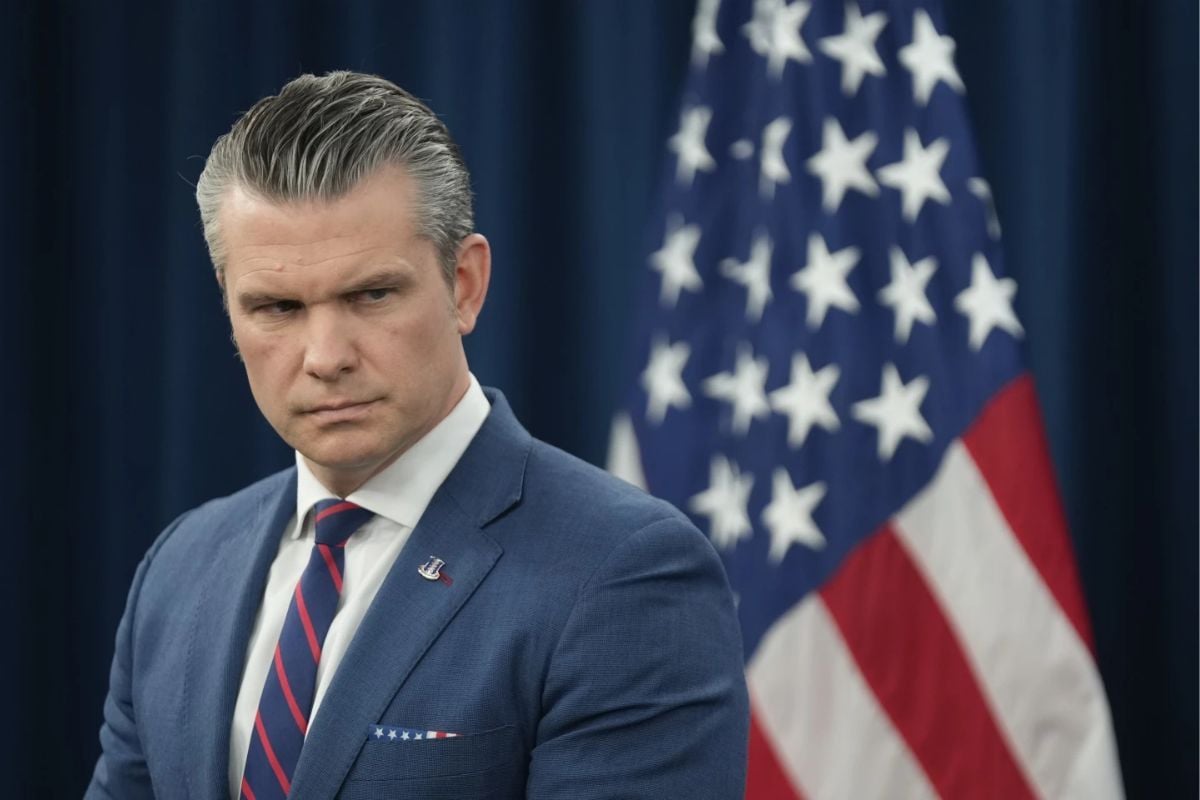
US Defence Secretary Pete Hegseth separately told reporters that Operation Epic Fury had produced a “historic and overwhelming victory” in Iran, rendering the country “combat ineffective for years to come.”
He also warned that US forces remained “prepared to defend, prepared to go on offensive, prepared to restart at a moment’s notice” to ensure Iran’s compliance.
The 10-point plan and the confusion surrounding it
Significant uncertainty surrounds the basis of the ceasefire, in part because multiple competing versions of Iran’s proposal have circulated. Vice President JD Vance publicly confirmed there were three distinct 10-point proposals.
He described the first as “fundamentally unserious” and said it “immediately went in the garbage.” The second, he said, was “much more reasonable” and formed through back-and-forth between the US, Pakistan, and Iran, and was the proposal Trump referenced in his Truth Social announcement.
A third version was subsequently released publicly by Iranian state media, which Vance said misrepresented what was actually under negotiation.
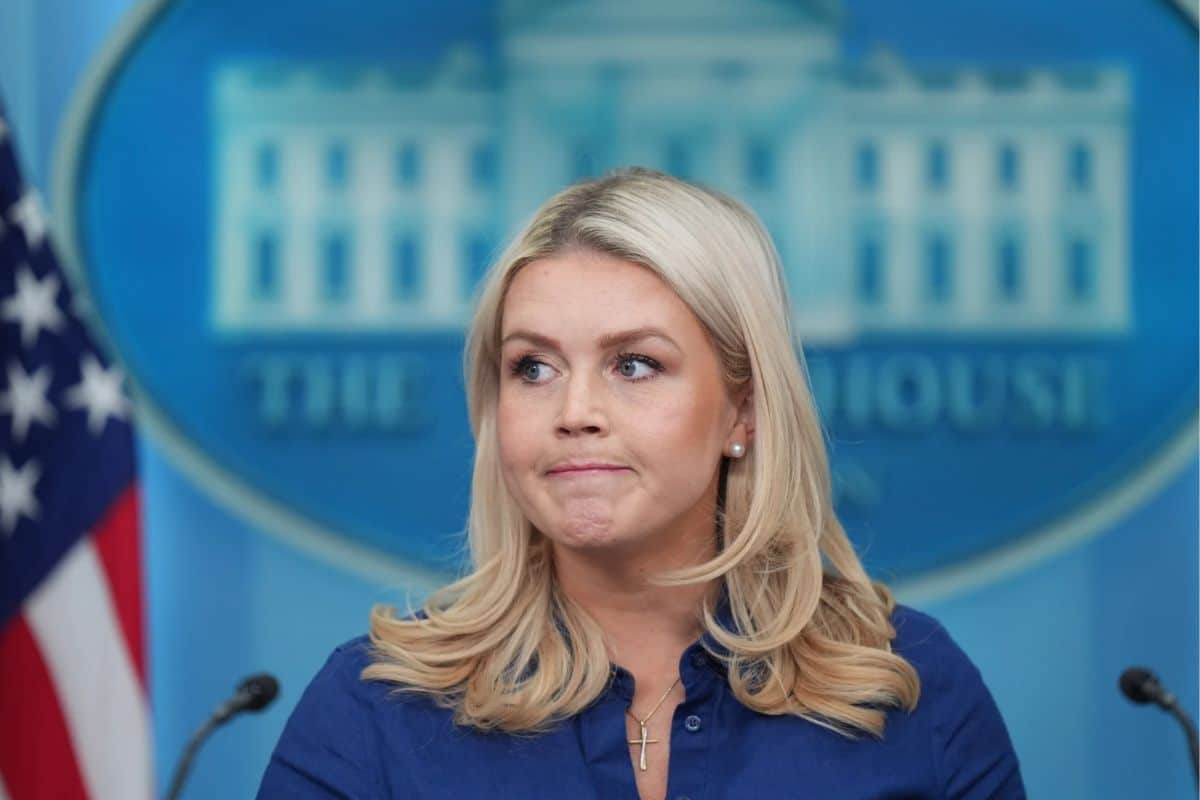
White House press secretary Karoline Leavitt confirmed Trump’s team had also put forward a separate 15-point counter-proposal, the contents of which US officials have declined to make public, citing the risk of jeopardising ongoing talks.
The full contents of the plan accepted as a basis for talks have not been officially released. However, Al Jazeera reported the proposal includes the following points:
- A fundamental US commitment to non-aggression
- Continued Iranian coordination over passage through the Strait of Hormuz
- Acceptance of Iran’s nuclear enrichment programme
- The lifting of all primary and secondary sanctions against Iran
- An end to all resolutions against Iran at the International Atomic Energy Agency and the UN Security Council
- The withdrawal of US combat forces from all bases in the region
- Full compensation for war damages, to be funded through levies on ships transiting the strait
- The release of all frozen Iranian assets held abroad
- Ratification of all agreed points in a binding UN Security Council resolution
Iran’s Supreme National Security Council stated that the US had “in principle committed to” these points. The White House firmly rejected that characterisation. Leavitt said Iran’s original plan was “literally thrown in the garbage” by Trump, and that Tehran had subsequently put forward a more reasonable proposal. She did not detail what had changed.
The Farsi and English editions of Iran’s published plan differed on at least one significant point. The phrase “acceptance of enrichment” for Iran’s nuclear programme appeared in the Farsi version but was absent from the English edition shared by Iranian diplomats with journalists.
Trump later appeared to contradict Iran’s position on enrichment, posting that any peace agreement would involve the US working with Iran to “dig up” enriched uranium buried during joint US-Israeli strikes. Leavitt described ending all Iranian uranium enrichment as a “red line” for Trump.
Iran’s Parliament speaker Mohammad Bagher Ghalibaf subsequently alleged the US had violated three agreed points before talks had even begun, citing the Lebanon strikes, the entry of a drone into Iranian airspace, and the denial of Iran’s right to enrichment.
Trump also stated in a separate post that any country supplying military weapons to Iran would face an immediate 50% tariff on all goods sold to the United States, with no exclusions or exemptions. Later on Wednesday, he said the US would be working with Iran on “tariff and sanctions relief.”
Is the ceasefire holding?
The situation on the ground remained unstable in the hours after the announcement. Iran briefly allowed two oil tankers to transit the Strait of Hormuz after the ceasefire took effect, but passage was halted again within hours after Israel launched a major new wave of strikes across Lebanon.
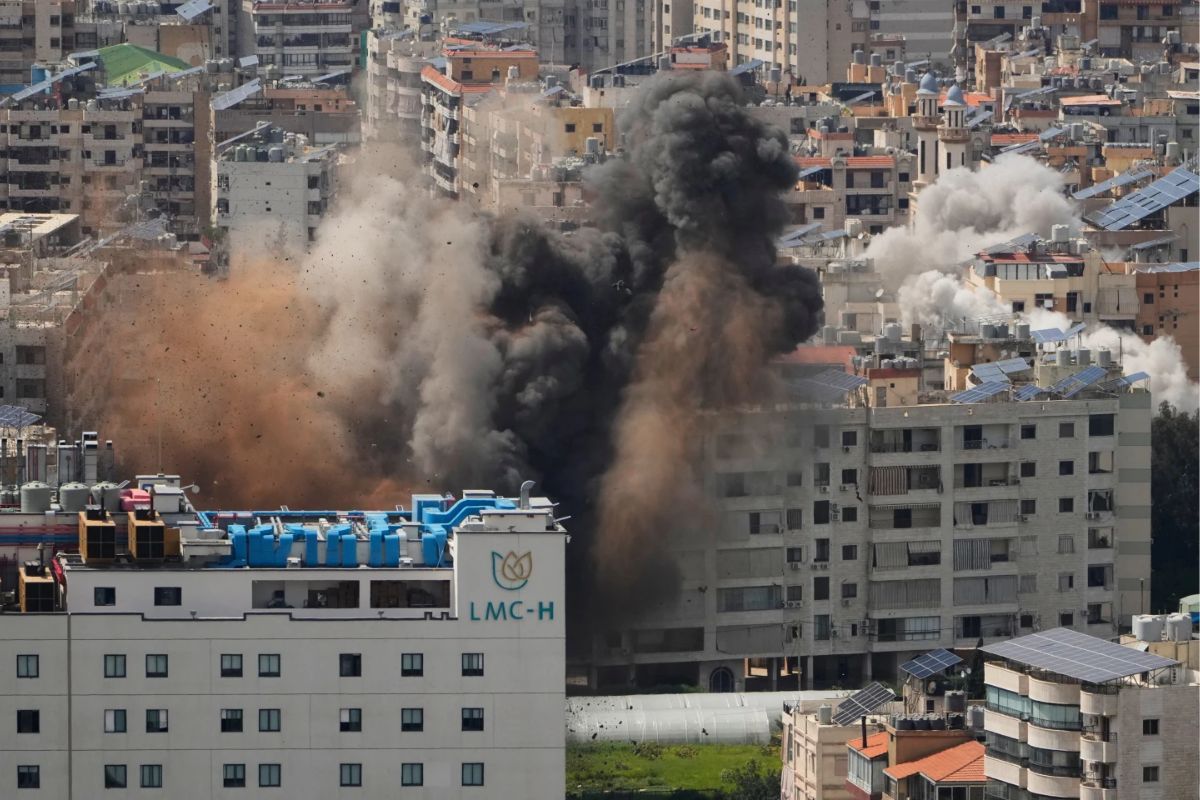
Iran cited the Lebanese strikes as a ceasefire violation and closed the strait in response. The White House subsequently demanded Iran reopen the waterway “immediately, quickly and safely.”
Kuwait reported Iranian drone attacks after the ceasefire took effect, with the Kuwaiti military stating its air defences had engaged 28 drones targeting the country, damaging power and desalination plants as well as oil facilities. Iran also attacked Saudi Arabia’s East-West Pipeline in the hours after the ceasefire was agreed, according to a Reuters report citing an industry source.
Container shipping giant Maersk said it was not yet making changes to its routing, stating that any decision to transit the strait would be “based on continuous risk assessments, close monitoring of the security situation, and available guidance from relevant authorities and partners.”
The International Maritime Organisation confirmed that approximately 20,000 seafarers had been awaiting evacuation on ships stranded in the Persian Gulf for more than a month.
Oil prices fell below US$100 per barrel following the ceasefire announcement but remained well above pre-war levels of around US$70 per barrel, with analysts warning that markets would stay structurally elevated regardless of the truce outcome.
Robert Geist Pinfold, a lecturer in international security at King’s College London, said the deal was “very similar” to a Gaza-style arrangement in which a formal ceasefire coexists with near-daily violations. He said all sides appeared to have “kicked a lot of their disagreements into the long grass,” adding that “no one is really clear who has agreed to what for the time being.”
What about Lebanon?
The question of whether the ceasefire extends to Lebanon remains one of the most contested and unresolved aspects of the deal. Sharif initially stated the truce covered “everywhere, including Lebanon.”
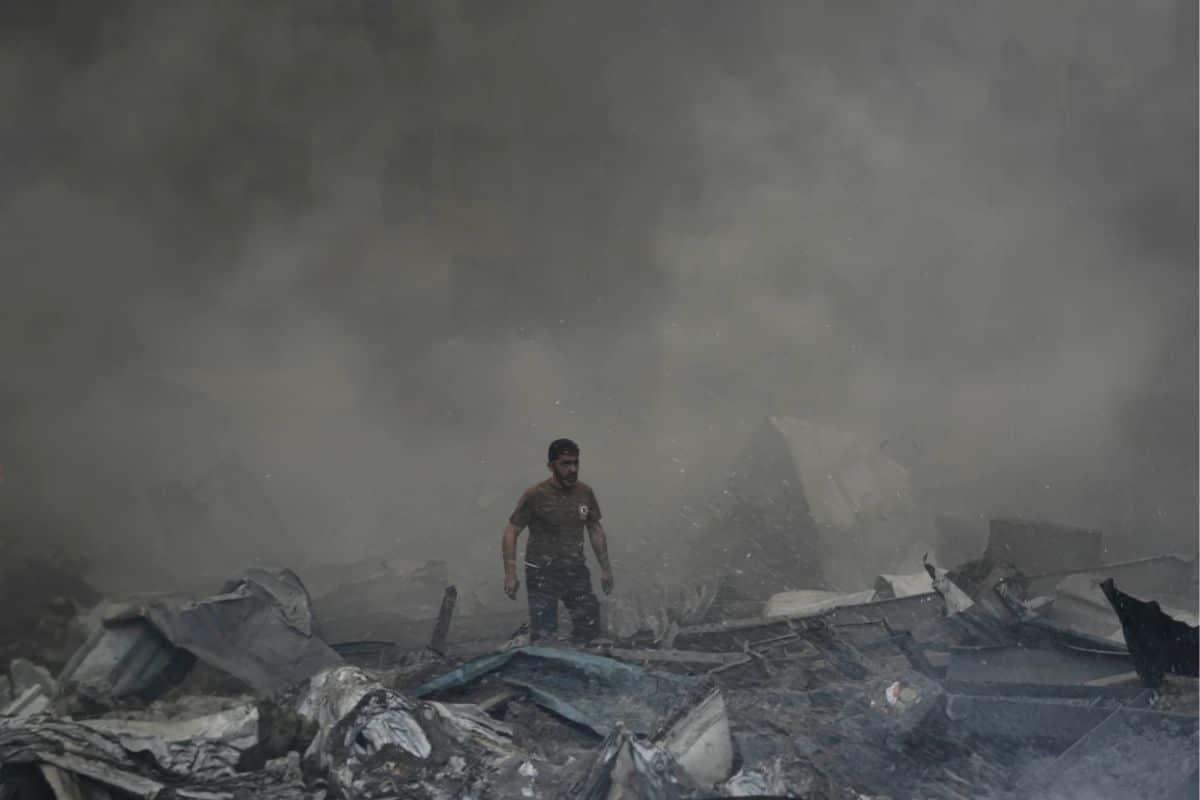
Israel’s Prime Minister Benjamin Netanyahu subsequently said the agreement “does not include Lebanon,” and Israeli forces carried out what the Israeli military itself described as its largest coordinated strike on Lebanon since the war began, hitting more than 100 targets within ten minutes across Beirut, southern Lebanon, and the Bekaa Valley, without prior warning.
Lebanon’s Civil Defence said at least 254 people were killed and 1,165 others wounded on April 8 alone. Israeli airstrikes have killed more than 1,530 people in Lebanon since March 2, with more than 1.2 million people displaced.
Trump confirmed Lebanon was not part of the ceasefire deal, telling PBS NewsHour it was excluded “because of Hezbollah” and describing it as “a separate skirmish.” Leavitt also confirmed Lebanon was not included. French President Emmanuel Macron, however, said Lebanon was fully part of the ceasefire and called on all parties to respect the truce across all fronts.
Vance said there had been a “legitimate misunderstanding,” telling reporters: “I think the Iranians thought that the ceasefire included Lebanon, and it just didn’t.” He also suggested Israel may “check themselves a little bit” with strikes in Lebanon during the ceasefire period.
Iran’s Islamic Revolutionary Guard Corps warned of a response if strikes on Lebanon continued, stating: “If the aggression against beloved Lebanon does not cease immediately, we will fulfil our duty.” Hezbollah said it had halted attacks on Israel from the point the ceasefire took hold, but warned it would not accept a return to conditions before the current war.
Netanyahu said the ceasefire came into effect “in full coordination with Israel” and stated that Israel retained the right to resume fighting against Iran. He added, “We have more goals to complete, and we will achieve them either by an agreement or by renewing the fighting. We are prepared to return to fighting at any moment necessary.”
What happens next?
Sharif has invited the Iranian and US delegations to meet in Islamabad on Saturday, April 10, to continue negotiations toward a final settlement. Tehran has confirmed it will participate. Vance will lead the US delegation, alongside presidential envoy Steve Witkoff and Jared Kushner.
Trump told AFP that China had helped bring Iran to the negotiating table, while Turkey and Egypt had also been mediating in recent days. Iran is also reportedly finalising a joint maritime protocol with Oman to institutionalise coordinated management of tanker traffic through the strait, though Oman’s transport minister has denied his country has any plans to participate in charging transit fees.
The leaders of France, Italy, Germany, Britain, Canada, Denmark, the Netherlands, Spain and the European Union welcomed the ceasefire in a joint statement, calling for a “swift and lasting end” to the war and urging all sides to implement the truce, including in Lebanon. The UN Secretary-General welcomed the ceasefire as a step toward broader peace.
Latest Thailand News






















Follow The Thaiger on Google News: