Most Thai businesses report bribe demands from officials, survey finds

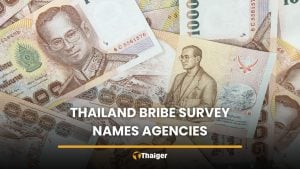
Nine in ten businesses in Thailand have encountered bribe requests from government officials, according to a nationwide survey released this week by a coalition of Thailand’s top private sector bodies, with the Pollution Control Department topping the rankings for the highest average payment demanded per encounter.
The Joint Standing Committee on Commerce, Industry and Banking (JSCIB), comprising the Thai Chamber of Commerce, the Federation of Thai Industries, and the Thai Bankers’ Association, conducted the survey alongside its Zero Corruption working group. Responses were collected from 401 business operators and private sector representatives across Thailand between March and April 2026.
The findings paint a broad picture of bribery embedded in routine government dealings. Some 89.1% of respondents said corruption was a moderate to severe obstacle to doing business, while 51.2% reported conditions had worsened compared with three years ago. Only 3% said the situation had improved.
Among those who had applied for government permits or approvals, 60.9% said they had received implicit signals or direct requests for payments or other benefits. Of those, 45.9% confirmed they had paid, whether in cash, gifts, or other forms, and 37.3% said winning a government contract required paying an additional 11 to 15% of the contract value.
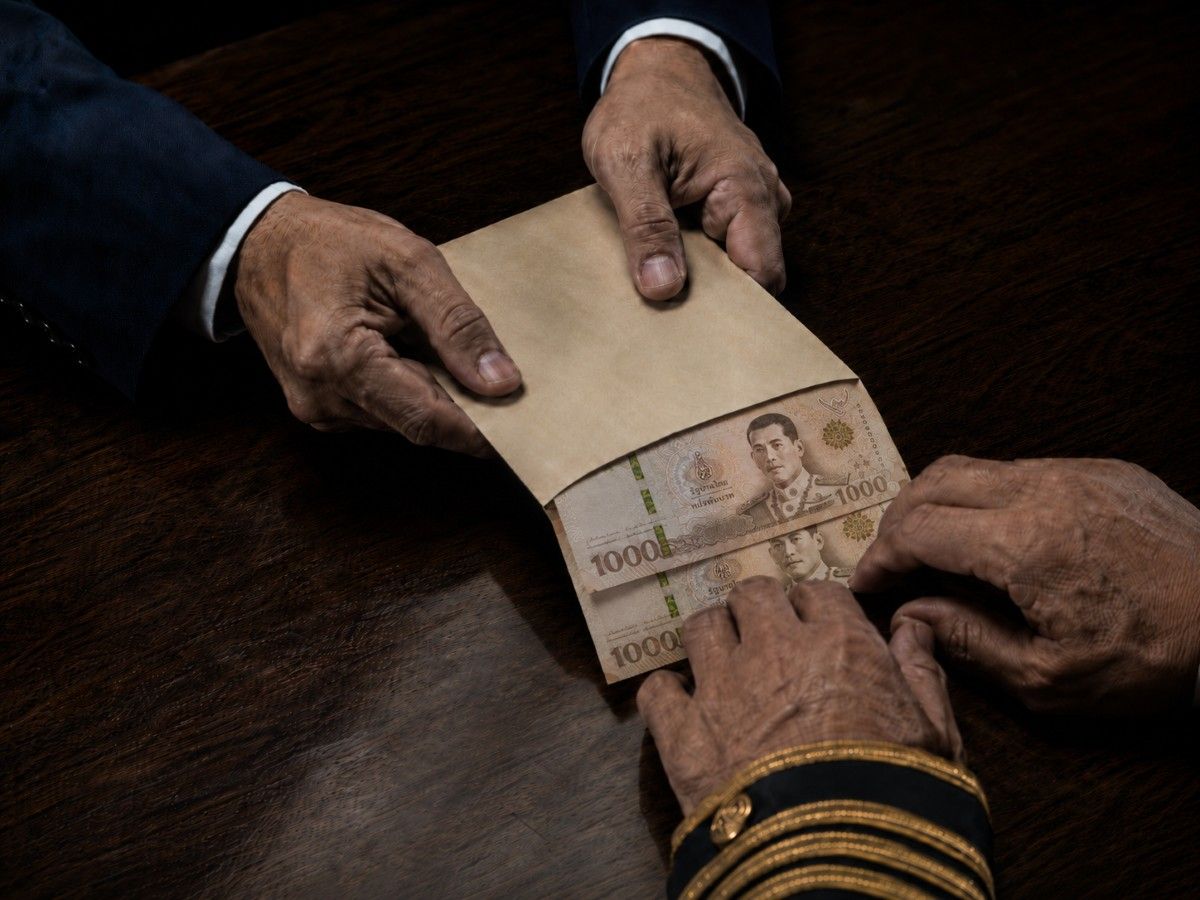
Cash was the most common form of bribe in Thailand, cited by 46.6% of respondents, followed by gifts and hospitality at 23.1%, and donations or sponsorships at 18.7%. In procurement processes, 27.3% said someone had claimed they could guarantee a contract win, and an equal proportion said they had been directed to use a specific intermediary.
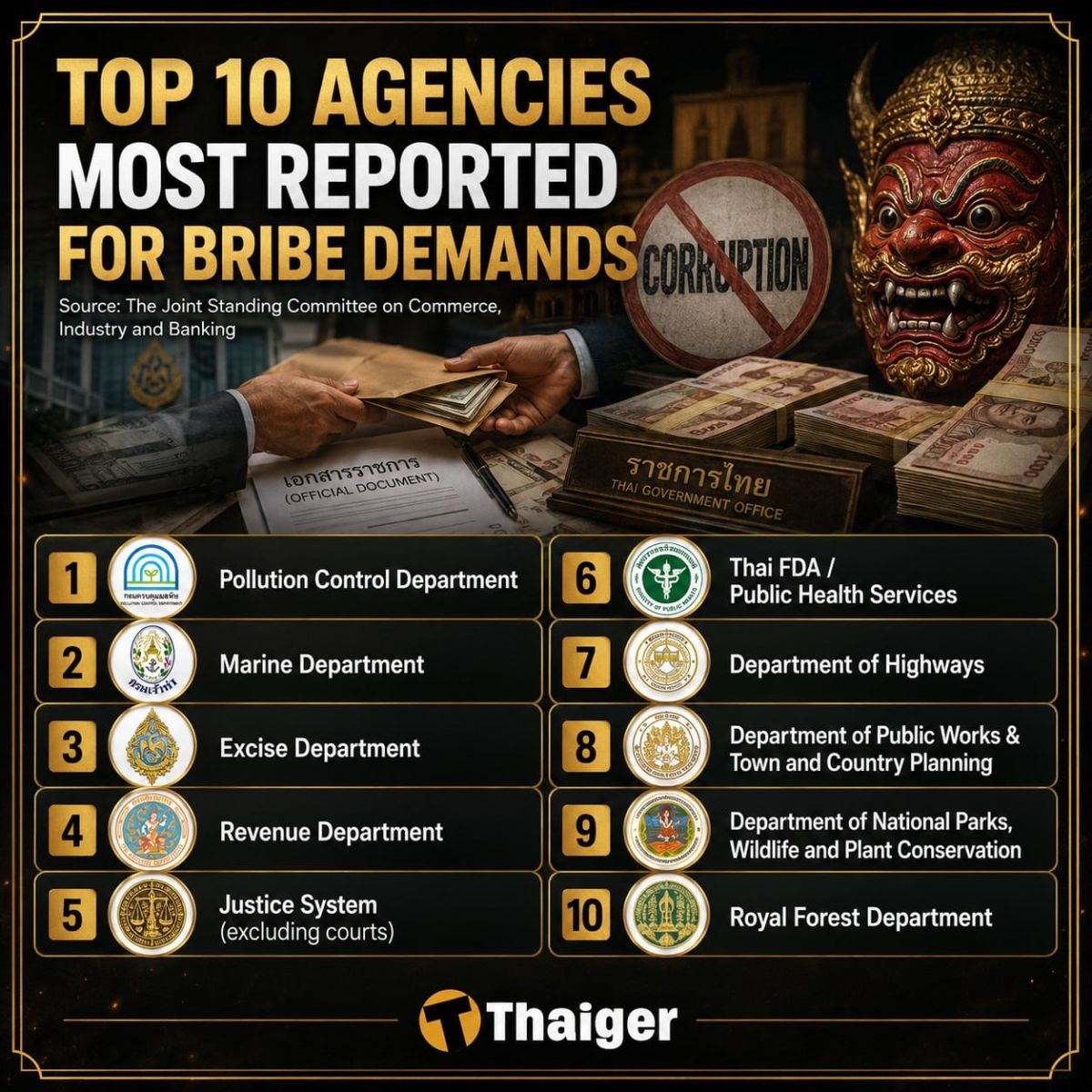
In a notable departure from previous surveys, the JSCIB named specific government agencies. The Pollution Control Department recorded the highest average bribe amount per incident at 102,160 baht, followed by the Marine Department at 100,000 baht and the Excise Department at 94,667 baht. The Revenue Department came fourth at 89,498 baht, and the justice process (excluding the courts) at 88,750 baht.


The Food and Drug Administration and public health services averaged 74,643 baht per incident, while the Department of Highways recorded 70,167 baht and the Department of Public Works and Town and Country Planning 70,000 baht. The Department of National Parks, Wildlife and Plant Conservation averaged 68,000 baht per incident, and the Royal Forest Department 67,500 baht.
Ranked separately by frequency of bribe requests in Thailand relative to the number of contacts, highway and traffic police came first with a rate of 100%, meaning a payment or offer was recorded on every single interaction. The justice process followed at 94.4%, subdistrict administrative organisations (SAOs) at 91.7%, the Marine Department at 90%, and the Department of Highways at 82%.
Despite the scale of the findings, 52.3% of respondents said they had no confidence in government whistleblowing channels, and 43.7% said they would not report bribery even if they witnessed it.
The most commonly cited reasons for paying were complex bureaucratic procedures (29.1%), laws that grant officials excessive discretionary powers (25%), and the need to resolve problems arising from the respondent’s own regulatory non-compliance (18.8%).
The survey findings align with Thailand’s standing in Transparency International’s Corruption Perceptions Index for 2024, which gave the country a score of 34 out of 100, placing it 107th out of 180 countries. That was down from 35 the previous year. Within ASEAN, Thailand ranked fifth, behind Singapore, Malaysia, Vietnam, and Indonesia.
Despite having a comprehensive legal and institutional framework for anti-corruption, the survey suggests enforcement remains far removed from day-to-day business reality.
The Pollution Control Department rejected the findings, stating that its operations are transparent and subject to scrutiny at every stage. The department said it would hold a formal press conference today, May 15, at its headquarters.
Latest Thailand News





















Follow The Thaiger on Google News: