Baby red kangaroo makes first appearance at Khao Kheow Zoo

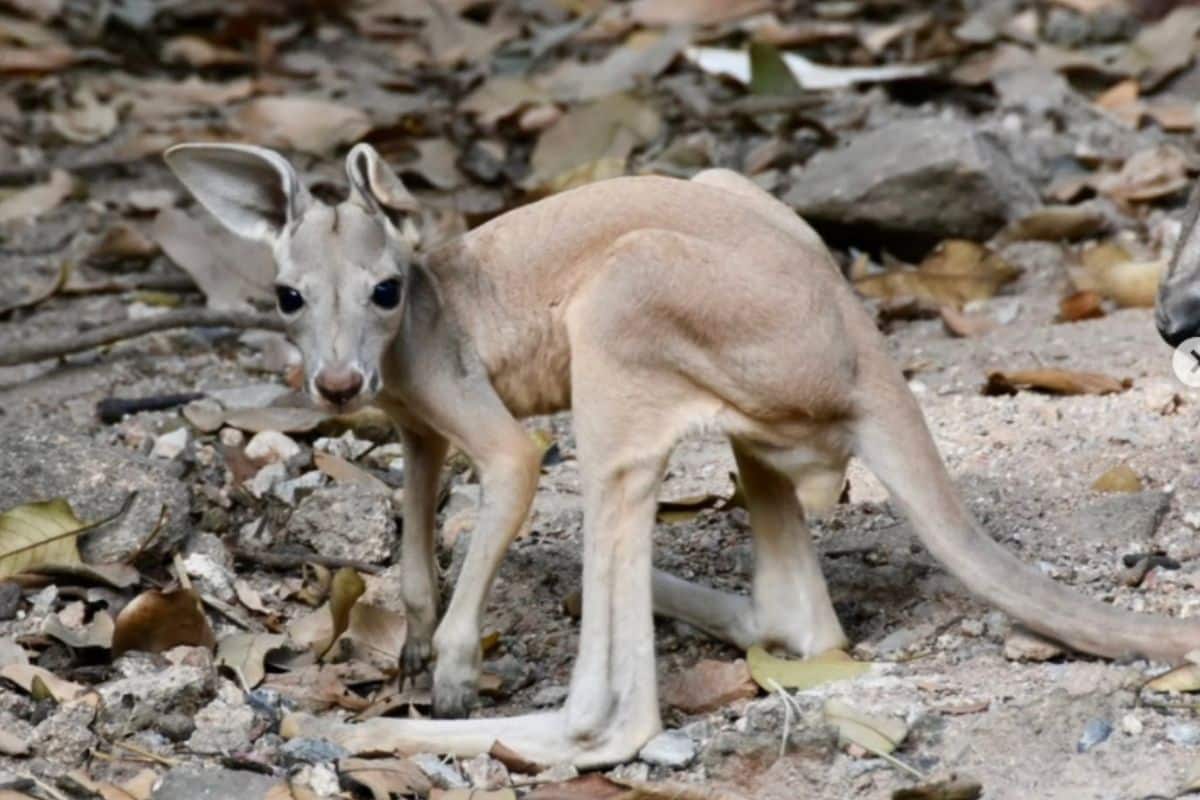
A baby red kangaroo has emerged from its mother’s pouch for the first time yesterday, December 23, marking a rare sight just days before the New Year at Khao Kheow Open Zoo in Chon Buri.
According to the zoo’s director, Narongwit Chodchoi, the newborn, born in May, is the offspring of a five year old female named Tao Tao and a nine year old male named Pong. After spending more than eight months developing inside its mother’s pouch, the baby was recently seen peeking out, drawing excitement from tourists visiting the animal.
Zoo staff said the young kangaroo remains under close maternal care, meaning its sex cannot yet be identified, though early observations indicate it is healthy and developing normally. Keepers have been instructed to monitor the young kangaroo’s behaviour closely and to ensure both mother and offspring remain undisturbed.
Khao Kheow Open Zoo is currently home to 14 red kangaroos in total, with the newest addition now becoming a highlight of the Australian animal zone, which is open daily to the public.
The zoo has also launched a series of end-of-year and New Year activities running from December 25 to January 4, aimed at encouraging wildlife conservation awareness. Activities include photo opportunities with a giant Christmas tree, religious events to support wildlife, gift-giving sessions for animals, and booths offering handmade souvenirs.
As part of the celebrations, free admission is being offered to children and elderly citizens from December 31 to January 4. Children must be aged 12 or under or measure no more than 135 centimetres in height, while seniors must be aged 60 or above.
In another rare sighting, Office of Conservation Area Management 12 has reintroduced footage of a pair of elusive wild cats, a leopard and a black panther, captured roaming together in the forested terrain of Khlong Lan National Park in Kamphaeng Phet. The footage was first recorded in June 2020 by camera traps set up by the World Wide Fund for Nature (WWF), confirming the presence of both species within the same territory in the Khlong Lan forest.


Latest Thailand News

























Follow The Thaiger on Google News: