Colourful fiddler crabs amaze tourists at Trang mangrove site

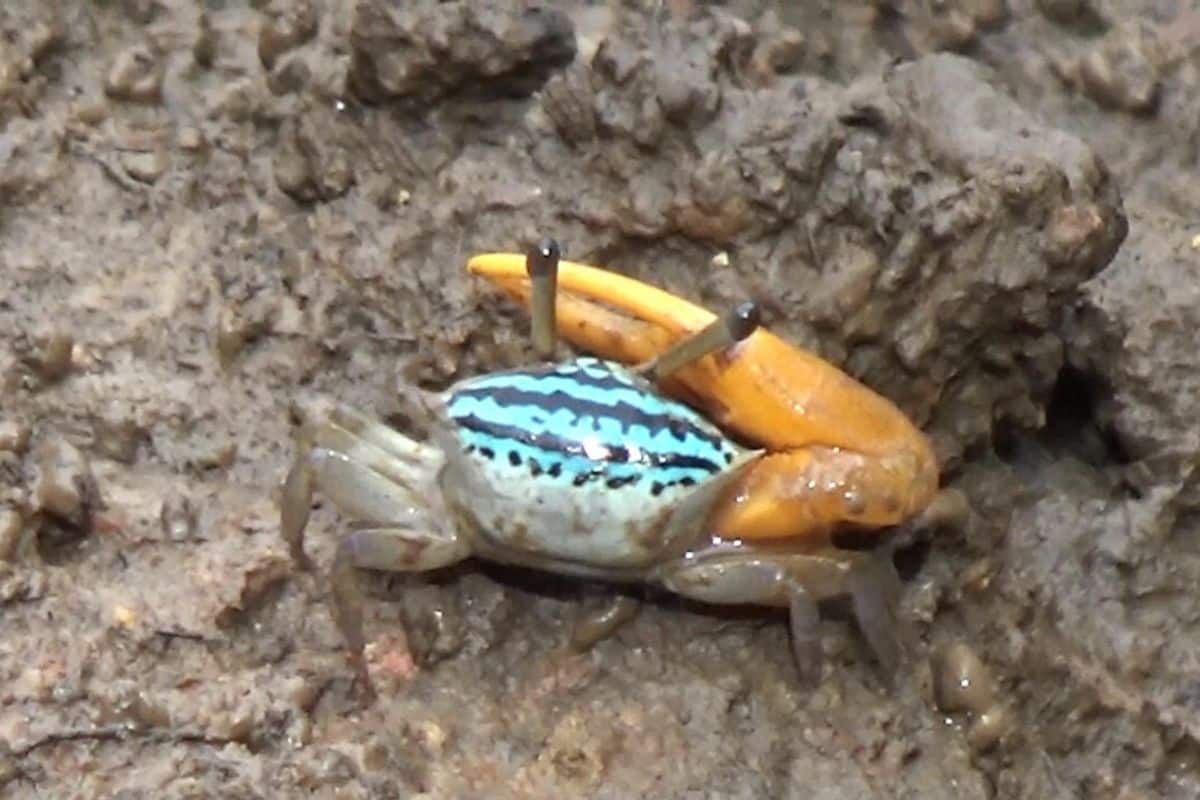
Tourists visiting a mangrove eco-tourism site in Trang yesterday, January 7, were treated to a vivid natural sight, as swarms of colourful fiddler crabs emerged from the mudflats in large numbers.
The crabs were spotted at Ban Rai Yong Star in Palian district, where visitors watched them scuttle through the mudflats beside the mangroves, feeding and interacting along the edge of the mangroves.
By sitting still for a minute or two, visitors could watch the crabs cautiously emerge from their burrows to feed on decaying plant matter and tiny organisms in the silt. Males were easy to identify by their single oversized claw, while females have two claws of equal size.
Some crabs showed a single colour, while others displayed two or three hues. The most common had yellow claws with blue or black-and-white bodies, with colours becoming more vivid as they mature to help attract mates. Visitors also spotted crabs in purple, green, bright blue, orange, and even pink.
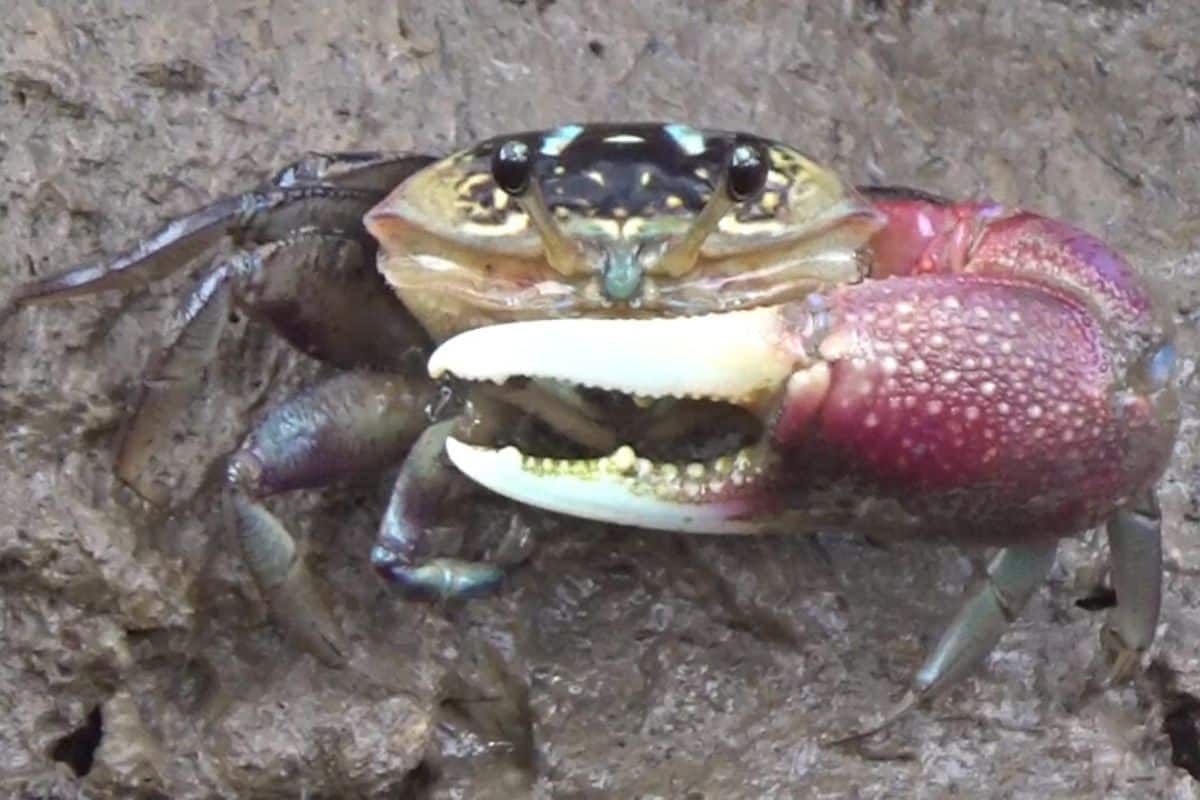
Known locally as natural tide predictors, fiddler crabs instinctively burrow and seal their holes before high tide to avoid flooding. As a result, they are rarely seen during peak tides unless they live in areas elevated above sea level.
While not typically harvested for consumption due to their small size, some people do collect them for display in aquariums. The species thrives in mangrove and coastal swamp ecosystems, making it a strong indicator of environmental health.
Aphinan Phetpheng, manager of the Ban Rai Yong Star tourism enterprise, said the crabs are a local highlight and can be seen year-round. He noted that the site currently hosts an unusually large number of the creatures, estimating at least seven distinct colours.


Aphinan added that the abundance of fiddler crabs is a positive sign for the mangrove ecosystem, as they play a crucial role in the food chain by supporting populations of fish, shrimp, and shellfish, reported Dailynews.
In similar news, tourists flocked to Hup Pa Tat in Uthai Thani to witness the annual appearance of one of the world’s top three newly discovered species, the rare pink dragon millipede.
Latest Thailand News

























Follow The Thaiger on Google News: