Khon Kaen Zoo unveils endangered red-shanked douc langur

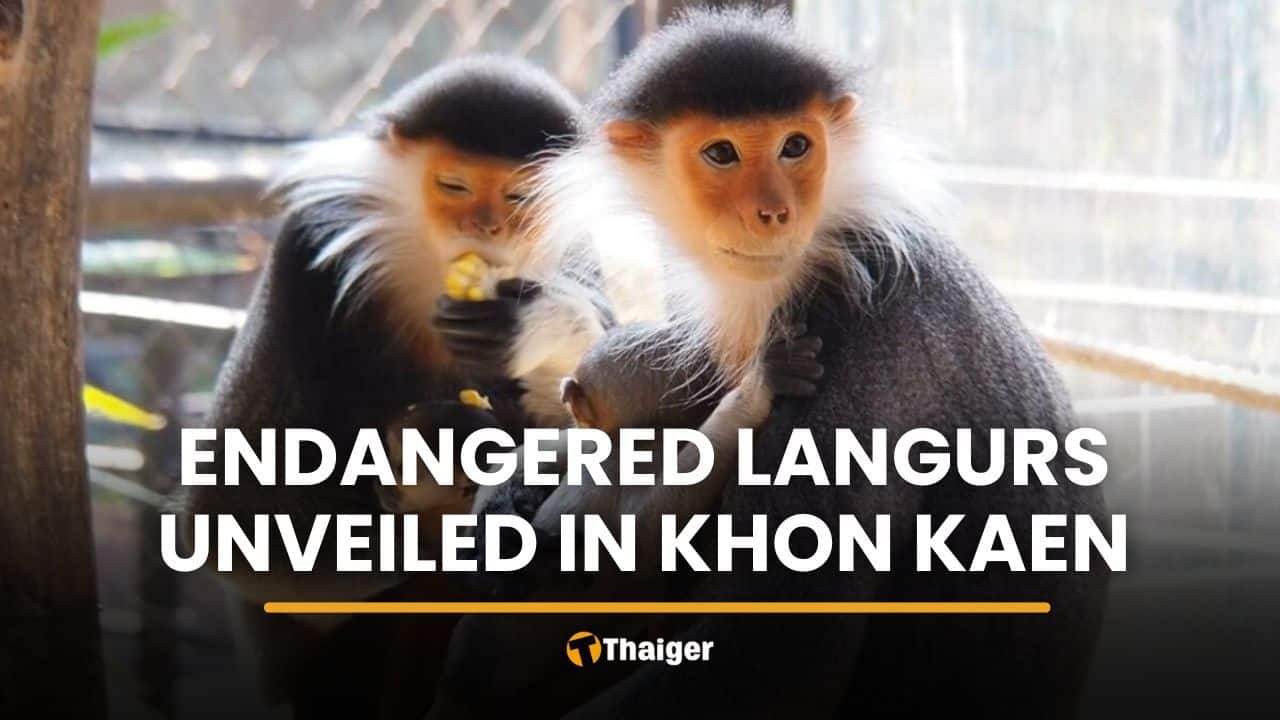
A rare red-shanked douc langur was unveiled at Khon Kaen Zoo today, January 22, after the zoo successfully bred the endangered species, offering visitors a chance to see the newborn up close.
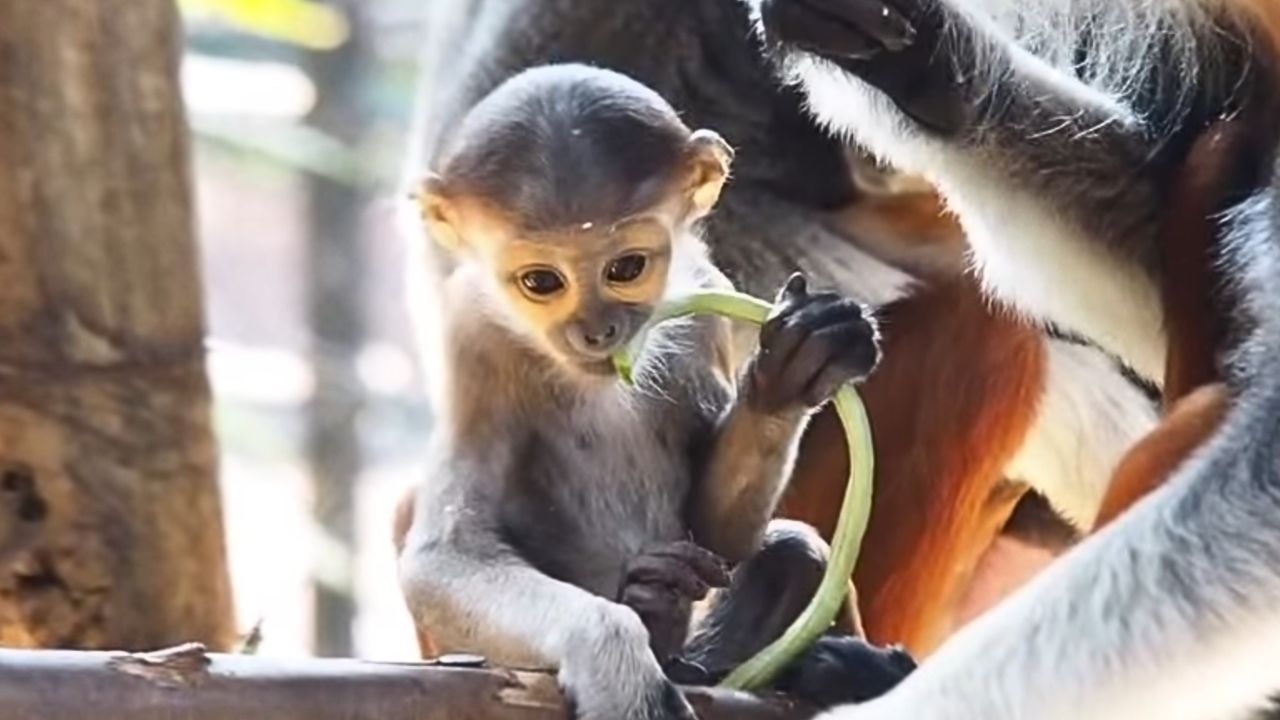
Thipawadee Kittikhun, director of Khon Kaen Zoo, announced the birth of a female red-shanked douc langur on December 31, born to a pair of parents transferred from Dusit Zoo in 2016. Zoo staff later named the baby Khongkwan, meaning “gift,” as she was born during the New Year period.
According to Thipawadee, the young langur is in good health and is being closely monitored by veterinarians. She added that the animal is now ready to be presented to the public, allowing visitors to observe the rare species.
Khon Kaen Zoo currently houses eight red-shanked douc langurs in total, consisting of three males and five females. The zoo hopes the successful breeding will contribute to the long-term conservation of the species and raise public awareness about endangered wildlife.
Thipawadee explained that the animal is listed as an endangered species on the IUCN Red List. The primate is widely regarded as one of the most striking langur species due to its distinctive coat, which features a combination of five colours: black, grey, white, reddish-brown, and orange.
Adult males typically measure an average of 61 centimetres in body length and weigh around 11 kilograms, while females average 54.5 centimetres in length and weigh about 8.44 kilograms. The average lifespan of the species is about 25 years.
The red-shanked douc langurs are social animals that live in groups dominated by females, with males typically leading the troop. They are active during the day and move through forest canopies using their arms to swing between branches, leaping with their hind legs while using their tails for balance. At night, they rest high in large trees with dense foliage.


The species is naturally found in central Vietnam, northeastern Laos, and southeastern Cambodia.
Similarly, back in September, a baby serow was also born at Nakhon Ratchasima Zoo, marking another successful breeding of the rare and endangered species. Both mother and calf are reported to be in good health.
Latest Thailand News

























Follow The Thaiger on Google News: