Top EOR platforms companies are using to hire talent in Thailand


Finding good people in Thailand is the easy part. Hiring them properly is where most foreign companies get stuck. Tech, customer support, marketing, finance, hospitality, manufacturing – the talent pool is deep. The employment admin around it is not.
Open your own Thai entity, and you are looking at roughly four to five months and a serious legal bill before you can put a single name on payroll. That is why so many companies now route their first Thai hires through an Employer of Record.

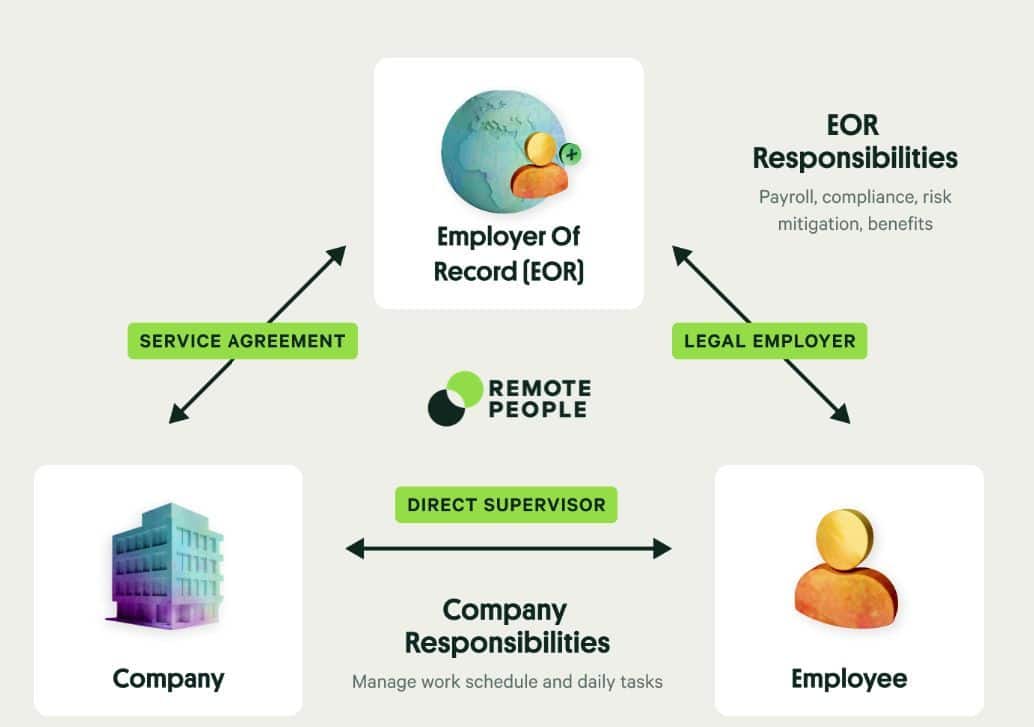
The EOR is the legal employer on paper. You run the day-to-day. Below are the platforms most often used to do this in 2026, what they actually charge, and where each one earns its keep.
What actually matters when you compare EOR platforms
A cheap monthly fee is the first thing every founder fixates on, and almost always the wrong thing to fixate on. The questions that matter look duller on a comparison page but show up fast once you have a Thai employee asking why their first payslip is wrong.
A short checklist before you sign anything:
- Owned Thai entity, or a partner setup? An EOR that owns its own entity in Thailand controls compliance directly. A partner-based EOR adds a middleman, which usually means slower fixes and a thinner safety net.
- Work permits. If you are hiring foreigners based in Thailand, the work permit is tied to the legal employer. Not every EOR handles permits well, and switching providers later means reissuing the permit from scratch.
- The 4:1 rule. Thailand requires four Thai employees per sponsored foreign worker for most companies. Ask how the EOR handles this.
- Severance scale. Thai severance is generous – 90 days’ pay after one year, 180 after three, 300 after ten, 400 at twenty-plus. Cheap EORs sometimes invoice this at exit. Better ones provision for it monthly.
- Pricing transparency. Look at the platform fee, the deposit, the offboarding charge, the FX margin on payouts, and what is bundled vs billed separately. The published number is rarely the final invoice.
The platforms worth shortlisting
1. Native Teams
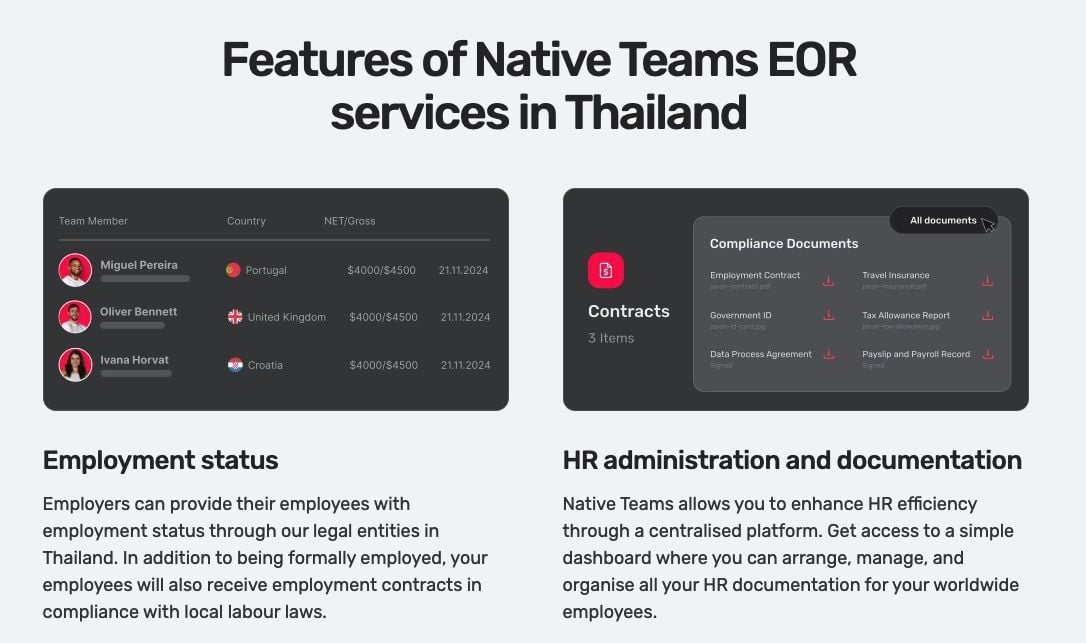
Native Teams is the value pick. EOR pricing starts around $99 per employee per month, which puts it at roughly a sixth of what Deel or G-P will quote you. The platform owns a legal entity in Thailand, covers 85-plus countries, and bundles in a multi-currency wallet and debit card for employees – not a feature most EORs offer at any price.
The full stack behind Native Teams EOR services in Thailand is this: bilingual employment contracts reviewed by their legal team, payroll in Thai Baht, social security registration, statutory benefits, and the documentation a Thai employee actually expects to see.


The trade-off at $99 is platform depth. You will not get the integration library Deel has, and complex contract amendments take a few business days rather than minutes. For a startup hiring its first two or three people in Bangkok, that is a fair swap.
Best for: Startups and SMEs making their first Thai hires on a tight budget.
2. Deel
Deel is the default choice for most VC-backed companies and the most expensive of the mainstream options at $599 per employee per month. What you pay for is speed and immigration depth. Deel onboards Thai employees in three to five business days and runs a dedicated immigration team that handles work permits, the 4:1 ratio paperwork, and visa renewals end to end.
That immigration support is the single biggest reason to pick Deel over a cheaper provider if you are hiring foreigners into Thailand. The platform itself covers 150-plus countries and integrates with most of the HRIS and accounting tools your finance team already runs. Volume discounts kick in at scale, with floors around $350-400 at 50+ headcount.
Best for: Scale-ups hiring foreign nationals who need work permits, or anyone already running Deel in other markets.
3. Remote
Remote sits at the same $599 monthly price as Deel but pitches a different value: owned legal entities in every country it operates in, with no partner-based shortcuts. For Thailand specifically, that means a single compliance chain with no third party sitting between you and your employee.
Where Remote earns its place on shortlists is the platform itself – onboarding flows that do not feel like a 2017 SaaS dashboard, payroll syncing into NetSuite and Workday, and a contract dashboard that actually tracks salary changes and amendments after onboarding. Less aggressive on volume discounts than Deel (the floor sits around $500), but the compliance-first reputation matters if you are in a regulated sector.
Best for: Remote-first companies that care about owned-entity compliance and a polished employee experience.
4. Multiplier
Multiplier is the APAC specialist of the global EOR pack. Pricing starts around $400 per employee per month, lower than the Deel and Remote tier, with 150-plus countries covered. For Thailand it handles the full set – compliant contracts, payroll, social security, benefits, work permit support – and the dashboard is genuinely easy to learn.
The reason to pick Multiplier over Deel or Remote is regional fit. If you are hiring across Thailand, Vietnam, the Philippines, and Indonesia in the same year, Multiplier’s on-the-ground APAC presence and pricing add up to a meaningful saving. The one gap worth noting: Multiplier does not do recruitment, so you are bringing your own candidates.
Best for: Companies hiring across several APAC markets at once.
5. Skuad
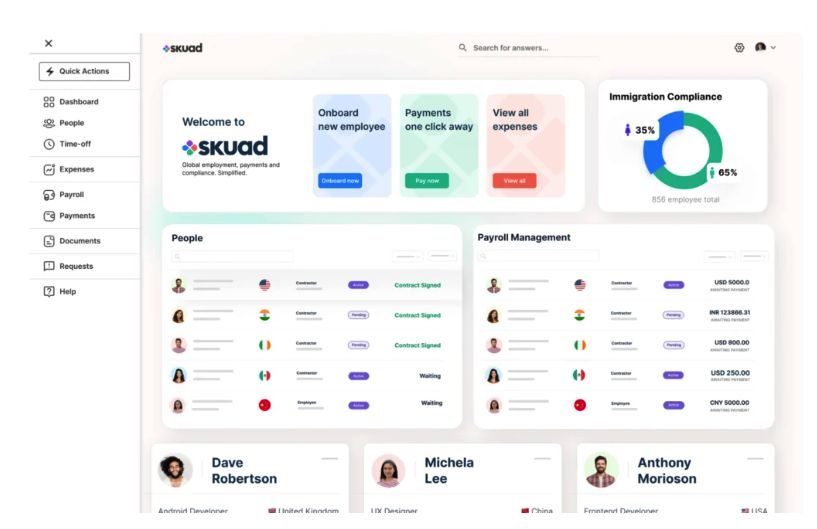
Skuad is the platform you look at when you want one tool that handles both employees and contractors. Coverage stretches to 160-plus countries, pricing is published transparently, and Thailand support covers onboarding, payroll, statutory benefits, deductions, and Labour Protection Act compliance.
The case for Skuad is conversion flexibility. Plenty of companies start with Thai contractors, realise after six months that the working relationship has slipped into something the labour authorities would call employment, and need to convert quickly. Skuad makes that switch painless within the same platform.
Best for: Companies hedging between contractor and employee hiring routes.
6. G-P
G-P, the company formerly known as Globalisation Partners, more or less invented the EOR category. Today it sits at the premium end – pricing typically lands in the $600-800 per employee per month range – with owned entities in 125-ish markets (it markets 180+, but active owned-entity coverage is closer to 125).
What G-P offers that the newer platforms cannot quite match is institutional depth. A 40-plus-strong in-house legal team, four consecutive years as NelsonHall’s EOR industry leader, and a track record of helping mid-market and enterprise companies move 50+ hires into a new country inside two months. The platform interface feels its age, the contracting cycle is slower, and it is overkill for a five-person startup. For a procurement department signing a multi-country master agreement, it is the safe pick.
Best for: Mid-market and enterprise companies with formal procurement and complex compliance needs.
7. Rippling
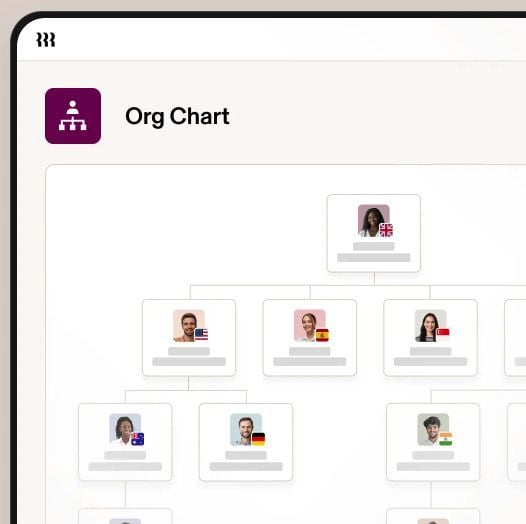
Rippling is the only EOR on this list that started life as something else. The core product is HR, IT, payroll, and device management in a single workforce platform, with the EOR bolted on top. For Thailand, that means hiring a full-time employee, provisioning their laptop, setting up their SSO, and running their payroll inside one system instead of stitching together four vendors.
The case for Rippling collapses if you are not already a Rippling shop. The case for it is overwhelming if you are. Companies running Rippling for US payroll and IT typically activate the EOR for Thailand without a second conversation.
Best for: Companies already using Rippling for HR and IT who want global hiring inside the same stack.
8. Papaya Global
Papaya is the platform finance teams pick when they care about payroll visibility more than HR niceties. Thailand coverage includes hiring, onboarding, payroll, tax withholding, benefits administration, termination support, and Labour Protection Act compliance – but the real product is the multi-country payments infrastructure and the global payroll dashboard your CFO actually wants to look at.
This is not the right platform for a founder making one hire in Bangkok. It is the right platform for a 200-person company with employees in 15 countries that needs one source of truth for payroll spend.
Best for: Mid-to-large companies with multi-country payroll visibility problems.
9. Oyster
Oyster sits in a similar price bracket to Remote and Deel and positions itself around employee experience rather than compliance theatre or payroll dashboards. The Thailand guidance leans heavily on the onboarding journey, benefits, and local presence.
For distributed companies hiring remote-first Thai talent – engineers, designers, marketers who will never set foot in your office – Oyster reads like the platform built for that exact use case. The onboarding emails are warmer, the benefits packages feel more thought-through, and the platform language treats the new hire as the customer, not the employer.
Best for: Remote-first companies that treat employee experience as a hiring lever.
10. RemoFirst
RemoFirst is the budget challenger. EOR pricing starts at $199 per employee per month, less than half of Deel or Remote, with credible coverage of Thai labour law, social security, withholding tax, and standard contract handling.
For three Bangkok-based developers on straightforward contracts, RemoFirst saves roughly $14,400 a year versus Deel. That is real money. The trade-offs are real too: a smaller Thailand operations team, thin immigration support if you need work permits, limited provident fund administration, and a less polished platform. For a simple Bangkok hire, fine. For anything involving foreign workers, multi-location hiring, or complex severance, the savings stop being worth it.
Best for: Lean teams making simple Thai national hires where price beats everything else.
What to push back on before signing
EOR sales decks all read the same. The differences show up in the answers you get to specific questions. Before you sign, get clear written answers on:
- Payroll cutoff dates and payslip format
- How role changes, salary adjustments, and bonuses are processed mid-cycle
- Annual leave, sick leave, and public holiday handling
- Provident fund administration and severance provisioning
- Offboarding timeline and cost
- FX rate applied to baht payouts
- Response time SLAs for the employee, not just the employer
- For foreign hires: work permit timeline, the 4:1 ratio, and which job titles your role can actually be assigned to
That last one catches more companies than any other. Thai work permits restrict foreigners from a long list of jobs and tie the permit to a specific role at a specific employer. A good EOR tells you upfront what is and is not possible. A bad one tells you after the offer letter is signed.
So which one do you pick?
For a first Thai hire on a startup budget, Native Teams, RemoFirst, or Skuad will get you compliant for under $200 a month and let you redirect the savings into salary. For VC-backed scale-ups hiring foreigners who need work permits, Deel is the safer call despite the price. For multi-country APAC hiring, Multiplier is built for exactly that. Remote and Oyster split the difference if employee experience and compliance both matter, and budget is not the constraint.
For larger companies with procurement teams and HR committees making the call, G-P and Papaya Global are the conservative picks. Rippling only makes sense if you are already a Rippling customer – then it makes more sense than anything else on this list.
Choosing the right EOR partner in Thailand
Thailand rewards companies that take employment admin seriously and punishes those that do not. Social security at 5% of salary, capped at a small number, sounds cheap until you forget to register an employee and inherit the back-payments.
Severance liabilities scale alarmingly with tenure. Work permits get reissued every time you change providers. None of this is exotic, but all of it adds up.
The best EOR platform is not the cheapest, the biggest, or the one with the best dashboard. It is the one that gives you straight answers to the awkward questions, charges what it says it will charge, and treats your Thai employee like a person rather than a line item. Pick that one, and Thailand stops being a paperwork problem.
Latest Thailand News

























Follow The Thaiger on Google News: