Thailand LGBTQ+ friendly for centuries. Long before Western debates: Bangkok Pride 2026

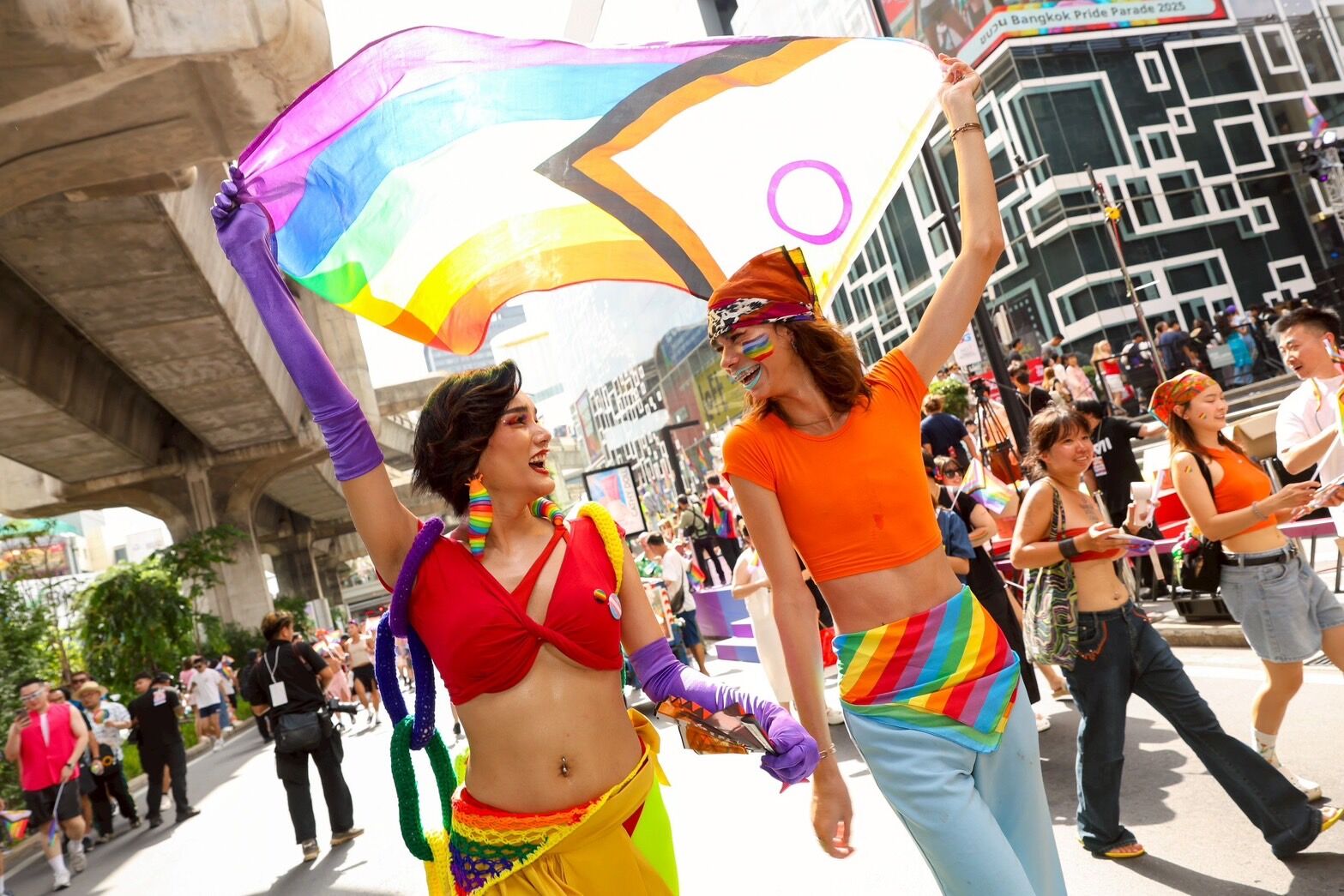
Bangkok Pride Month 2026 : Thailand’s warmth toward the LGBTQ+ community didn’t start with a law. It was already in the culture, long before the world started paying attention.
Ask almost anyone who has lived in or travelled through Thailand and you’ll hear some version of the same story. A gay couple holding hands on the BTS. A transgender woman working the front desk at a bank. A drag performer celebrated at a local temple fair. And nobody turning to look.
Thailand had its own LGBTQ+ code words long before western debates.
What took decades of activism in many countries to even name out loud, Thailand already had a word for centuries ago.
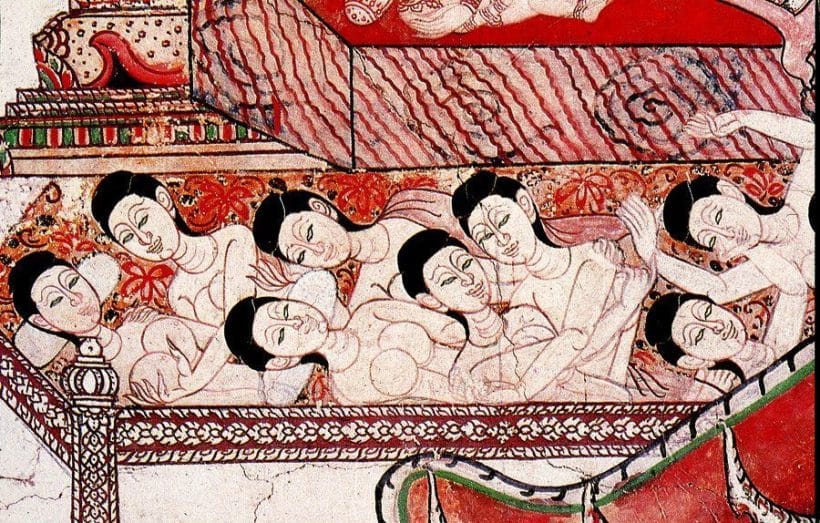
The term kathoey predates modern LGBTQ+ vocabulary by generations. Researchers studying Northern Thai temple murals have found depictions of same-sex relationships dating back to before the Rattanakosin era, which began in 1782. This wasn’t imported from outside. It was already part of the picture.
Today, transgender women in Thailand work openly as bankers, nurses, executives, and entertainers. The visibility is striking to newcomers, but to most Thais, it is simply part of the landscape. Labels tend to dissolve behind good manners and a shared sense of sanook.
What Buddhism teaches Thais
People often assume religion must be the obstacle. In Thailand, it largely isn’t.
Unlike some traditions with explicit prohibitions, Theravada Buddhism as practised in Thailand has no official canonical position against same-sex relationships. The focus of Buddhist teaching falls on compassion, non-harm, and the relief of suffering. When no formal doctrine says “this is wrong,” and the dominant cultural value is minding your own business, the result is a society that generally lets people be who they are without requiring an explanation.


Researchers across multiple studies have noted that no organised anti-LGBTQ+ religious movement has ever been formally established in Thailand. That absence is telling.
The Colonisation Factor Most People Overlook
Many countries across Asia that still carry laws criminalising same-sex relationships inherited those laws directly from British or French colonial rule in the 19th century. Thailand was never colonised. It never received those laws. And so same-sex relationships in Thailand have never been criminalised, not for a single day in recorded history.
Neighbouring countries are still working to repeal legal frameworks put in place by foreign powers over a century ago. Thailand never had to start from that position.
The Thai Personality: Don’t Judge, Don’t Interfere, Move On
If you had to describe Thai social culture in three principles, they might be kreng jai, sanook, and mai pen rai.
Kreng jai is the art of not imposing on others, avoiding confrontation, and giving people room to be themselves. Sanookis the instinct to find joy and lightness in almost any situation, including the presence of people who are different from you. And mai pen rai is the cultural backbone that stops most Thais from investing emotional energy into judging a stranger’s private life.
The numbers bear this out. A national poll conducted by the National Institute of Development Administration found that 92.82% of Thais accept LGBTQ+ individuals as friends or colleagues, and 90.61% accept them as family members. These figures increased from earlier surveys in 2018 and 2019, suggesting the direction of travel is clear.
From Silom to the World: How Thailand Exported Its Openness
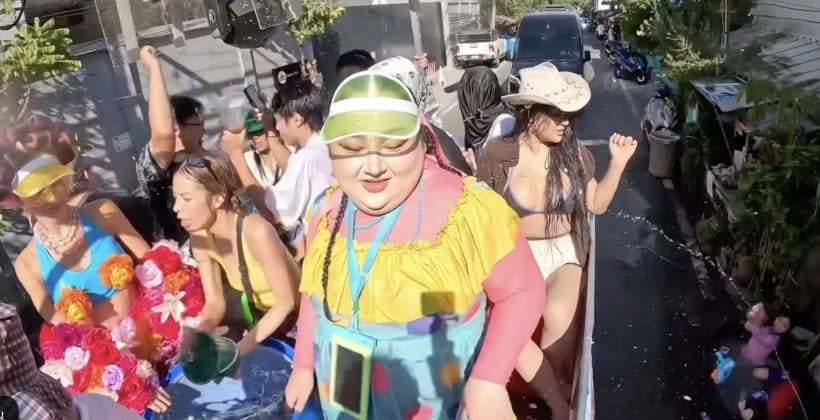
If you have ever walked through Bangkok’s Silom district during Pride season, you know that Thailand doesn’t just tolerate the LGBTQ+ community. It turns up for them. And that attitude has travelled well beyond the country’s borders.
Thailand’s Boys’ Love (BL) drama industry has grown into a genuine global cultural force. The country has produced over 340 BL films, series, and short stories. By 2024, Thailand accounted for more than half of all BL content aired across Asia, with the market projected to generate over 4.9 billion baht by 2025. What started as a niche genre on streaming platforms has become a soft power asset that shapes how the world perceives Thailand.
The reach is remarkable. Canal+ Distribution began bringing Thai BL titles to US audiences in 2026, with industry voices describing the genre’s appeal as rooted in “emotional complexity rather than traditional romantic tropes.” Fans from countries where this content is restricted or censored have consistently described Thailand as representing something they can only imagine: a place where love between men is a story worth telling publicly, and telling well.
What Gay Foreigners Actually Say about Thailand
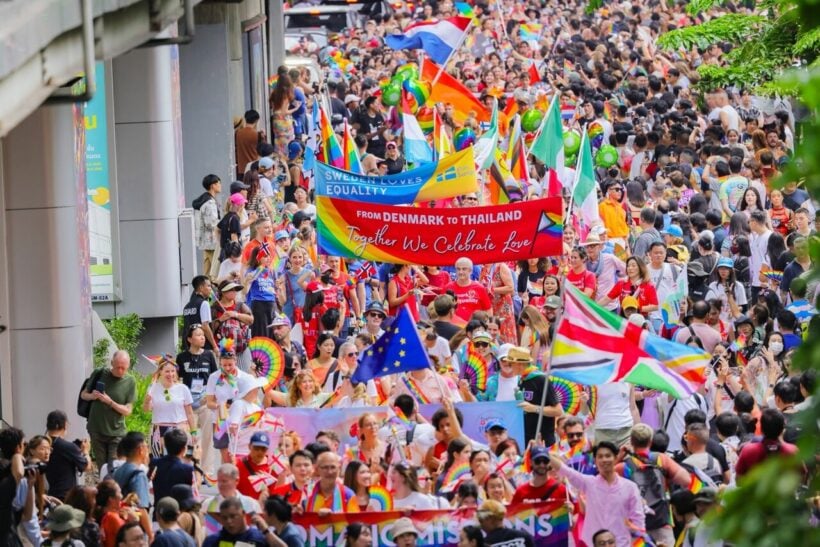
Ask LGBTQ+ expats and travellers what stands out about Thailand, and the answer tends to be the same quiet observation: nobody stares.
Global travel platforms consistently rank Bangkok among the most LGBTQ+ friendly cities in Asia, citing its dating scene, nightlife, openness, and day-to-day safety. The Tourism Authority of Thailand has run a dedicated campaign called “Go Thai Be Free,” aimed specifically at LGBTQ+ visitors worldwide.
A study examining Chinese viewers of Thai BL dramas found that fans actively use Thailand as a mental contrast to their own restrictive environment, imagining it as “a land of freedom and acceptance.” For audiences in countries where same-sex relationships are still penalised, Thailand represents something genuinely rare.
That said, this picture isn’t without nuance. Workplace discrimination and family pressure still exist for many LGBTQ+ Thais. Social acceptance and legal protection are not always the same thing. But in terms of everyday warmth, the kind you feel walking down a street or introducing a partner to colleagues, Thailand is genuinely difficult to match in this region.
23 January 2025: The Day It Became Official
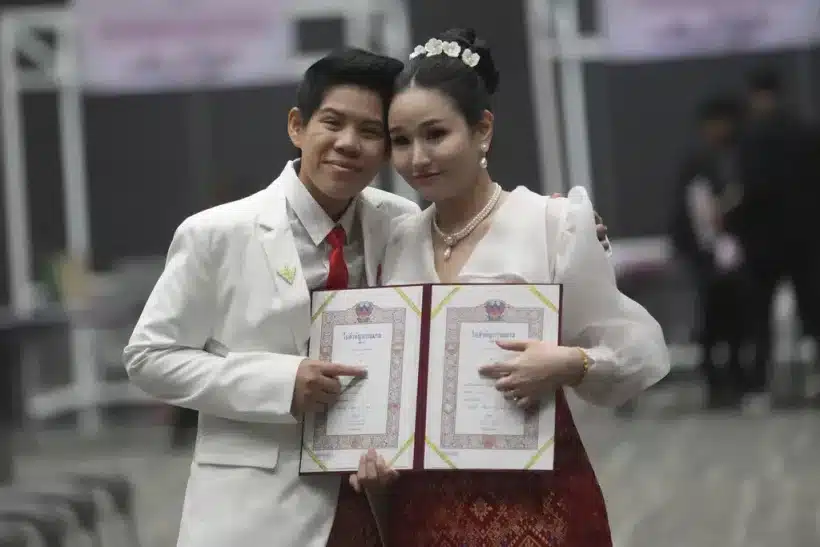
On 23 January 2025, Thailand’s Marriage Equality Act came into effect, making the country the first in Southeast Asia and the 38th in the world to legalise same-sex marriage. The law grants full legal, financial, medical, and adoption rights to same-sex couples on equal terms. Over 200 couples registered their marriages at Siam Paragon on the day the law took effect.
Prime Minister Paetongtarn Shinawatra described the moment plainly: “23 January 2025 is a day that we all mark in history, that the rainbow flag has been planted in Thailand gracefully. All the love from all the people is accepted legally with respect and dignity.”
The bill had passed the House of Representatives in March 2024 and the Senate in June 2024, with 130 votes in favour. It was signed by His Majesty the King in September 2024 and given 120 days to take effect.
Pride Month 2026: What This All Adds Up To
The rainbow flags go up across Bangkok this June, Bangkok Pride Festival 2026, organised by Naruemit Pride Co., Ltd. in partnership with the Bangkok Metropolitan Administration, runs from 28 May to 1 June 2026 under the theme “Patch the World with Pride.” The concept is built around three principles: Peace, People, and Pride. And it sits within a longer-term plan: Bangkok is bidding to host WorldPride 2030, and this festival is very much part of that pitch.
Bangkok Pride Parade 2026 (31 May 2026)
The main event is the parade on Sunday 31 May, running from 14.00 to 22.00. The route starts at Naradhiwas Intersection on Silom Road, moves along Silom, turns onto Henri Dunant Road, continues along Rama I Road, and finishes at Hua Mark Stadium. The full route covers 3.8 kilometres, with more than 150 floats, and the headline spectacle is a 500-metre Pride flag carried the length of the historic route.
Entry is free, no registration needed. If you are joining as a group of ten or more and want to march as an organised unit, you will need to register in advance at zipeventapp.com/e/Bangkok-Pride-Parade-2026.
One thing worth planning around: Pathumwan Police Station has confirmed a traffic closure on Rama I Road between Pathumwan Intersection and Chaloem Phao Intersection from 16.00 to 19.00. If you are driving or taking a taxi, factor that in and consider arriving by BTS instead.
The parade is the centrepiece, but Bangkok Pride Festival 2026 spans five days with events worth attending in their own right.
Bangkok Pride Awards 2026 on 28 May honours individuals and organisations who have advanced LGBTQ+ equality across eleven fields. Bangkok Pride Forum 2026 covers more than 35 public discussion topics, focused specifically on rights, welfare, and legislation for LGBTQIAN+ communities across Asia. And Drag Bangkok Festival 2026 brings drag artists from around the world together, with a stated mission to push the art form toward formal recognition and international soft power status.
Thailand’s friendliness toward the LGBTQ+ community wasn’t imported from the West. It wasn’t adopted because of international pressure or because it looked good on a global index. It grew from a culture that never criminalised difference, a religion that never declared war on it, and a social temperament that has always leaned toward live and let live.
The Marriage Equality Act that came into force in January 2025 didn’t create that openness. It finally caught up with it.
Bangkok Pride Festival 2026 is the celebration that openness deserves.
Latest Thailand News




















Follow The Thaiger on Google News: