Thai police ban folded arms, hands in pockets to improve public image

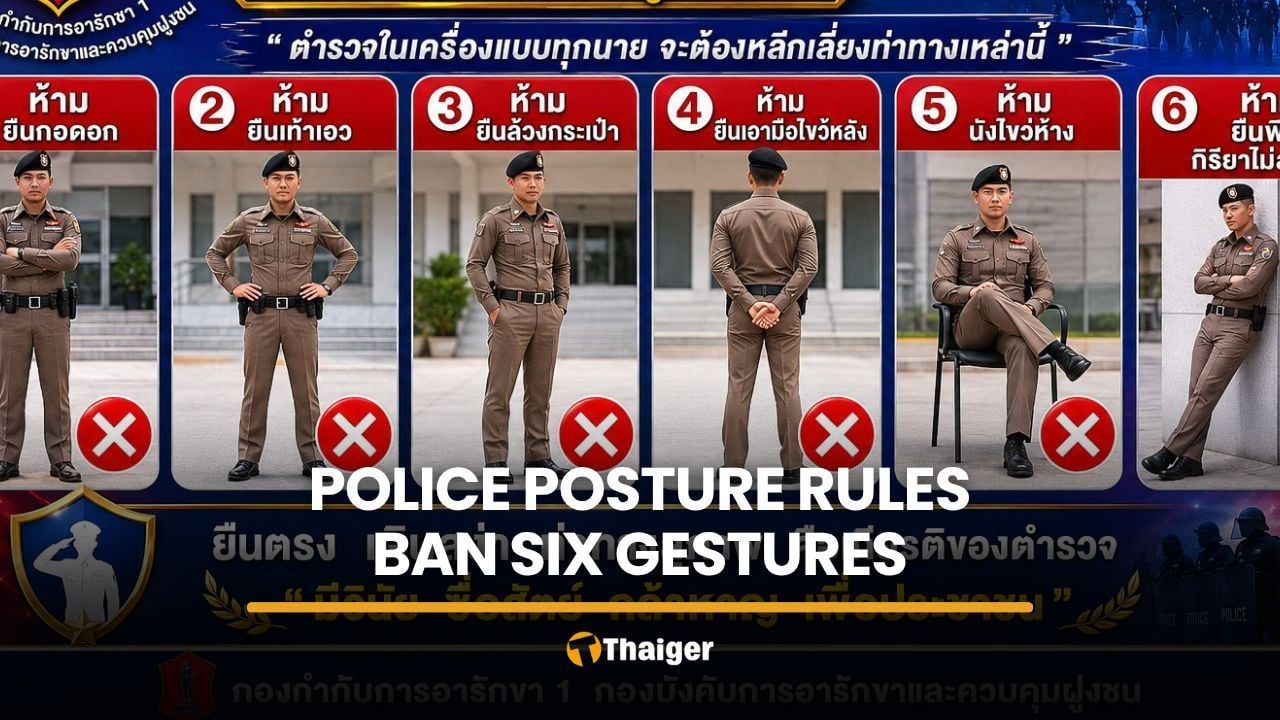
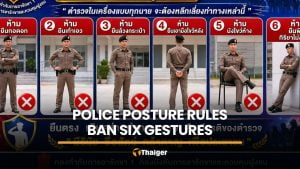
Police posture rules were issued on May 27 by the Royal Protection Police Sub-Division 1 under the Protection and Crowd Control Division, banning six gestures by uniformed officers to improve discipline, public confidence, and approachability.
The order bars officers from standing with folded arms, standing with hands on hips, putting hands in pockets, standing with hands clasped behind the back, sitting with crossed legs, and leaning in an impolite manner while in uniform.
Although the gestures are not illegal, the division said they can affect the image of police officers, who represent the state. Some postures may make officers appear unprepared for duty, difficult to approach, or unintentionally intimidating to members of the public.
The Royal Protection Police Sub-Division 1 explained that folded arms can appear closed off and unwilling to listen, while hands on hips may suggest an emotional or confrontational stance. Hands in pockets can look unenthusiastic, while crossed legs or leaning against a wall may appear too relaxed.
Some officers may make these gestures out of habit, but the public image they create is important. The new police posture rules are intended to help officers appear professional, polite, reliable, and ready to assist.
The division said better manners and posture can help members of the public feel more comfortable approaching police officers for help. It also said small details in conduct can raise professional standards across the organisation.

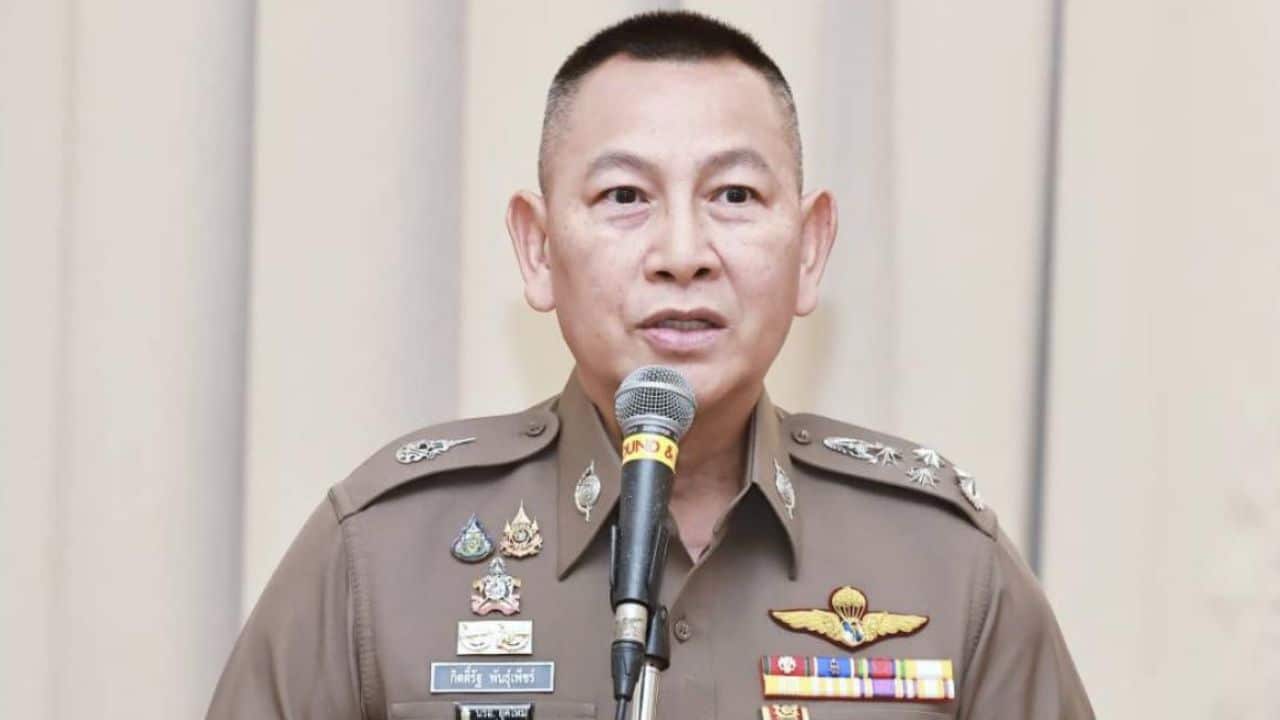
The order follows an urgent letter issued on May 26 by Police General Kitrat Phanphet, Commissioner-General of the Royal Thai Police, instructing top-ranking police nationwide to focus on officers’ conduct while in uniform.
Police officers increasingly appear on social media, with some becoming influencers or TikTok personalities to promote police work. Senior commanders said this can help the public better understand police duties, but officers must dress correctly from head to toe when appearing in public media.
The guidance also refers to hairstyle rules under the 2023 regulations. Correct uniforms, proper grooming, and appropriate conduct on camera can help set accepted standards and provide an example for other officers.
Kitrat instructed unit chiefs to closely supervise officers under their command and prevent inappropriate behaviour while on duty.
Latest Thailand News















Follow The Thaiger on Google News: