Similan Islands warns tourists after Blue Button jellyfish spotted

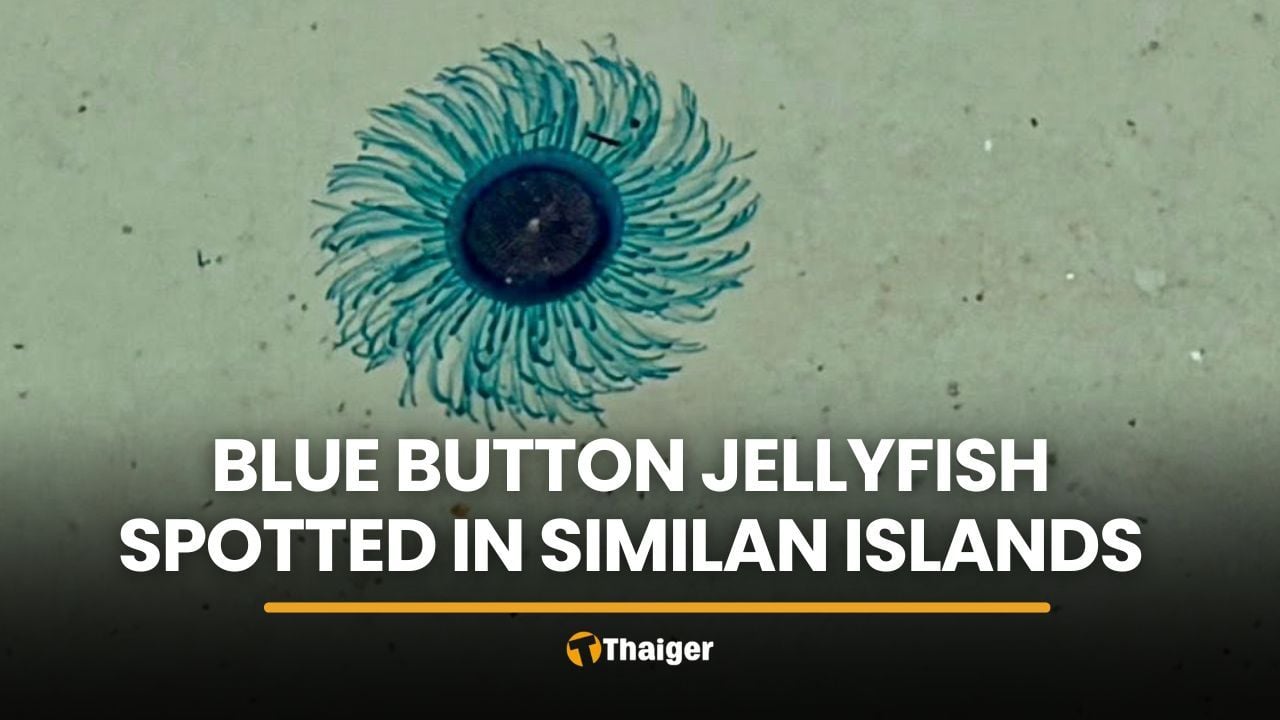
A temporary closure has been imposed at a swimming area in Similan Islands National Park, Phang Nga, after officials warned yesterday, February 22, that blue button jellyfish have been found along the shoreline.
The park said on its Facebook page that it detected the jellyfish, also known as Porpita Porpita, and commonly referred to as the Blue Button, in some coastal sections of the designated swimming zone, with sightings concentrated along the eastern beach of Ko Si.
The Blue Button jellyfish is bright blue with a central, button-like disc and numerous tentacles. It often drifts with currents before washing ashore, according to park officials.
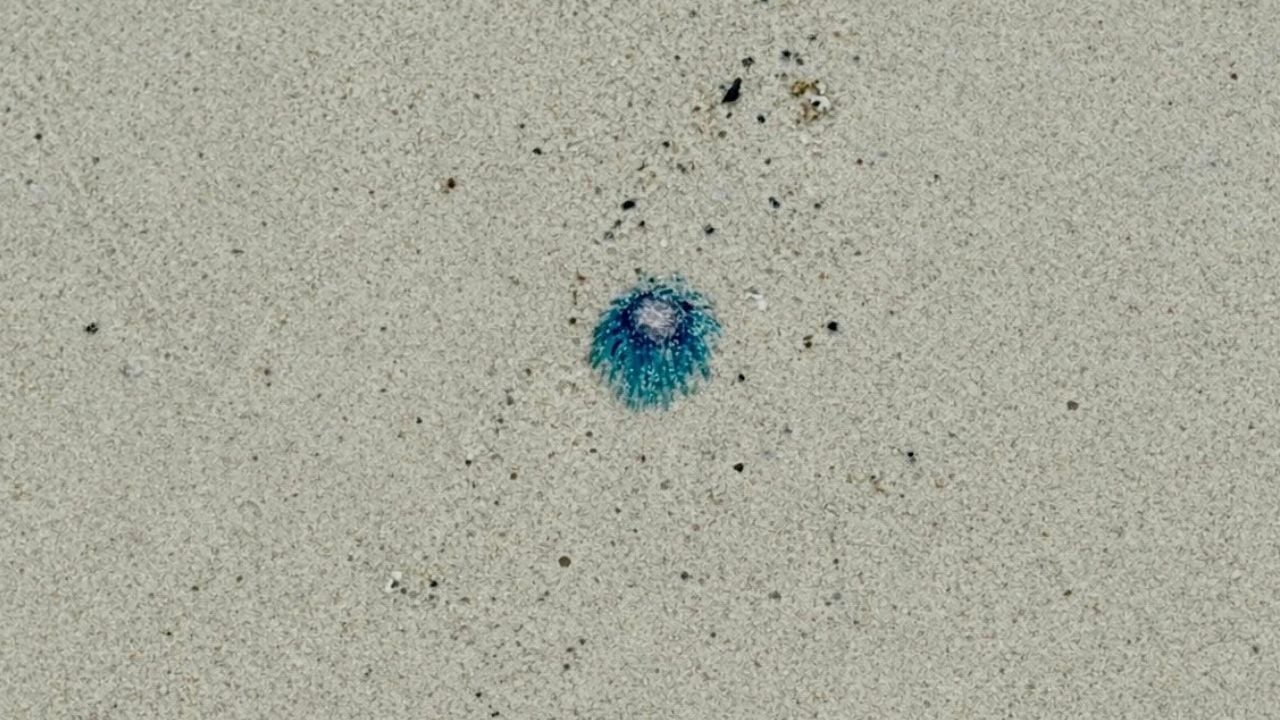
While the sting is not as severe as that of a box jellyfish, contact can still cause an immediate stinging or burning sensation. Reported effects include a red rash, swelling, itching, or the formation of clear blisters.
The park added that the jellyfish can still irritate the skin even after it has washed up on the beach, and advised visitors to avoid touching it directly.
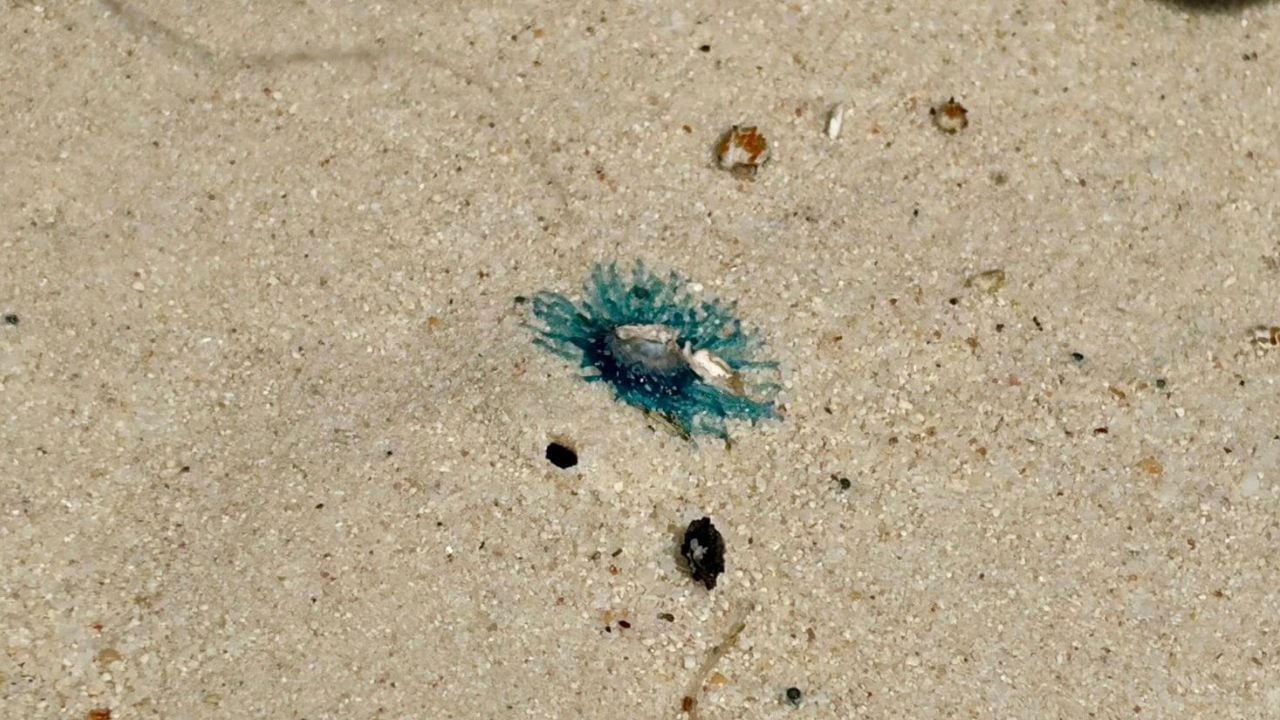
First-aid advice was also issued for anyone who comes into contact with the jellyfish, recommending the affected area be rinsed with seawater and warning against using fresh water straight away.
Tourists were also advised not to rub the affected area and to remove any remaining tentacle fragments carefully.


Anyone experiencing severe pain, a spreading rash, or other unusual symptoms was told to alert park staff immediately.
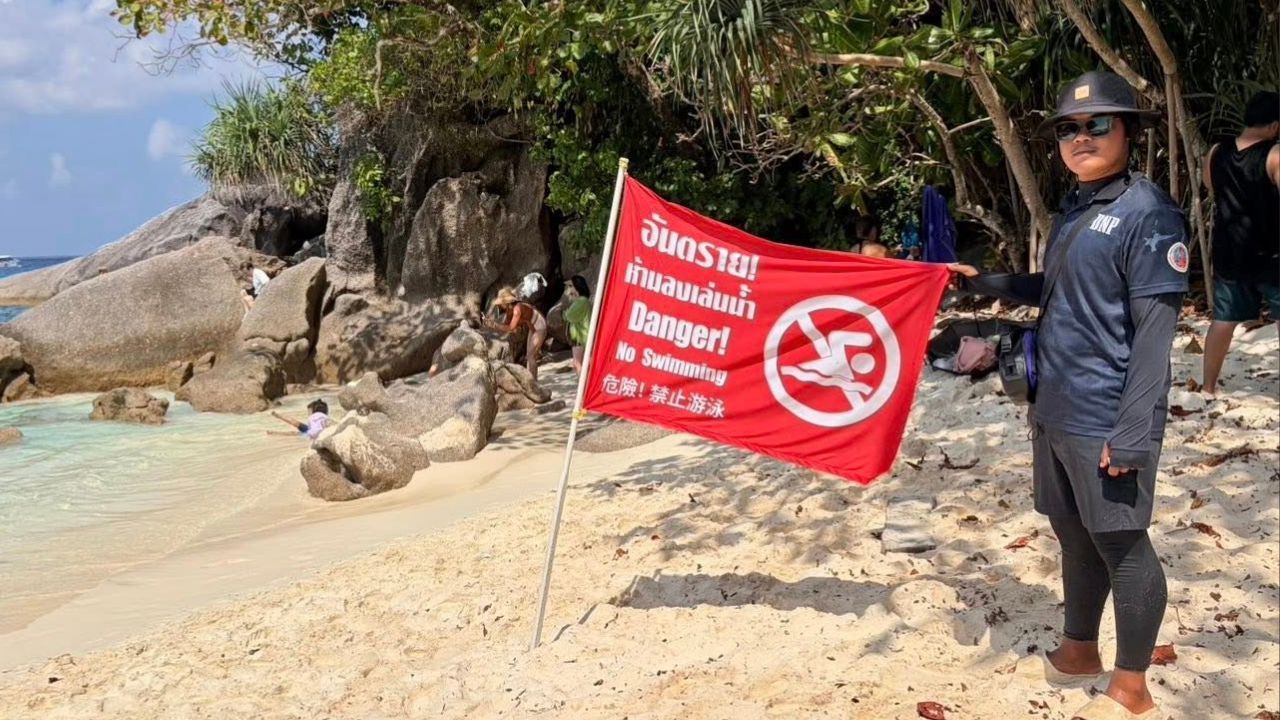
Similan Islands National Park said it had temporarily closed the swimming zone on the eastern side of Ko Si until conditions are considered safe again.
The park also asked visitors who spot the jellyfish in any area to report it to officials immediately and to follow staff instructions strictly to ensure everyone’s safety.
Similarly, back in October last year, lifeguards on a popular Phuket beach reported a surge in jellyfish stings affecting tourists, with several victims requiring urgent hospital care.
The incidents, which have involved the venomous box jellyfish, have left beachgoers with burning skin, rashes and in some cases, serious allergic responses.
Latest Thailand News

























Follow The Thaiger on Google News: