RTAF explains Thai-Cambodian border actions to 22 countries

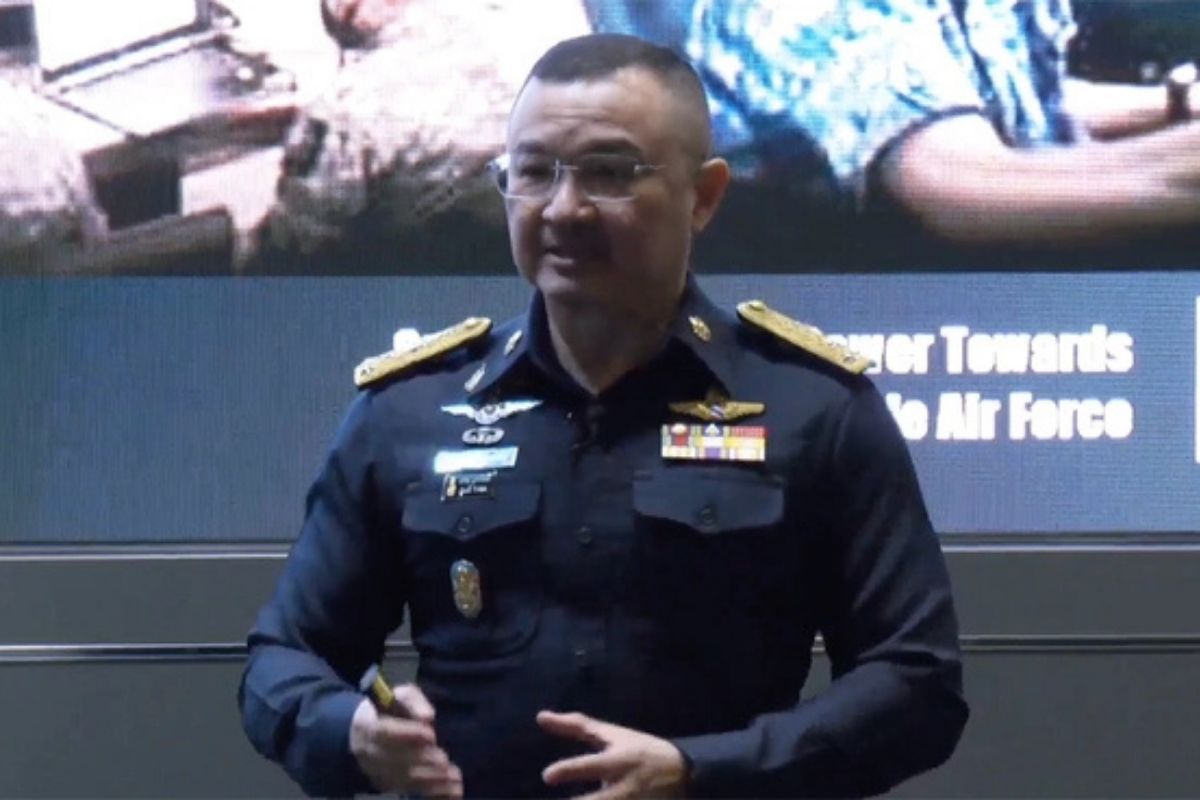
The Royal Thai Air Force (RTAF) briefed foreign military attaché assistants from 22 countries today, January 9, regarding recent military operations along the Thai-Cambodian border, reaffirming its commitment to restraint and civilian safety.
The session, held by Air Chief Marshal Sakesan Kantha, Commander-in-Chief of the RTAF, aimed to clarify Thailand’s position and ensure transparency about its air operations near the border. According to reports, 29 military attaché assistants from across Asia, Europe, and beyond were present for the briefing.
ACM Sakesan explained that Thai air strikes were conducted in response to what authorities consider violations of national sovereignty. The goal, he stated, was to safeguard Thai territory while minimising harm to civilians and essential infrastructure.
He emphasised that all operations were carried out in accordance with international humanitarian law and the principles of self-defence, reported The Nation.
Furthermore, the Air Force stressed that only military targets were engaged, using precision-guided tactics designed to limit collateral damage. RTAF leaders reiterated that civilian protection remains a focus and that military action has been measured and proportionate, even in the face of provocation.
Additional details were delivered by Air Marshal Chakkrit Thammavichai, serving as the RTAF’s spokesperson, and Air Chief Marshal Praphat Sonjaidee, assistant commander-in-chief. Foreign representatives were also invited to ask questions and seek clarification on any operational matter.
The RTAF said it remains ready to respond if tensions escalate, but stressed that de-escalation through diplomacy remains its preferred course.


In similar news, the Royal Thai Army has reaffirmed that a recently reorganised border area remains firmly within Thai sovereign territory, stating that the land has been subject to long-term encroachment by Cambodian forces and settlements.
Army officials are urging the public to review official protest letters previously submitted by Thailand through the Memorandum of Understanding 43, known as MOU 43, which governs dispute management along the Thai-Cambodian border.
Latest Thailand News



















Follow The Thaiger on Google News: