Japanese firms in Thailand struggle amid Thai-Cambodian border conflict
Firms reduce Cambodia-related business activities

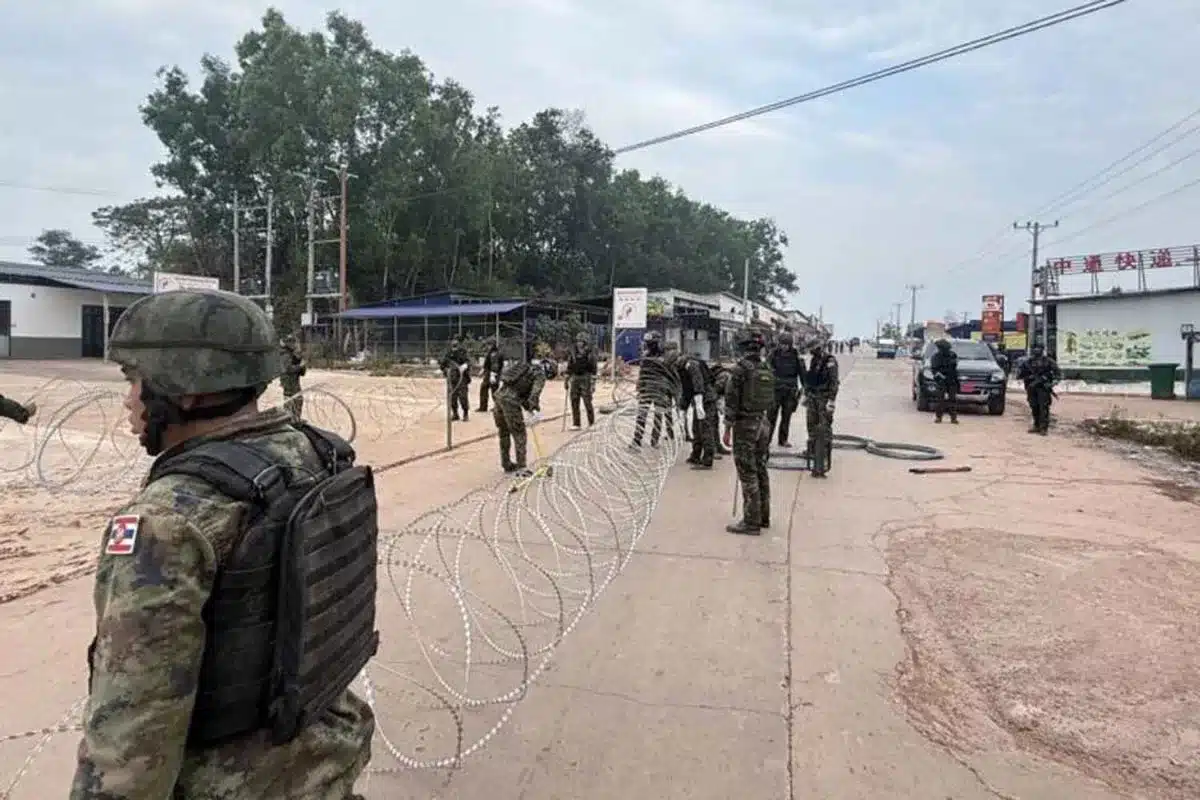
Japanese companies operating in Thailand are facing mounting difficulties following the Thai-Cambodian border conflict during the latter half of 2025, which has significantly disrupted cross-border business activities.
Key challenges include prolonged border closures, rising logistics costs, and declines in production, procurement, and sales, all of which have placed added strain on operations.
These findings were revealed by the Japanese Chamber of Commerce, Bangkok (JCCB), based on its latest business sentiment survey of Japanese firms in Thailand.
Conducted twice a year since 1971, the survey is regarded as an important barometer of the business environment for Japanese companies operating in the country.
For the second half of 2025, the survey was carried out between November 25 and December 16. Questionnaires were distributed to 1,677 JCCB member companies, with 521 firms responding, resulting in a response rate of 31.1%.
The results point to widespread operational disruption linked to the border conflict. Nearly one-third of respondents, or 29%, reported extended logistics lead times caused by land border closures.

Meanwhile, 24% cited increased logistics costs, reflecting the higher expenses associated with alternative transport routes.


A further 19% indicated declines in production, procurement, and sales, highlighting the broader commercial impact of the disruption.
To mitigate these challenges, many companies have adjusted their logistics strategies. According to the survey, 23% of firms have shifted to sea transport, while 14% have rerouted land transport through neighbouring countries such as Laos or Vietnam.
Additionally, 11% of respondents said they had reduced or completely halted business activities related to Cambodia.
Ichiro Abe, chair of the JCCB Economic Research Group, commented that Japanese companies continue to adapt by rerouting logistics through air and sea transport or by seeking access to alternative markets.
He noted that these adjustments were clearly reflected in the survey results, underscoring the ongoing efforts by firms to maintain business continuity amid regional instability, as reported by Bangkok Post.
Latest Thailand News

























Follow The Thaiger on Google News: