Chiang Mai set for UNESCO World Heritage nomination approval

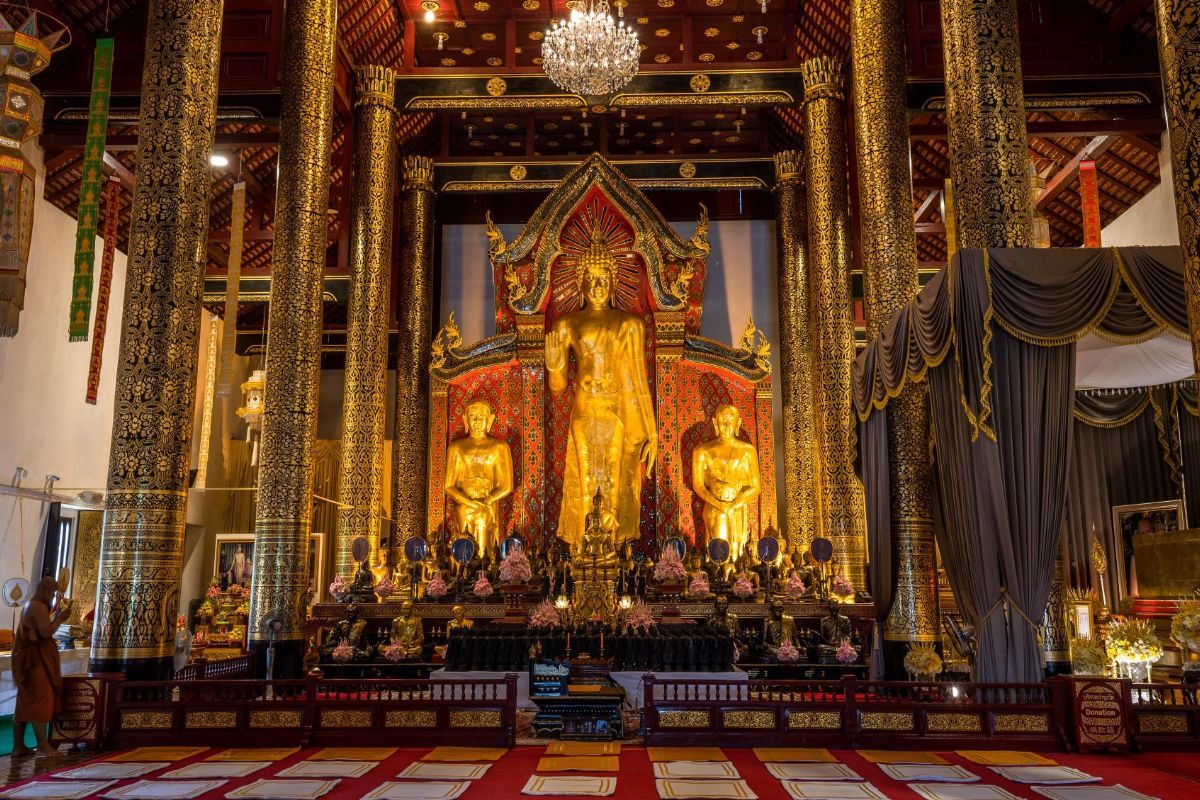
Thailand is moving to nominate Chiang Mai’s ancient Lanna capital for UNESCO World Heritage status, with seven iconic temples and the city’s historical layout forming the foundation.
Yesterday, December 16, Deputy Prime Minister and Minister of Natural Resources and Environment, Suchart Chomklin, and Minister of Culture Sabina Thaised chaired the fifth meeting of Thailand’s national committee on the protection of world heritage sites.
The committee, which includes representatives from the Ministry of Foreign Affairs and other agencies, approved the nomination titled “Chiang Mai: Capital of Lanna” for submission to UNESCO as a cultural World Heritage Site.
Chiang Mai has been on Thailand’s tentative World Heritage list since 2015. Officials now aim to fast-track the nomination to meet UNESCO’s January 30, 2026 deadline, which marks the final year that sites already on the list can submit a direct nomination without first completing a new two-year preliminary assessment.

Rawiwan Phuridej, Permanent Secretary of the Ministry of Natural Resources and Environment, said the nomination dossier has already been revised in line with feedback from the World Heritage Centre and is now ready for Cabinet approval. If approved in time, the dossier will be submitted to UNESCO within the current window, avoiding delays caused by the new rules.
The Chiang Mai nomination focuses on seven key temples that highlight Lanna civilisation’s architectural and cultural identity:
-
Wat Chiang Man – The oldest temple in Chiang Mai, founded by King Mangrai.
-
-
Wat Chedi Luang – Once home to the largest chedi (stupa) in the Lanna Kingdom.
-
Wat Phra Singh – Features artwork from multiple Lanna periods and houses the revered Phra Singh Buddha image.
-
Wat Suan Dok – Reflects links between Lanna, Sukhothai, and Bagan cultures; also serves as a royal cemetery for Northern nobility.
-
Wat Umong – Unique for its underground tunnel architecture, the only one of its kind in Thailand.
-
Wat Phra That Doi Suthep – A sacred site symbolising key Buddhist beliefs in Lanna tradition.
-
Wat Chet Yot – Inspired by Indian Buddhist architecture, it includes all seven great sacred sites (Sattamahasthana).


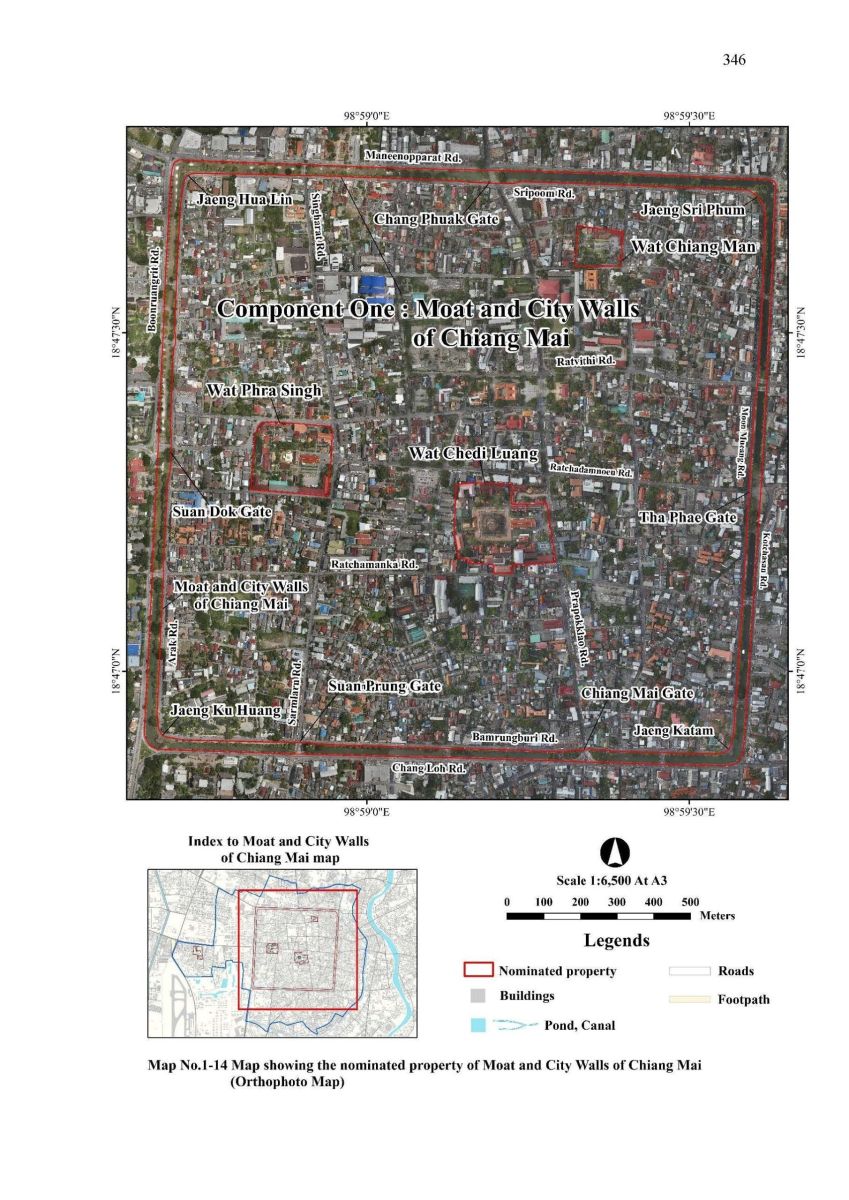
Also included in the nomination are Chiang Mai’s original square-shaped city layout, complete with preserved city walls and moats.
Former Fine Arts Department chief Bowornwet Rungreungkiat, part of the national heritage committee, noted that the Lanna-era structures not only enrich Thailand’s cultural map but also hold outstanding universal value (OUV) as defined by UNESCO.
Khaosod reported that officials hope the World Heritage designation will help preserve Chiang Mai’s Lanna identity and boost sustainable tourism, similar to what Sukhothai and Ayutthaya have achieved.
In related news, Chiang Mai is quickly transforming into a powerful new player in Thailand’s MICE (Meetings, Incentives, Conferences, and Exhibitions) tourism scene.
Latest Thailand News

























Follow The Thaiger on Google News: