Thai PM candidate defends sea prison plan amid ‘Azkaban’ mockery

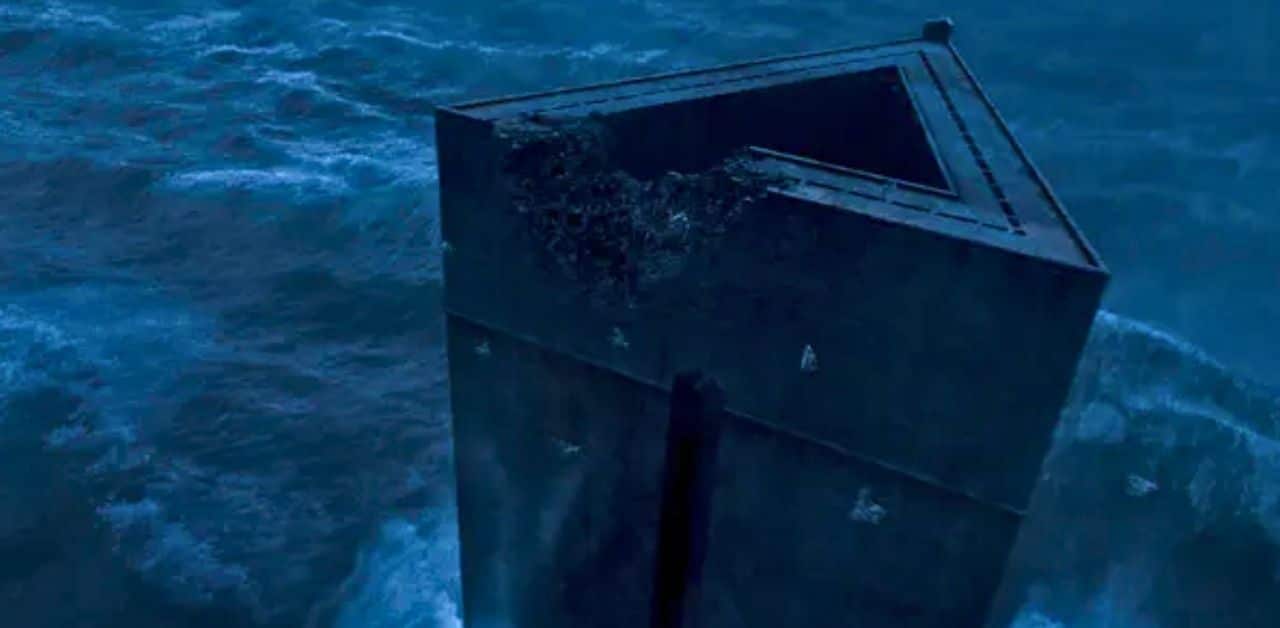
A prime ministerial candidate from the United Thai Nation Party (UTN) insisted that the party’s proposal to build a sea prison for influential criminals is not a fantasy, after online users mocked the idea and compared it to Azkaban prison from the Harry Potter series.
Following the dissolution of parliament on December 11, Thailand is now heading towards a General Election scheduled for Sunday, February 8. Voters will be invited to cast ballots for a new group of Members of Parliament, as well as take part in a referendum on a new constitution.
Political parties have since begun introducing their prime ministerial and MP candidates, while promoting key policies in an effort to gain public support.
One policy that quickly drew attention on social media was UTN’s proposal to build a sea prison. The party, also known by its Thai name Ruam Thai Sang Chart, saw one of its campaign billboards go viral online. The billboard message read…
“Stop fleeing drug suspects. Imprison them at oil rig in the middle of the sea.”

The message sparked widespread discussion, with many Thai netizens ridiculing the idea and comparing it to the fictional Azkaban prison featured in the Harry Potter franchise.
Following the backlash, UTN deputy leader and prime ministerial candidate Atavit Suwanpakdee came forward to clarify the policy.


Atavit said the sea prison concept is realistic and achievable, and has nothing to do with fantasy or fictional inspiration. He argued that existing land-based prisons are often unable to fully control the influence of certain inmates, particularly wealthy or powerful criminals.

He claimed some prisoners are still able to use mobile phones, order drugs, or even arrange sex workers from behind bars.
According to Atavit, a sea prison could address these problems by using nature as a barrier. He said the sea would naturally isolate inmates, cut off communication, and make the facility difficult to access or interfere with, reducing opportunities to smuggle illegal items into the prison.
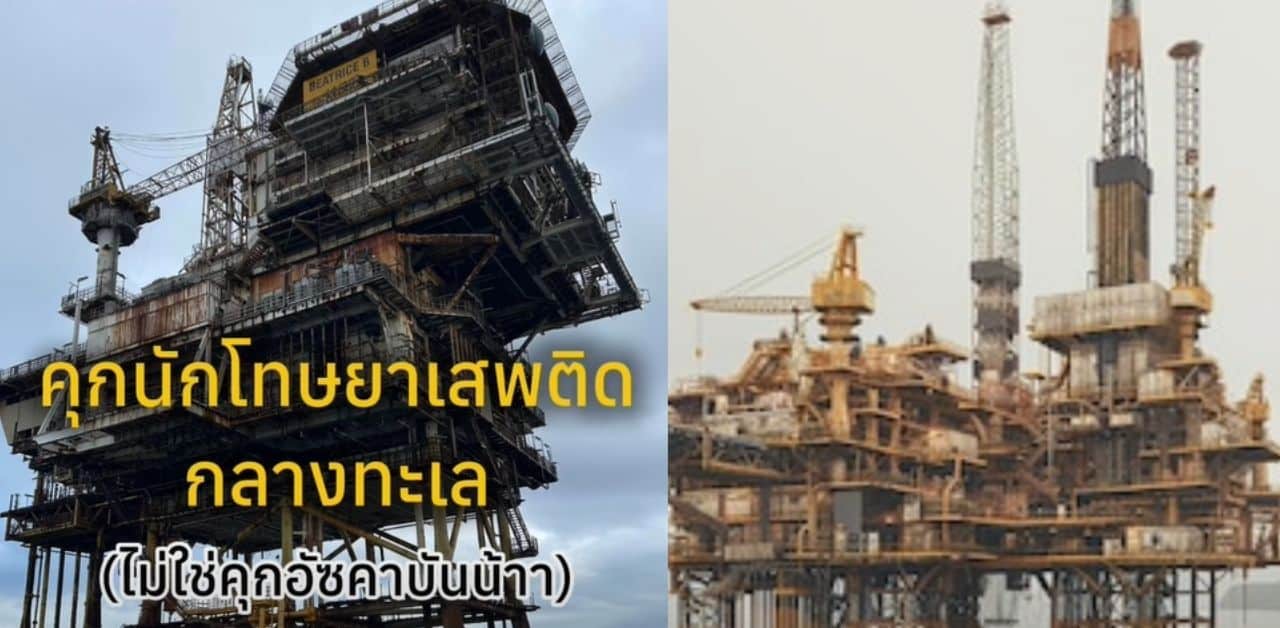
Atavit also stressed that the policy reflects efficient use of existing resources. He explained that abandoned oil rigs in the Gulf of Thailand, whose concessions have expired and which were originally built with investments worth billions of baht, could be renovated and converted into high-security prisons.
He reiterated that the sea prison proposal is not an unrealistic idea and insisted that UTN could begin the project immediately if the party forms the next government.
Latest Thailand News

























Follow The Thaiger on Google News: