BTS accused of bias in Rabbit Card seizure from Myanmar man

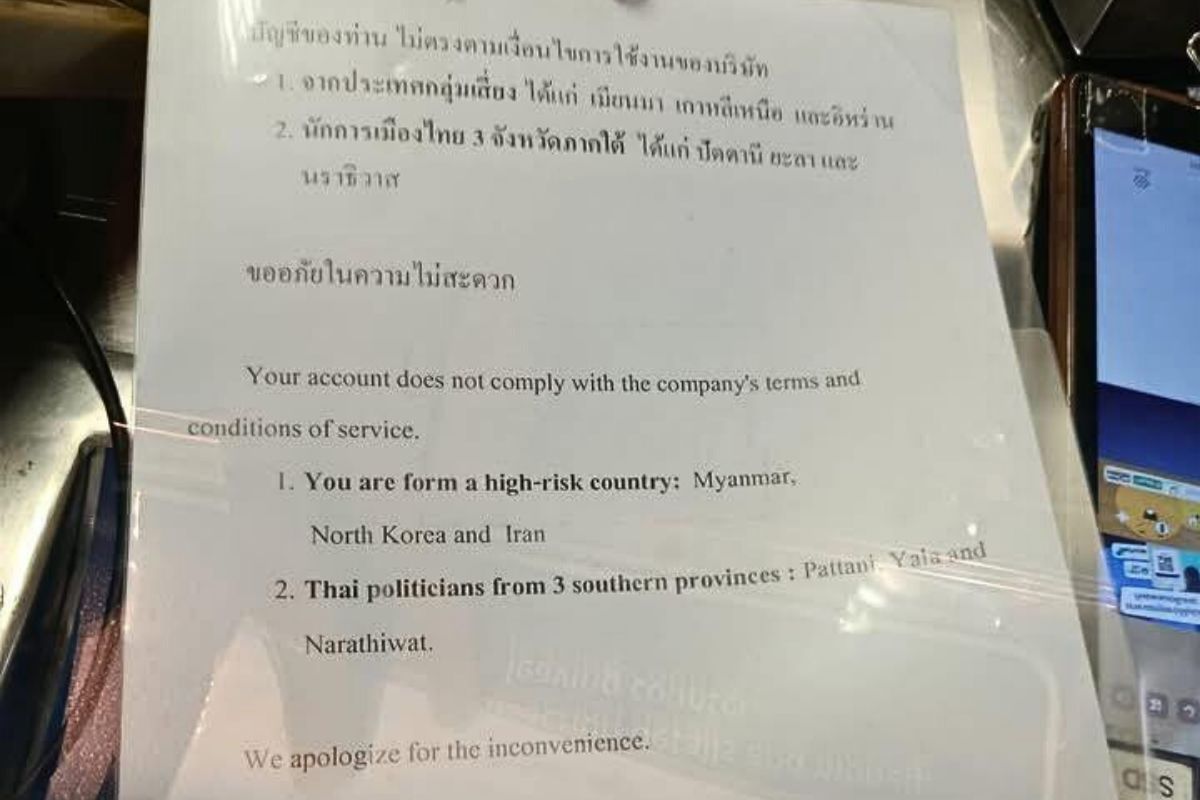
A Myanmar man said his Rabbit Card was confiscated at a BTS station in Bangkok after staff saw his passport, resulting in online criticism over what he called a discriminatory policy targeting people from high-risk countries.
On December 30, Zaw Htun Lat, who has used the Rabbit Card for years to commute in the Thai capital, shared the incident on Facebook, explaining that after he presented his passport, BTS staff blocked and seized his card. He was told the confiscation was due to a change in terms and conditions, and that he would receive a refund of the remaining balance within a week.
BTS staff reportedly advised him to use single-trip tickets instead, which he said defeats the convenience of holding a Rabbit Card. After speaking with others, he discovered that multiple Myanmar citizens had faced the same issue.
Zaw questioned the logic of the change, pointing out that foreigners from so-called high-risk countries, reportedly people from Myanmar, North Korea, and Iran, as well as politicians from Pattani, Yala, and Narathiwat provinces, could still use single or day passes but not the Rabbit Card.
He wrote that the situation felt completely unreasonable and questioned why, if the policy was truly about security, passengers from high-risk countries were still allowed to use the BTS with single tickets. He added that the change only makes things more inconvenient for them.
In response, BTS issued a statement clarifying that the Rabbit Card is a form of electronic money, and users are legally required to verify and update their identity information (KYC or Know Your Customer) as part of financial regulations. The company said the policy applies to all users and denied any discrimination based on nationality or background.
Both Thai and foreign passengers can update their KYC information at BTS ticket offices across all stations.


In similar news, Thai police officers raised concerns over safety measures on Bangkok’s BTS Skytrain system after being barred from carrying firearms while using the service. The issue came to public attention after it was shared on social media by a Thai national serving with the Los Angeles Police Department (LAPD), Worraphop “Mark” Yunkiat.
Latest Thailand News
























Follow The Thaiger on Google News: