Wild elephant’s cause of death revealed, public demands justice

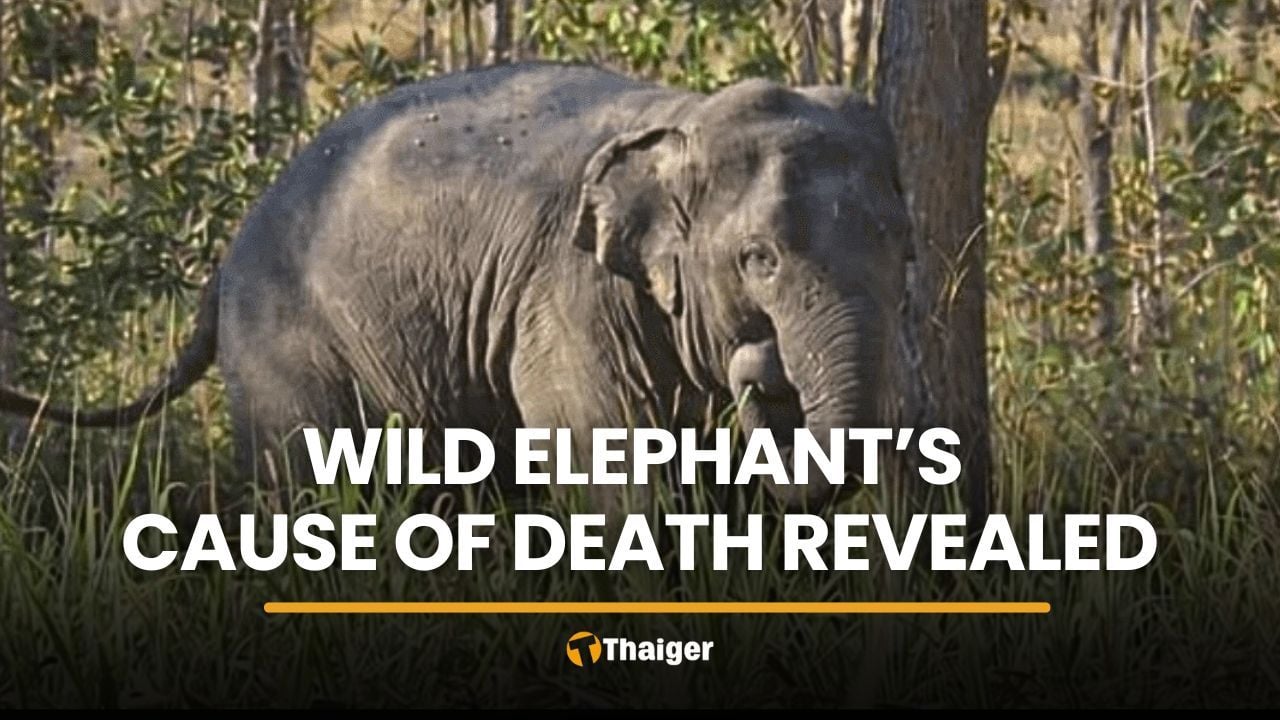
Public anger is mounting after a wild elephant named Phlai Sidor Hoo Phap died during a relocation attempt in northeastern Thailand on February 3. The animal collapsed en route from Khon Kaen to Loei, and the public is calling for accountability from officials.
Around 10 kilometres into the journey, Phlai Sidor Hoo Phap collapsed, shortly after being sedated by a team from the Department of National Parks, Wildlife and Plant Conservation (DNP).
Officials have since launched an internal investigation into the incident, while critics and animal rights advocates continue to question the department’s handling of the case.
Despite stating that preparations followed international standards, including appropriate anaesthesia dosage and real-time monitoring of vital signs, DNP officials noted that the elephant entered sudden physiological distress en route.
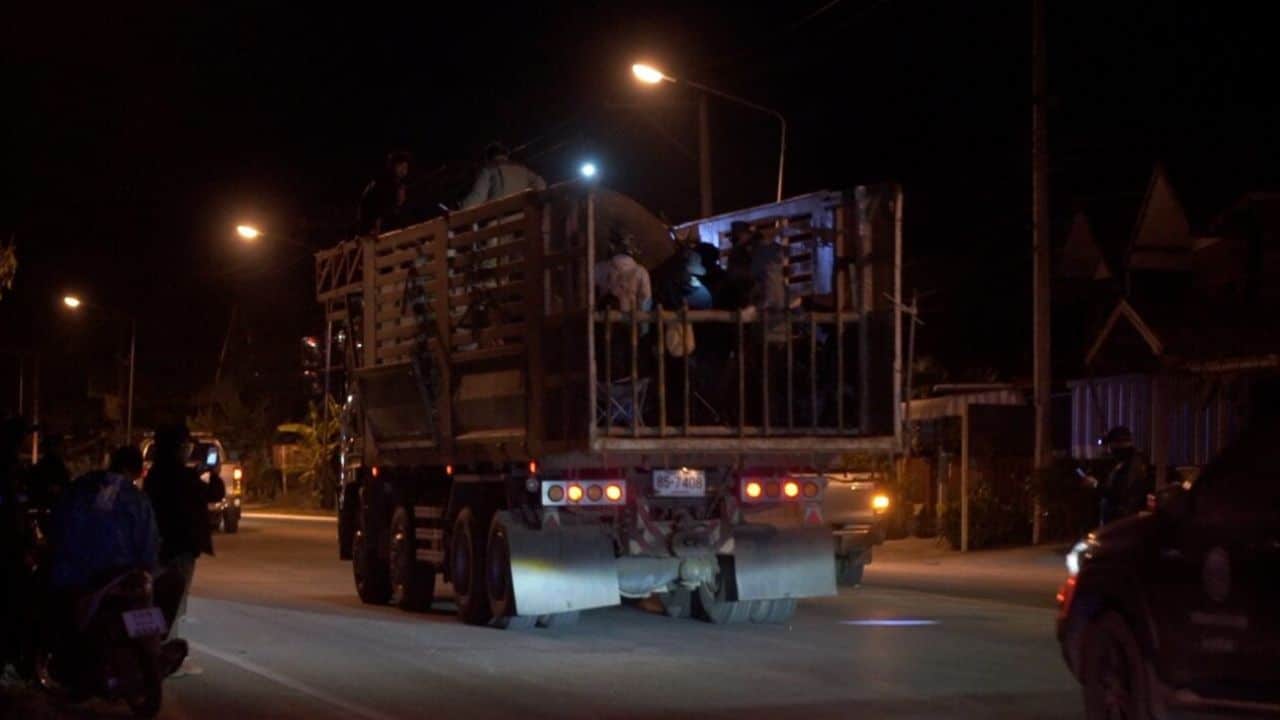
Emergency procedures were attempted, including airway clearance and IV fluid administration, but the elephant could not be revived.
A preliminary assessment suggested food aspiration as a possible cause of death. However, a full autopsy has now been conducted by a veterinary team led by specialists from Khao Soi Dao Wildlife Breeding Station and the Wildlife Conservation Office in Khon Kaen.
The team found food remnants in the mouth, frothy foam in the trachea, signs of cardiovascular and gastrointestinal bleeding, pale organs, fatty deposits around the testicles, and an excessive amount of food, including sugarcane and cassava, in the digestive tract.


Multiple sources confirmed that the initial diagnosis pointed to respiratory failure caused by choking on food, with the condition made worse by acute capture myopathy, a life-threatening condition linked to extreme stress during capture or transport.
Capture myopathy is a fatal condition that occurs in wild or domestic animals subjected to extreme stress during events like capture or transportation. When an animal panics or struggles intensely, its muscles can overexert, leading to rapid breakdown.
Former deputy education minister Kanchana Silpa-archa criticised the department’s explanation as lacking transparency, noting that researchers had estimated the elephant’s age at around 10, not 15 to 20 as the department claimed.
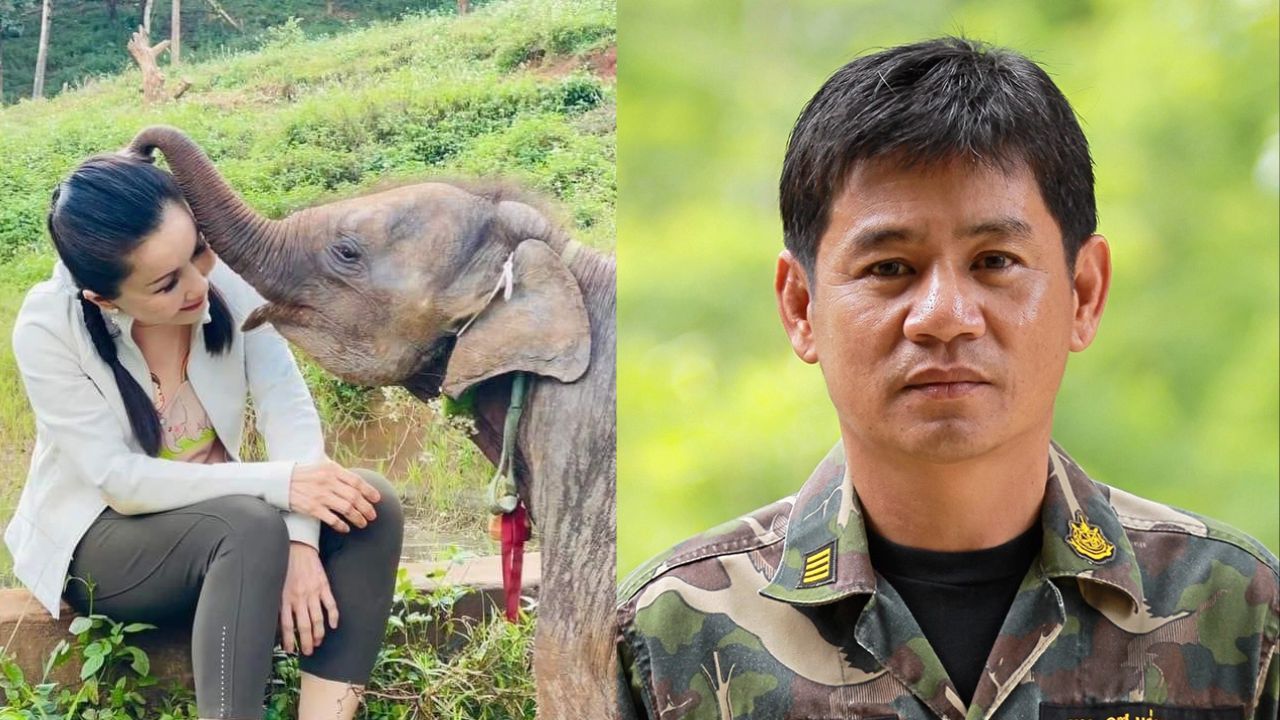
She also accused officials of trying to portray the elephant as inherently dangerous, referencing the claims that it had been involved in fatal encounters with humans. Kanchana argued that such framing was unfair and lacking important context.
She added that sedating an animal while it was still chewing sugarcane showed a lack of proper preparation and may have directly contributed to its death.
Chaiwat Limlikitaksorn, former director of the National Parks of Thailand, also condemned the relocation process, saying the death reflected systemic flaws. He stressed that an elephant’s life should not be treated like moving a vehicle or confiscated goods, urging authorities to re-evaluate their protocols for future transfers.
Public reaction has been swift. Conservation supporters and the public launched a campaign via Google Forms, calling for a thorough investigation and a comprehensive review of wildlife relocation practices.
Organisers of the campaign insisted that Phlai Sidor Hoo Phap was not inherently violent, but a young wild elephant still learning to navigate life in its natural habitat.
Latest Thailand News

























Follow The Thaiger on Google News: