New ‘Republic of Kawthoolei’ announced at Thai-Myanmar border

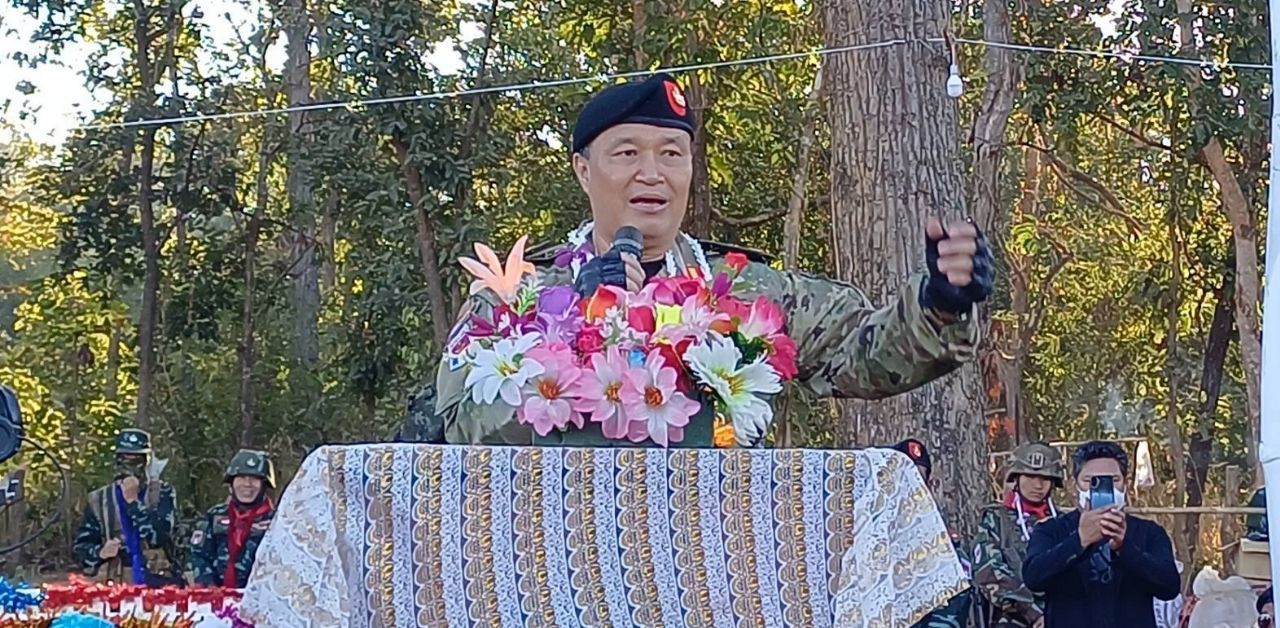
The son of a former leader of the Karen National Union (KNU) declared independence and announced the establishment of the Republic of Kawthoolei, a self-proclaimed state located along the Thai–Myanmar border.
Nerdah Mya, the son of former KNU leader Bo Mya, introduced himself as the first president of the Republic of Kawthoolei, meaning “the land without darkness” in Karen, on Monday, January 5. He also announced the formation of a governing body known as the Government of Kawthoolei (GOK).
In his declaration, Nerdah cited international legal principles, including the Universal Declaration of Human Rights, the International Covenant on Civil and Political Rights (ICCPR), and the International Covenant on Economic, Social and Cultural Rights (ICESCR), as the basis for establishing the new state.
While the GOK has not officially defined its territorial boundaries, PPTV HD reported that the proposed state is expected to encompass parts of southeastern Myanmar, including areas of Karen State, Mon State, the Tanintharyi (Tenasserim) region, the Bago region, and the Ayeyarwady region.
These areas run along Thailand’s western border, neighbouring several Thai provinces including Tak, Kanchanaburi, Ratchaburi, Phetchaburi, Prachuap Khiri Khan, Chumphon, and Ranong.
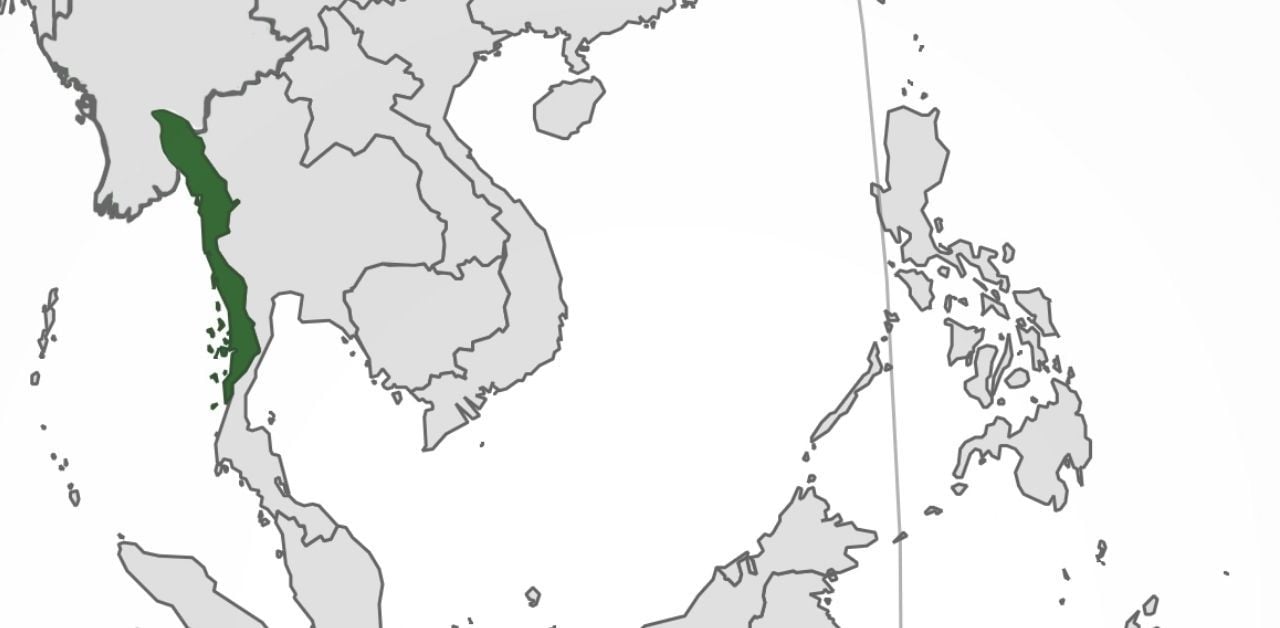
According to the GOK, the proposed political system of Kawthoolei will be democratic, with a free-market economic structure. The new administration said it intends to uphold international conventions promoting peace and cooperation and has called on the international community for support.
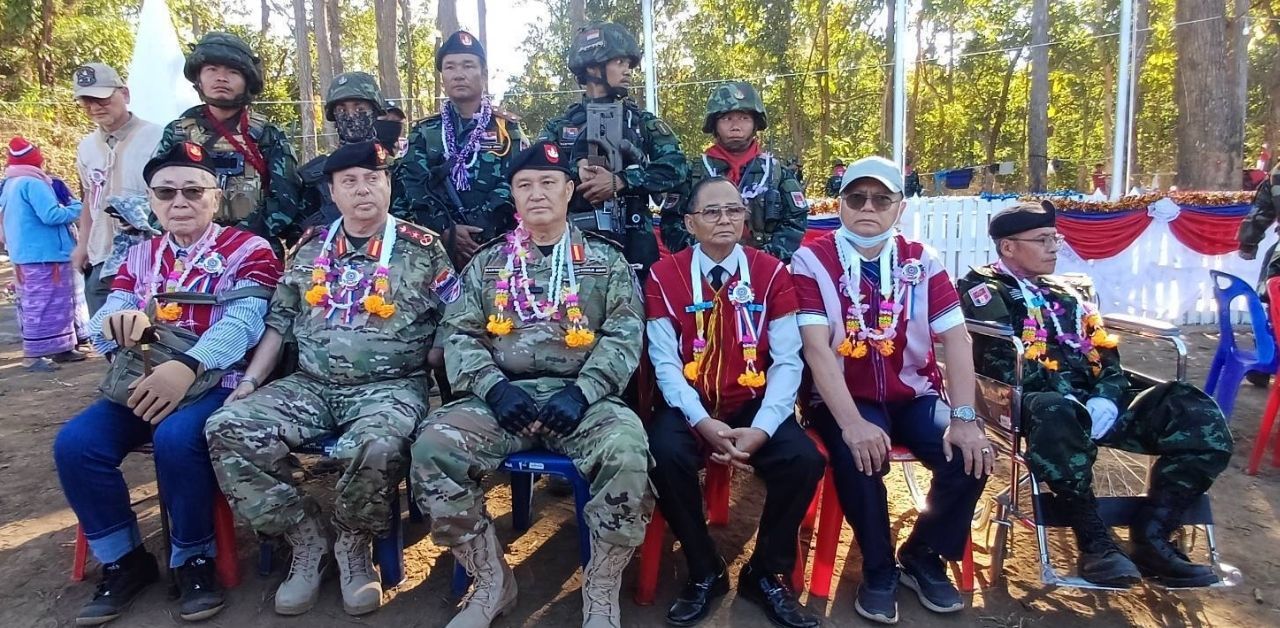
The declaration was made at U Kyaw Kyi camp in Chukaly township, Walay district, Myawaddy, Karen State, Myanmar. More than 400 people reportedly attended the event, including founding members of the new state, military personnel, and local residents.


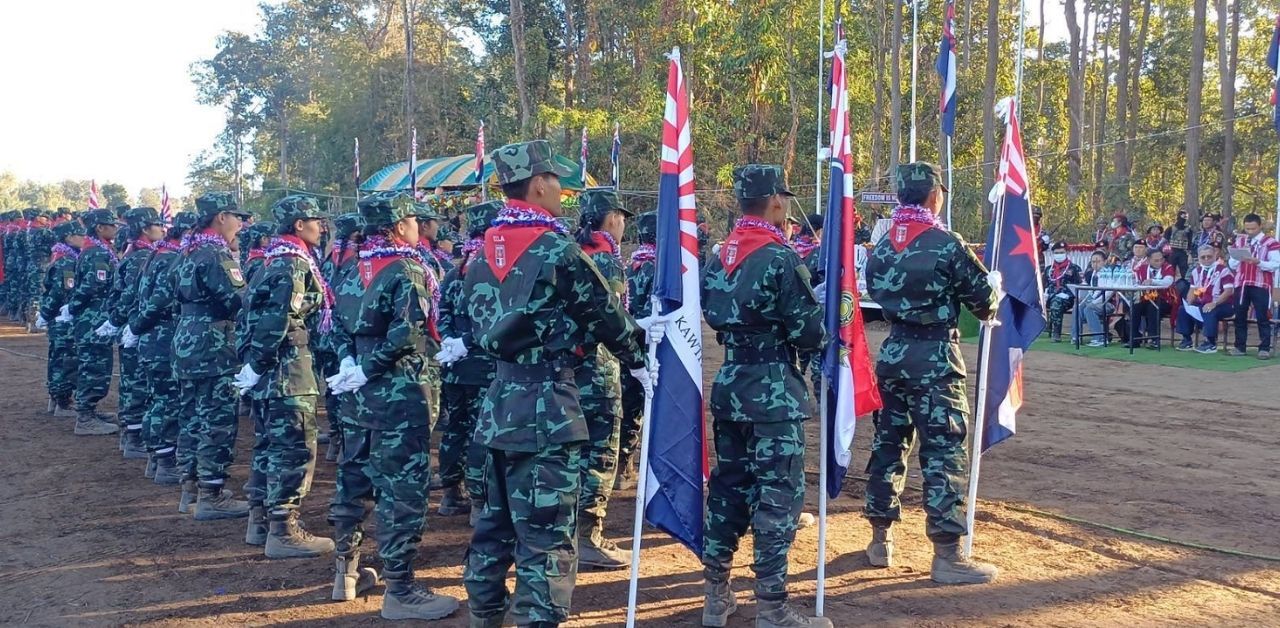
A report by The Matter said the GOK also outlined initial policies, including issuing national identity cards for Karen people, holding parliamentary elections every four years, and establishing formal structures for governance and national administration.
However, it remains unclear whether Kawthoolei can be considered a new sovereign state under international law. The Matter cited the Montevideo Convention, which outlines four criteria for statehood as a permanent population, defined territory, a government, and the capacity to enter into relations with other states.
The convention states that a state’s existence depends on meeting these criteria, not on recognition by other countries.
For now, the declaration has drawn particular attention in Thailand due to the shared border areas. While no formal responses have yet been issued, the emergence of Kawthoolei has drawn growing attention beyond the region, with the movement now under the watch of the international community.
Latest Thailand News




















Follow The Thaiger on Google News: