Understanding Myanmar’s civil war next door: 70 years of conflict, the Kawthoolei Republic, and how it affects Thailand

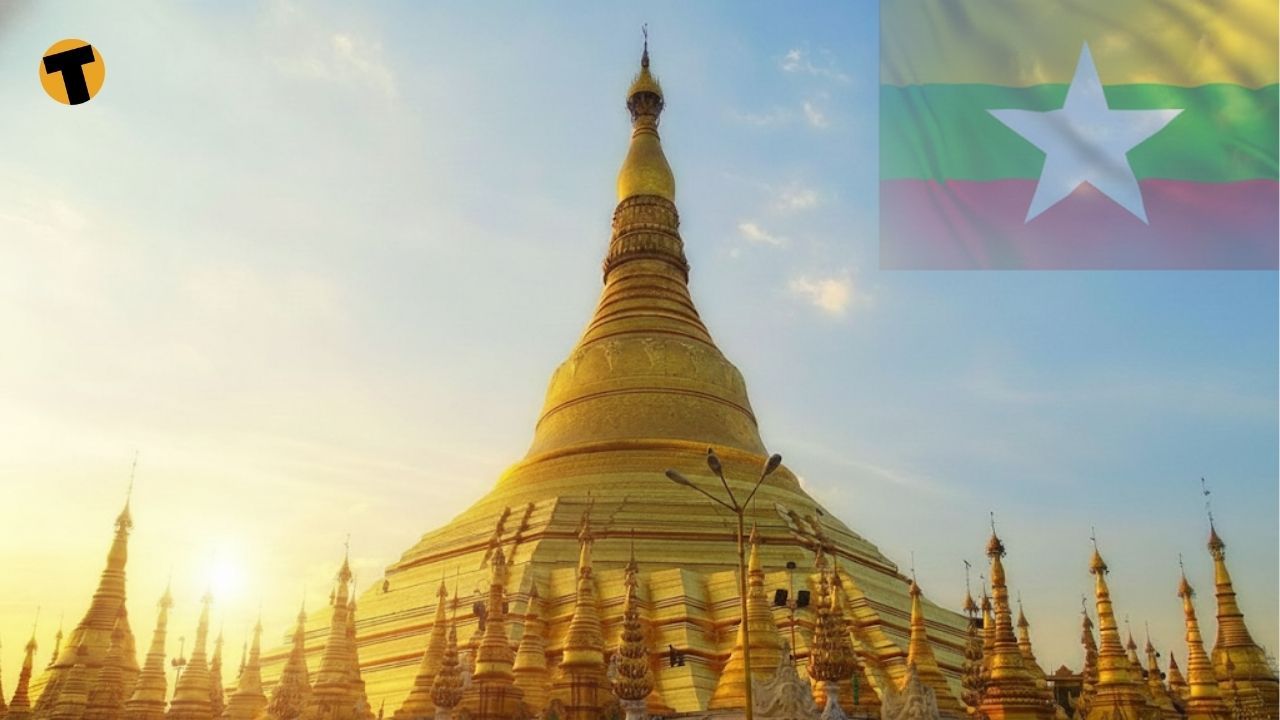
Myanmar has been at war with itself for over 70 years, making it the world’s longest-running civil war. This article explains why the fighting never ends, what drives seven decades of unresolved grievances, and what the newly declared Kawthoolei Republic means, as well as offering essential context for those living in Thailand along the shared border.
On this page
| Section (Click to jump) | Short Summary |
|---|---|
| The roots of Myanmar’s fractures | Myanmar’s internal divisions began under British rule, which grouped diverse ethnic regions into one state and fostered long-term mistrust. |
| The Panglong Agreement | The 1947 Panglong Agreement briefly united ethnic groups under promises of autonomy that were later abandoned, triggering armed resistance. |
| Military dictatorship under Ne Win | Decades of military rule isolated the country, devastated the economy, and entrenched violent control over ethnic regions. |
| 8888 and Aung San Suu Kyi | The 1988 uprising brought democratic hope through Aung San Suu Kyi, which the military crushed by force and prolonged detention. |
| Partial democracy and the Rohingya crisis | A limited democratic transition failed to curb military power and became overshadowed by the Rohingya humanitarian disaster. |
| The 2021 coup | The coup shattered Myanmar’s fragile political balance and sparked nationwide armed resistance involving ordinary civilians. |
| Why is the conflict so intense? | Fighting has spread across the country as the military loses ground and relies increasingly on airstrikes and repression. |
| The real cause of fragmentation | Centralised military control, resource exploitation, and enforced identity have prevented genuine unity for decades. |
| The Kawthoolei Republic | The declaration reflects Karen’s frustration with failed federal promises and growing divisions within the resistance itself. |
| How does this affect Thailand? | Thailand has been affected by security incidents, refugee pressure, criminal networks, and trade disruption along its Myanmar border. |
The roots of Myanmar’s fractures: A legacy of colonial rule
Before the Second World War, the territory that is now Myanmar was not a unified country, as shown on today’s maps. It consisted of Burmese kingdoms alongside autonomous areas inhabited by ethnic groups such as the Shan, Karen, Kachin, and many others. These minority groups were not naturally united into a single political entity.
When Britain colonised Burma in the late 19th century, it applied a divide-and-rule policy that became a major source of long-term resentment. The British favoured ethnic minorities over the ethnic Burman majority, recruiting them into the military and civil service to govern and control the Burman population. This created deep-seated hostility.
Many Burmans came to see ethnic minorities as tools of the colonial rulers, while minorities viewed the British as protectors of their rights against Burman dominance.


The Panglong Agreement
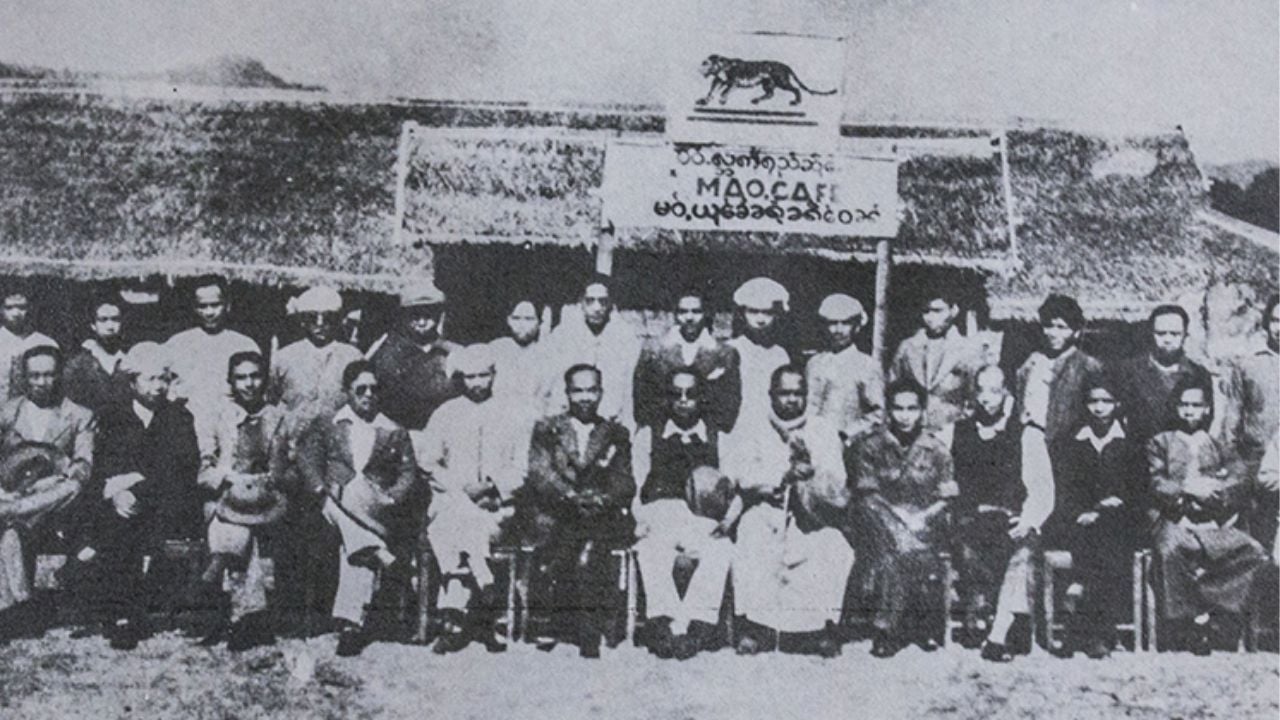
After the Second World War, the Burmese independence movement, led by General Aung San, sought independence from Britain. A key condition was that Burma had to unite the territories of ethnic minorities into a single country first.
Aware that trust was essential, Aung San travelled to Panglong to negotiate with minority leaders, resulting in the Panglong Agreement in 1947. All ethnic groups agreed to form the Union of Burma to seek independence. The central government promised autonomy for ethnic states, with a provision allowing them to secede after ten years if they were dissatisfied.
This became one of the darkest turning points in Myanmar’s history. Just months before independence, Aung San was assassinated. The new leadership abandoned the spirit of the Panglong Agreement, pursuing centralisation, suppressing minority cultures, and rejecting the right to secede.
Feeling betrayed, ethnic groups took up arms. The Karen National Union (KNU) was among the first to fight in Myanmar, followed by others, triggering what became the world’s longest-running civil war.
Military dictatorship and isolation under the Ne Win regime
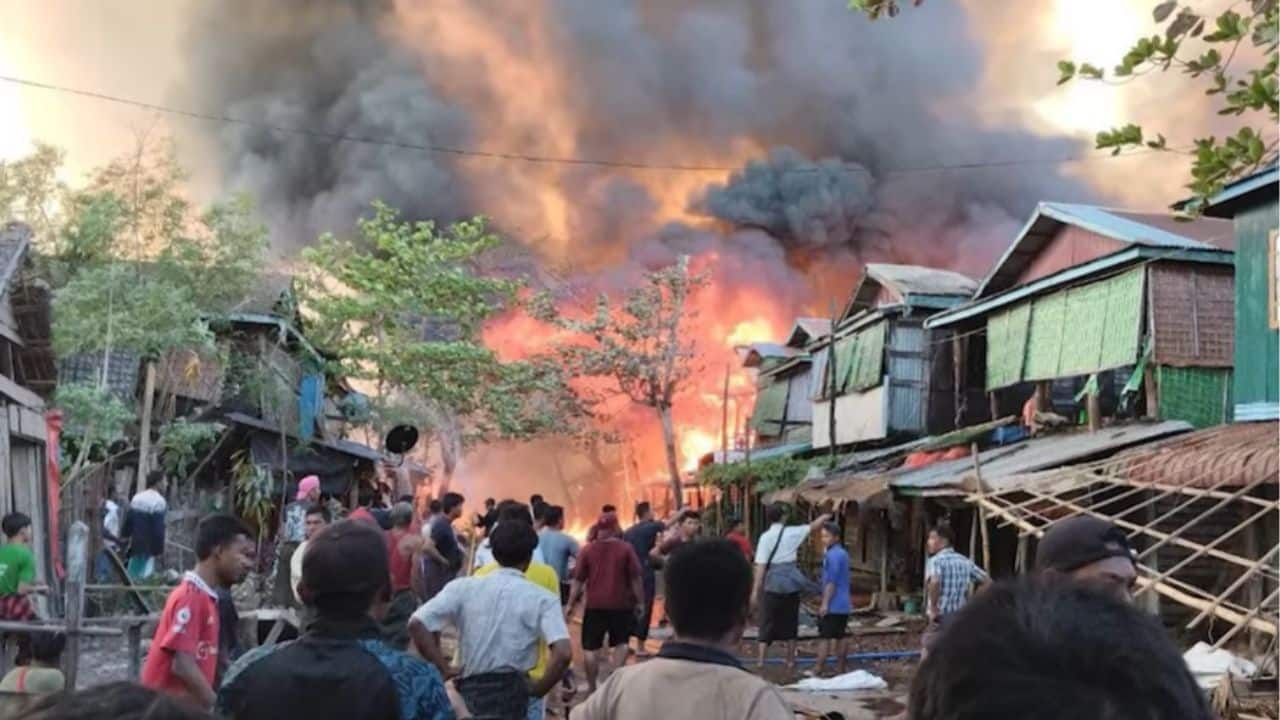
Ongoing conflict with ethnic minorities gave the military an excuse to seize power. In 1962, General Ne Win led a coup, plunging the country into decades of isolation under the “Burmese Way to Socialism.”
The result was economic collapse. A resource-rich country became one of Southeast Asia’s poorest. Myanmar was sealed off from the world and ruled with an iron fist. The Burmese military, known as the Tatmadaw, positioned itself as an untouchable institution, promoting the belief that without the army, the country would disintegrate.
During this era, the military employed brutal counter-insurgency tactics known as the Four Cuts: cutting food, funding, information, and recruits.
Civilian villages were deliberately targeted to prevent support for armed groups.
8888 and the rise of Aung San Suu Kyi
Public pressure exploded on August 8, 1988, in what became known as the 8888 Uprising. Hundreds of thousands protested against the dictatorship and hunger. The military responded with live fire, killing vast numbers of demonstrators.
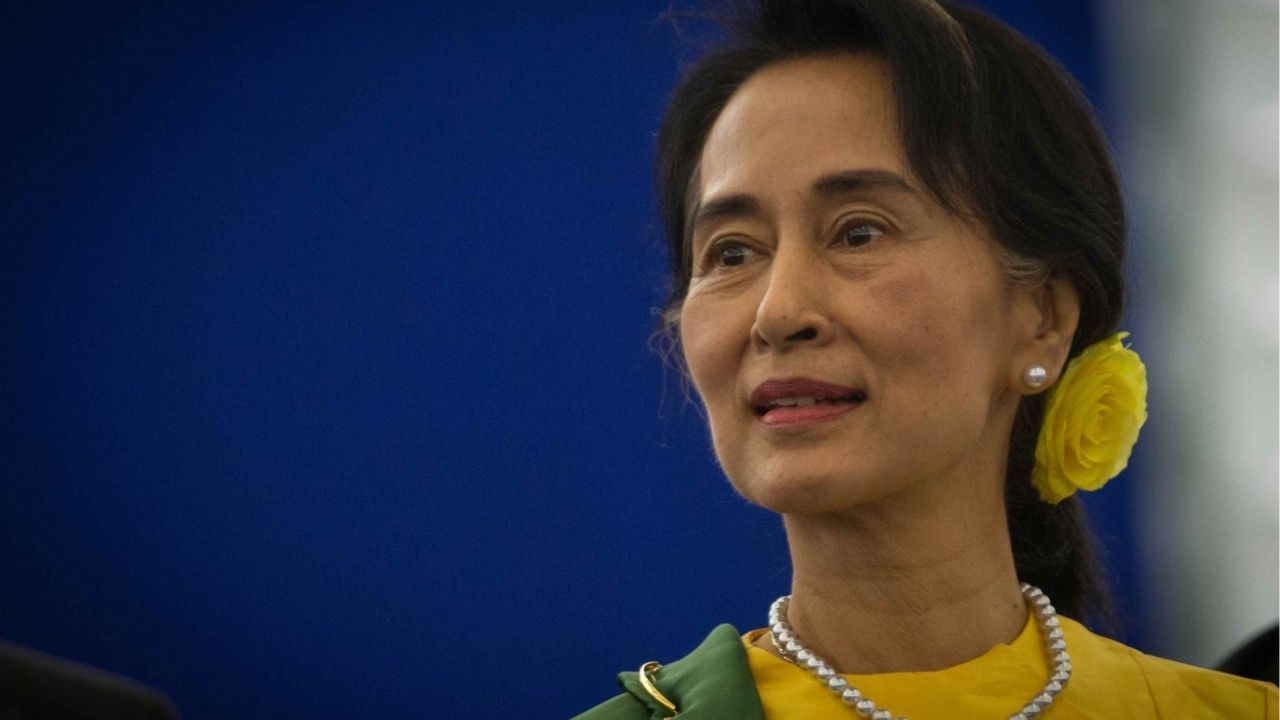
At this moment, Aung San Suu Kyi, daughter of Aung San, returned to care for her ill mother and emerged as a symbol of democratic hope. She co-founded the NLD and won a landslide election victory in 1990.
The military refused to recognise the results, nullified the vote, and placed Suu Kyi under house arrest for nearly 20 years. Myanmar was again isolated under international sanctions.
Partial democracy and the Rohingya crisis
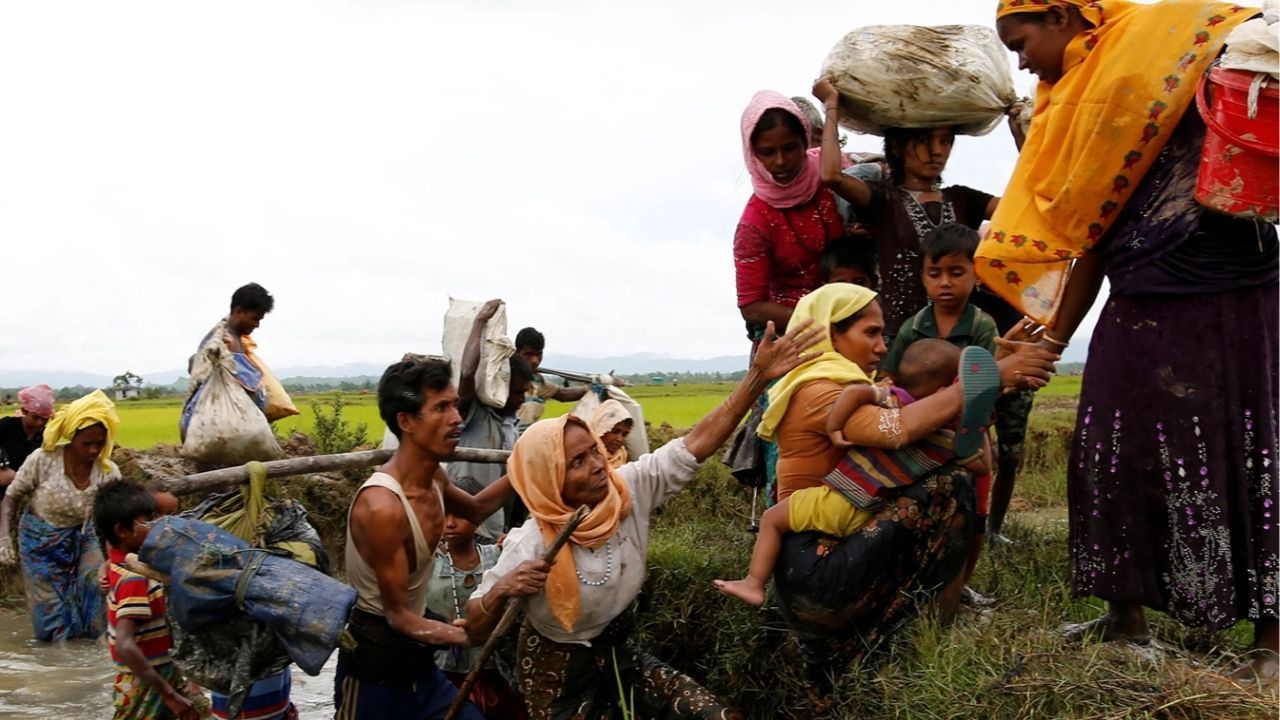
Over time, the military realised it could not remain closed forever if it wanted investment. It initiated a controlled transition, drafting the 2008 Constitution, which guaranteed the military 25% of parliamentary seats, giving it permanent veto power over constitutional change.
In 2015, Suu Kyi’s NLD won another election and formed Myanmar’s first civilian government. Hope returned, but real power remained with the military. While Suu Kyi oversaw economic and education policy, key ministries such as defence, home affairs, and border affairs stayed under military control.
The Rohingya crisis marred this period. The military launched operations against Rohingya Muslims in Rakhine State, forcing more than 700,000 people to flee. Suu Kyi defended the military internationally to maintain domestic political balance, which ultimately cost her global support, while tensions with the army persisted as she sought constitutional reform.
The 2021 coup
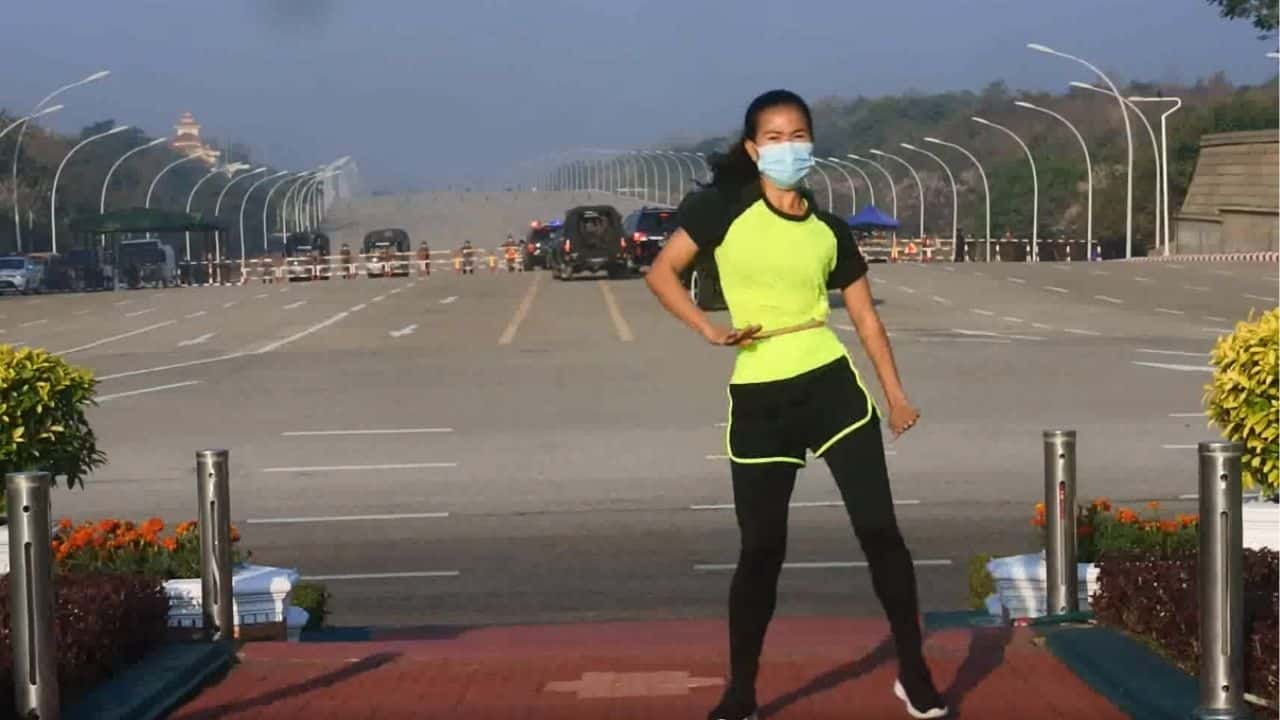
In the 2020 election, the NLD won by an even larger margin. The military, led by Senior General Min Aung Hlaing, claimed electoral fraud and staged a coup on February 1, 2021.
This time, the calculation failed. A generation raised with the internet and a decade of relative freedom refused to submit, and when peaceful protests were met with bullets, ordinary citizens, including doctors, teachers, engineers, and students, fled to the jungle and formed the People’s Defence Force (PDF).
For the first time, Burman civilians joined forces with ethnic armed organisations such as the Karen (KNU) and Kachin (KIA), uniting against a common enemy in this civil war: the Myanmar military.
Why is the conflict now so intense and prolonged?
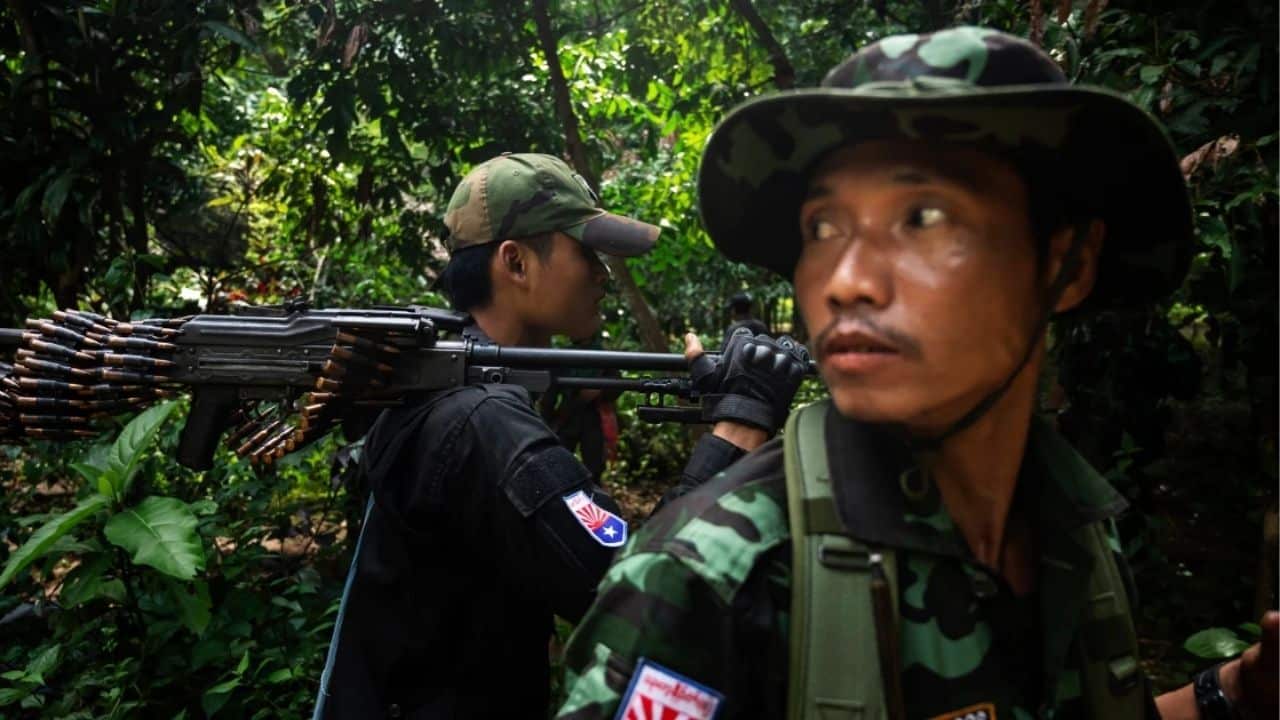
The civil war is no longer confined to border regions in Myanmar. Fighting has spread nationwide, including Burman-majority urban centres.
The military is suffering severe losses, facing manpower shortages and forced conscription. It has lost a key strategic territory. In late 2023, the Three Brotherhood Alliance launched coordinated attacks, capturing multiple economic hubs along the Chinese border, demonstrating that the Tatmadaw can be defeated.
Unable to win on the ground, the military has relied on airstrikes, bombing villages, schools, and hospitals to instil fear.
The real cause of Myanmar’s fragmentation
At its core, Myanmar’s civil war stems from a failed nation-building process. The military monopolised power and resources such as jade, natural gas, and teak, enriching generals and allies while excluding local communities.
Efforts to impose a single Burman identity, language, and religion suppressed ethnic identities. Coups led to resistance, resistance to repression, and repression to generational hatred.
Today, Myanmar is in its most painful transition. The resistance seeks not just to remove the military, but to dismantle its structure and rebuild the country as a federal system granting equal rights to all ethnicities, something envisioned but never realised under the Panglong Agreement.
The Kawthoolei Republic
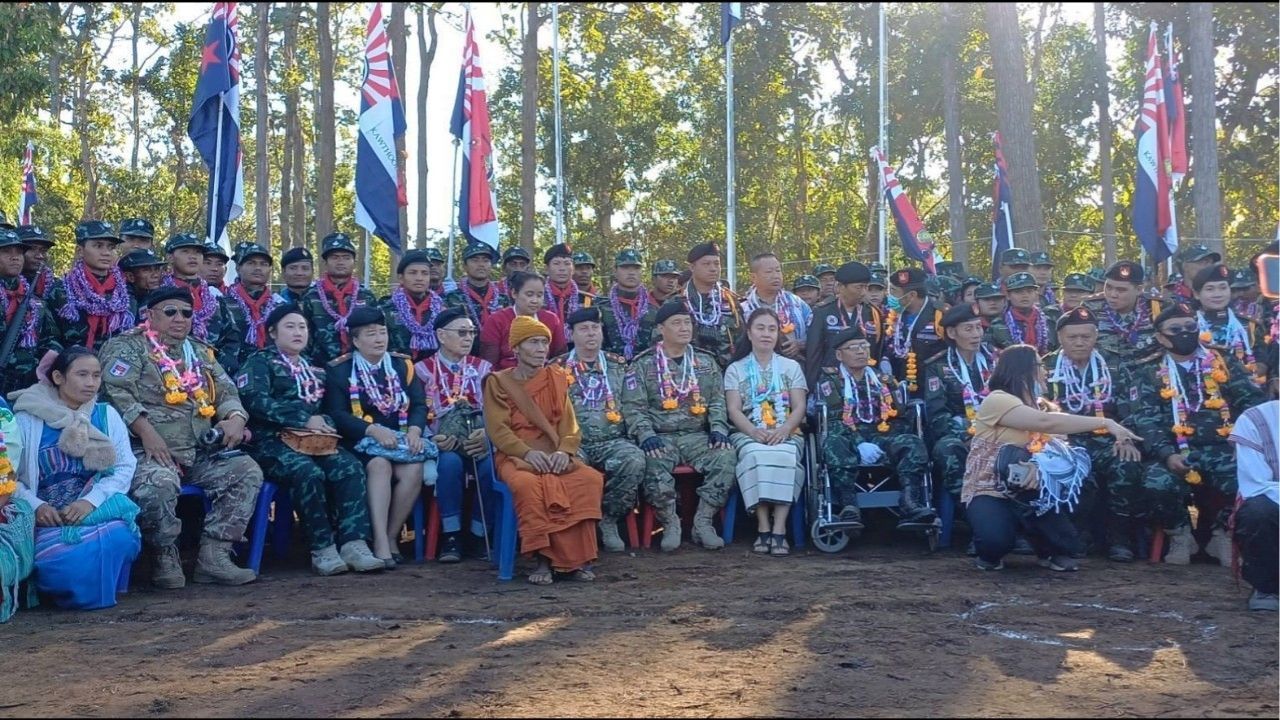
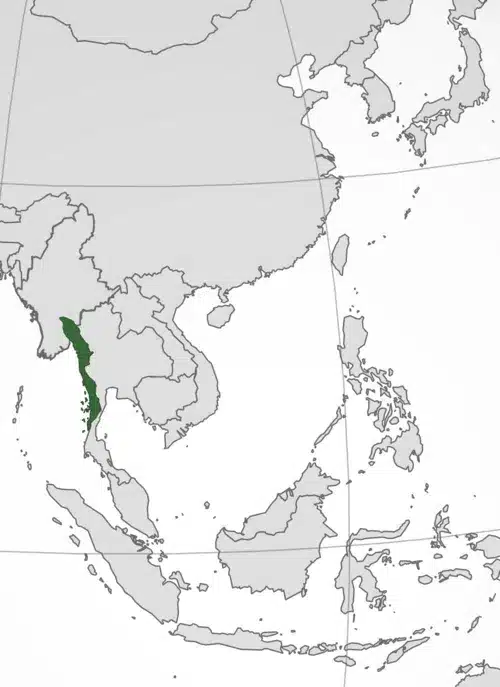
On January 7, 2026, the establishment of the Kawthoolei Republic was declared within Myanmar, without recognition from the military.
Kawthoolei refers to the Karen homeland. While Burmese historical narratives call the area Karen State, Karen collective memory identifies it as Kawthoolei, meaning “land without darkness” or a pure and prosperous land. It represents the Karen people’s long-held aspiration for self-rule since the British withdrawal.
For over 70 years, ethnic struggles focused on achieving federalism within Myanmar. However, General Nerdah Mya of the KTLA, a splinter group from the KNU, declared Kawthoolei an independent republic, reflecting two realities.
First, for this faction, the Panglong Agreement and promises from the Myanmar state are no longer credible. They see no future coexistence within a single country.
Second, it highlights internal divisions within the resistance. The main Karen organisation, the KNU, continues to support a federal solution and does not recognise the declaration. This underlines the complexity of Myanmar’s war, which is not only between the military and minorities, but also involves ideological conflicts within ethnic movements themselves.
The emergence of the Kawthoolei Republic in today’s headlines is evidence that the legacy of colonial divide-and-rule, combined with decades of military repression, has inflicted wounds so deep that the idea of a unified Myanmar feels unattainable for some ethnic groups. Until Kawthoolei sees the peace its name promises, stability in the region remains a distant hope.
How does this affect Thailand?
Security and humanitarian pressure
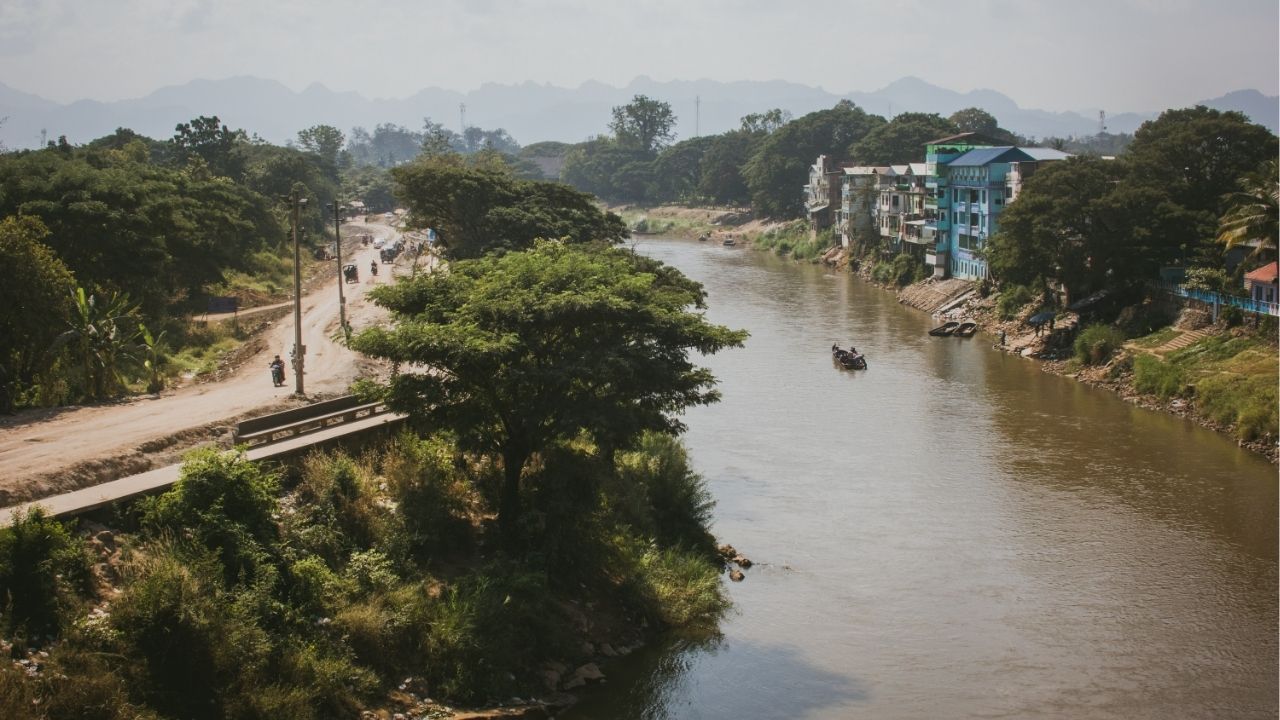
Thailand shares a 2,416-kilometre border with Myanmar, and the civil war has transformed this frontier into a crisis zone. In December 2025, fighting reached Thai soil when mortar rounds struck Mae Kon Ken village in Tak Province, damaging homes and forcing a school to close after stray bullets landed on the grounds.
The security challenge extends beyond isolated incidents. Thailand simultaneously faces border tensions with Cambodia, stretching resources across two fronts. This vacuum has been exploited by criminal networks operating the “Scam Archipelago,” industrial-scale online fraud compounds along the Moei River.
Despite raids on KK Park and Shwe Kokko, operations persist. When Thai authorities cut electricity to Shwe Kokko, syndicates imported diesel generators and Starlink terminals. Thai citizens are the primary scam victims, with many trafficked into compounds as forced labour.
The humanitarian burden is equally severe. When US aid to Myanmar dropped 92%, from US$237.6 million to US$17.6 million in 2025, refugee camps lost critical support. Hospitals in Mae La camp closed, and food rations were slashed. With 16.2 million people needing assistance but only 4.9 million targeted, Thailand faces displacement pressure it cannot manage on its current 300-500 million baht annual border budget.
Economic disruption
The civil war has severed economic connections between Thailand and Myanmar. In August 2025, the junta closed the Myawaddy crossing, handling 40% of border trade, causing a 39% trade contraction and stranding 400+ trucks. Thai exporters now lose approximately 5.6 billion baht monthly, forcing costly reroutes through sea or northern crossings.
The breakdown extends to labour markets. Myanmar’s junta requires migrants to remit 25% of earnings through military banks and enforces double taxation. Most refuse, driving the economy underground. Thailand requires workers to verify their nationality with Myanmar’s embassy for work permit renewal, but workers fear approaching the junta means extortion or forced conscription.
Result: surging undocumented workers. In Mae Hong Son, undocumented populations exceed official registers by 5.3 times; in Tak, by 3.2 times.
For expats and residents, Myanmar’s conflict matters because its effects don’t stop at the border. The fragmentation has created permanent instability with refugee flows, crime networks, trade disruption, and security incidents.
Latest Thailand News




















Follow The Thaiger on Google News: