10 things you absolutely cannot bring into Thailand
The most absolutely restricted things with one twist item that requires permission

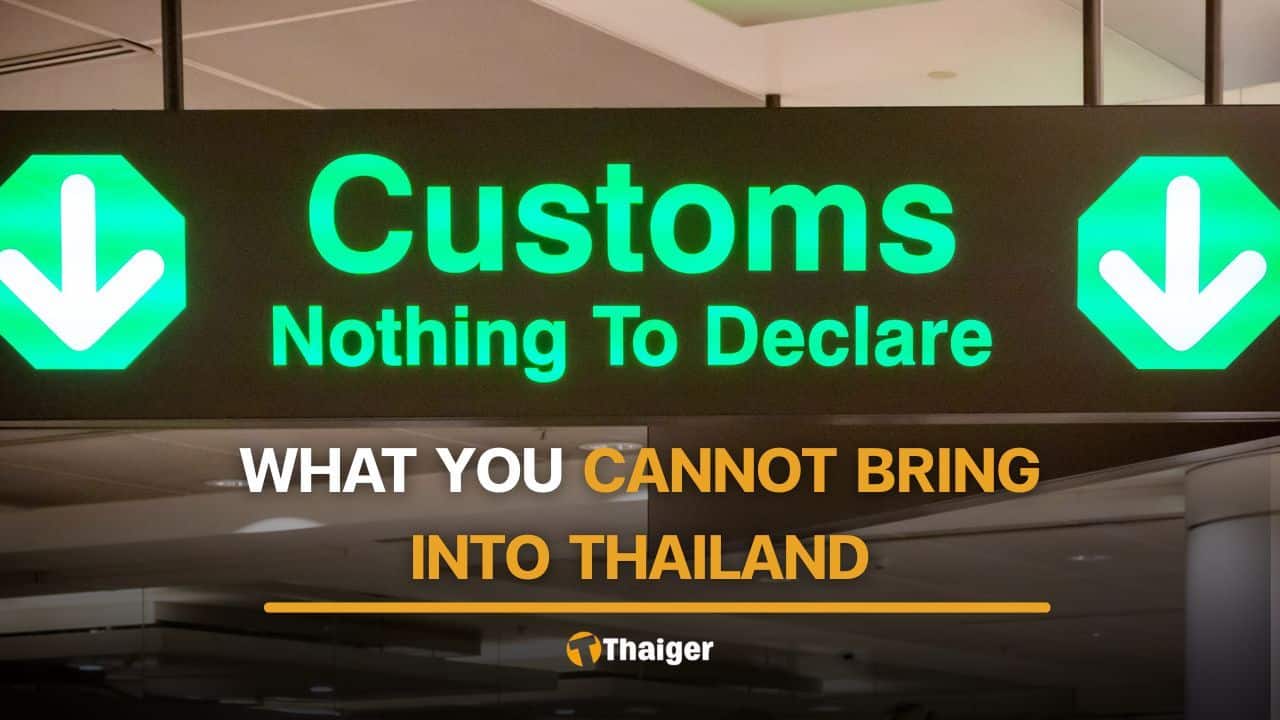
Your vape just got you arrested at Suvarnabhumi Airport. You thought it was fine, legal in your home country, tucked discreetly in your carry-on. But Thailand does not care if what you bring is legal back home. The customs officer is now holding your device, citing a 2014 import ban, and you are facing up to 10 years in prison and a 500,000 baht fine.
Thailand’s import restrictions catch thousands of travellers off guard every year, and the consequences range from confiscation and fines to arrest, prosecution, and deportation. Some items on this list are obvious, but the other things that you cannot bring into Thailand will surprise you.
1. Narcotics and illegal drugs

Obviously, Thailand retains the death penalty framework for serious drug offences. With that, you should not carry anything for anyone else, do not accept sealed packages, and if you require controlled prescription medication, follow the Thai FDA permit process (see #6 on the list).
Penalties:
- Up to 10 years imprisonment
- Fines up to 500,000 baht
- The death penalty is possible for serious offences
2. E-cigarettes, vapes, e-liquids, and shisha devices

Thailand has an outright import ban on electronic cigarettes and vaping products, enforced aggressively since 2014. In 2024 alone, Thai Customs seized e-cigarettes valued at over 107 million baht. Embassy advisories explicitly warn that “I didn’t know” is not a defence. If you arrive with a vape, surrender it immediately, and do not attempt to pass through customs with it.
Penalties:
- Up to 10 years imprisonment
- Fines up to 500,000 baht
- Immediate confiscation
3. Firearms, ammunition, explosives, and fireworks
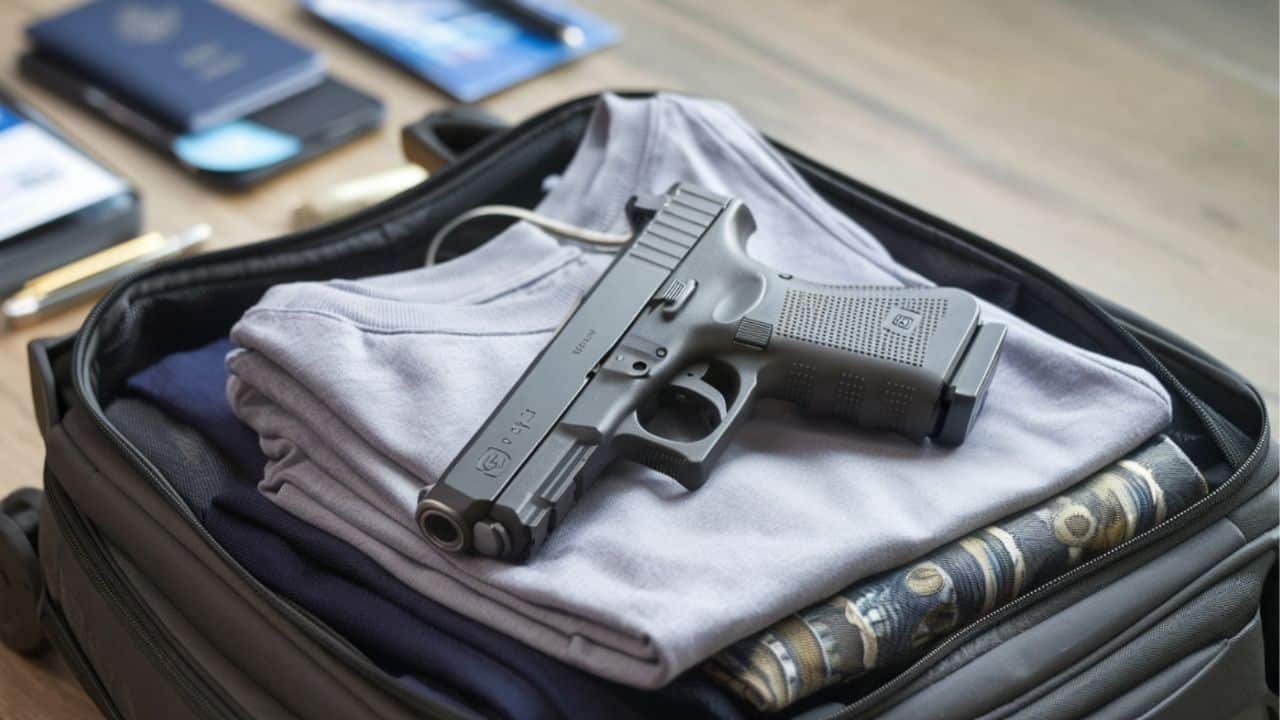
Restricted items requiring permits from the Ministry of Interior. Even spent rounds or forgotten magazines in luggage can result in arrest. In 2024, an 82-year-old Swiss man was arrested at Phuket International Airport after a handgun was found in his luggage.


Penalties:
- Up to 10 years imprisonment
- Fines up to 500,000 baht
- Asset forfeiture
4. Fresh fruits, vegetables, seeds, soil, and plant products

Thailand’s plant quarantine laws prohibit bringing most fresh produce, seeds, cuttings, or soil without approval from the Department of Agriculture. Items are confiscated and destroyed. Even packaged snacks containing restricted plant materials can be flagged. Cannabis-family plant parts are explicitly banned under quarantine law despite domestic policy changes.
Penalties:
- Up to 1 year imprisonment
- Fines up to 20,000 baht
- Immediate confiscation and destruction
5. Live animals, meat, dairy, and animal products
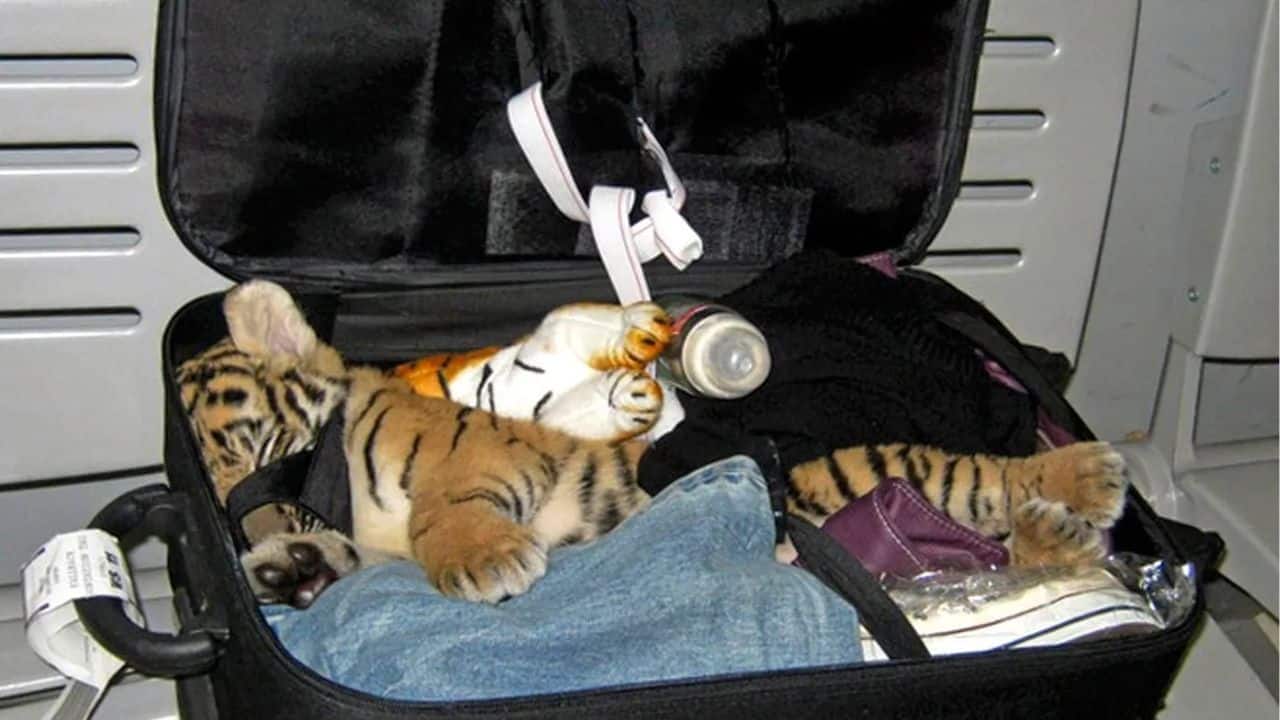
Importing pets, live animals, or animal products without permits from the Department of Livestock Development is illegal. Last week (in February 2026), a Thai man was arrested after arriving in Thailand from Manila, when customs and wildlife officials at Suvarnabhumi Airport discovered a live Bengal monitor lizard and an opossum hidden inside his suitcase.
Penalties:
- Up to 2 years imprisonment
- Fines up to 200,000 baht
6. Prescription medicines and controlled substances
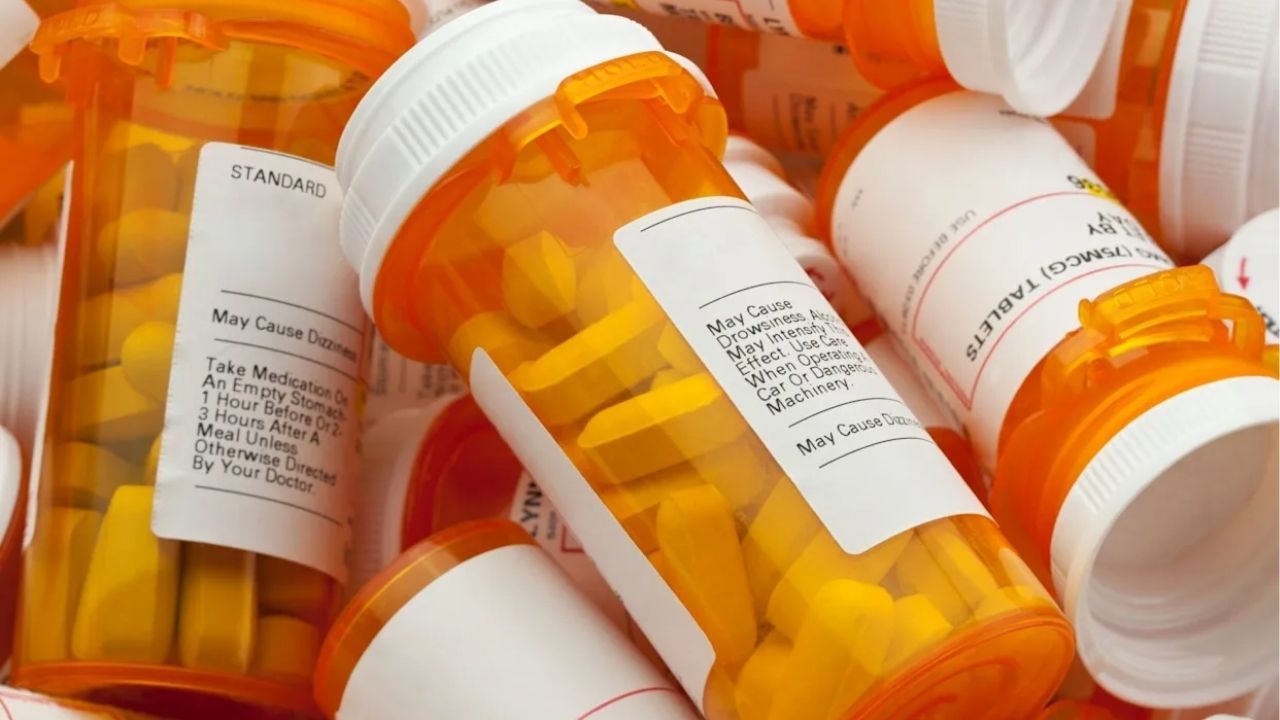
Ordinary personal medicines are generally allowed in 30-day supplies with original packaging and prescriptions, but controlled substances containing narcotics or psychotropics require advance permits from the Thai FDA.
You can apply for drug approval early via the Thai FDA website and make sure to bring medical documentation and declare controlled medications at the Red Channel (Goods to Declare).
Penalties for controlled medicines without permits:
- Up to 10 years imprisonment
- Fines up to 500,000 baht
- Immediate confiscation
7. Pepper spray, tasers, batons, and self-defence weapons
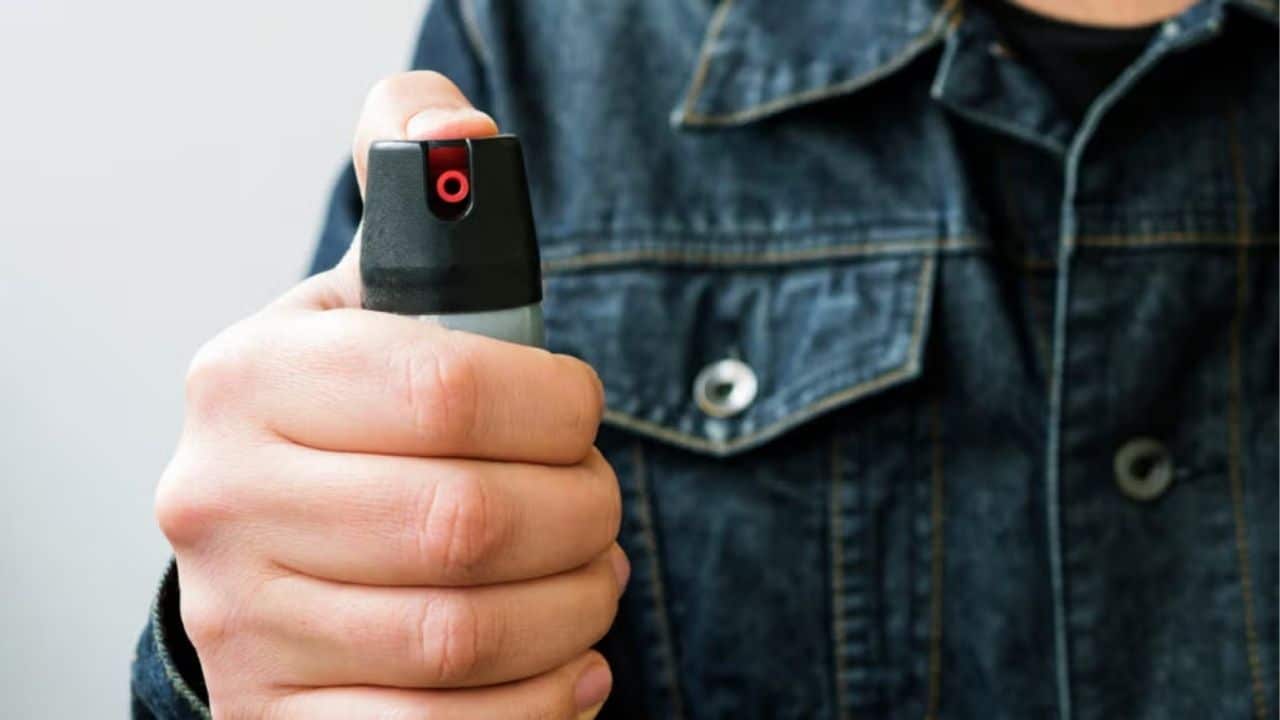
These items are treated as restricted weapons or “equivalents to guns” under Thai law. Airlines also prohibit pepper spray and electroshock devices in both checked and carry-on baggage. Leave all self-defence gadgets at home.
Penalties:
- Up to 10 years imprisonment
- Fines up to 500,000 baht
8. Endangered species, wildlife products, and CITES items
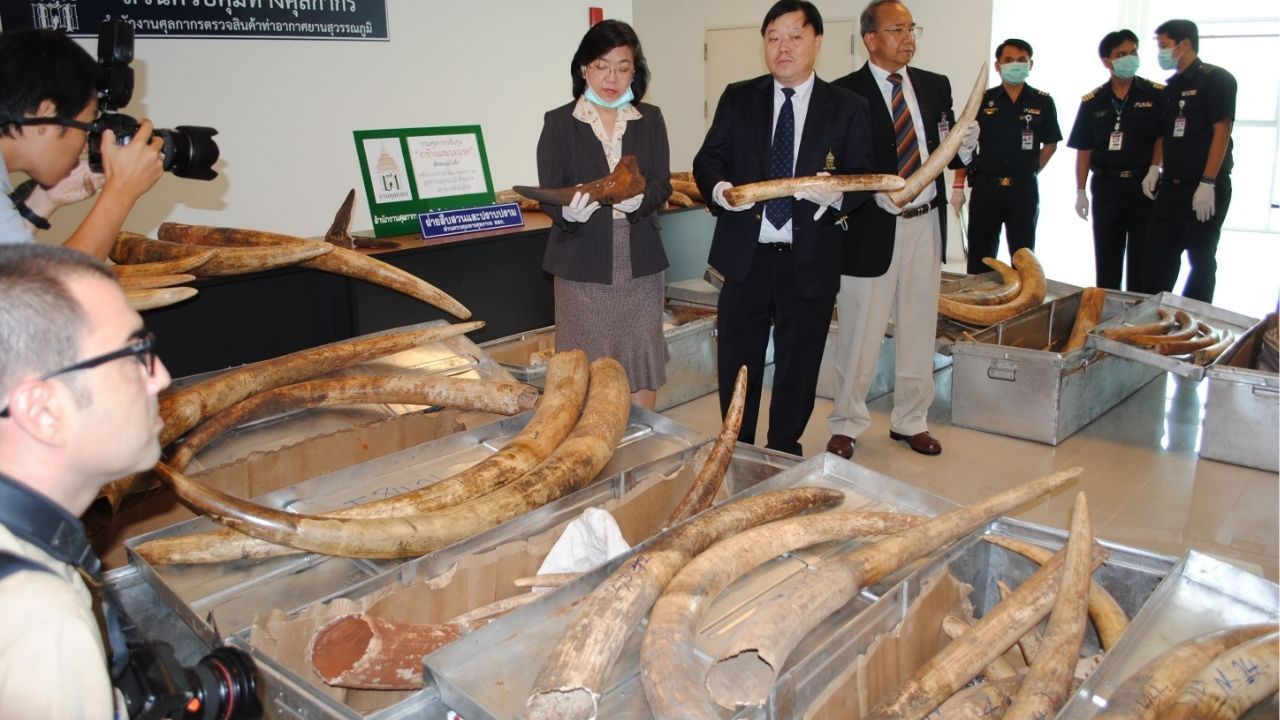
Souvenirs made from ivory, coral, reptile skin, rare woods, or exotic animal parts are prohibited without proper CITES permits. In 2024, Reuters reported a major Suvarnabhumi case involving 87 smuggled animals, including a red panda, destined for India. If you cannot document legality and CITES compliance, do not buy it.
One thing to take note of is that ivory smuggling in Thailand is an issue where it is being transported in and out of the country illegally. There is strict punishment for transporting ivory products, and please remember that ivory is never harvested ethically.
Penalties:
- Up to 10 years imprisonment
- Fines up to 500,000 baht
- Additional wildlife-law prosecution
9. Radio communication equipment (walkie-talkies, satellite phones, transmitters)
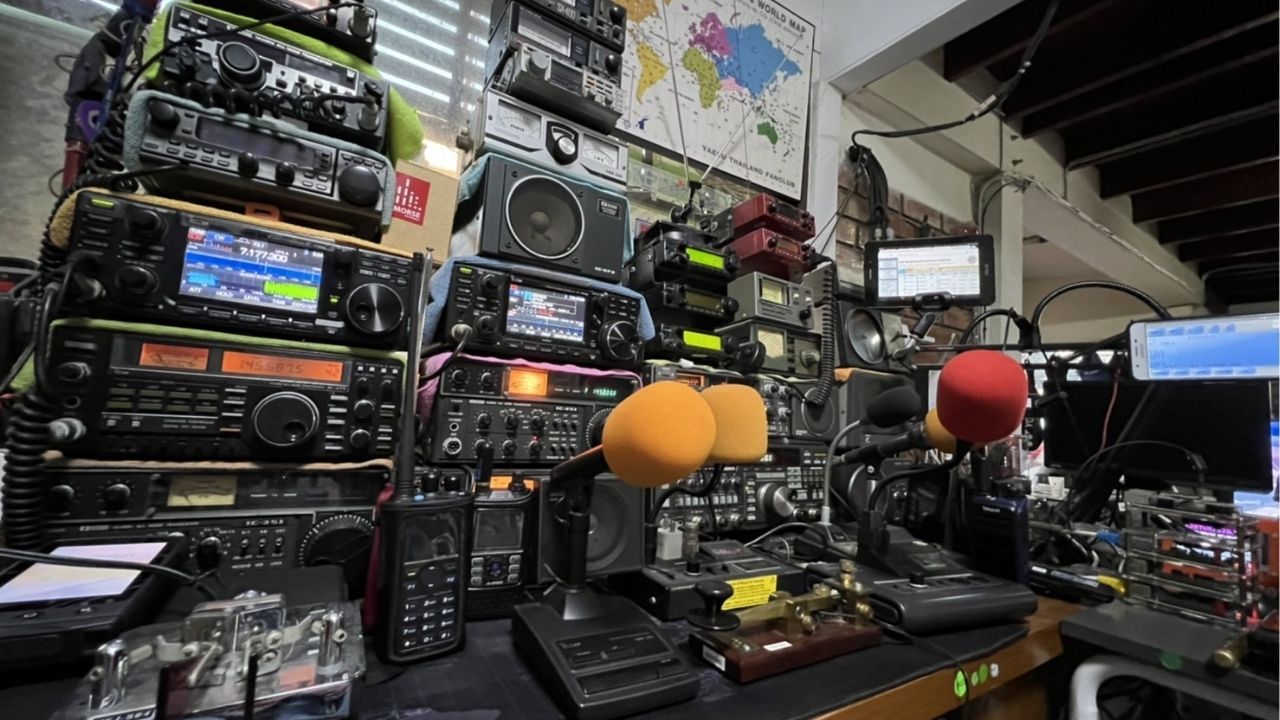
Importing walkie-talkies, ham radios, or satellite terminals requires licensing from the NBTC under the Radiocommunications Act. Regional reporting documented detentions in 2019 linked to possession of unlicensed walkie-talkies. Tourists rarely qualify for licenses, and penalties are strictly enforced.
Do not pack two-way radios or satellite communication devices unless you have confirmed NBTC approval and documentation ready for the Red Channel.
Penalties:
- Penalties are not consistently published for travellers
- Expect confiscation and possible prosecution
10. Drones (Can bring, but a permit is required to fly)
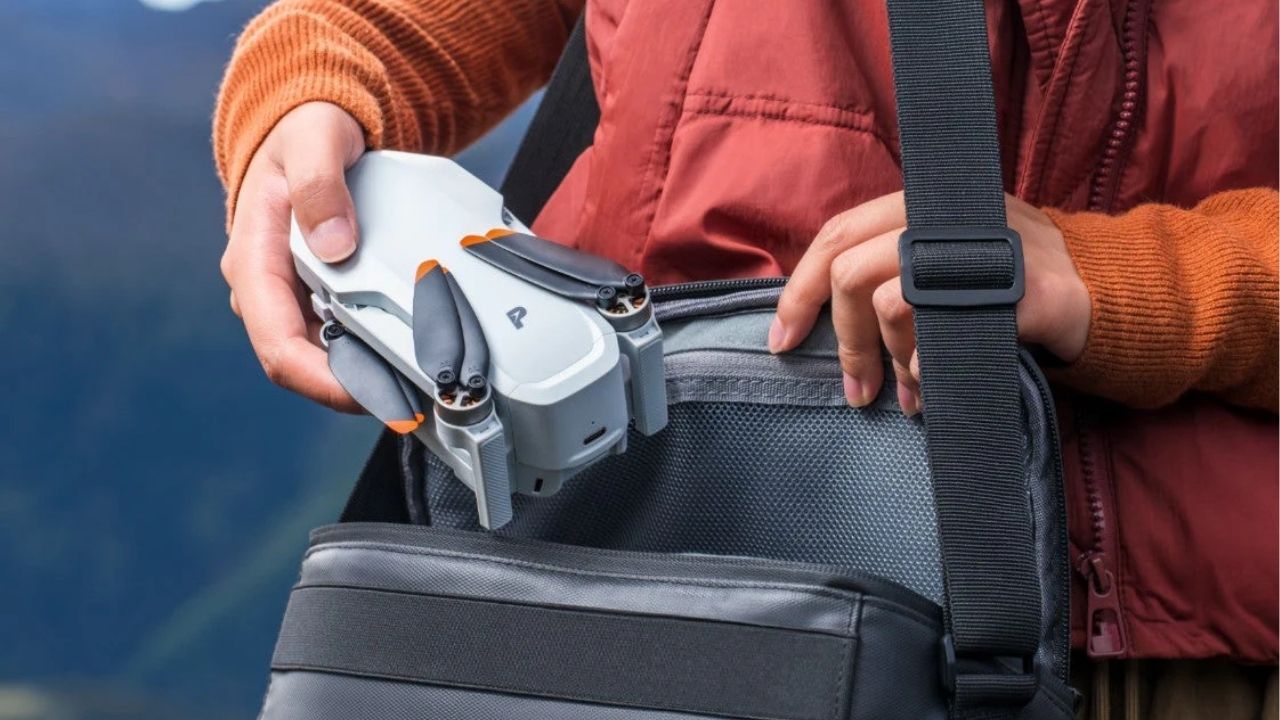
In a bit of a strange twist for these things in the list, you can bring a drone into Thailand as personal electronics, but flying it legally requires registration with both the NBTC (for all drones) and the CAAT (for camera-equipped drones).
In August 2025, a Swedish tourist was detained in Pattaya for flying an unregistered drone during a nationwide security ban. Register before you fly, and never operate near airports or restricted zones.
All in all, it is advisable to be very careful regarding drones, especially during the border conflict with Cambodia, where drones are an integral part of the type of warfare being fought right now.
Penalties for unregistered operation:
- Up to 1 year imprisonment
- Fines up to 40,000 baht
Summary table
| List (Click to jump) | Summary | Penalty |
|---|---|---|
| 1. Narcotics and illegal drugs | Do not carry illegal drugs or accept packages from others. Controlled prescription medicines should follow the Thai FDA permit process. |
|
| 2. E-cigarettes, vapes, e-liquids, and shisha devices | Electronic cigarettes and vaping products are banned for import, and enforcement is strict. If carrying a vape, surrender it rather than attempting to pass through customs. |
|
| 3. Firearms, ammunition, explosives, and fireworks | Restricted items requiring Ministry of Interior permits, including ammunition and parts. Even forgotten items in luggage can lead to arrest. |
|
| 4. Fresh fruits, vegetables, seeds, soil, and plant products | Most fresh produce, seeds, cuttings, and soil require Department of Agriculture approval. Items may be confiscated and destroyed, including some plant materials in packaged foods. |
|
| 5. Live animals, meat, dairy, and animal products | Pets, live animals, and animal products require permits from the Department of Livestock Development. Bringing these items without permits is illegal. |
|
| 6. Prescription medicines and controlled substances | Ordinary personal medicines are typically allowed in limited quantities with original packaging and prescriptions. Controlled substances require advanced Thai FDA permits and should be declared at the Red Channel. |
|
| 7. Pepper spray, tasers, batons, and self-defence weapons | Treated as restricted weapons under Thai law and typically prohibited by airlines in both checked and carry-on baggage. Do not bring self-defence devices. |
|
| 8. Endangered species, wildlife products, and CITES items | Items made from ivory, coral, reptile skin, rare woods, or exotic animal parts may be prohibited without CITES permits. If legality and CITES compliance cannot be documented, do not buy or transport it. |
|
| 9. Radio communication equipment (walkie-talkies, satellite phones, transmitters) | Walkie-talkies, ham radios, and satellite terminals require NBTC licensing, and tourists rarely qualify. Do not pack two-way radios or satellite devices without confirmed approval and declaration-ready documentation. |
|
| 10 Drones (Can bring but cannot fly without a permit) | Drones can be brought as personal electronics, but legal flying requires registration with NBTC and, for camera drones, CAAT. Register before flying and avoid airports and restricted zones. |
|
Thailand operates a Green Channel (Nothing to Declare) and Red Channel (Goods to Declare) system at airports. If you are carrying restricted items with proper permits, use the Red Channel and present your documentation immediately. If you exceed duty-free limits (200 cigarettes or 1 litre of alcohol), declare or surrender the excess to avoid prosecution, just like you would do if you have too much cash.
When in doubt about things you cannot bring into Thailand, declare them. Thai Customs explicitly states that failing to declare restricted or prohibited goods is a criminal offence, and enforcement is aggressive. If you are uncertain about an item that you cannot bring, contact Thai Customs (hotline 1164), the Tourist Police (1155), or your country’s embassy in Thailand before you travel.
Do not assume that “everyone does it” or “it’s legal at home” will protect you. Thousands of items are seized at Thai airports every year, and the consequences, confiscation, fines, arrest, and deportation, are real.
Sources:
• Thai FDA
• Civil Aviation Authority of Thailand (CAAT)
• Customs Act B.E. 2560 (2017)
Latest Thailand News























Follow The Thaiger on Google News: