Thailand’s property market in 2026 and how to buy a condo during the US-Iran war
What buyers need to know as global tensions influence property trends in Thailand

Global uncertainty is now directly shaping property market decisions in Thailand. Rising oil prices, tighter lending conditions, and currency pressure are changing how people approach real estate in 2026. For buyers considering a condo in Bangkok or a property in resort areas, this is no longer a straightforward market. Careful planning and a clear strategy are now essential.
On this page
| Section (Click to jump) | Short summary |
|---|---|
| Global tensions are driving costs higher | Conflict in the Middle East has pushed up oil prices, raising transport, food, and production costs worldwide. |
| Thailand faces economic pressure in 2026 | Thailand’s reliance on imported energy is adding pressure to inflation, subsidies, and already slowing economic growth. |
| Interest rates and the Thai baht add more pressure | Lower Thai rates and a weaker baht are increasing import costs and making property finance more difficult. |
| Thailand property market splits into two segments | The market is dividing between weaker, lower-end housing and more resilient, higher-end developments. |
| Construction costs continue to shift | Material prices are moving unevenly, creating more complexity for developers and future project pricing. |
| Government measures aim to support buyers | Reduced transfer and mortgage fees are designed to encourage demand, especially in qualifying price brackets. |
| Condo investment strategy in Thailand 2026 | Analysts recommend caution, especially in low-cost suburban condo segments facing oversupply and high loan rejection rates. |
| Prime Bangkok condos remain a safer option | Central Bangkok condos continue to benefit from limited supply, steady demand, and strong rental appeal near transit lines. |
| Phuket and Koh Samui luxury villas attract global buyers | Luxury villas in resort markets are drawing overseas buyers and offering solid rental yield potential. |
| Industrial property is one of the strongest sectors | Industrial real estate remains strong as manufacturers shift production to Thailand, especially in the Eastern Economic Corridor. |
| Final thoughts before buying a property in Thailand | Thailand property still offers long-term potential, but buyers need to focus on location, affordability, and careful planning. |
Global tensions are driving costs higher
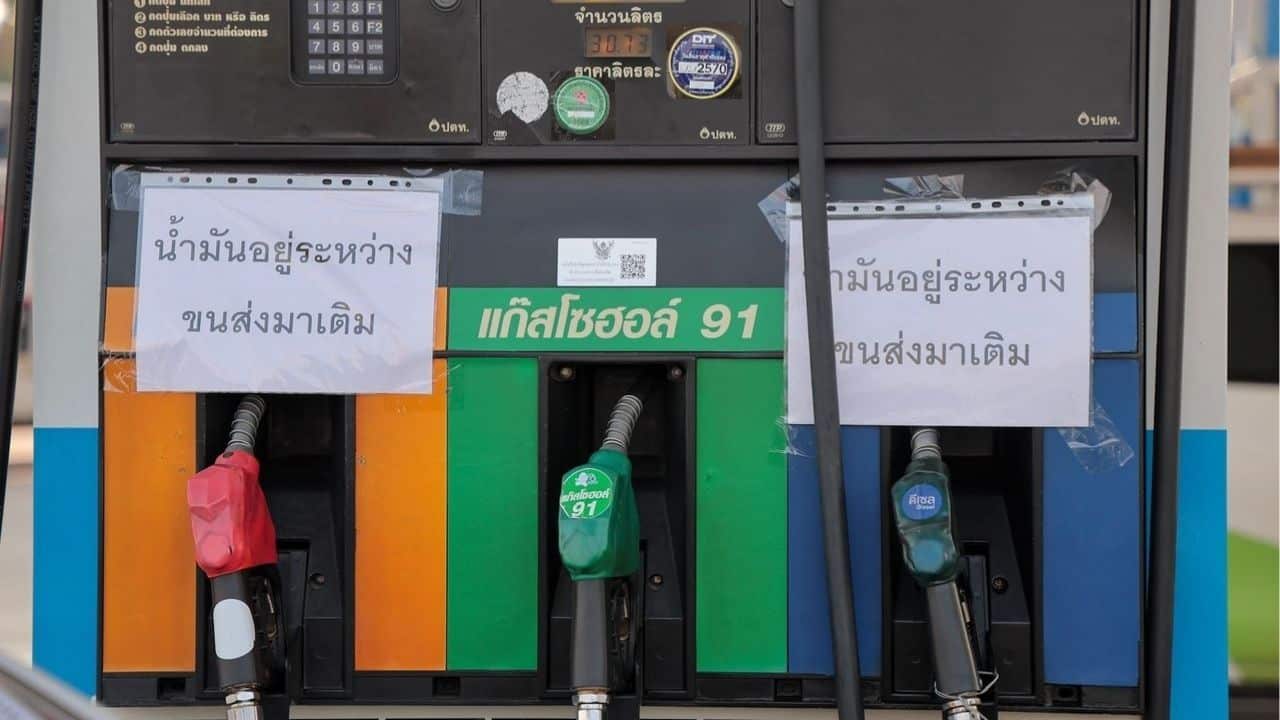
The global economy faced a major shock earlier this year following military escalation involving the United States, Israel, and Iran. Iran’s temporary closure of the Strait of Hormuz raised immediate concerns across global markets, even though the route has since reopened.
This shipping channel is critical, carrying over 20% of the world’s oil and liquefied natural gas. As a result, oil prices surged above US$100 per barrel, with earlier projections nearing US$120. Higher energy costs are now feeding into transport, food, and production, creating a chain reaction across global economies. For Thailand, which relies heavily on energy imports, these pressures are already being felt across multiple sectors.
Thailand faces economic pressure in 2026
Thailand’s dependence on imported energy means rising global prices have a direct impact. Energy imports account for nearly 5% of the country’s GDP, making the economy particularly sensitive to oil price fluctuations. While the government has confirmed that reserves can cover domestic demand for around 90 to 100 days, supply concerns have already caused disruptions at some petrol stations.
At the same time, Thailand’s fuel fund is under increasing pressure, with a deficit of around 12 billion baht. Analysts suggest that maintaining diesel subsidies at 30 baht per litre may only be possible for another 40 to 68 days. If these subsidies are reduced, inflation could rise rapidly, affecting everyday costs and overall purchasing power. Large companies have already begun delaying orders due to material shortages, and economic growth for 2026 is now expected to slow to just 1.0% to 1.4%.
Interest rates and the Thai baht add more pressure
Certain banks, like the Bank of Thailand, has responded by lowering their policy rate to 1.00% in an effort to ease financial pressure on businesses. However, the United States is maintaining higher interest rates at around 3.50% to 3.75%, creating a widening gap that is driving capital outflows from Thailand.

This has weakened the baht, which is expected to move towards 34 to 36 per US dollar. A weaker currency increases the cost of imported goods, including construction materials, and puts additional pressure on developers. For buyers, this can translate into higher property prices and more cautious lending conditions, making financing more difficult than in previous years.
Thailand property market splits into two segments
The property market in Thailand is now clearly divided between struggling lower-end segments and more resilient high-end developments. Household debt has risen above 90% of GDP, prompting banks to significantly tighten lending criteria. Mortgage rejection rates have increased to between 40% and 70%, with properties priced between 1 and 2 million baht facing the highest rejection rates.
Even higher-income buyers are not immune, especially if their income is irregular. Banks are placing greater emphasis on financial stability and existing debt levels when assessing applications. Lending rates for prime borrowers remain relatively high, ranging from 6.30% to 7.10%, which further limits affordability for many buyers.
Construction costs continue to shift
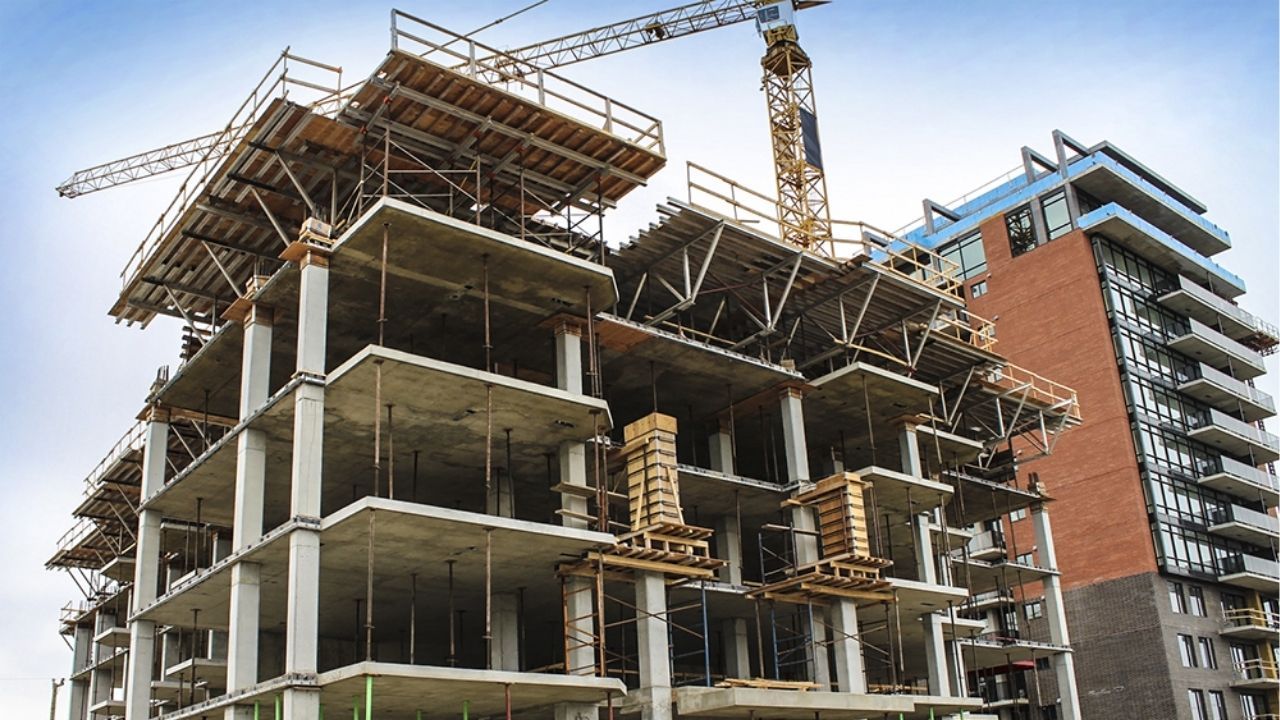
Construction costs are also being shaped by global conditions. Cement prices have increased by around 6.0%, while concrete products have risen slightly by 0.9%. Electrical equipment costs have climbed by 2.3%, largely due to increased demand for copper in clean energy industries.
Steel prices, however, have declined by around 2.5%, as excess supply from countries such as China, South Korea, and Japan enters the market. These mixed cost movements make project planning more complex for developers and can influence pricing strategies for new properties.
Government measures aim to support buyers
In response to the slowdown, the Thai government has introduced measures to support the property market. Transfer fees have been reduced to 0.01% for properties valued up to 7 million baht, while mortgage registration fees have also been cut to 0.01% for loans up to 3 million baht.
These measures are designed to stimulate demand, particularly among middle to upper-income buyers. At the same time, developers are slowing down new project launches to focus on clearing existing inventory, which remains relatively high in certain segments.
Condo investment strategy in Thailand 2026
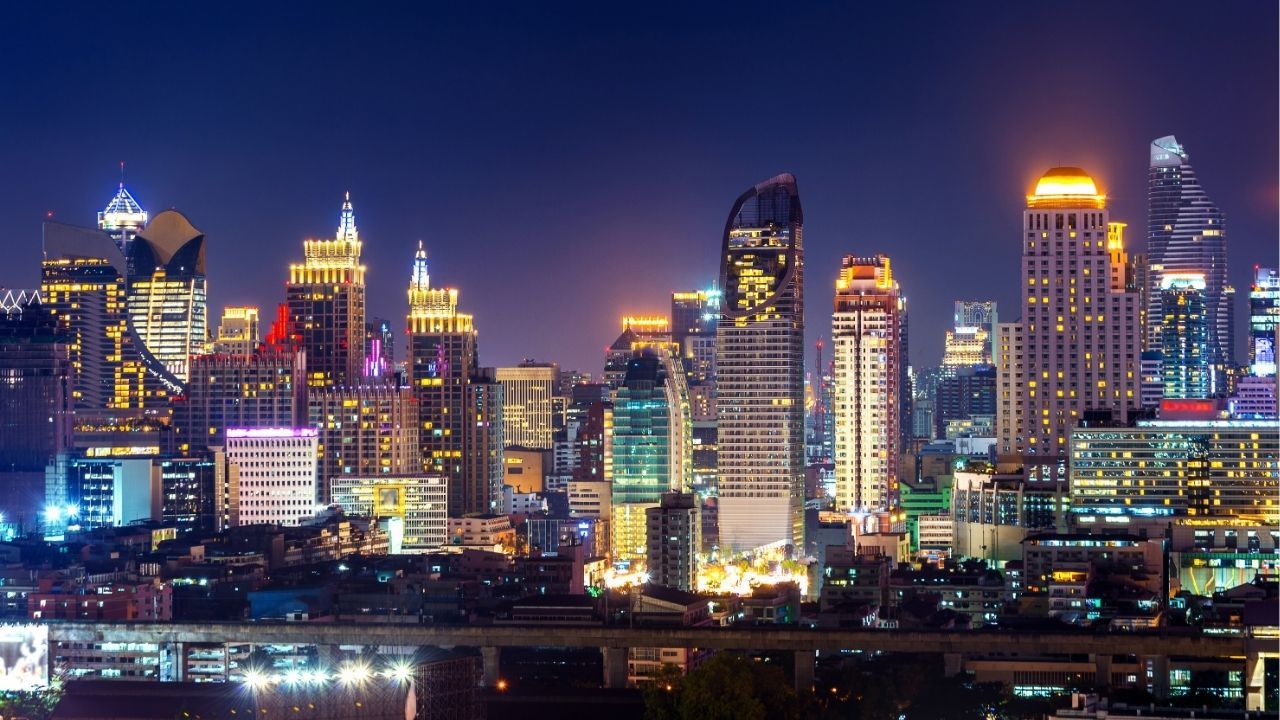
Buying property in 2026 requires a more cautious and strategic approach than in previous years. Analysts at Fazwaz Thailand, a leading Thai real estate technology (PropTech) company, advise against investing in low-cost condominiums priced below 3 million baht in suburban areas, where oversupply is severe, and mortgage rejection rates are highest.
Low-rise housing is also facing challenges, with single-house sales down by 28% and townhouse sales declining by 31%. Long commuting times and rising transport costs are discouraging buyers from living further away from city centres, making location an even more critical factor in purchase decisions.
Prime Bangkok condos remain a safer option
In contrast, high-end condominiums in central Bangkok continue to show resilience. Areas such as Sukhumvit, Silom, and Sathorn benefit from limited land availability, which restricts new supply and supports price growth. Condo prices in these central locations have increased by around 3.4%.
These properties remain attractive to both local and international buyers, including investors from China seeking to diversify their assets. At the same time, changing lifestyle trends are supporting rental demand. More than 66% of younger generations now prefer renting over buying, making condos near BTS and MRT stations a strong option for generating consistent rental income.
Phuket and Koh Samui luxury villas attract global buyers
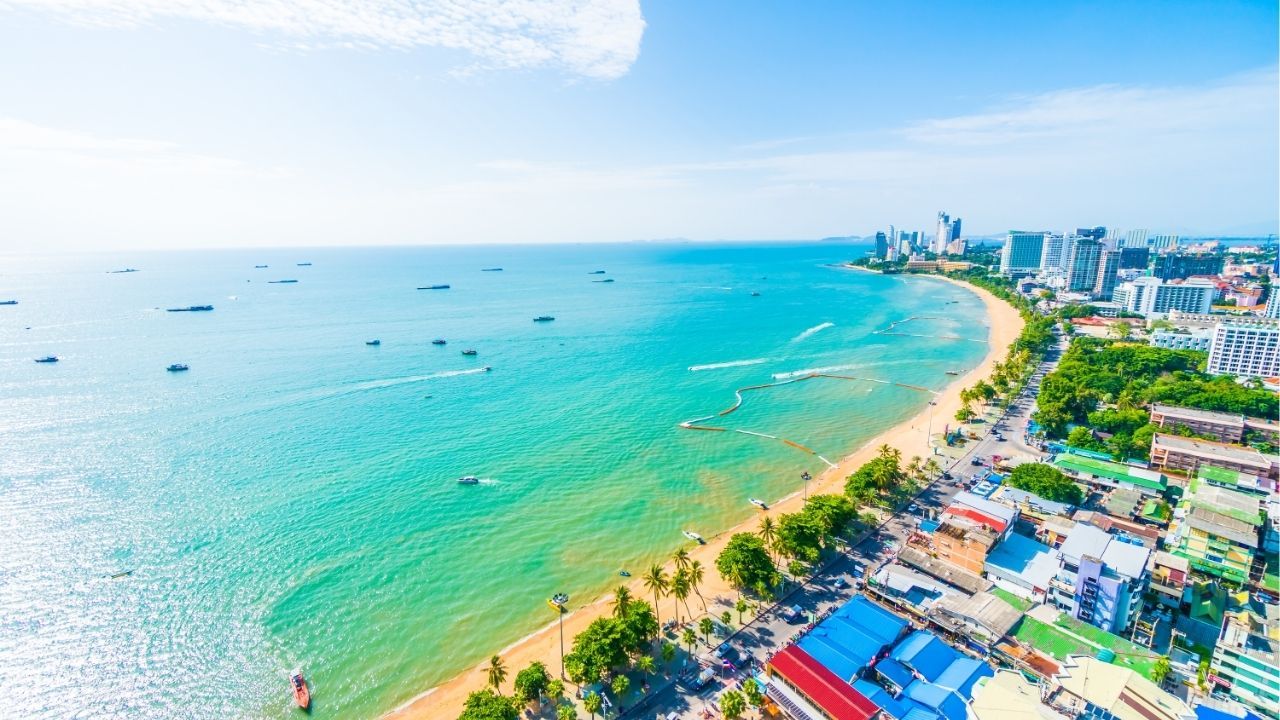
Resort markets are also seeing strong demand, particularly in Phuket and Koh Samui. Luxury villas in these locations are increasingly viewed as investment assets rather than purely holiday homes.
International buyers from Russia, Europe, and China are driving this trend, often purchasing second homes in Thailand. Rental yields for high-end villas range between 5% and 8% annually, making them an attractive option for investors seeking both lifestyle and income.
Industrial property is one of the strongest sectors
Industrial real estate is emerging as one of the most stable segments in Thailand’s property market. Ongoing trade tensions between the United States and China are pushing manufacturers to relocate production to Southeast Asia, bringing significant investment into the region.
Thailand is benefiting from this shift, particularly in sectors such as data centres and electric vehicle production. The Eastern Economic Corridor, covering Chonburi, Rayong, and Chachoengsao, is seeing especially strong demand, with industrial land vacancy rates falling below 5%.
Final thoughts before buying a property in Thailand
Despite ongoing uncertainty driven by global conflict, oil prices, and interest rate movements, property in Thailand remains a viable long-term investment. However, success now depends on making informed and disciplined decisions.
Buyers should focus on prime locations with strong demand, especially near transport links, while carefully assessing their financial stability and long-term repayment ability. Government incentives can help reduce initial costs, but they should not replace proper financial planning.
In a market shaped by both global and local pressures, choosing the right property is more important than ever.
Latest Thailand News























Follow The Thaiger on Google News: