Chiang Mai pigeon feed sellers back at Tha Phae Gate after arrests

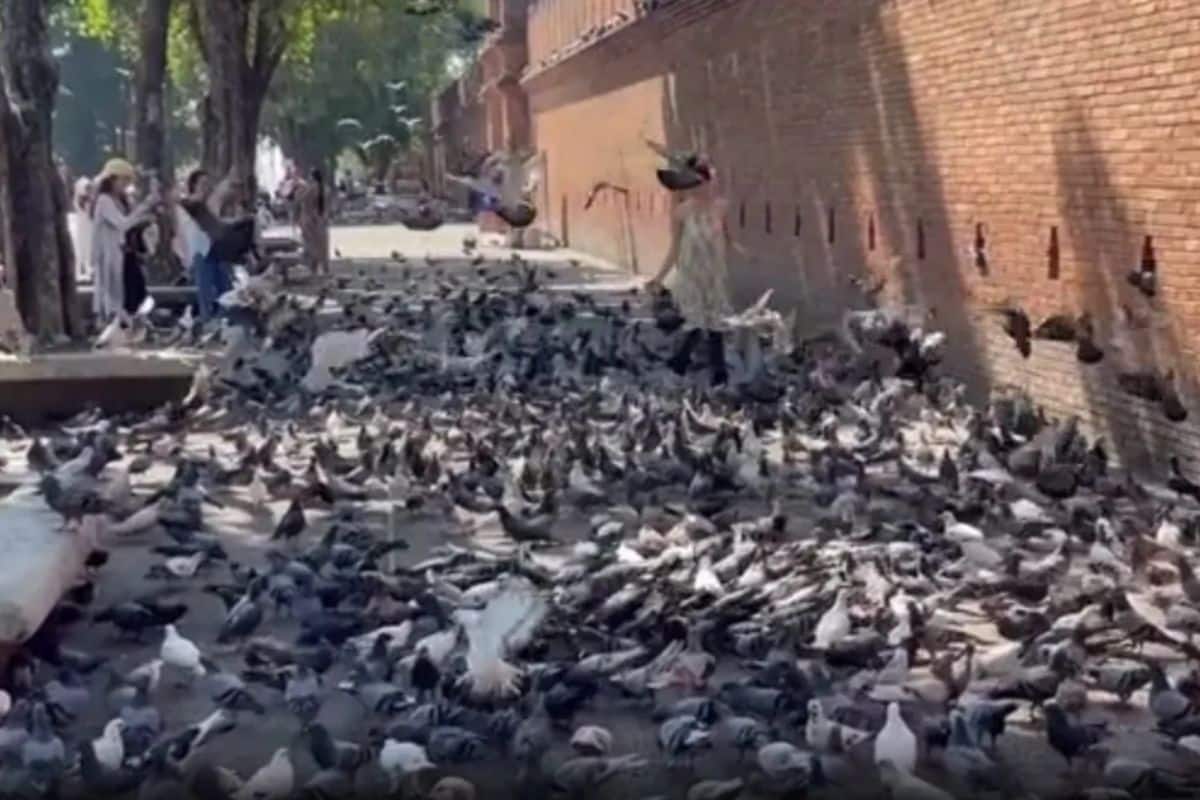
A group of pigeon feed sellers has returned to Tha Phae Gate in Chiang Mai today, January 5, after previously being arrested, reigniting concerns over hygiene and the impact on the city’s tourism image.
The issue centres on the open plaza at Tha Phae Gate in Mueang district, where the same group of individuals was seen once again selling pigeon feed and pressuring tourists to pay for photographs with the birds. This came despite a recent police crackdown and repeated warnings about hygiene risks linked to large pigeon populations.
The sellers had reportedly returned to their usual spots and were actively scattering large amounts of feed to attract pigeons. The practice reportedly drew thousands of birds into the area, significantly more than before, leading to visible accumulation of droppings and unpleasant odours throughout the plaza. Concerns were also raised over general cleanliness in the heavily visited tourist zone.
According to residents near the Tha Phae Gate area, the problem has persisted for many years and remains unresolved. They added that when arrests are made, the group, often referred to as the pigeon gang, typically disappear for a couple of days before returning.
The sellers have also been accused of intimidating tourists who decline to buy pigeon feed or refuse photography services, behaviour that residents say damages Chiang Mai’s reputation as a tourist destination. Despite arrests made as recently as December 25 last year, the group has continued operating without fear of legal consequences, reported Thairath.
Health officials have renewed warnings about the risks of close contact with large groups of pigeons. Doctor Songyot Khamchai, head of the Section of Communicable Diseases Control at the Chiang Mai Provincial Public Health Office, stated that pigeon droppings can carry airborne pathogens, especially during the cooler months when infections spread more easily.
One of the most serious diseases linked to pigeons is cryptococcosis, caused by the fungus Cryptococcus neoformans found in their droppings. The infection typically begins in the lungs and can spread through the bloodstream to other organs, causing symptoms such as fever, headaches, nausea, blurred vision, loss of consciousness, and, in severe cases, death.


Pigeons have also been linked to the spread of meningitis, particularly through contact with contaminated droppings. Bacterial infections may cause severe symptoms, including seizures, paralysis, loss of consciousness, and can be fatal.
In similar news, Thailand is moving to nominate Chiang Mai’s ancient Lanna capital for UNESCO World Heritage status, with seven iconic temples and the city’s historical layout forming the foundation.
Latest Thailand News

























Follow The Thaiger on Google News: