Thailand to let insured patients buy medication outside hospitals

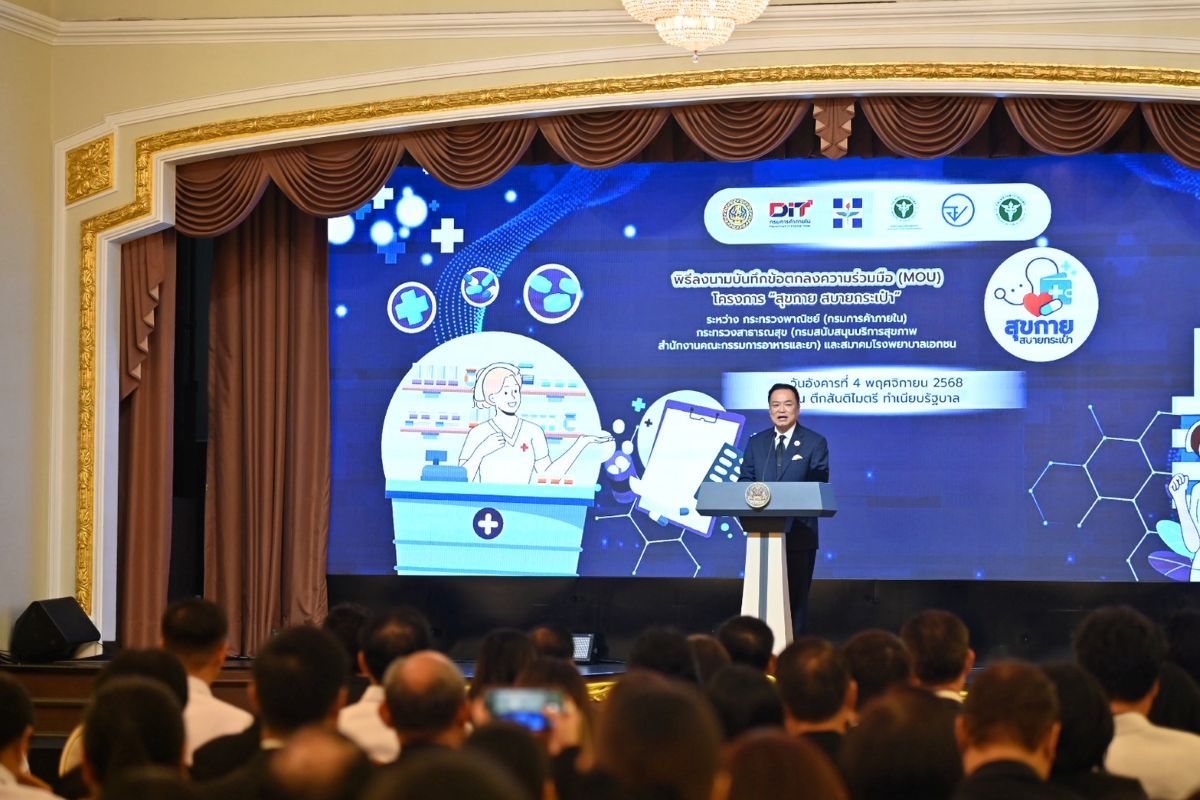
The Office of Insurance Commission (OIC) and several healthcare agencies have officially launched a new initiative allowing patients at private hospitals to purchase prescribed medication from participating pharmacies, aiming to reduce treatment costs and improve access to essential drugs.
The programme, called Sukkai Sabai Krabao (Healthy Body, Comfortable Wallet), is part of a government policy to ease the burden of rising healthcare costs. It is supported by the OIC, insurance industry associations, the Department of Internal Trade, the Department of Health Service Support, the Food and Drug Administration (FDA), and the Private Hospital Association.
The official signing of the Memorandum of Understanding (MOU) was announced previously on November 4, with Prime Minister Anutin Charnvirakul presiding over the announcement. The agreement aims to provide patients with more treatment options, particularly by enabling them to purchase medication outside of private hospitals.
Anutin stated that the collaboration reflects the government’s “Quick Big Win” policy to address cost-of-living issues. He said the programme would provide greater flexibility for patients and improve quality of life by reducing out-of-pocket medical expenses.
Under the new system, private hospitals are required to disclose drug prices, while patients can use their prescriptions to buy medication at over 3,400 pharmacies registered with the FDA and marked with the Sukkai Sabai Krabao logo. Telepharmacy services registered with the Pharmacy Council are also included, allowing patients to consult pharmacists remotely.
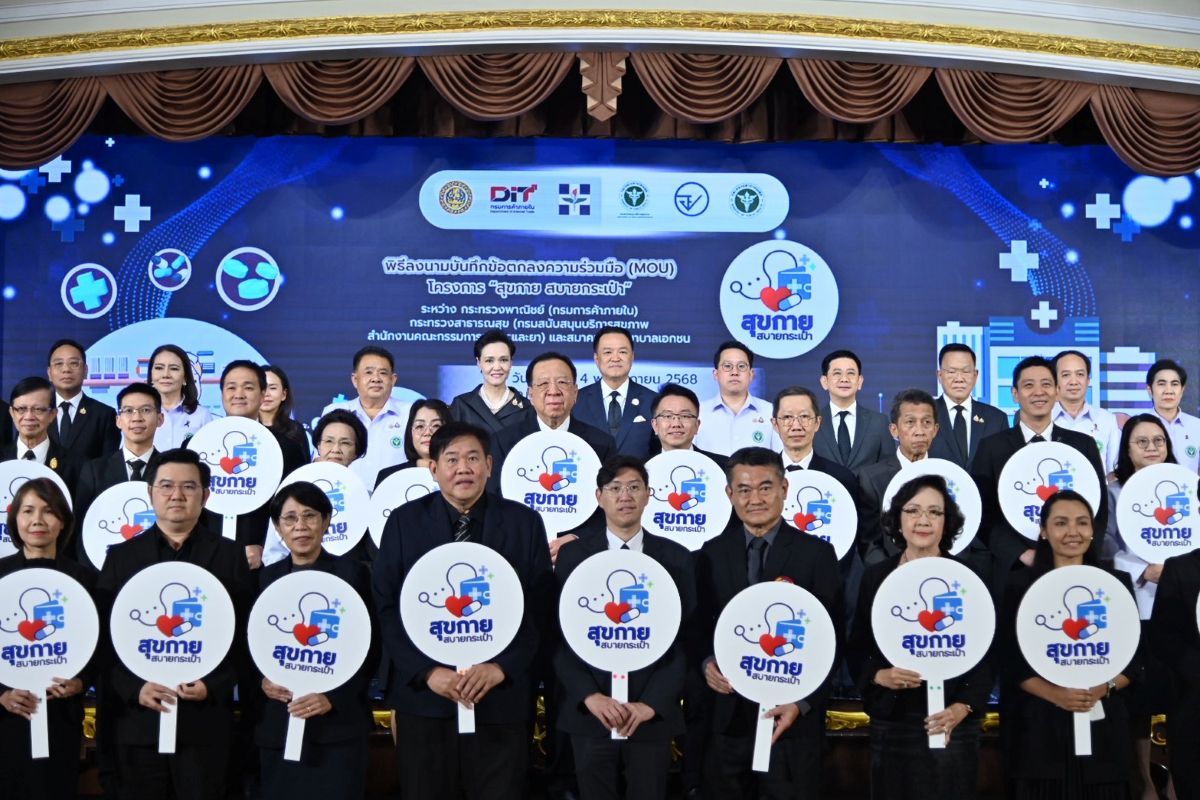
The initiative currently involves over 300 private hospitals nationwide.
Participating pharmacies must comply with FDA safety standards, follow strict quality controls, and publicly display drug prices. The OIC said the programme is especially beneficial for patients with chronic conditions who require long-term medication, as it helps reduce recurring treatment costs.


The OIC also stated that rising medical inflation, driven by hospital room fees, procedures, and drug prices, has left many health insurance policyholders with insufficient coverage. As a result, many have been forced to cover more expenses out of pocket.
To address this, the OIC worked with life and non-life insurers to establish guidelines that allow policyholders to submit pharmacy receipts for reimbursement, provided the costs fall within coverage limits.
Insurers are responsible for verifying the legitimacy of prescriptions and receipts, and confirming that pharmacies are properly registered with the FDA.
The regulator will monitor implementation and evaluate the results to ensure the programme delivers measurable public benefits, particularly in strengthening the long-term sustainability of the national health insurance system.
Anutin added that the government expects the initiative to reduce healthcare-related living costs by more than 32 billion baht per year.
Latest Thailand News






















Follow The Thaiger on Google News: