What it’s like to give birth in Thailand as an expat
A guide to maternity care, hospital options, costs, and insurance for expat parents-to-be in Thailand


The Thaiger key takeaways
- Thailand offers reliable, international-standard maternity care, with private hospitals being the preferred choice for most expats due to English-speaking staff and bundled maternity packages.
- Giving birth in Thailand can be affordable compared to many Western countries, but costs rise quickly without maternity insurance, especially at international hospitals.
- Maternity insurance requires forward planning, as waiting periods usually apply, so securing a policy early is essential for expat families.
Finding out you are expecting a child while living abroad can bring a long list of questions. Alongside the usual decisions about birth plans and hospitals, expat parents in Thailand also have to think about language, insurance, costs, and legal paperwork.
The good news is that Thailand is one of Asia’s most trusted destinations for healthcare, including maternity care. Every year, thousands of expat families give birth here, supported by private hospitals that meet international standards. Here’s what you need to know about giving birth in Thailand as an expat, including insurance options available and how international brokers like Pacific Prime Thailand can help you get through the process.
On this page
| Click to jump to the section | Summary |
| How does maternity care work in Thailand for expats? | Private hospitals favoured by expats, English-speaking medical teams, and modern facilities |
| Prenatal care and screening | Antenatal packages, regular scans, NIPT testing, and mandatory thalassemia screening |
| Delivery methods in private hospitals | Vaginal delivery and caesarean section, epidural pain relief available |
| How much does it cost to give birth in Thailand as a foreigner? | Private hospital packages from around THB 99,000 to 300,000+, extras charged separately |
| Why is maternity insurance important for expats in Thailand? | No public coverage for foreigners, insurance helps manage high out-of-pocket costs |
| What does maternity insurance usually cover? | Prenatal care, delivery, postnatal care, and waiting periods of 10 to 12 months |
| Finding the right maternity insurance plan in Thailand | Importance of comparing plans, insurer options, and guidance from international brokers like Pacific Prime Thailand |
How does maternity care work in Thailand for expats?

Thailand’s public and private hospitals are equally good. However, private hospitals are the most common choice for expats giving birth in the country. These hospitals are known for English-speaking doctors and nurses, modern facilities and equipment, shorter waiting times, and maternity packages that usually group routine costs together.
Private hospitals are widely available in Bangkok and can also be found in cities like Chiang Mai and Phuket. Bangkok has the largest number of specialist centres, including hospitals with neonatal intensive care units and maternal fetal medicine teams. Some of the most frequently chosen hospitals by expat families are:
- Samitivej Hospital: Samitivej offers a Pregnancy Care Programme that follows patients from early pregnancy through delivery. Its Women’s Health Centre includes obstetricians, gynaecologists, maternal fetal medicine specialists, neonatologists, geneticists, lactation consultants, and nurse midwives.
- Bumrungrad Hospital: Bumrungrad provides maternity services 24 hours a day. Delivery options include vaginal delivery, vaginal delivery with epidural analgesia, and caesarean section, among others. Newborns are monitored by paediatric staff after birth, and neonatal intensive care is available if required.
- Bangkok Hospital: Bangkok Hospital offers comprehensive women’s health services and specialist support for both routine and high-risk pregnancies.
Prenatal care and screening
Private hospitals in Thailand have comprehensive prenatal care. It won’t be difficult to find antenatal packages that include regular check-ups, blood tests, ultrasound scans, and specialist consultations throughout your pregnancy.


Advanced testing, such as non-invasive prenatal testing, is widely available. This test is often recommended for mothers aged 35 and above, as it helps identify certain genetic conditions without invasive procedures.
Moreover, all pregnant women in Thailand need to undergo thalassemia screening, due to the higher prevalence in the region.
Delivery methods in private hospitals
As in many other countries, private hospitals in Thailand mainly offer two delivery methods. These include vaginal delivery and caesarean section. The choice of delivery method depends on medical factors such as the baby’s position, the mother’s health, pregnancy history, and whether there are multiple babies.
Don’t worry if you need epidural pain relief. It’s commonly available and always administered by anaesthesiologists. However, it’s usually charged separately from standard delivery packages.
How much does it cost to give birth in Thailand as a foreigner?

The cost of giving birth in Thailand varies depending on the hospital, delivery method, and length of stay. In private hospitals, packages typically start from around 99,000 baht and can exceed 300,000 baht for premium services.
Costs have increased steadily over recent years, particularly at large international hospitals in Bangkok. Therefore, it’s important to know what’s included in a package when budgeting. In general, a standard package may cover the delivery room, medical staff fees, standard medications, and a limited hospital stay. You might be charged extra for epidurals, extended stays, specialist consultations, or newborn intensive care.
Why is maternity insurance important for expats in Thailand?
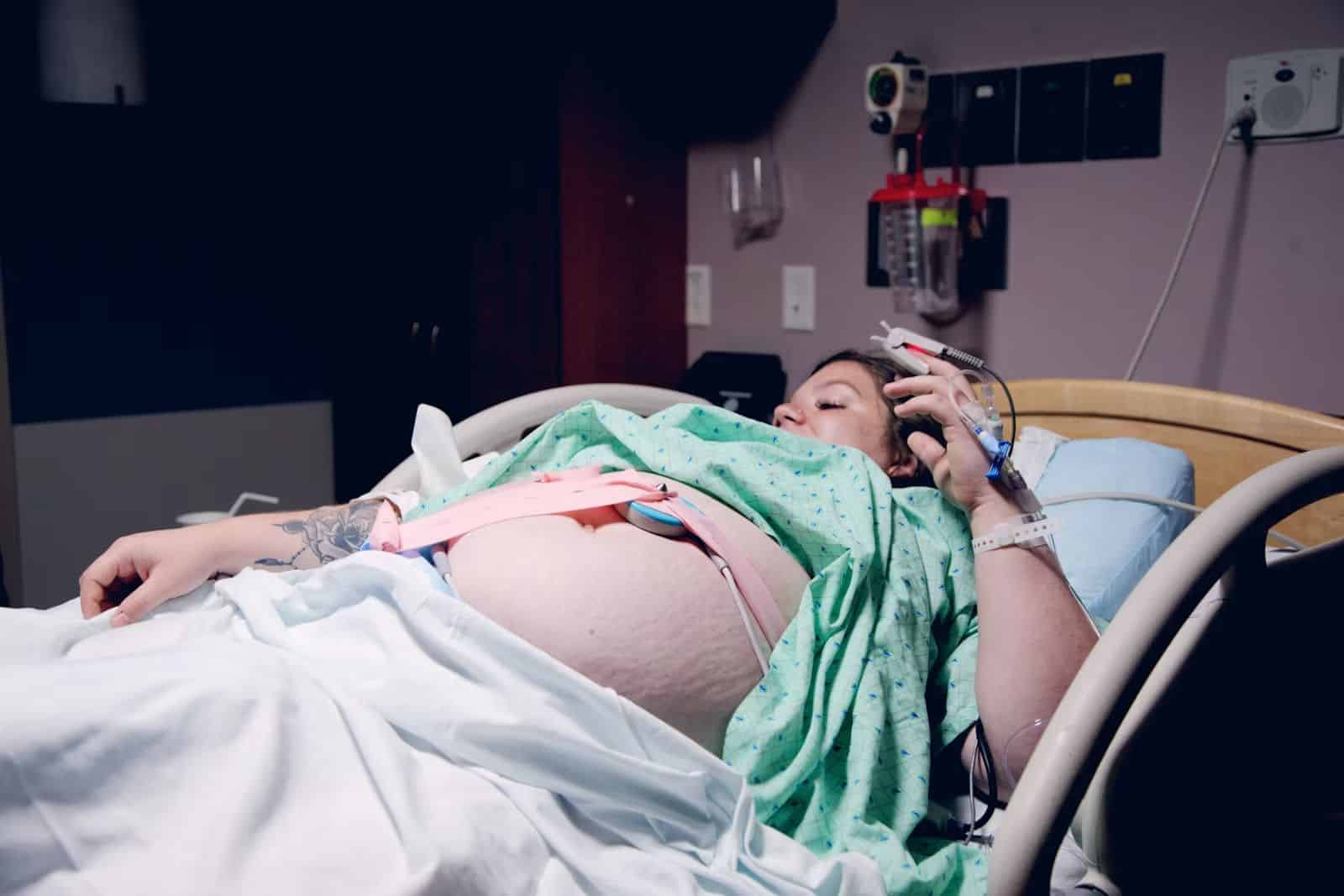
Thailand’s Universal Coverage Scheme provides free healthcare only to Thai nationals. Foreigners who do not qualify for social security benefits must pay the full cost of maternity care, whether they use public or private hospitals.
Private maternity care can become expensive very quickly, especially if complications arise or a baby needs additional medical support after birth. Maternity insurance helps cover these costs and reduces the risk of significant out-of-pocket expenses during pregnancy, delivery, and postnatal care.
Insurers usually offer maternity cover as an add-on to a broader health insurance plan. This cover fills the gap left by standard policies, which typically exclude pregnancy-related expenses.
What does maternity insurance usually cover?

Coverage of maternity insurance in Thailand often includes prenatal consultations, diagnostic tests, delivery costs, hospital stays, postnatal care, and, in some cases, treatment for complications or congenital conditions.
The most important detail to understand is the waiting period. Most maternity insurance plans require a waiting period of 10 to 12 months, with some policies extending beyond this. Pregnancy that begins before the waiting period ends is not covered. Therefore, make sure to have your maternity insurance before you start planning to have a baby to avoid it being excluded as a pre-existing condition.
Key points to check when reviewing maternity insurance include:
- Waiting period length
- Maximum maternity benefit limits
- Coverage for complications and neonatal care
- Hospital network restrictions
Finding the right maternity insurance plan in Thailand
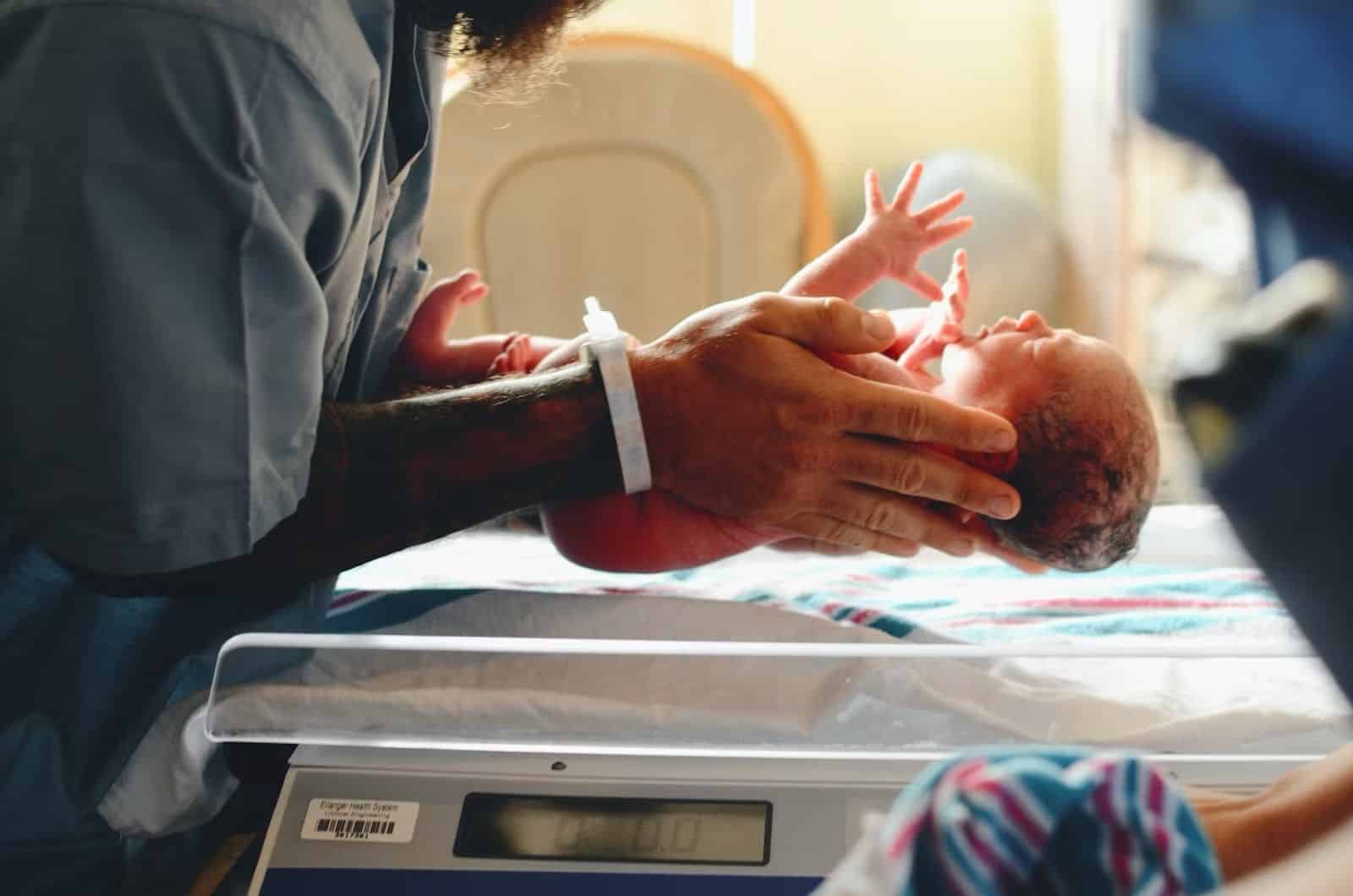
Thailand offers expat parents access to well-equipped private hospitals and experienced medical teams. Medically, the process is straightforward. Financially, it requires planning.
Finding the right maternity insurance plan takes more than choosing the cheapest option. As an expat, you need to look closely at your own healthcare needs, including preferred hospitals, delivery options, and whether you want cover for complications or newborn care. Comparing multiple plans helps clarify differences in coverage limits, waiting periods, and exclusions, which aren’t always obvious at first glance.
If you want extra clarity before making a decision, Pacific Prime Thailand can help. As an international health insurance broker, they work with a wide range of insurers and give guidance on maternity and health insurance plans. Their team helps you compare options, understand policy details, and choose coverage that fits your medical needs and budget before pregnancy costs start to add up.
Sponsored
Latest Thailand News

























Follow The Thaiger on Google News: