Thailand deploys rainmaking aircraft to tackle PM2.5

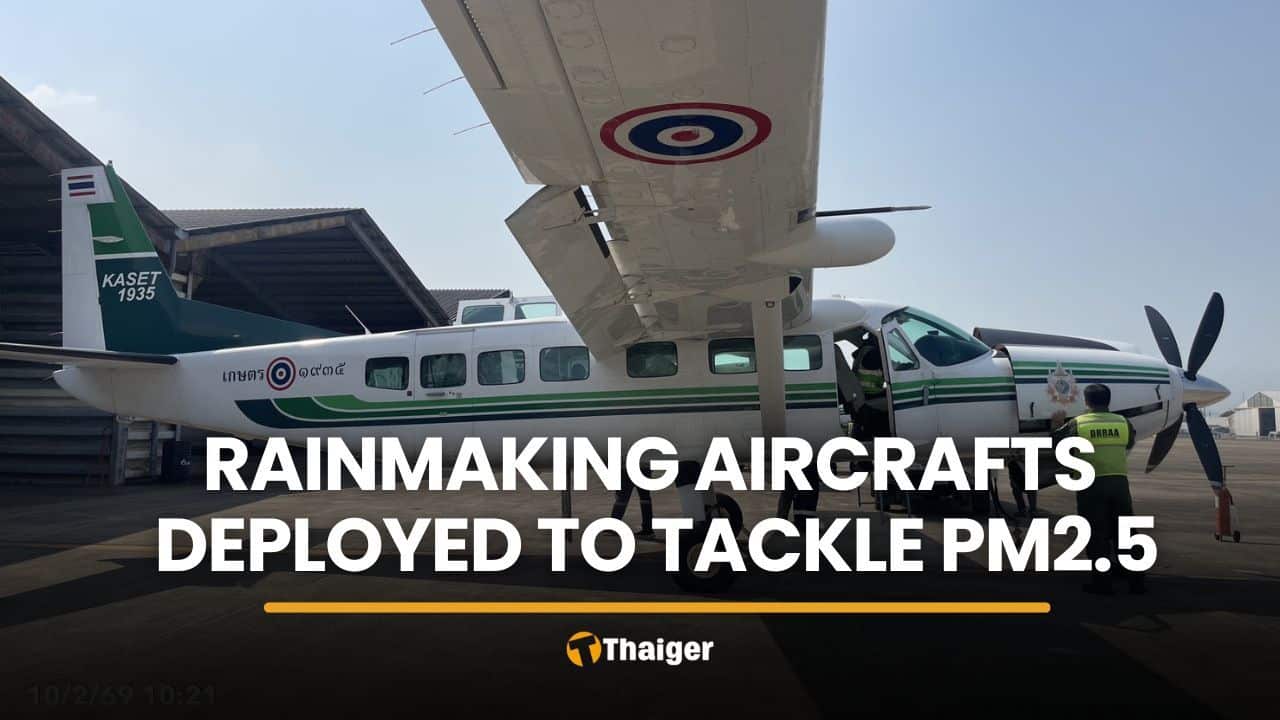
Yesterday, February 12, the Department of Royal Rainmaking and Agricultural Aviation said it is continuing its operations in Bangkok and surrounding provinces, as well as the North and Northeast, to help disperse PM2.5.
Monitoring indicated PM2.5 levels between February 12 and 16 would be moderate to beginning to affect health (yellow to orange).
The operations, led by Director-General Rachen Silparaya, aim to disperse accumulating dust particles as weak winds and limited air ventilation threaten to worsen air quality in several regions.
Air quality monitoring indicates that fine dust levels in Bangkok and nearby provinces, as well as parts of the North and Northeast, are expected to range from moderate to levels beginning to affect health, classified as yellow to orange.
North Thailand faces additional challenges due to its basin-like geography, which encourages pollution build-up. Heat hotspots in neighbouring countries to the west were also detected, while winds blowing from the northwest could carry additional pollution into the region, contributing to higher dust levels.
To address the situation, the department has established four weather modification units in Hua Hin (Prachuap Khiri Khan), Rayong, Tak and Khon Kaen. From February 16 onwards, operational plans may be adjusted.
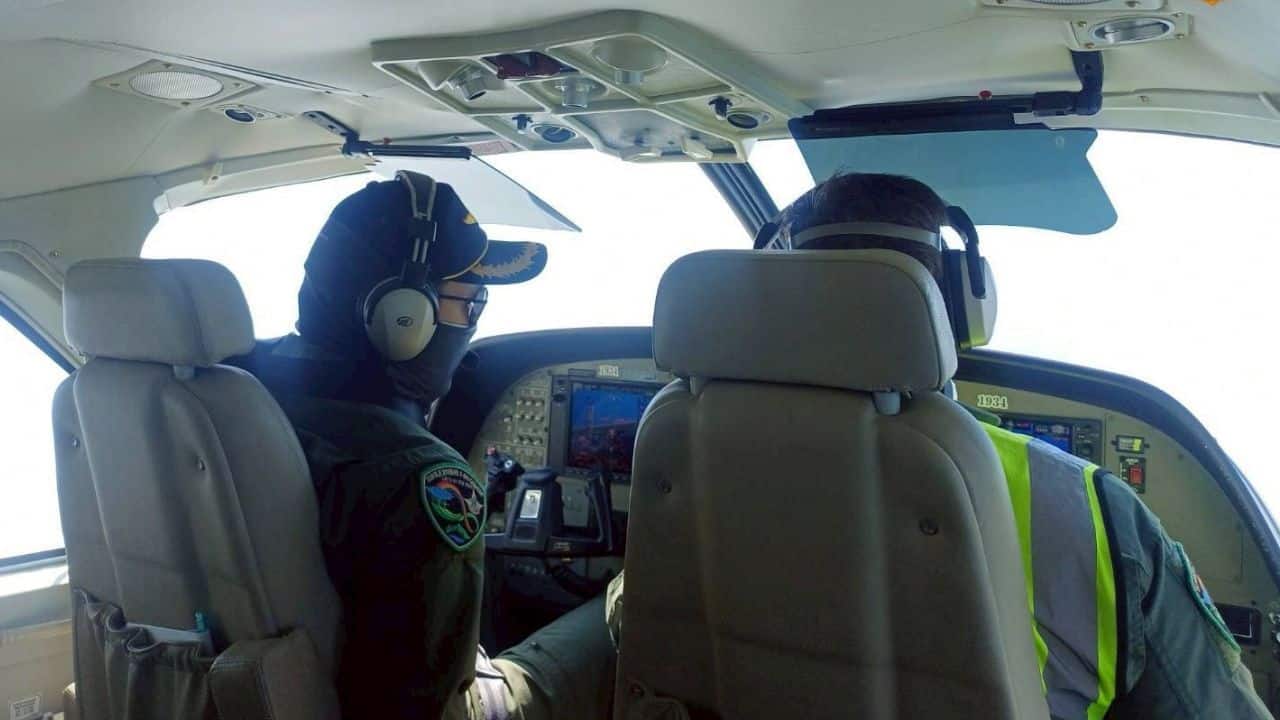
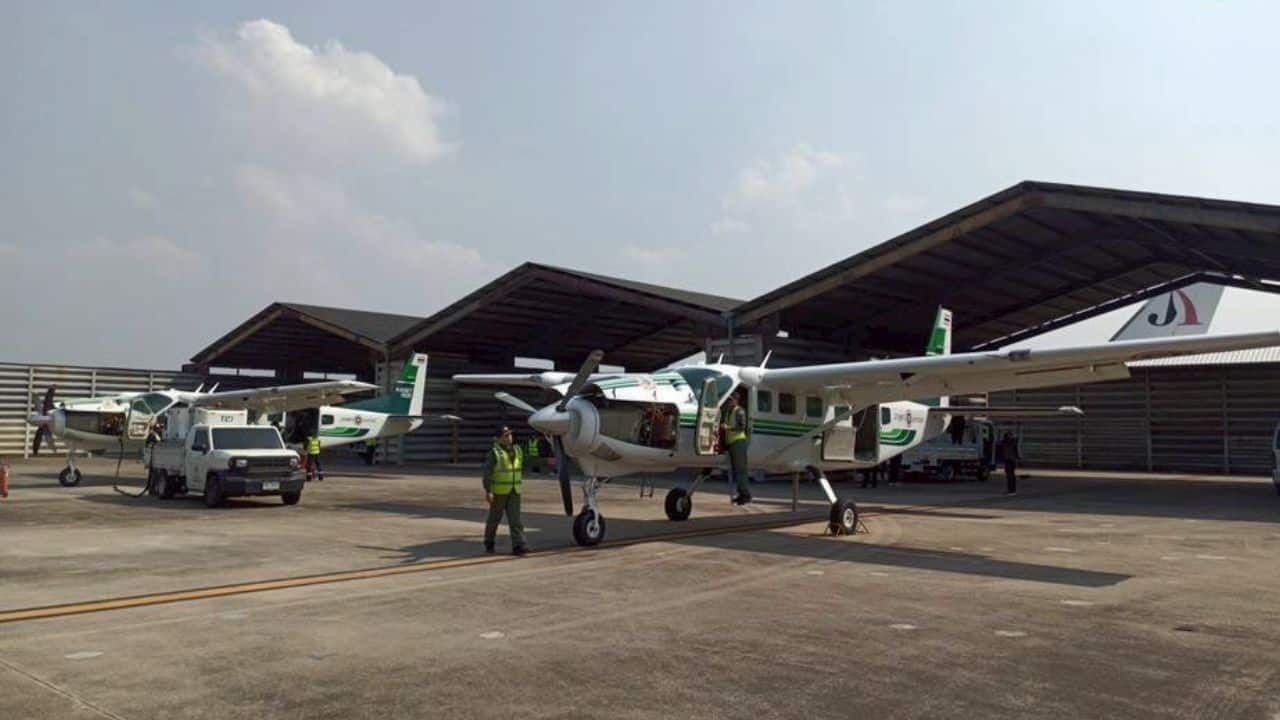
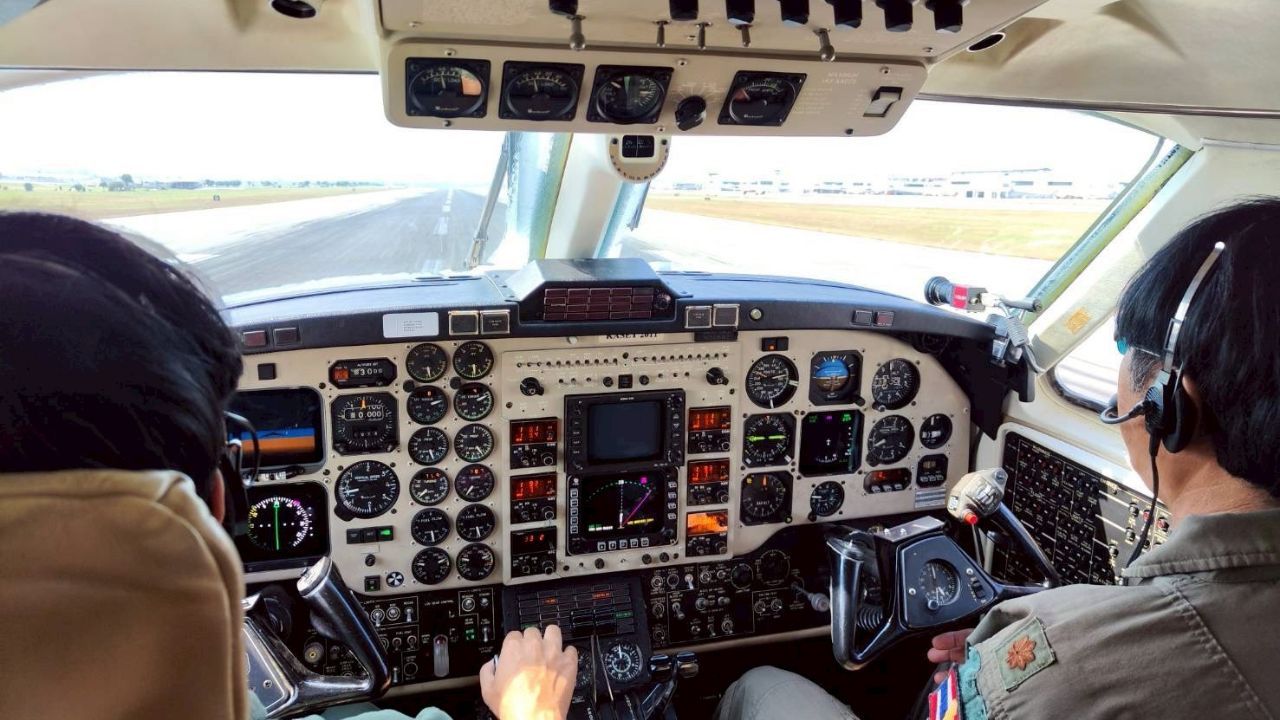
The Hua Hin unit will deploy four planes in total, one Super King Air aircraft and three Caravan aircraft. Rayong will operate one CN aircraft and one Caravan aircraft, while Khon Kaen will use one Casa aircraft. A new unit will open in Phitsanulok, operating two Casa aircraft.


The department stated that its weather modification techniques are based on techniques derived from the royal rainmaking manual bestowed by His Majesty King Bhumibol Adulyadej.
Methods include cloud formation to absorb and disperse dust particles, cloud nurturing to enhance dust absorption, and dry ice seeding to reduce temperature inversion layers in the atmosphere.
Operational data shows that in Bangkok and surrounding provinces, missions conducted from December 1 last year, 2025, to February 9 this year, 2026, totalled 66 days and 398 flights. PM2.5 and Air Quality Index levels decreased after operations on 53 days, resulting in an 80% success rate.
In the Northeast, the department conducted operations on eight days between January 15 and February 9, carrying out a total of 15 flights. PM2.5 and Air Quality Index levels fell after operations on all eight days, marking a 100% success rate during the period.
In North Thailand, missions were flown on six days from February 1 to 9, with 13 flights in total. Dust and AQI levels decreased following operations on all six days, also representing a 100% success rate.
Similarly, earlier this month, Mae Hong Son officials launched a joint campaign aimed at preventing wildfires and reducing air pollution in the province, with multiple key leaders participating in a kick-off event held in front of the municipal office.
Latest Thailand News
























Follow The Thaiger on Google News: