9 things you must do to protect yourself from Bangkok’s hazardous PM2.5 levels in 2026
Steps to manage health and routine when air quality deteriorates across the capital

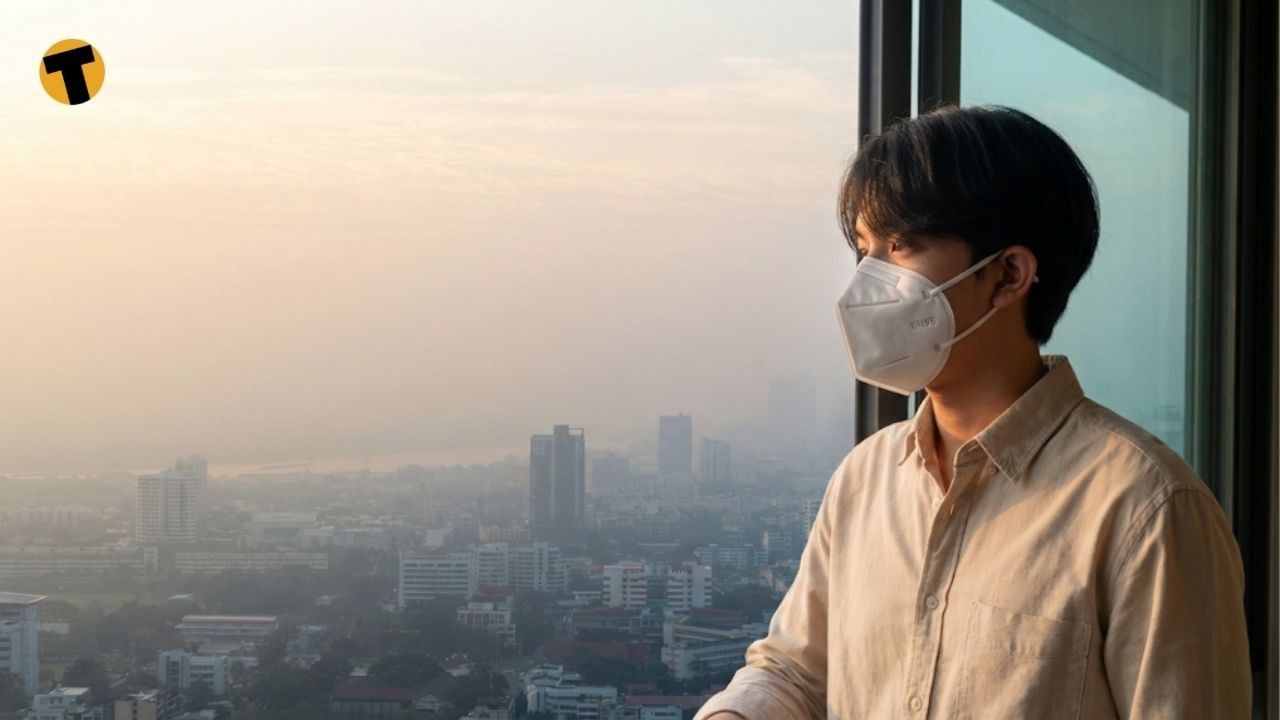
Bangkok woke up to a grey shroud on January 14, with Bangkok PM2.5 levels hitting hazardous territory, readings between 79 and 108 µg/m³ across the capital, nearly triple Thailand’s safety threshold. Fifty-four provinces are under health warnings as smoke from agricultural fires in Cambodia and eastern Thailand has drifted into central regions, where stagnant weather has trapped it.
Add in diesel-heavy traffic and construction dust, and you’ve got why Thailand’s air quality is so bad right now. The Bangkok air pollution causes are a perfect storm with nowhere to go.
9 things to do to protect yourself from Bangkok’s PM2.5 air pollution
| Section (Click to jump) | Short summary |
|---|---|
| Check the air quality | Make real-time PM2.5 checks part of your daily routine, as pollution levels vary sharply by district and hour. |
| Get a mask that works | Only certified respirators like N95 or KN95 offer real protection when PM2.5 levels reach dangerous ranges. |
| Stay inside when severe | Limit outdoor exposure during red-zone days to reduce strain on lungs and avoid worsening respiratory symptoms. |
| Create a clean air home | Air purifiers, sealed windows, and recirculated air can significantly reduce indoor pollution exposure. |
| Rethink your commute | Flexible hours and air-conditioned transport help minimise exposure during peak pollution periods. |
| Watch for warning signs | Persistent respiratory or eye symptoms may signal PM2.5-related illness and should not be ignored. |
| Escape to cleaner air | Southern coastal regions offer more stable air conditions, while northern areas face worsening risks soon. |
| Protect vulnerable people | Children, elderly individuals, and those with heart or lung conditions need strict exposure limits. |
| Prepare for the next round | PM2.5 spikes are seasonal and recurring, making preparation essential rather than optional. |
Check the air quality before you leave the house
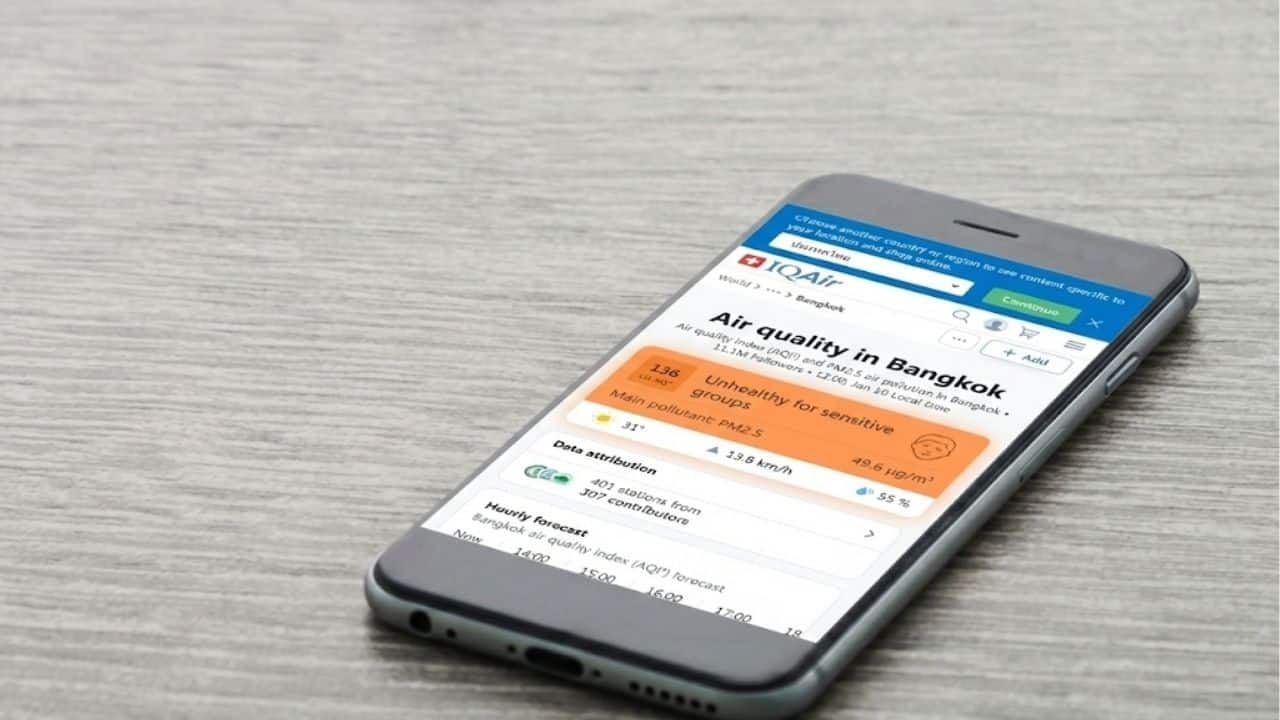
Apps like IQAir, AQICN, and Air4Thai provide real-time PM2.5 readings in Bangkok throughout the day. Air quality swings dramatically between districts, so what’s unpleasant in one area might be hazardous kilometres away.
Central districts, such as Bang Rak and Pathum Wan, have recorded levels of around 80 to 87 µg/m³, while Samut Sakhon reached 108 µg/m³. Make checking Bangkok air quality as routine as checking the weather.
Get a mask that actually works
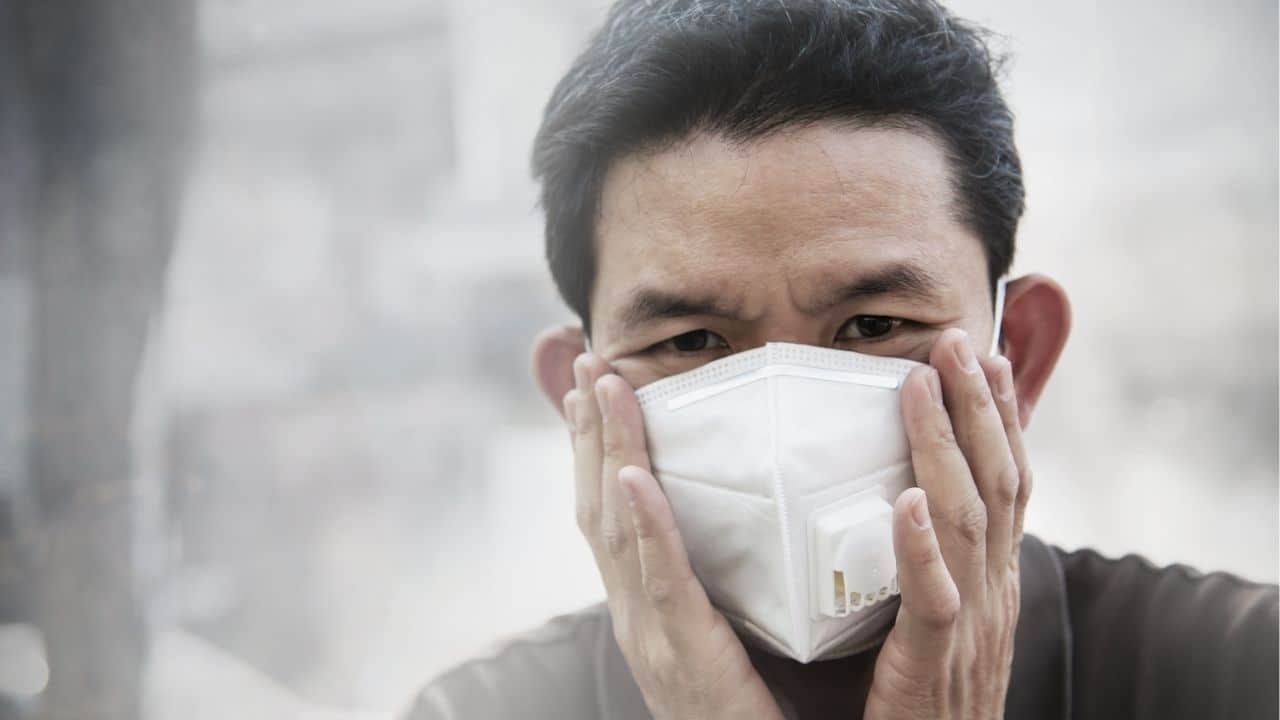
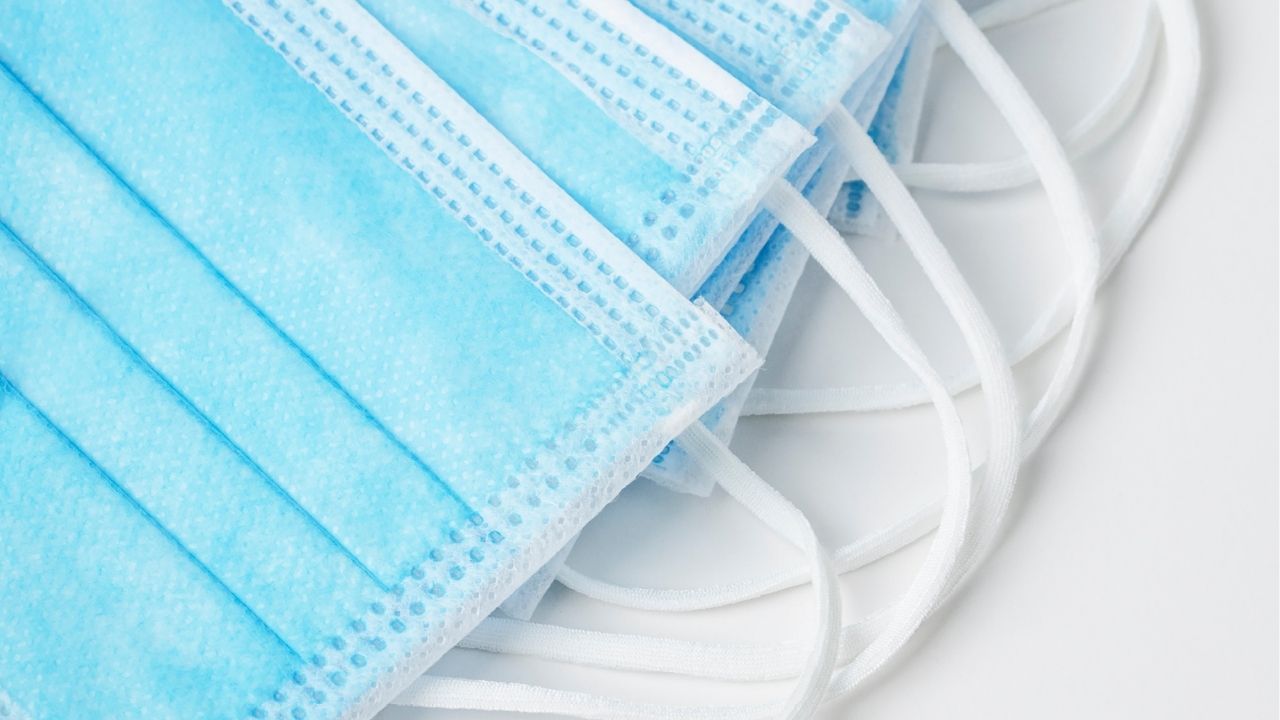
Cloth masks and surgical masks won’t help. PM2.5 particles are far too tiny for standard masks to filter. You need an N95, N99, FFP2, or KN95 respirator that seals properly.
When air pollution in Bangkok reaches the red zone (above 75 µg/m³), a proper mask isn’t a suggestion; it’s essential. Pharmacies have been experiencing runs on masks, so stock up now.
Stay inside when it’s really bad
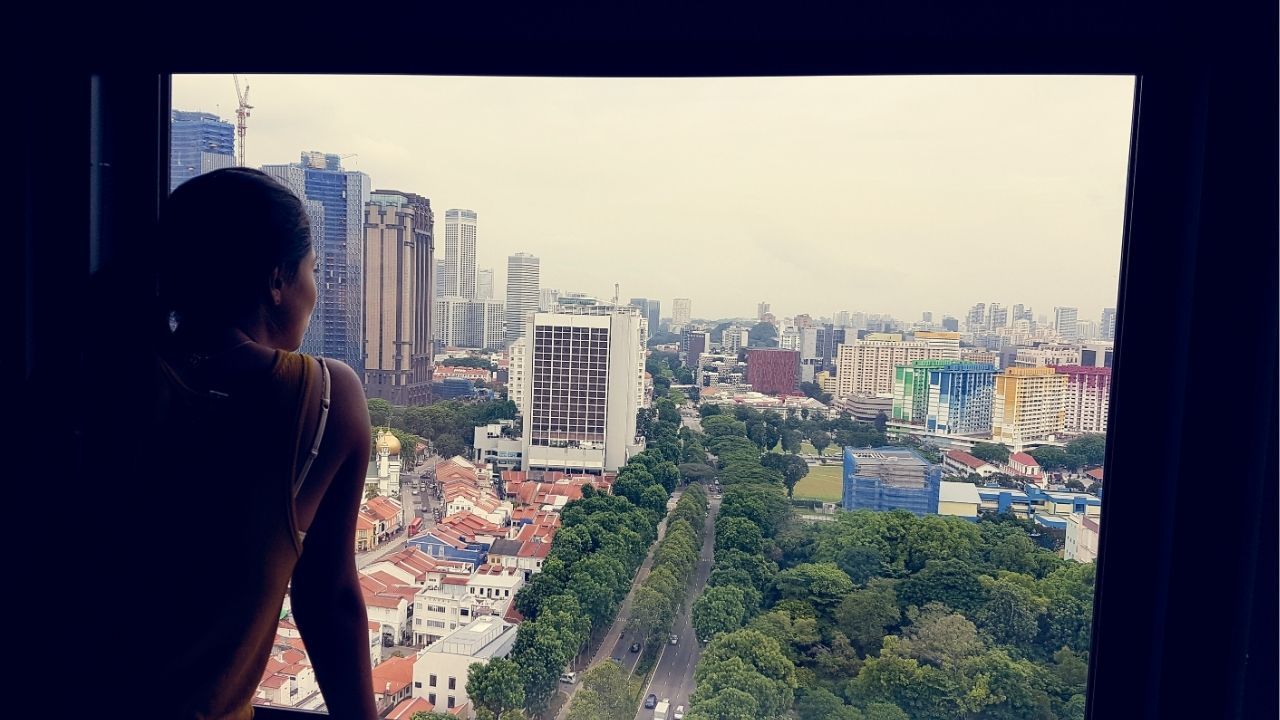
When the AQI climbs into red or orange territory, outdoor activities need to wait. Morning jogs, evening walks, and cycling, postpone these until the Bangkok air improves. If you must be outside, keep it brief and avoid strenuous activity.

Thai hospitals report that over 60% of respiratory patients right now have symptoms directly from PM2.5 exposure, persistent coughing, throat irritation, and breathing difficulties.
Turn your home into a clean air zone
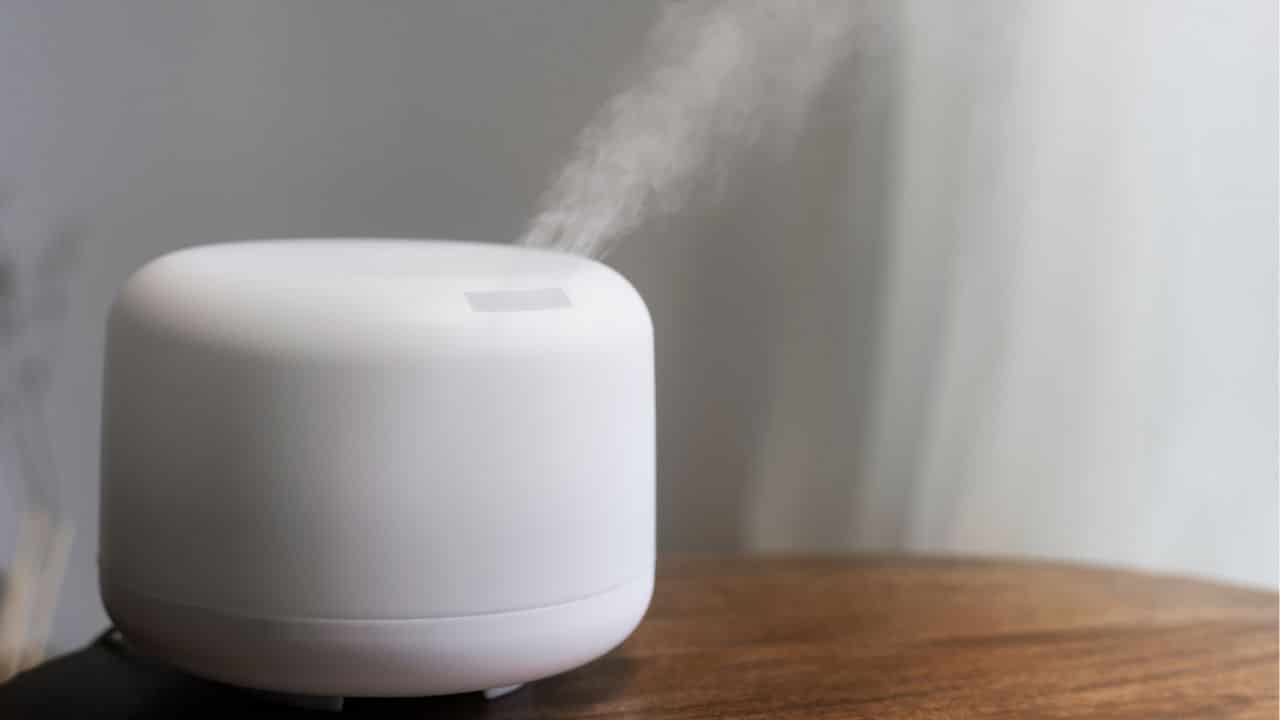
Invest in air purifiers with HEPA filters, focusing on bedrooms where you’re breathing for 6-8 hours. Keep windows shut when outdoor air quality is poor, and set the air conditioning to recirculate mode. No air purifier? Sealing window gaps with tape helps reduce polluted air seeping in.
Rethink your commute
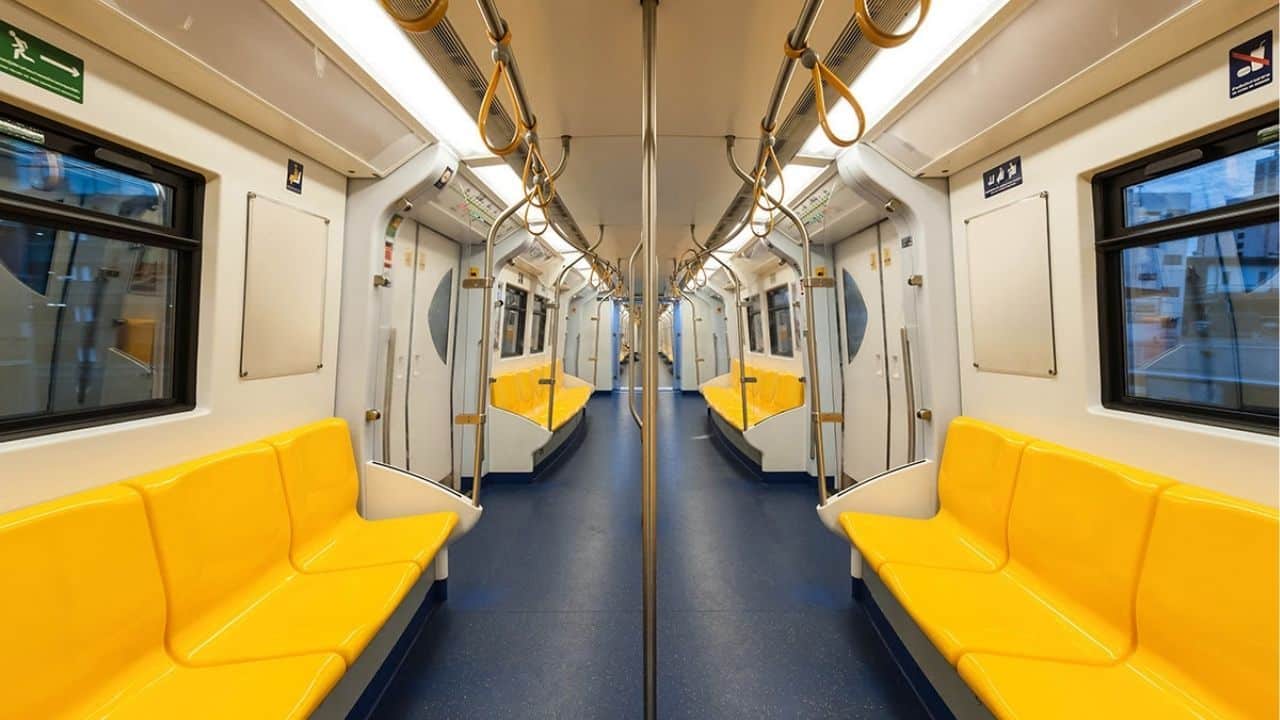
The Bangkok Metropolitan Administration has been pushing work-from-home measures during the worst Bangkok pollution days. Take advantage of the work-from-home measures if your employer offers the flexibility for the sake of your lungs.
If you must commute or travel elsewhere in Bangkok or Thailand, travel midday when pollution dips, and stick to air-conditioned transport, BTS, MRT, or taxis, rather than walking or cycling through high-density areas like Silom or Sathorn.
Watch for warning signs
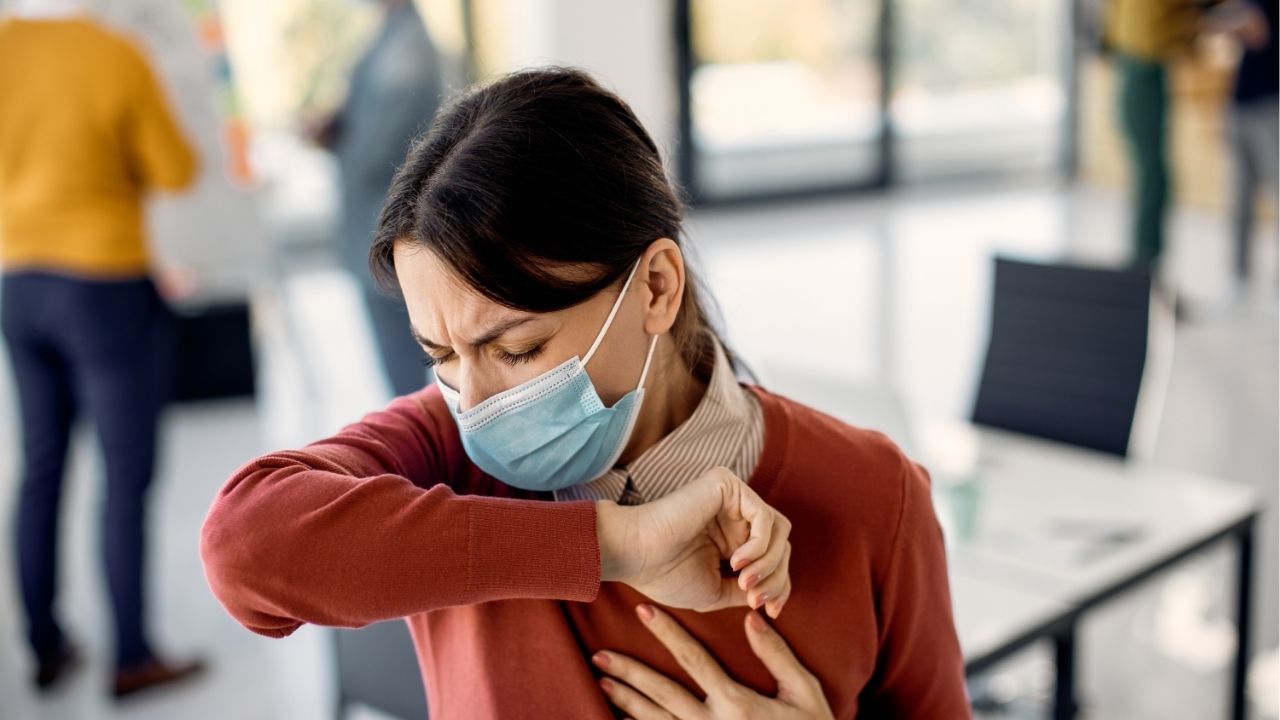
Pay attention to your body! Watch for persistent coughing, throat irritation, stinging eyes, headaches that worsen outdoors, or breathing difficulties. If symptoms worsen, particularly with asthma or respiratory conditions, see a doctor. Bangkok hospitals are taking PM2.5 exposure seriously.
Escape to cleaner air, but head south

If you can relocate temporarily, southern coastal areas like Phuket, Krabi, and the islands are your best bet. Sea breezes disperse pollutants, and air quality is significantly better.
While northern provinces like Chiang Mai currently have clean air (PM2.5 around 12 to 23 µg/m³ as of the time of this article), their burning season starts in February and runs through March. Head south, where conditions remain stable, not north, where you’ll face an even worse crisis within weeks.
Keep vulnerable people indoors

Children, elderly relatives, pregnant women, and anyone with heart or lung conditions face higher risks. When the AQI exceeds 150, which several districts have, these groups shouldn’t be outside. Keep young children in rooms with air purifiers running, and see if schools offer flexibility on drop-off times to avoid the worst morning pollution.
Prepare for the next round
Officials predict relief after January 16 as winds pick up, but this won’t be the last episode. Similar spikes are likely throughout December to April. Stock up on N95 masks, invest in an air purifier, and familiarise yourself with air quality monitoring tools.
This is the new normal for Thailand’s dry season as its recurring every year within this period, and more with the burning season from February to April.
The grey blanket smothering the capital is a stark reminder that clean air isn’t guaranteed in Thailand’s cities. These steps won’t fix the underlying problems, but they’ll help protect you and your family while navigating a city where simply breathing has become a health hazard.
Bangkok air quality hits dangerous levels, but what’s causing the PM2.5 surge?
Latest Thailand News





















Follow The Thaiger on Google News: