How the US-Israel war on Iran affects your fuel costs in Thailand
What the US-Israel-Iran conflict means for petrol, diesel, and living costs in Thailand

Thailand may face sharp increases in fuel prices as escalating tensions between the US, Israel, and Iran push global oil markets into volatile territory. According to Energy Ministry sources, diesel prices could break the US$100 per barrel mark, and with critical shipping routes under threat, Thai authorities are monitoring stockpiles and supply chains while warning that retail prices remain tied to global market movements.
March 4 flagged as a critical ‘risk point’ for pump prices
Energy officials say domestic fuel prices on Monday, March 2, today, are unlikely to rise significantly, as they reference global market prices from the previous trading day. With Tuesday, March 3, a public holiday, an immediate adjustment is also unlikely. However, Wednesday, March 4 has been flagged as a key “risk point” if global negotiations fail to ease tensions, domestic oil prices could surge sharply in line with international markets.
Global oil prices have jumped rapidly amid reports linked to the Israel-Iran conflict. Diesel closed at around US$92 per barrel on Friday, February 28, but could break US$100 per barrel as the crisis deepens, the Energy Ministry source said. This upward pressure on global oil prices will directly affect retail prices in Thailand, which are linked to global market mechanisms.
Beyond the pump, higher energy costs will worsen the economic outlook through rising prices for everyday goods. Oil serves as the economic system’s main artery, meaning when transportation costs grow, supermarket items and even street food prices follow.
Government monitoring reserves and strategic shipping routes
Relevant energy agencies, including the Department of Energy Business and the Energy Policy and Planning Office, are urgently assessing Thailand’s energy security. Officials are checking remaining oil stock levels to determine coverage capacity for the coming months.
The Ministry of Energy confirms Thailand currently holds sufficient oil reserves for approximately 61 days as of February, and is preparing alternative supply plans should the situation deteriorate further.
Authorities are also closely monitoring tankers travelling through the Strait of Hormuz and the Red Sea, astrategic routes for global energy trade. The Strait of Hormuz alone handles 20% of the world’s oil shipments, and any closure or disruption would trigger significant volatility in global crude oil prices.


Officials are tracking whether deliveries are being delayed or disrupted, with initial assessments focused on whether reserves can cushion potentially prolonged market instability.
The Energy Ministry source stressed that the most critical condition is that the conflict must not broaden or draw in additional countries, as that would increase risks to energy stability and the global economy.
Broader economic impacts of the Iran war and what you should do
Beyond fuel costs, the conflict is rippling through Thailand’s economy. The Thai stock market typically declines following global trends amid investor concerns, while gold prices have surged to 78,000-80,000 baht per baht-weight as a safe-haven asset.
Some major Thai gold shops, including Hua Seng Heng and Mae Thong Suk, have temporarily suspended online and bullion gold trading during periods of heavy price fluctuations. The US dollar tends to strengthen during conflicts, causing the baht to weaken and raising import costs, though this may positively affect export earnings in baht terms.
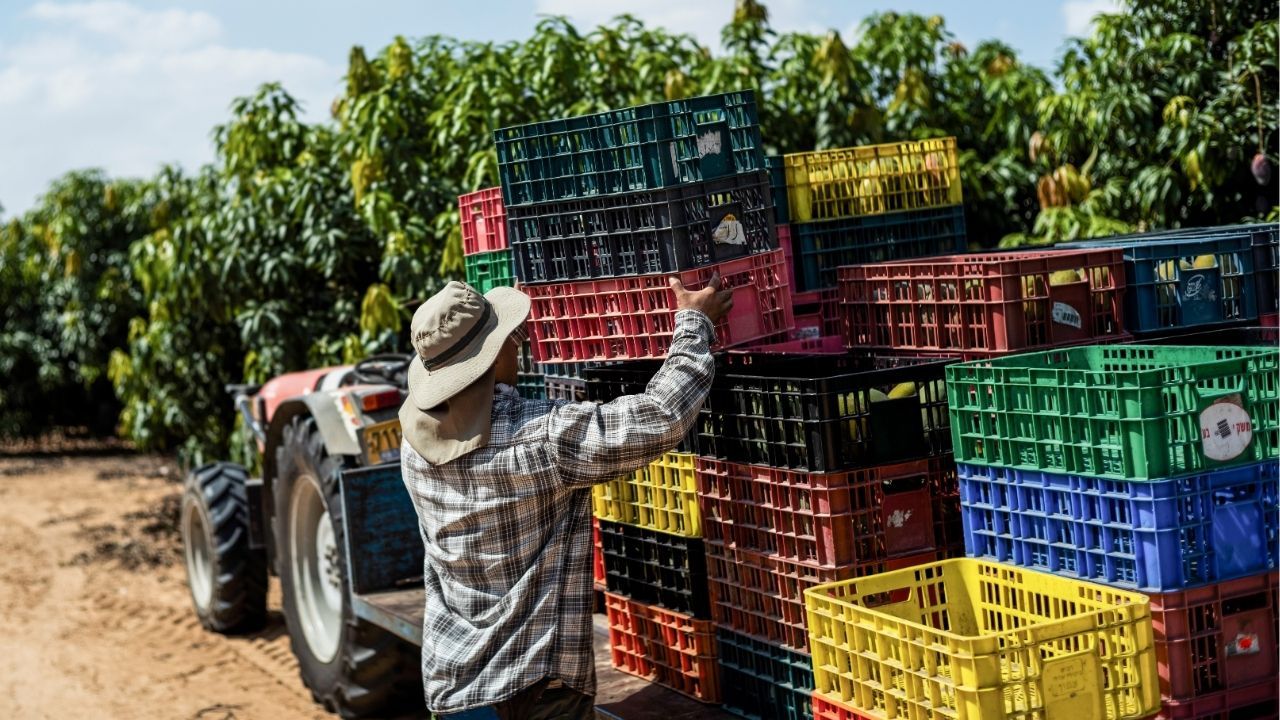
A significant number of Thai workers are employed in Israel, mostly in agriculture, and the Thai government is monitoring the situation and preparing evacuation plans should the conflict intensify in risky areas. Meanwhile, the number of tourists from the Middle East, a high-spending group, may decrease due to closed airspace or travel difficulties, though some might choose Thailand as an alternative destination.
As the situation develops, there are practical steps you can take. Plan your travel carefully, use route-checking apps to avoid traffic or switch to public transport like the BTS on days you don’t need to travel far, saving fuel costs. Compare prices and promotions when shopping, or buy in bulk to reduce the cost per item. Most importantly, follow trustworthy news sources to assess the real situation. War news can trigger panic and unnecessary hoarding.
The coming days will be critical. If global negotiations can ease tensions in the Middle East, Thailand may avoid the worst price impacts. If not, Wednesday’s fuel prices could mark the beginning of a prolonged period of higher pump costs and beyond.
Sources:
• The Nation Thailand – Oil prices surge on Middle East crisis
• Thairath English – How to Cope with Rising Prices: Iran-Israel War Impact
• Thairath English – 4 Impacts on Thailand from Protracted Iran-Israel War
Latest Thailand News
























Follow The Thaiger on Google News: