Thailand’s alcohol ban frustrates tourists, hits restaurant sales

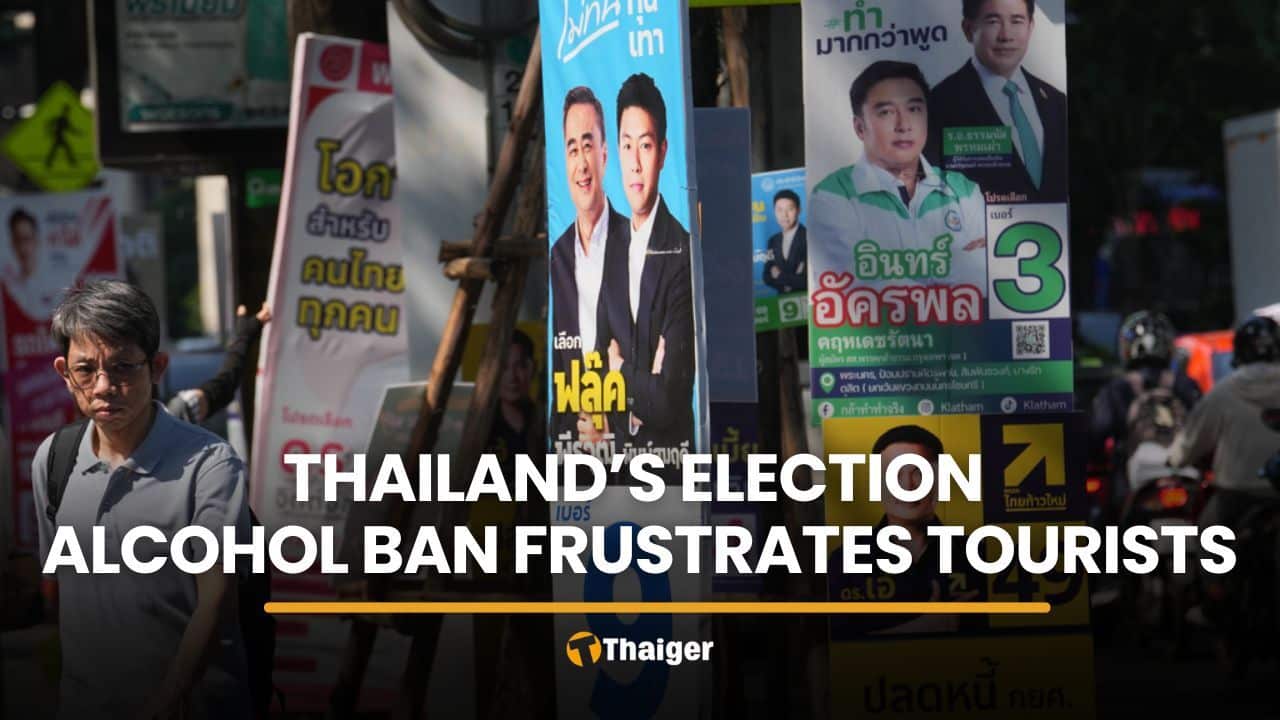
Foreign tourists visiting Thailand during the country’s election period have found themselves caught off guard by a nationwide alcohol ban, leading to frustration at restaurants and bars, particularly in popular destinations like Bangkok and Phuket.
On February 1, during the first 24-hour restriction linked to advance voting, diners at a Bangkok restaurant, newly arrived from the United States, were told they could not order wine with their meal.
Sorathep Steve, who operates five restaurants in the capital, said the group was visibly disappointed and had to settle for lemon soda after he explained the legal restrictions in place.
Thailand enforces a strict alcohol sales ban ahead of general elections, prohibiting the sale, purchase, or distribution of alcohol during two 24-hour periods.
The first coincided with advance voting on February 1, while the second begins at 6pm on Saturday, February 7, ahead of the general election on Sunday, February 8.
Authorities say the long-standing rule aims to reduce vote-buying and keep election day peaceful. But for businesses that rely heavily on international visitors, especially during the peak travel season, the financial impact is being felt.
Sorathep said his sales dropped by half during the early voting period, attributing the decline to the alcohol ban and the fact that foreign tourists make up around 50% of his clientele.
In Phuket, Benny De Bellis, who owns several venues, reported a 30% dip in revenue during the advance voting weekend. He said staff were briefed to explain the situation to guests, and signs were posted to minimise confusion.
However, he fears the impact during the general election could be even worse, with losses of up to 50% expected.
Nearby, Sumitha Soorian, owner of Mrs B Bar & Table, said she anticipates a 90% drop in bar sales next weekend due to the alcohol restrictions.
Thailand welcomed 33 million international arrivals last year, down 7.2% from the year before, according to official figures. Natural disasters and border tensions with Cambodia were cited as contributing factors.
While other countries also impose alcohol limits during elections, tourism businesses argue that implementing dry days during Thailand’s busiest months could damage its image as a worry-free holiday destination.
Bill Barnett of C9 Hotelworks, a hospitality consultancy, said repeated restrictions during high season risk changing how Thailand is perceived by repeat travellers.
He warned that while short-term losses could be absorbed, a damaged reputation would be far more difficult to repair, reported Bangkok Post.
In similar news, Thailand’s updated Alcohol Control Act came into effect with confusion and criticism from business operators, tourists and the hospitality industry, as the law introduces penalties not only for sellers but also for drinkers consuming alcohol outside permitted hours.
Latest Thailand News
















Follow The Thaiger on Google News: