Thai election secrecy questioned over barcode ballot papers

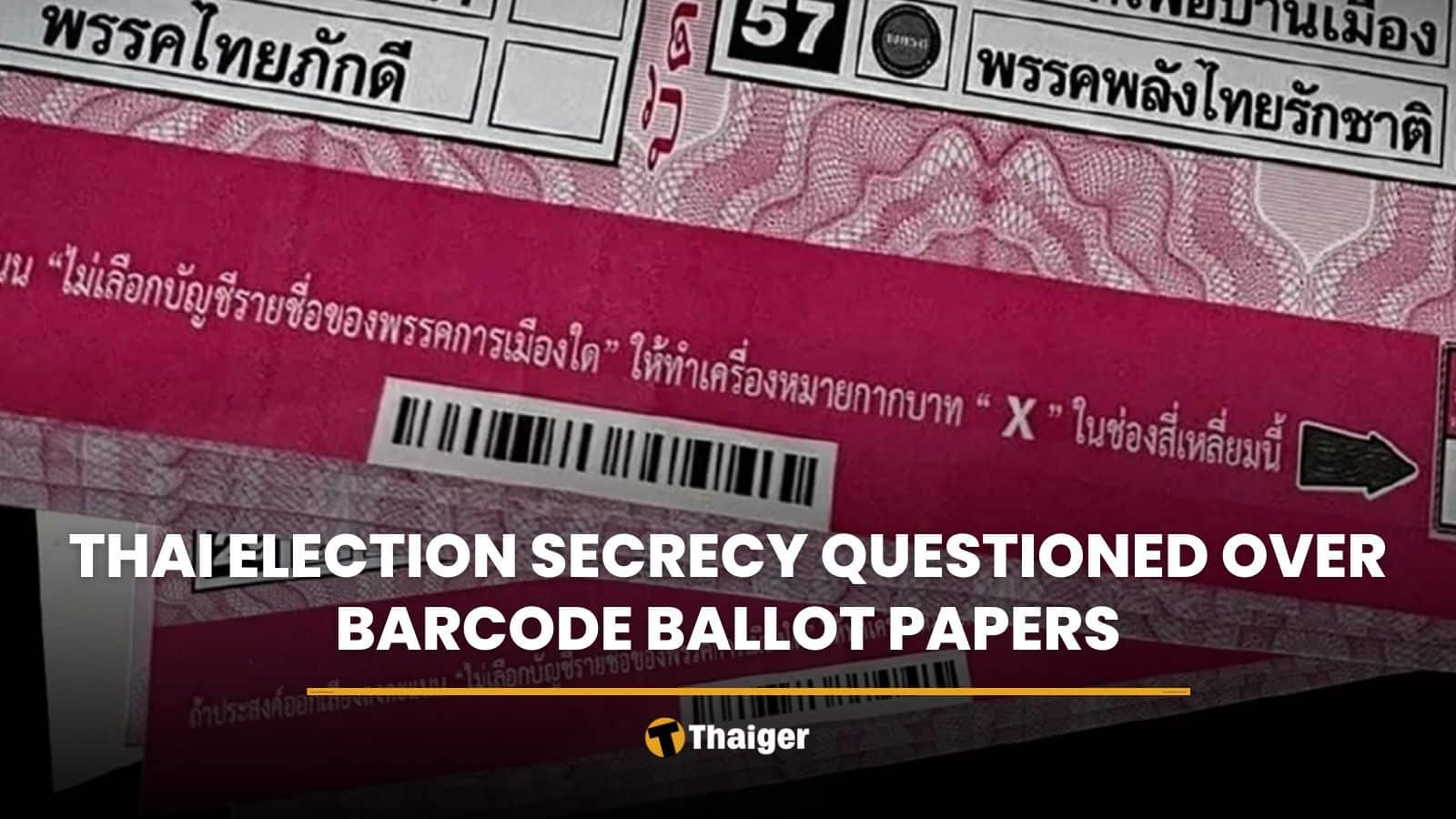
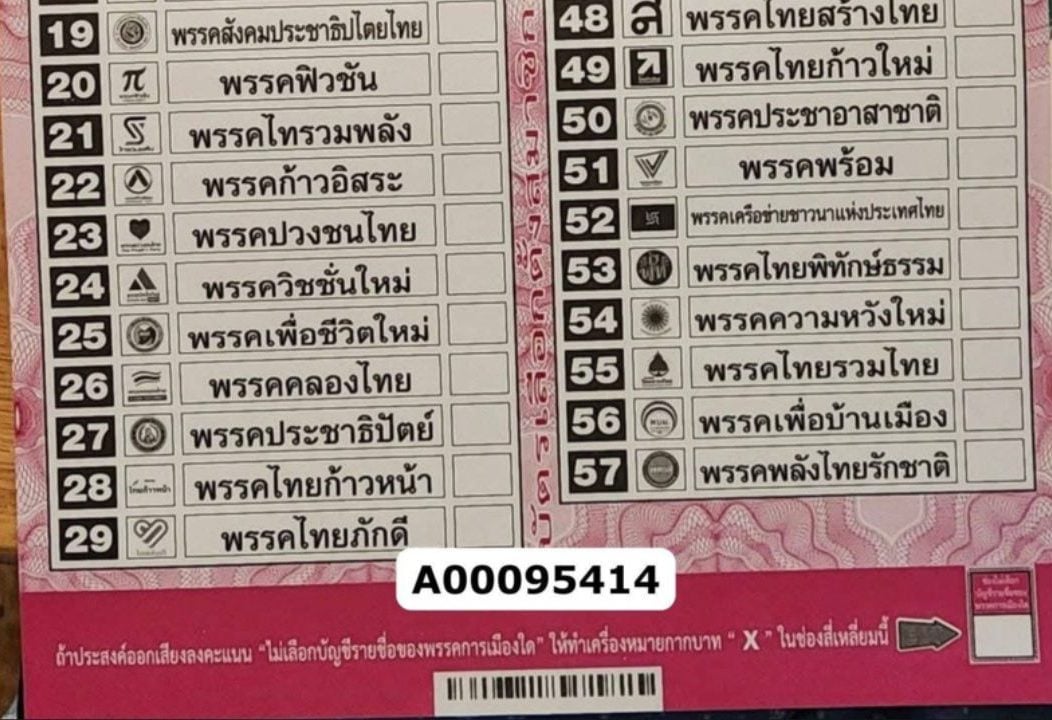
Thailand’s Ombudsman has referred the use of barcodes and QR codes on ballot papers during the February 8 general election to the Constitutional Court, citing concerns that the system may have violated the constitutional requirement for direct and secret voting.
The Office of the Ombudsman announced on Friday that it had received 21 complaints from citizens urging it to submit a petition under Section 213 of the charter, which allows individuals to petition the court directly if they believe their constitutional rights or liberties have been infringed.
Petitioners argued that barcodes and QR codes printed on ballot papers “could be traced or backtracked to the voter,” raising doubts that vote secrecy was “not preserved as the constitution intended.”
After examining the information gathered, the Ombudsman concluded there were sufficient grounds to question whether the Election Commission (EC), its secretary-general, and related officials had acted in breach of the constitution. The office stated the petition had “weight and reasonable grounds” to proceed.
If the court rules that ballot secrecy was violated, the February 8 election results could be annulled, triggering a new election at a taxpayer cost of 7 billion baht or more.
The office is also investigating separate complaints related to the election’s conduct. These include whether a 2023 EC regulation permitting the addition of codes, symbols, or other marks to ballot papers in special cases is consistent with Section 85 of the constitution and the organic law on the election of MPs.
Additional complaints under review concern the unequal number of constituency and party-list ballot papers, and whether the use of barcodes and QR codes breached the Personal Data Protection Act.


Latest Thailand News

























Follow The Thaiger on Google News: