Thailand tourism steady despite 4.4% dip amid Middle East conflict


Thailand recorded a 4.40% decline in international tourist arrivals between January 1 and March 11, 2026, compared with the same period last year, 2025, but inbound travel has remained steady into early March despite pressures linked to Middle East tensions, reported the Ministry of Tourism and Sports.
Natreeya Thaewiwong, the ministry’s permanent secretary, said cumulative arrivals in the first part of March 2026 show inbound travel is continuing “with good stability and without a severe slowdown,” even as Thailand monitors developments that could influence demand.

Between January 1 and March 11, Thailand recorded 7,489,983 international tourist arrivals. The figure is down 4.40% compared with the same period in 2025, which the ministry attributed to the Middle East situation.
Even so, early 2026 saw daily arrivals exceeding 100,000, generating more than 368,172 billion baht in tourism revenue, which the ministry sees as reaffirming Thailand’s position as a major global destination.
During the period of heightened regional tension, Natreeya said daily arrivals remained stable with no sharp slowdown. However, combined arrivals from Europe and the Middle East fell to 304,714, down 16% on normal travel trends.
European arrivals fell 14%, which she linked to flight routes that transit the Middle East, while arrivals from the Middle East dropped 55% to 7,490 travellers, 77% of them Israelis. She added that travel from Muslim-majority Middle Eastern countries is typically lower during Ramadan.
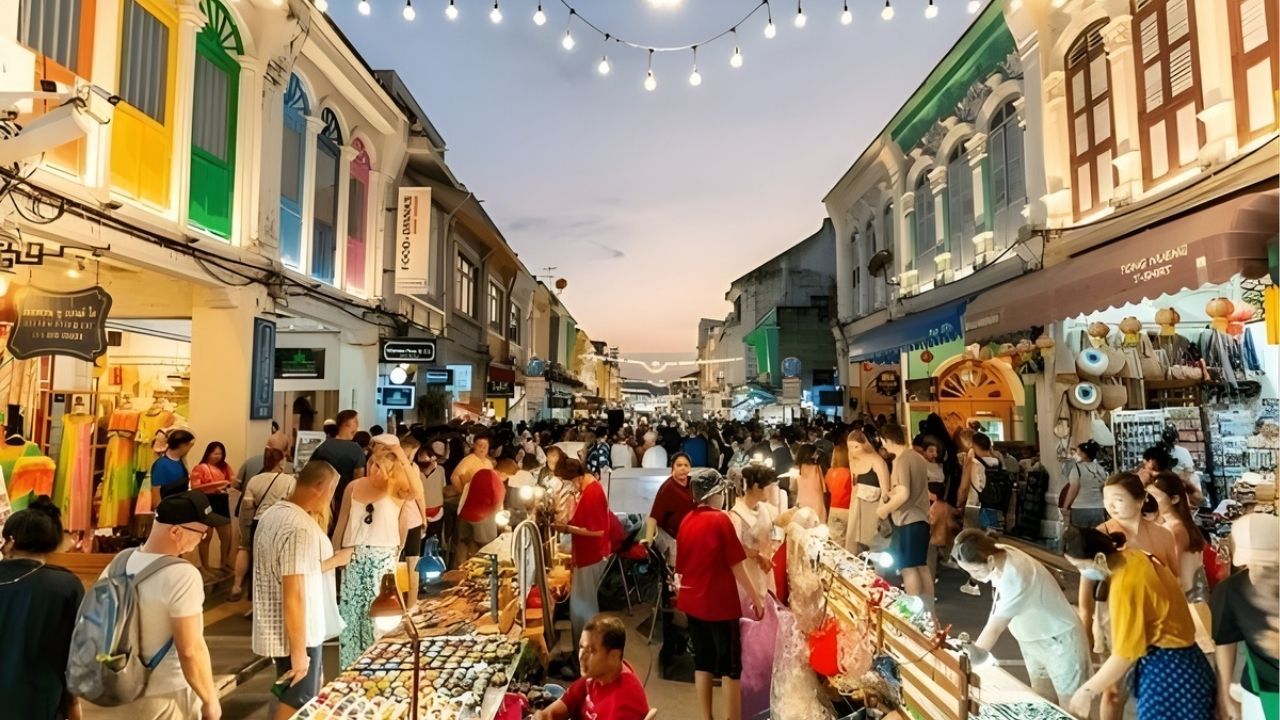
One issue the ministry is watching closely is oil prices and their impact on airfares. If the situation persists for another two to three months, she said higher ticket prices could influence travel decisions among Gen Z tourists, who are more price sensitive.


On proactive measures, the Tourism Authority of Thailand (TAT) is seeking to maintain momentum through promotional activity, including the Amazing Thailand Post-ITB Roadshow 2026 in Eastern Europe, beginning in Poznan, Poland.
The programme targets what TAT described as a high-quality emerging market with an average stay of up to 14 days. TAT also pointed to a planned LOT Polish Airlines direct route between Warsaw and Bangkok in October, expected to add more than 88,000 seats to help offset slowing markets.
Beyond Europe, TAT has continued tourism promotion in Shanghai, China, aiming to stimulate short-haul demand and sustain the Chinese market by rolling out campaigns tailored to younger travellers and families.


The permanent secretary’s office is also preparing to launch a Mekong riverside tourism initiative across seven provinces: Loei, Nong Khai, Bueng Kan, Nakhon Phanom, Mukdahan, Amnat Charoen and Ubon Ratchathani.
It was reported that the project will highlight local cultural identity as a new selling point, with the aim of creating visitor experiences and distributing income to communities in a sustainable way.
“The cumulative total of more than 7.4 million tourists confirms that travellers continue to have confidence in Thailand,” Natreeya said.
While oil prices and geopolitical factors remain challenges, she said the ministry is adjusting its approach by promoting domestic travel through the Tiew Thai Chuay Thai programme to keep national revenue targets on track.
In a separate development, Bangkok was ranked the most-visited city in the world in 2025, according to a leading international survey, highlighting Thailand’s tourism rebound and reinforcing the capital’s global reputation as a top destination.
Latest Thailand News

























Follow The Thaiger on Google News: