Thai and Cambodian diplomats meet in China to reinforce ceasefire and border stability
Beijing talks aim to secure 72-hour truce, manage prisoner exchange, and prevent renewed fighting along contested border

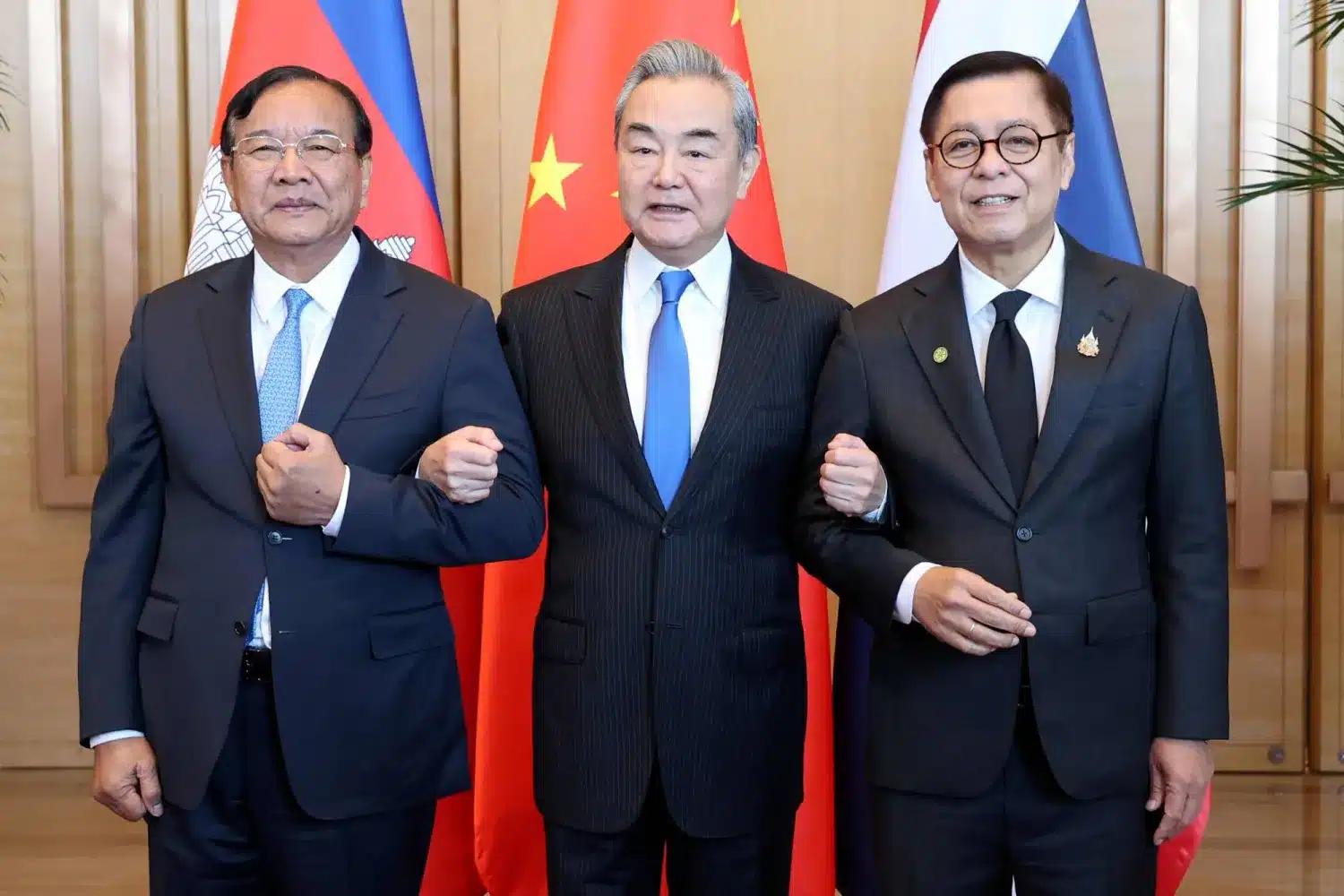
Top diplomats from Thailand and Cambodia met in China on Sunday for high-level talks aimed at reinforcing a fragile ceasefire and preventing a return to fighting along their disputed border, as Beijing steps up its role as a regional mediator.
The meetings follow the signing of a new ceasefire agreement intended to halt weeks of clashes that have killed more than 100 people and displaced over 500,000 civilians on both sides of the border. The talks are taking place in China’s Yunnan province and are being facilitated by Chinese Foreign Minister Wang Yi.
Thailand’s Foreign Minister Sihasak Phuangketkeow and Cambodia’s Foreign Minister Prak Sokhonn are expected to hold bilateral discussions with China, followed by a trilateral meeting focused on monitoring the ceasefire and outlining next steps. According to Thailand’s Foreign Ministry, the goal is to move beyond a temporary halt in fighting toward a sustained reduction in tensions and a framework for longer-term stability.
China has welcomed the ceasefire, which freezes current front lines and allows displaced civilians to begin returning to their homes near the border. Beijing has positioned itself as a key diplomatic broker in the dispute, alongside efforts by the United States and Malaysia. Chinese officials said the country is prepared to continue providing a platform for dialogue and practical coordination between the two neighbors.
The ceasefire includes a 72-hour observation period, after which Thailand has agreed to repatriate 18 Cambodian soldiers captured during earlier fighting in July. The release of the detainees has been a central demand from Phnom Penh and is seen as an early test of trust between the two sides.
Cambodian Foreign Minister Prak Sokhonn expressed appreciation for China’s role, describing Beijing’s involvement as vital to stabilizing the situation. China has also announced 20 million yuan, or about 2.8 million US dollars, in emergency humanitarian assistance for Cambodia to support displaced communities. The first shipment of aid, including food, tents, and blankets, arrived in Cambodia on Sunday.
Thai officials stressed that while China’s mediation is welcome, Thailand expects all parties to respect the ceasefire and avoid provocations. Sihasak said the talks should send a clear message against any attempt to restart hostilities or alter conditions on the ground during negotiations.


International attention has remained focused on the border situation. US President Donald Trump claimed the fighting would stop “momentarily” following the ceasefire, though previous truce efforts earlier this year failed to hold. Analysts note that the current agreement will depend heavily on enforcement mechanisms, transparent communication, and restraint by local commanders.
As discussions continue, both governments face pressure at home to protect civilians, manage troop deployments, and prevent misinformation from inflaming tensions. The outcome of the China-hosted talks is expected to shape whether the ceasefire becomes a stepping stone to broader negotiations or remains a short pause in a long-running dispute. Source Associated Press.
Latest Thailand News

























Follow The Thaiger on Google News: