Bangkok rolls out adaptive CCTV-AI traffic lights to tackle traffic

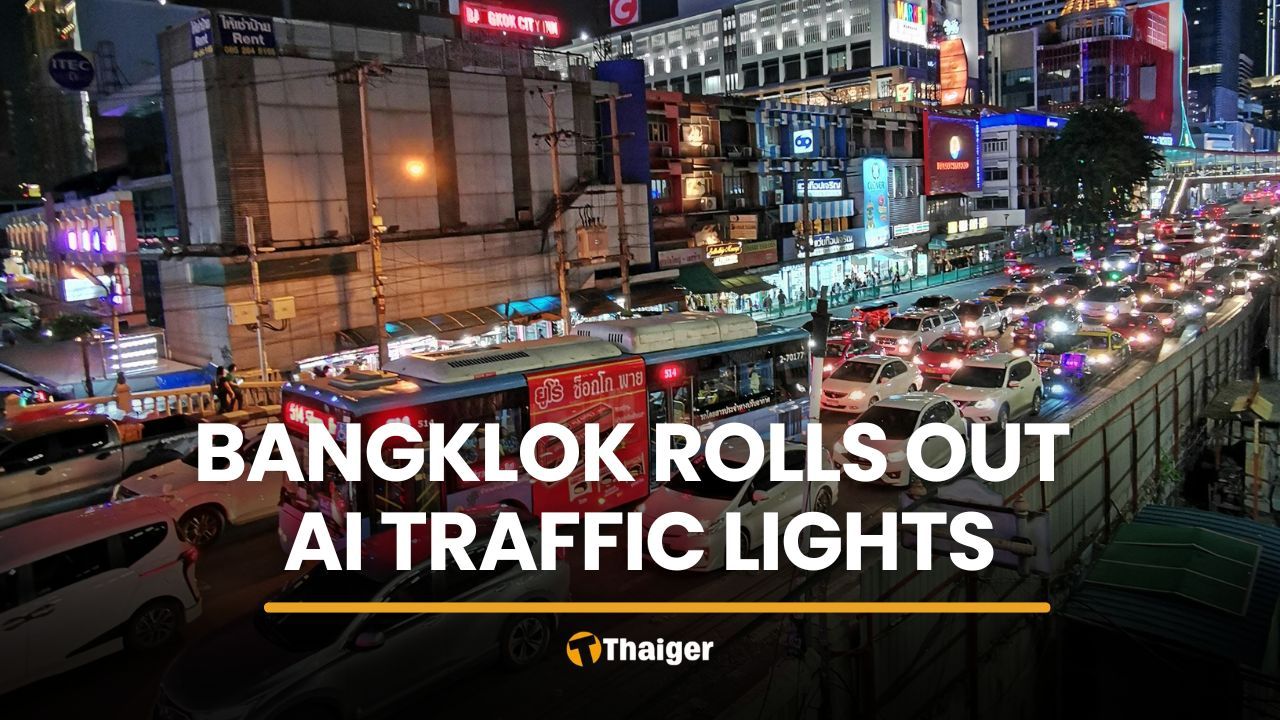
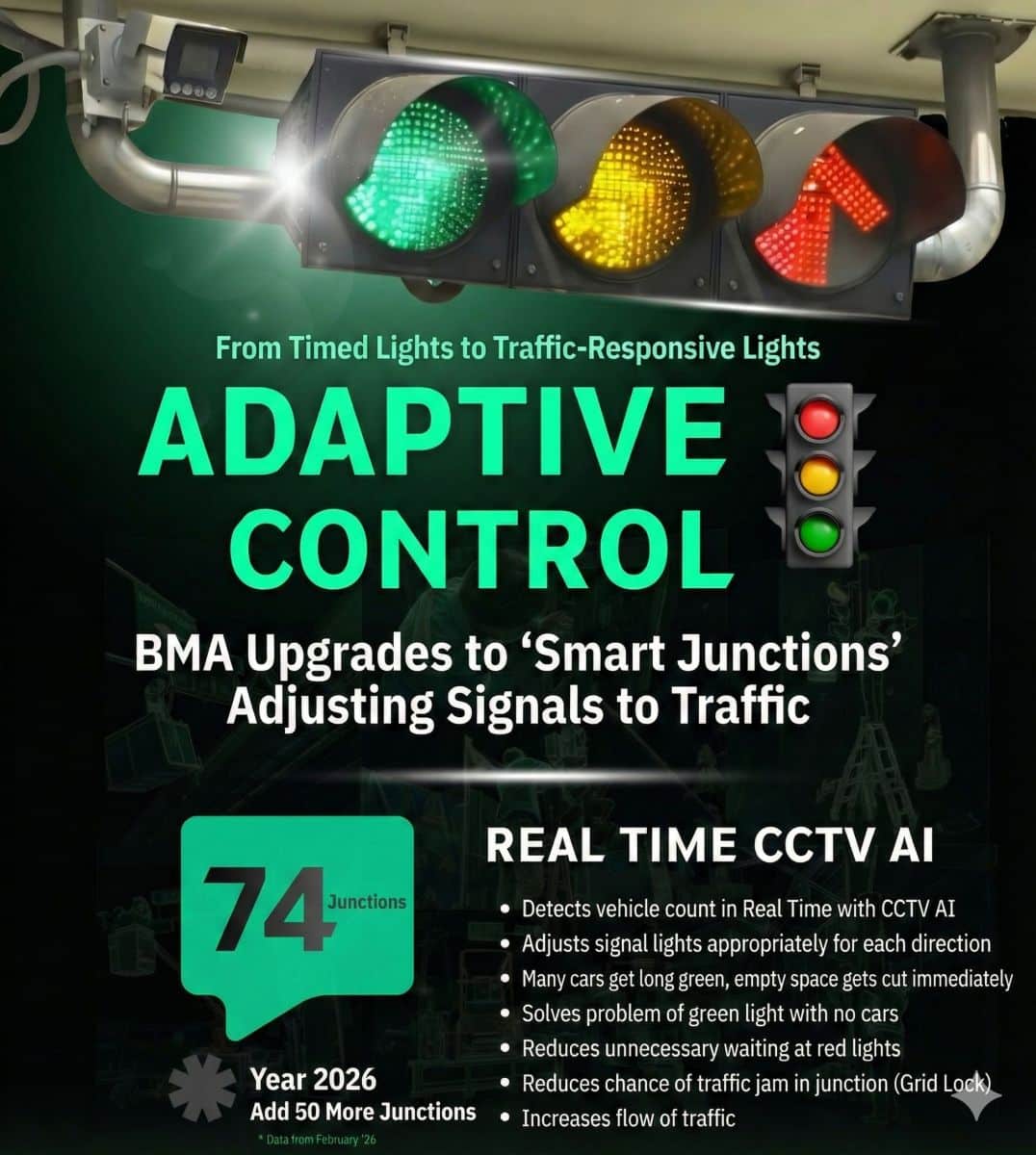
Bangkok Metropolitan Administration (BMA) has begun upgrading traffic lights at dozens of intersections to an adaptive system that uses CCTV and AI to adjust signals in real time, with plans to expand the rollout further this year.
According to information posted on February 20 on the BMA‘s Facebook page, Bangkok is moving away from traditional fixed-timing traffic signals and towards an automated adaptive control system that adjusts signals to real traffic volumes
The aim is to make journeys more convenient and cut the time spent on roads.
The BMA oversees 746 intersections in Bangkok, including 168 without traffic lights and 578 that do. Of the 578 intersections with traffic lights, 433 still use fixed-time signals, 71 use adaptive loop detectors, and 74 have been upgraded to the newer adaptive real-time CCTV system.
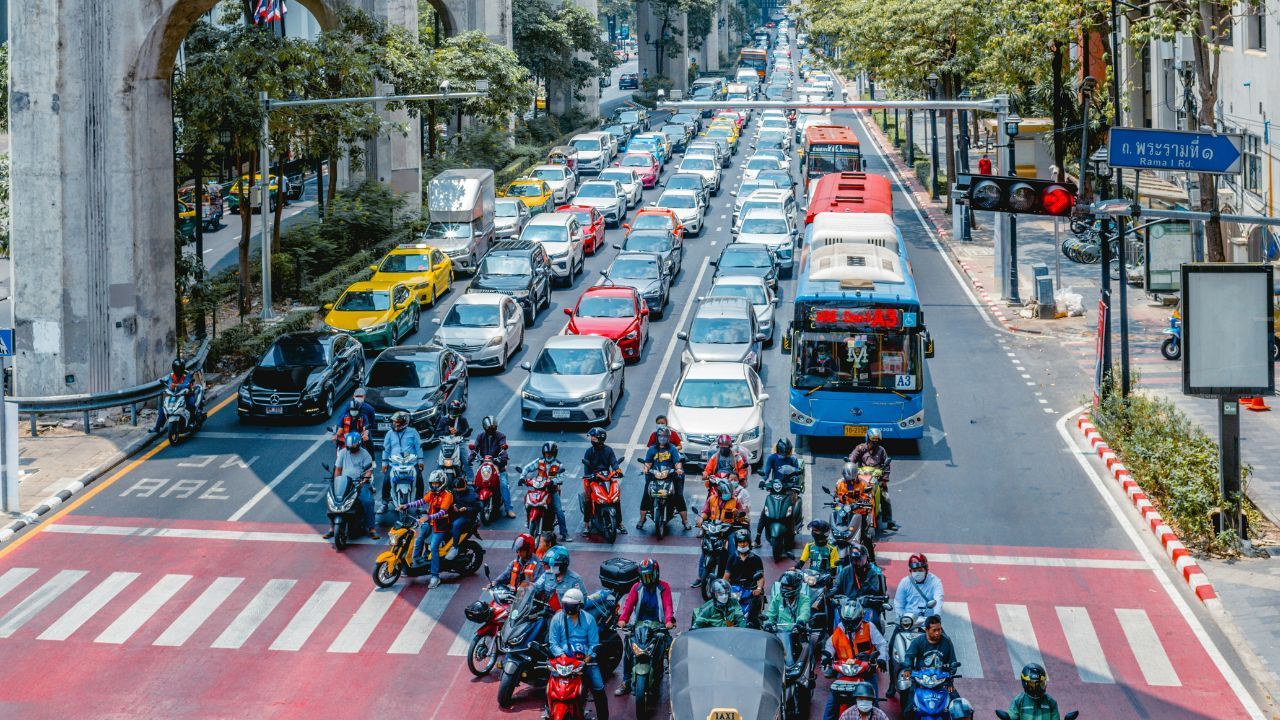
The BMA explained that fixed-time signals cannot adjust to traffic changes across different periods of the day, which can lead to familiar problems for road users.
Examples include green lights showing when there are no vehicles, drivers having to stop at red lights even when the opposing side is clear, and delays in making adjustments because staff need to attend sites in person.
Under the newer adaptive CCTV approach, cameras and intelligent processing are used to detect traffic volumes in real time, replacing the previous method.

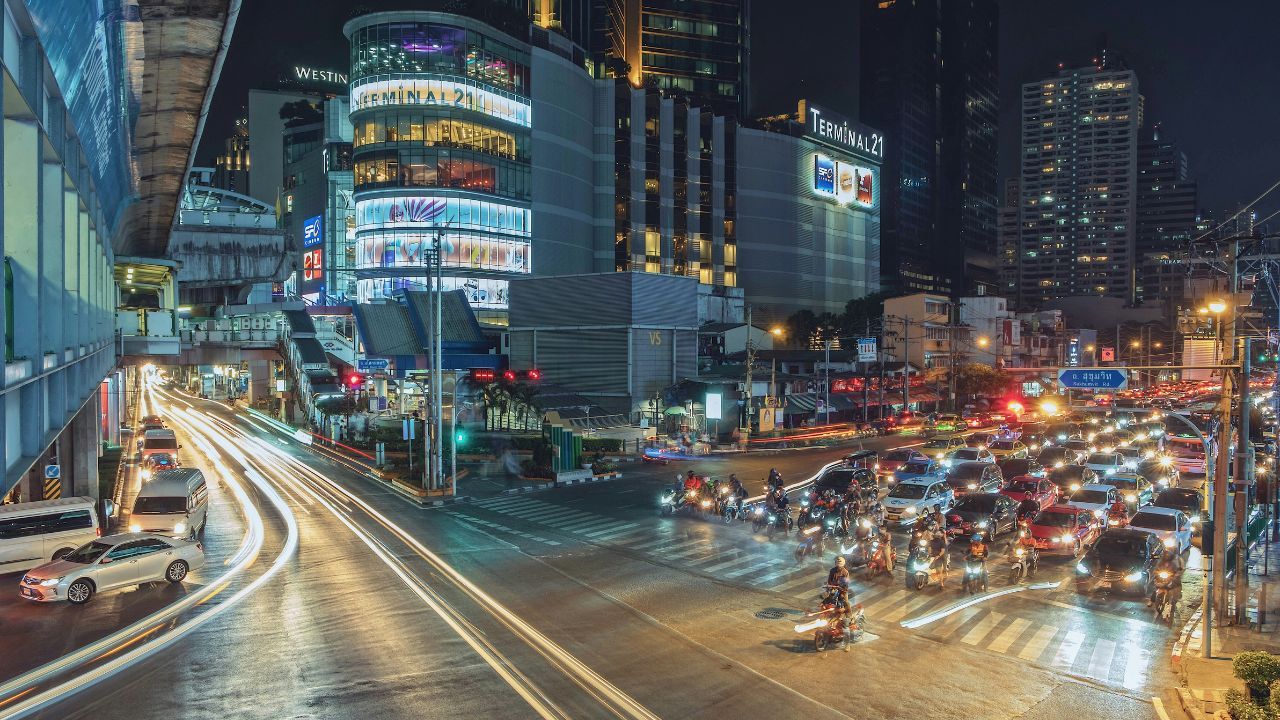
The system is intended to make traffic lights more responsive to actual conditions by adjusting each direction’s signal timing, extending green time when traffic is heavy and cutting it when lanes are clear.
This approach should reduce unnecessary waiting at red lights, address the issue of green lights without vehicles, lower the risk of gridlock at intersections and improve overall traffic flow.
According to the BMA, it installed the newer adaptive system at 74 intersections during 2024 and 2025, focusing on main roads with heavy traffic such as Sukhumvit, Rama IV, Phahonyothin, Ramkhamhaeng, Sathorn, Silom, Rama IX and Phloen Chit.
Based on evaluations, the intelligent signal system reportedly improved traffic flow and reduced travel time by about 10% to 41%. The BMA plans to expand the adaptive system to a further 50 intersections this year.
Elsewhere, Phuket is moving forward with plans to introduce AI-powered traffic lights that adjust in real time to ease congestion at the island’s busiest intersections, as part of a two-phase transport upgrade ahead of the high season.
Latest Thailand News





















Follow The Thaiger on Google News: