Thai–Chinese high-speed rail project reaches 51.74% completion
Bangkok–Nakhon Ratchasima rail line on track for 2030 launch

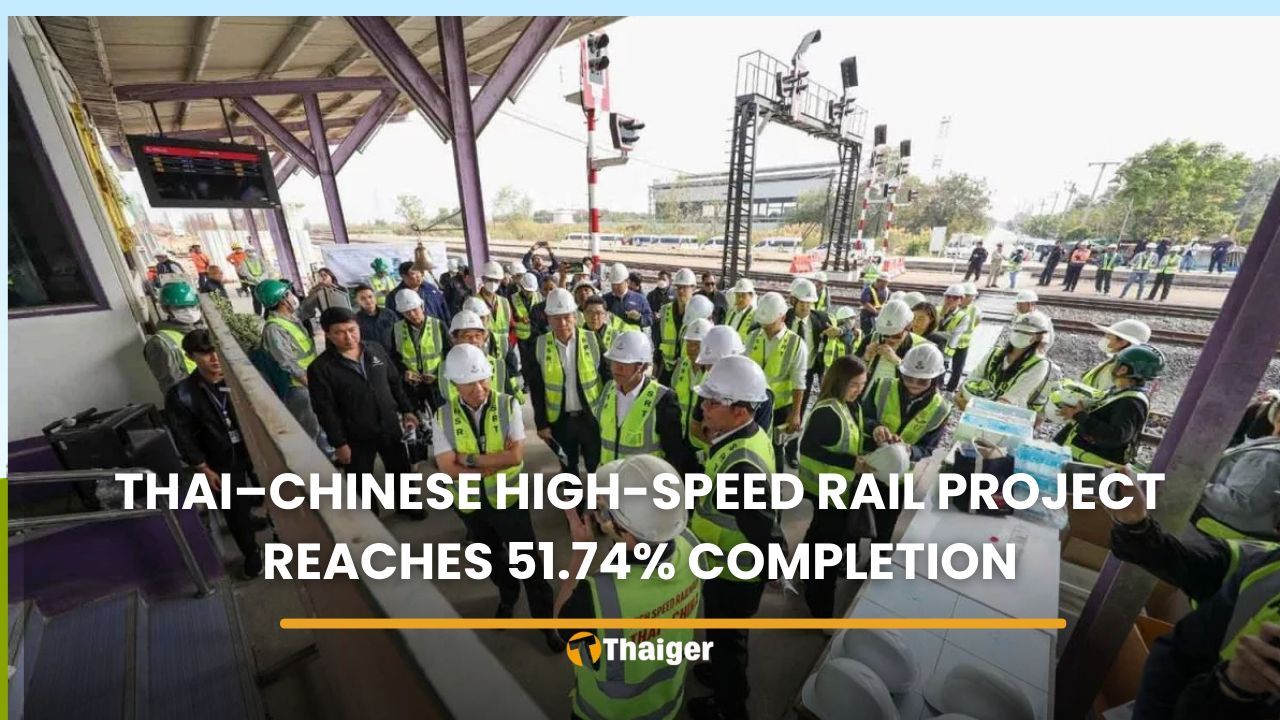
Thailand’s Thai–Chinese high-speed rail project has reached 51.74% completion in its first phase, the State Railway of Thailand (SRT) confirmed during a Senate transport committee visit to Chiang Rak Noi railway station in Ayutthaya.
Acting SRT governor Anan Phonimdaeng provided the progress update, stating that construction on the Klang Dong–Pang Asok and Sikhiu–Kut Chik sections has already been completed. Work is continuing across the remaining 10 civil engineering contracts.
Two further contracts covering the Bang Sue–Don Mueang and Ban Pho–Phra Kaeo sections are awaiting signing. Anan said contractors have been instructed to adhere strictly to construction timelines while ensuring engineering accuracy and safety standards are maintained throughout the project.
Phase 1 of the Thai–Chinese high-speed rail project connects Bangkok to Nakhon Ratchasima with a total investment of 179.41 billion baht. The 250.77 kilometre route comprises 14 civil engineering contracts and one rail systems contract.
Of the total distance, around 188.68 kilometres will be elevated to minimise level crossings and improve safety. Approximately 54.09 kilometres will run at ground level, while two tunnels in Muak Lek and Lam Takhong will extend for a combined distance of about eight kilometres.
Six main stations will operate along the first phase: Krung Thep Aphiwat, Don Mueang, Ayutthaya, Saraburi, Pak Chong and Nakhon Ratchasima.
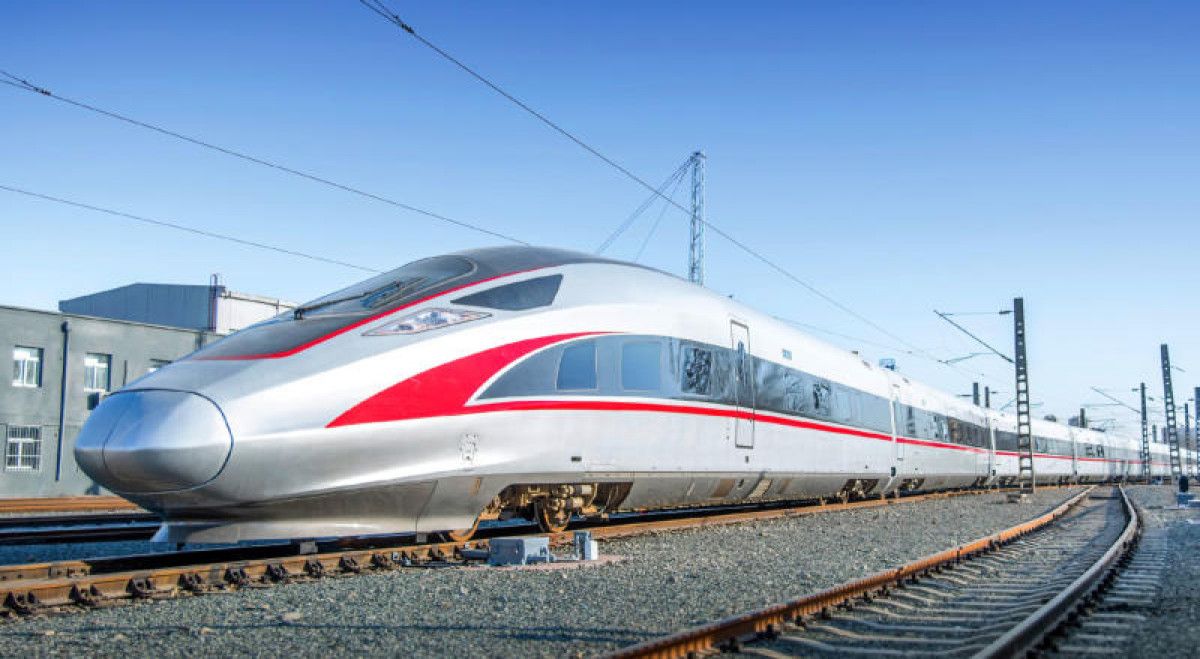
Commercial operations are scheduled to begin in 2030 as part of Thailand’s long-term transport infrastructure strategy.


Meanwhile, Phase 2, extending from Nakhon Ratchasima to Nong Khai, has received Cabinet approval and passed its environmental impact assessment. The 357.12 kilometre extension is valued at 256.4 billion baht.
The second phase will include stations at Bua Yai Junction, Ban Phai, Khon Kaen, Udon Thani and Nong Khai. Bidding and contract signings are expected within the year, subject to standard procurement procedures.
Construction of Phase 2 is projected to take 48 months, with services targeted to begin in 2031. The expansion is intended to strengthen regional rail connectivity and support economic development in the northeastern corridor, according to Bangkok Post.
Latest Thailand News

























Follow The Thaiger on Google News: