Thailand Clarifies with Q&A about 72-Hour Ceasefire With Cambodia as Border Tensions Ease
Government releases detailed Q&A outlining security, sovereignty, public safety, and next steps following temporary ceasefire agreement

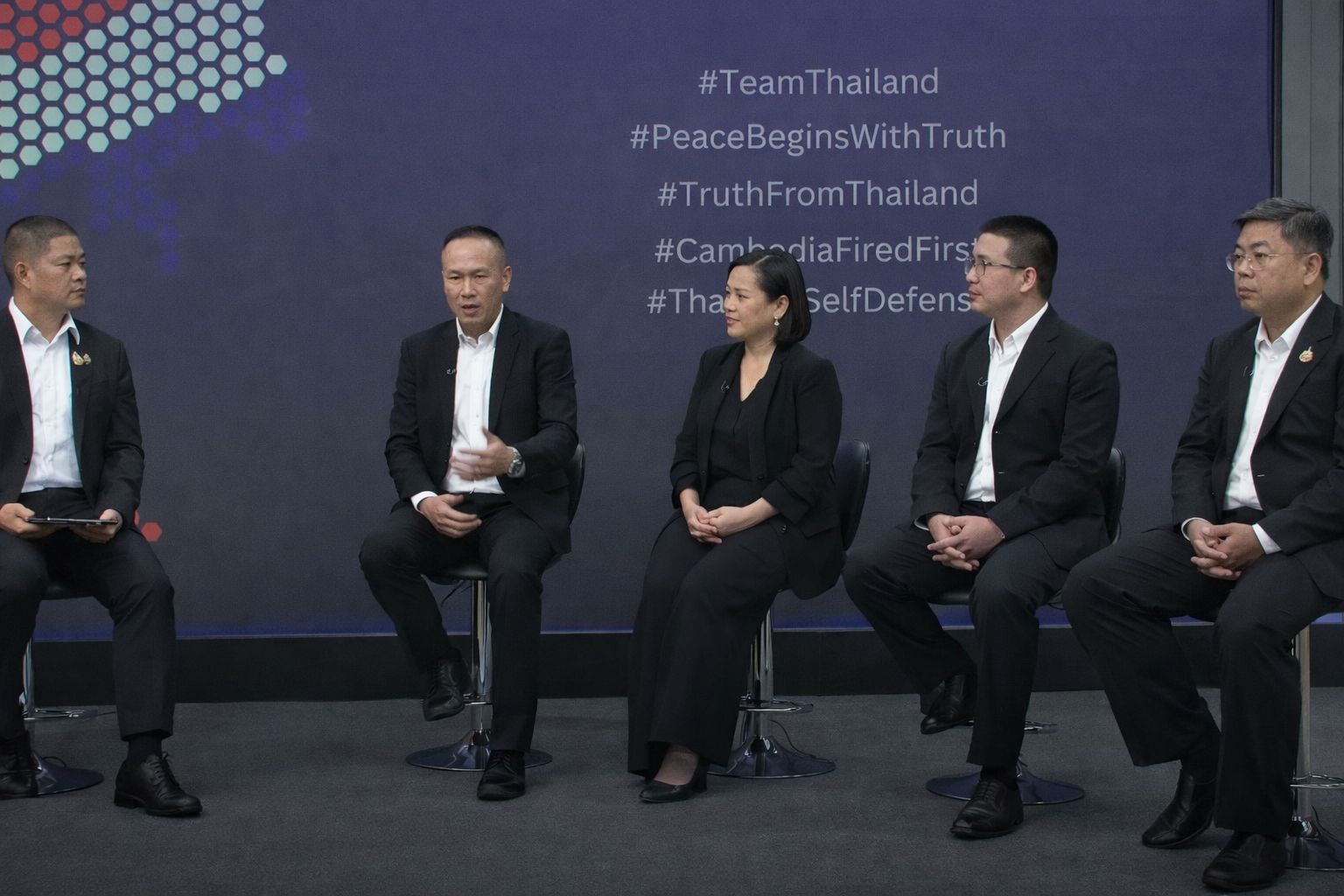
The Thai government has released a detailed public explanation of the 72-hour ceasefire agreed upon with Cambodia, as authorities continue to monitor border conditions and prepare for possible next steps.
On December 28, the Joint Press Center for the Thai-Cambodian Border Situation issued a comprehensive Question and Answer document addressing public concerns surrounding the temporary ceasefire. The clarification follows heightened tensions along the border and aims to provide transparency on security, sovereignty, civilian safety, and Thailand’s diplomatic position.
Officials stressed that the ceasefire does not compromise Thailand’s sovereignty or military readiness. Thai forces remain fully deployed and on high alert, operating under the principle that de-escalation measures are taken “without prejudice” to national rights or territorial integrity. Authorities emphasized that the decision was made independently in Thailand’s national interest, prioritizing public safety while maintaining defensive capabilities.
The 72-hour timeframe was described as deliberately limited. According to the government, it is short enough to prevent strategic disadvantage while allowing urgent tasks to be completed. These include verifying conditions on the ground, assisting displaced civilians, managing security risks, and allowing diplomatic channels to function without escalating conflict.
Concerns that the ceasefire could be exploited by the other side to reinforce forces were acknowledged. In response, Thailand has implemented strict surveillance measures, including intelligence gathering, patrols, and documentation of all movements using coordinates, timestamps, and photographic evidence. Any violation will be formally reported through agreed mechanisms, while Thailand reserves the right to self-defense under international principles of necessity and proportionality.
Public safety remains the top priority. Authorities confirmed that civilians may begin returning to certain areas under controlled procedures, including inspections for unexploded ordnance and landmines. Emergency evacuation plans, medical response systems, shelters, and public communication channels remain in place should conditions deteriorate.
The government also addressed skepticism regarding the sincerity of the ceasefire. Officials stated that Thailand relies on verification rather than trust, using evidence-based monitoring systems to confirm compliance. Proactive communication strategies have been prepared to counter misinformation and ensure accurate reporting to both domestic and international audiences.


Politically, the ceasefire was described as a coordinated decision between civilian leadership and the military, with no hidden agreements or conditions affecting sovereignty. The government pledged ongoing public updates within the limits of national security.
Internationally, Thailand said it welcomes constructive support that respects sovereignty, noting that the ceasefire has strengthened its credibility by demonstrating restraint while protecting civilians.
After the 72-hour period, authorities will conduct a fact-based assessment to determine whether de-escalation can continue, security measures must be adjusted, or defensive operations need to resume.
Officials concluded by reaffirming Thailand’s red lines: any violation of sovereignty, intimidation of civilians, or attacks on non-military targets will not be tolerated. Source Khaosod.
Latest Thailand News
























Follow The Thaiger on Google News: