Staying safe on the road during Thailand’s Christmas and New Year holidays

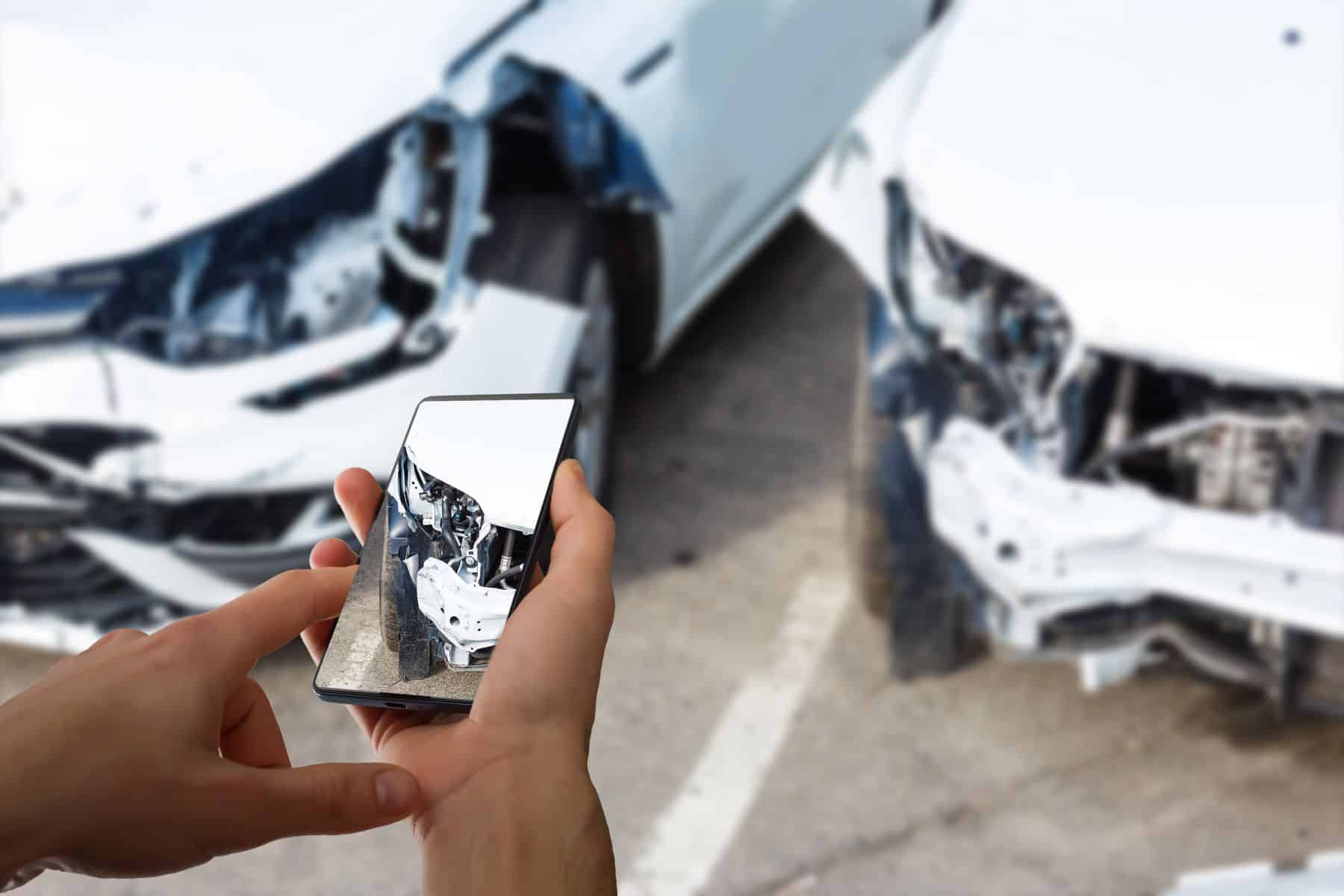
Thailand’s Christmas and New Year holidays are a time of joy, travel, and celebration. However, this busy season also brings a sharp rise in road accidents, with hundreds of lives lost each year. Most crashes involve motorcycles, often linked to speeding, drunk driving, and low visibility, making the roads especially risky for both locals and visitors. For travellers, having the right protection matters.
Cigna’s travel health insurance offers 24/7 support, medical coverage, and emergency evacuations, giving you confidence and peace of mind during your holiday journeys.
On this page:
| Section (Click to jump) | Short Summary |
|---|---|
| High fatality rates during the 10 Dangerous Days | Explains why road accidents spike from December 27 to January 5, highlighting key causes such as speeding, alcohol, and motorcycle use. |
| Smart prevention tips | Provides practical, evidence-based steps travellers can take to reduce risk, including route planning, safer transport choices, and helmet use. |
| Emergency contacts | Lists essential emergency numbers and guidance on what to do at an accident scene during Thailand’s busiest holiday period. |
High fatality rates during the ’10 Dangerous Days’
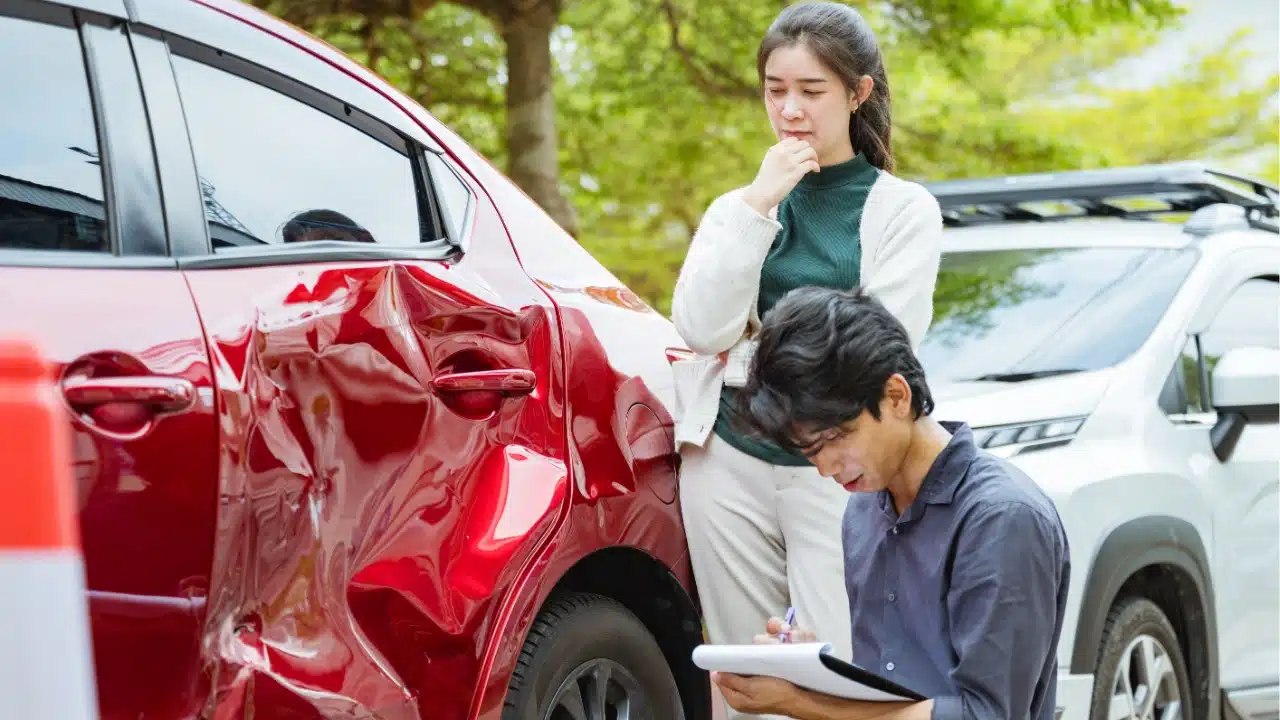
Thailand sees a sharp rise in road accidents during the holiday period from December 27 to January 5. In the 2024 to 2025 season, authorities recorded 2,467 accidents, 2,376 injuries, and 436 deaths. Bangkok reported the highest number of fatalities at 26, while some provinces recorded none.
Speeding remains the main cause of crashes, followed by drunk driving and unsafe overtaking. In previous years, the pattern was similar, during the 2023 to 2024 holidays, more than 1,100 injuries and 175 deaths were reported within the first four days.
Motorcycles dominate accidents
Motorcycles are involved in more than 80% of all road crashes in Thailand. In 2024, 14,144 of the 17,447 road deaths were linked to motorbikes. This means an average of three people die every two hours. Most injured riders also were not wearing helmets.
Key points:

- Motorcycles account for the majority of fatal crashes.
- 84% of injured riders had no helmets.
- Riders and passengers make up 74% of daily road deaths.
These numbers show how important helmets, proper licences, and defensive riding are on Thailand’s busy roads.
Alcohol-related crashes rise during holidays
Drunk driving increases during Christmas and New Year’s, leading to more nationwide checkpoints. For the 2022–2023 New Year period, more than 50,000 officers staffed checkpoints from December 29 to January 4.
Checkpoints focus on:
- High-risk roads
- Late-night travel
- Areas with heavy holiday traffic
Although enforcement can vary, these checks help reduce violations and encourage safer driving.
Challenging road conditions
Driving in rural areas becomes more dangerous at night. Many roads have poor lighting, potholes, or missing signs, and drivers often attempt risky overtaking on narrow lanes. Some regions, such as parts of Isaan, see locals avoiding night travel altogether.
Common risks include:
- Low visibility
- Broken or uneven roads
- Limited signage
- Reckless oncoming traffic
Accidents often peak between 4pm and 5pm but become even more hazardous after dark.
Government prevention efforts
The Road Safety Centre increases support during high-risk periods. Volunteers and vocational students help staff service stations along major routes, offering:
- Minor repairs
- First aid
- Support for travellers, including EV drivers
Provinces also run local meetings to review risks and adjust their safety plans for future holiday periods.
Tourist vulnerabilities with scooters
Tourists renting scooters face extra risks because they may not know the roads or driving culture. In Chiang Mai, past data showed foreigners represented 10% of motorcycle deaths and 8% of injuries. Thailand continues to rank among the highest globally for motorcycle-related fatalities.
Common issues for tourists:
- Limited riding experience
- Unfamiliar traffic rules
- Insurance exclusions for alcohol, no helmets, or unlicensed riding
Choosing a reputable rental shop and proper insurance is essential. Providers like Cigna help travellers avoid common coverage gaps, making claims easier when accidents happen.
Smart prevention tips
Plan routes with traffic apps
Use apps like Google Maps to check live traffic, accidents, and better routes during the busy holiday season. Download offline maps before you travel because rural areas may have weak signal. Enter your destination early to avoid heavy congestion around cities such as Bangkok or Chiang Mai. Sharing your live location with friends or family is also a good safety step.
Avoid late-night travel
Driving at night in Thailand is riskier due to poor lighting, uneven roads, and large trucks overtaking. Many serious accidents happen after dark. Travel during the day whenever possible, and take regular breaks at official rest stops. Turn on your headlights even during the day to stay visible. To avoid fatigue, stop every two hours.
Ensure a sober driver
Choose a sober driver for every trip. Alcohol limits are strict in Thailand, and police use breath tests often during the holiday period. If you plan to drink, use public transport or taxis instead of driving. Staying sober behind the wheel helps you avoid fines and keeps everyone safe.
Choose safer transport options
If you prefer not to drive, choose safer alternatives such as:
- Trains operated by the State Railway of Thailand
- Licensed taxis or ride-hailing services like Grab
- Buses from official stations
These options are more reliable than overcrowded minivans, which often have high accident rates. Check fares in advance and use trusted services with good safety records.
Always wear helmets and seatbelts
Helmets are required for all motorbike riders and passengers, and fines apply if you do not wear one. A secure helmet with a tight chin strap greatly reduces the risk of serious injury. Seatbelts are also required in every seat of a vehicle, no matter where you sit. Tourists are often checked, so following the rules is important.
Emergency support for Cigna members
Cigna members can call 24/7 hotlines for help with roadside assistance, hospital coordination, or claims after an accident. This service is especially useful for travellers who may face language barriers or unclear insurance coverage when renting scooters. Non-members should keep their insurance details with them and remember the emergency number 191 for accidents.
Emergency contacts
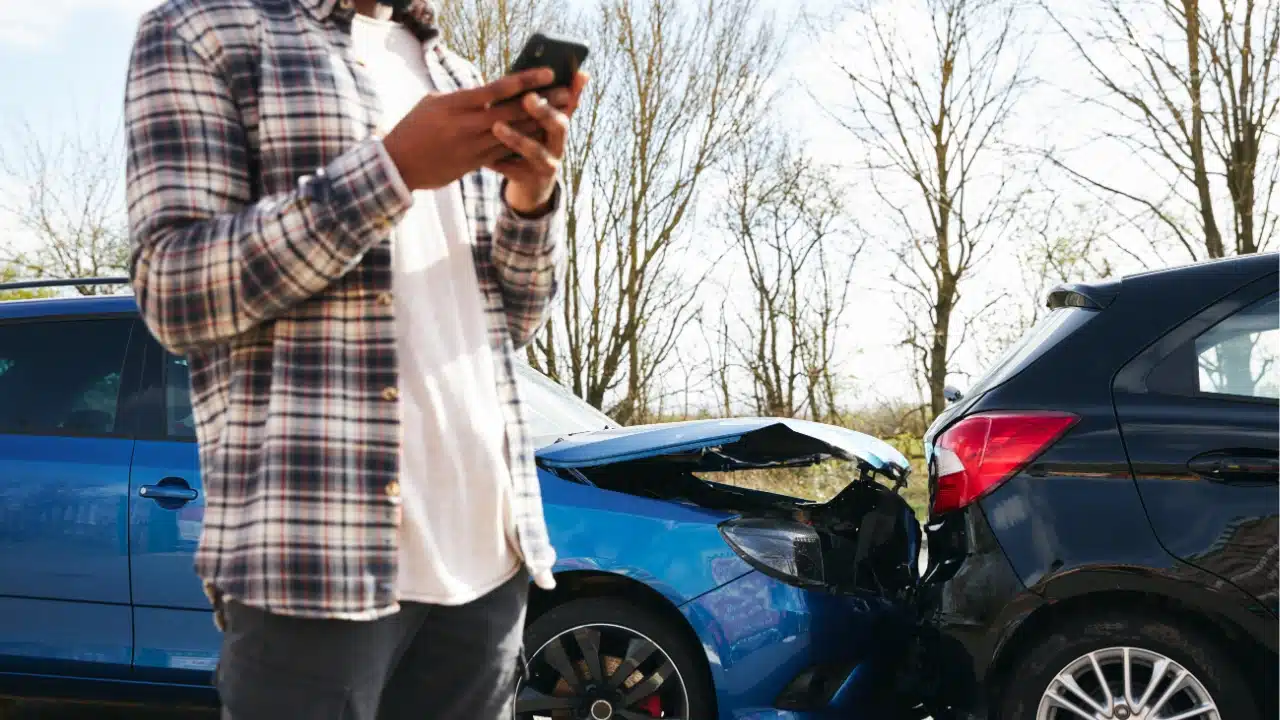
Emergency numbers in Thailand
Thailand has several hotlines to help during accidents or urgent situations.
- 191 – General emergencies such as road accidents or police assistance
- 1669 – Medical emergencies requiring an ambulance
Both numbers operate nationwide and connect you to trained responders who prioritise serious injuries, especially during busy holiday periods.
Tourist Police support
Tourists can call 1155 for help from the Tourist Police. This service is available 24/7 and offers:
- English-speaking assistance
- Support at accident scenes
- Help contacting embassies or hospitals
This hotline is useful for foreigners who may struggle with the local language or road systems. Some hospitals also provide hotlines and GPS-based apps to help responders find you faster.
How to stay safe at an accident scene
If you are involved in or witness a crash, take simple steps to prevent further harm:
- Turn off the vehicle engine
- Switch on hazard lights
- Place a reflective triangle or warning device about 50 metres behind the scene
Move injured people only if it is safe and necessary. Roadside volunteers and trained medics often arrive quickly to offer first aid and keep the area controlled.
Calling first responders
When calling emergency numbers, give clear details:
- Your exact location (GPS pin or nearby landmarks)
- What happened
- How many people are injured
This helps responders reach you faster, especially in rural areas with weak signals. During the holiday period, extra units are on standby to manage the rise in accidents. Bystanders should avoid giving medical treatment unless trained, as incorrect help can cause more harm.
Thailand’s Christmas and New Year holidays bring a sharp rise in road accidents, especially during the “10 Dangerous Days,” when speeding, drunk driving, and poor visibility lead to thousands of crashes. Motorcycles account for most fatalities, and tourists face added risks on unfamiliar roads with limited insurance coverage. Safe travel depends on planning routes, avoiding night driving, choosing sober drivers, using safer transport options, and wearing helmets and seatbelts.
Cigna’s travel health insurance offers 24/7 support and emergency coverage, giving travellers extra protection during the busy season. If you are deciding between travel insurance and international health insurance for longer stays or frequent trips, this guide may help:
Travel vs international health insurance: Which coverage do you need overseas?
Latest Thailand News












Follow The Thaiger on Google News: