Bloating, stomach pain, and digestive symptoms? What you need to know before ignoring them
Insights from a Gastroenterologist on why ongoing stomach symptoms should not be brushed off


When does stomach discomfort become something to worry about? Most people experience bloating, acid reflux, or indigestion from time to time and dismiss it as normal. They buy antacids from the pharmacy, adjust their diet for a few days, and move on. But persistent digestive symptoms can signal conditions ranging from treatable ulcers to serious cancers that need early detection.
The Thaiger spoke with Dr Sathaporn Manatsathit of MedPark Hospital’s Gastroenterology, Endoscopy, and Liver Disease Center to understand when digestive discomfort should be taken seriously, and what can be done to protect long-term health.
What is the most common digestive complaint people ignore?

Dr Sathaporn explains that the most frequent issue patients report is dyspepsia, which refers to discomfort in the stomach area. This broad term covers symptoms including bloating, gas, indigestion, epigastric pain, and that general sense of unease after eating. These symptoms become more common with age because the digestive system becomes less efficient over time.
When people are young, their digestion works smoothly, and symptoms rarely bother them. However, as they grow older, the body’s ability to break down food and move it through the digestive tract weakens. This natural decline explains why middle-aged and older adults are more likely to experience persistent stomach issues even when their lifestyle hasn’t changed dramatically.
The challenge is that dyspepsia and related symptoms can stem from many different conditions. They may indicate gastritis, a gastric ulcer, duodenal ulcer, GERD (gastroesophageal reflux disease), pancreatitis, or gallbladder disease.
In more serious cases, they can be early signs of colon cancer, stomach cancer, pancreatic cancer, or liver cancer. Because the symptoms overlap so much, patients cannot diagnose themselves based on how they feel.
When should you actually see a doctor?



Many people try to manage digestive discomfort on their own, and Dr Sathaporn says this approach can work for mild, occasional symptoms. If bloating or indigestion appear briefly and go away within a few days, especially after adjusting diet or taking over-the-counter remedies, there is usually no cause for alarm.
However, certain warning signs should not be ignored. If symptoms persist for two to three weeks without improving, medical advice is needed. If they keep returning even after trying pharmacy treatments and dietary changes, that pattern suggests an underlying problem that requires investigation.
Weight loss is a particularly important red flag. Dr Sathaporn notes that significant weight loss is generally defined as 10% of body weight, but any unexplained weight loss combined with digestive symptoms deserves attention. Other concerning signs include symptoms accompanied by abdominal pain, diarrhoea, constipation, or vomiting.
When to see a doctor – key warning signs:
- Symptoms lasting more than 2 to 3 weeks without improvement
- Symptoms that keep returning despite treatment and diet changes
- Any unexplained weight loss (especially 10% of body weight or more)
- Digestive symptoms combined with abdominal pain, diarrhoea, constipation, or vomiting
- Symptoms that do not respond to pharmacy remedies or dietary adjustments
The general rule is this: if over-the-counter treatments work and symptoms disappear, the condition is probably not serious. If remedies fail and symptoms persist or worsen, professional evaluation is necessary.
Why can’t you tell what’s wrong from symptoms alone?

Dr Sathaporn stresses that digestive symptoms are notoriously difficult to interpret without medical tests. A person with chronic bloating might have irritable bowel syndrome, a benign condition managed through diet and stress reduction. Another person with identical symptoms could have gastric problems, gallstones, or early-stage gastric or colon cancer.
Common conditions that cause overlapping symptoms include gastritis, gastric ulcers, duodenal ulcers, and pancreatitis. More serious diseases, such as cancers of the colon, stomach, pancreas, and liver, can present with the same vague discomfort in the early stages.
Blood in the stool may not always be visible to the naked eye, meaning patients can miss a crucial warning sign.
This is why investigations are essential. Depending on symptoms and risk factors, doctors may recommend an X-ray of the abdomen, an ultrasound, a gastroscopy, a colonoscopy, or a stool examination. These tests identify which organ is affected and whether there is structural damage, inflammation, or abnormal growths that need treatment.
Who needs colonoscopy screening and when?
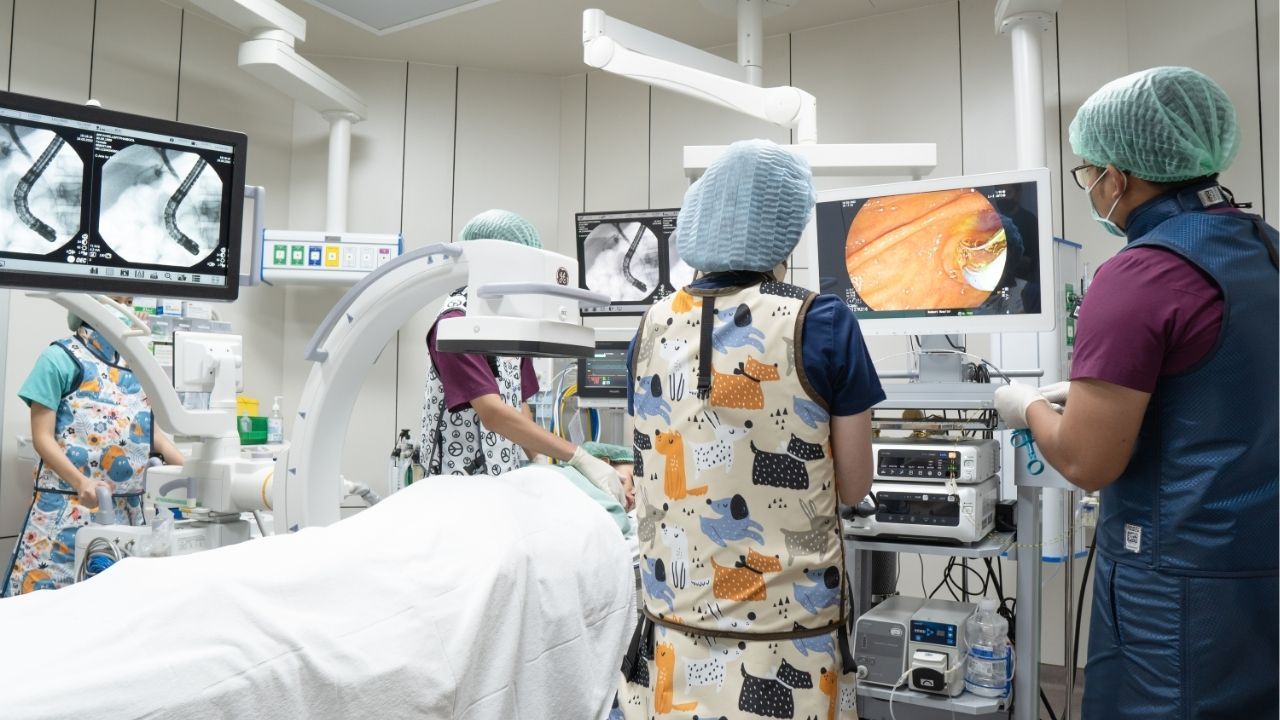
One of the most important preventive measures for digestive health is colonoscopy screening, especially for colon cancer. Dr Sathaporn explains that people should begin screening around age 45 to 50, even if they have no symptoms. This is particularly important for those with a family history of colon cancer or polyps, as genetic predisposition increases risk.
If the colonoscopy result is normal and no polyps are found, the test is typically repeated every five years. This interval allows doctors to catch polyps before they develop into cancer, as the progression from benign polyp to malignancy usually takes several years.
For people experiencing symptoms such as blood in the stool, persistent changes in bowel habits, or unexplained abdominal pain, a colonoscopy may be needed earlier and more frequently. The procedure is straightforward and can be lifesaving when it detects problems at a treatable stage.
What lifestyle changes actually help?

Prevention starts with diet and habits. Dr Sathaporn recommends that people with active digestive symptoms avoid hot and spicy foods, which can irritate the stomach lining and worsen discomfort.
For long-term health, he advises eating more vegetables and reducing meat consumption, particularly grilled or fried meat. These cooking methods produce compounds that may increase cancer risk over time. Furthermore, naturally cooked food is preferred to commercial processed food.
Alcohol and smoking are also significant risk factors. Both have been linked to higher rates of gastrointestinal cancers, including cancers of the stomach, oesophagus, liver, and pancreas. Reducing or eliminating these habits substantially lowers risk.
The advice is practical rather than extreme. Small, consistent changes such as adding more plant-based meals, choosing steamed or baked foods over fried options, and moderating alcohol intake can make a meaningful difference without requiring a complete lifestyle overhaul.
How are the stomach, liver, and pancreas connected?

One of the most important concepts Dr Sathaporn discusses is that the digestive system functions as an interconnected network, not a collection of isolated organs. The stomach, liver, pancreas, intestines, and gut bacteria all work together to process food and maintain overall health.
The liver produces bile, which helps digest fats. If the liver is diseased or the bile ducts are blocked, digestion becomes less efficient. The pancreas produces enzymes essential for breaking down proteins, fats, and carbohydrates. When the pancreas is inflamed or damaged, food cannot be digested properly, leading to bloating, gas, and malnutrition.
When digestion fails, gut bacteria take over the job. Unlike normal digestive processes, bacterial digestion produces gas as a byproduct. This explains why people with liver or pancreatic disease often experience severe bloating and discomfort even when eating small amounts of food.
Recent research has also revealed that gut bacteria influence far more than digestion. The gut microbiome is now understood to affect brain function, mood, anxiety, diabetes, and obesity.
Dr Sathaporn notes that anxiety and digestive disturbance are closely linked; stress can trigger gut symptoms, while poor gut health can worsen mental well-being. Probiotics have become a major focus in this area, though he cautions that benefits often take months or years to become noticeable.
What makes MedPark’s Gastroenterology centre different?

MedPark Hospital’s Gastroenterology, Endoscopy, and Liver Disease Center is equipped to handle both routine screening and complex gastrointestinal conditions. The centre offers advanced endoscopic procedures that go beyond standard gastroscopy and colonoscopy.
These include procedures to remove stones from the bile duct, crush stones using specialised techniques, perform biopsies to detect cancer in bile ducts, and drain abscesses in the stomach or abdomen.
One particularly advanced technology available at MedPark is DEEP GI, an artificial intelligence system used during colonoscopy. This deep learning AI detects and characterises polyps in real time, alerting the physician immediately when abnormalities are found.
It can accurately diagnose the type of polyp and assess whether it is malignant, improving diagnostic accuracy and reducing the chance of missed lesions.
The centre also uses FibroScan technology to assess liver health. This non-invasive test detects fibrosis, cirrhosis, and fat accumulation in the liver without requiring a biopsy. For patients with chronic liver disease, hepatitis, or heavy alcohol use, FibroScan provides critical information about disease progression and guides treatment decisions.
Motility testing is another specialisation. The centre can assess oesophageal motility, measure pH levels in the oesophagus, evaluate stomach motility, and conduct faecal transit time studies. These tests identify functional disorders that do not show up on standard imaging or endoscopy but cause significant symptoms.
Dr Sathaporn emphasises that the centre operates as a multidisciplinary team. Gastroenterologists work alongside gastrointestinal surgeons, radiologists, oncologists, pathologists, and specialised nurses certified in endoscopic procedures.
All services are located on the same floor, creating a true one-stop experience where patients can complete diagnosis, procedures, and follow-up consultations without moving between buildings or departments.
Pay attention, but don’t panic

Dr Sathaporn’s message is straightforward.
“When you have symptoms like bloating, indigestion, and gas, keep an eye on them. Modify your food, seek some remedies, and see if they go away.
If not, then you should go to a doctor. You do not need to panic. Just go to the doctor and have it checked, and you will be fine.”
Digestive health is complex, but the path to managing it is clear. Pay attention to persistent or worsening symptoms. Do not dismiss weight loss or recurring discomfort. Start colonoscopy screening at the recommended age.
Make sensible dietary changes and reduce risk factors like smoking and heavy drinking. And when symptoms do not resolve on their own, seek evaluation from specialists who have the tools and expertise to find the problem early.
If you are experiencing persistent digestive symptoms, unexplained weight loss, or are due for cancer screening, consider consulting the specialists at MedPark Hospital’s Gastroenterology, Endoscopy, and Liver Disease Center. The centre is located on the 7th floor, Counter AB (West Lift), and is open from 8am to 8pm daily. For appointments or inquiries, contact 02-090-3121.
Sponsored
Latest Thailand News

























Follow The Thaiger on Google News: