What is targeted therapy? Precision cancer treatment explained


Cancer treatment is continually evolving, moving toward more precise and less harmful methods. Among the most innovative advances is targeted therapy, a form of treatment that represents a major shift from the traditional broad-stroke approaches.
It offers hope to patients by specifically attacking cancer cells while minimising damage to the surrounding healthy tissue. This precision-focused approach often leads to better outcomes and a higher quality of life during treatment.
What is targeted therapy?
Targeted therapy is a type of cancer treatment that zeroes in on the specific genetic changes, irregularities, or mutations that cause healthy cells to become cancerous. Instead of broadly destroying all fast-growing cells, like chemotherapy, this treatment acts more like a ‘sniper,’ identifying and blocking the chemical signals or targets within the cancer cells that drive their growth and multiplication.
This strategy is an example of “Precision Medicine,” as it is tailored to the unique characteristics of an individual patient’s cancer, typically requiring prior testing to confirm the presence of a responsive target or receptor.
Benefits of targeted therapy
The highly focused nature of targeted therapy offers several key advantages:
- High accuracy: It precisely hits the cancer cells with minimal collateral damage to healthy tissues.
- Minimal side effects: Because healthy cells are largely spared, patients generally experience fewer and less severe side effects compared to traditional chemotherapy.
- Increased effectiveness: Studies indicate that targeted therapy can be highly effective, sometimes offering a success rate significantly higher than conventional chemotherapy.
- Suitable for frail patients: Its minimal side-effect profile makes it a viable option for elderly or weaker patients who may not be able to tolerate aggressive chemotherapy.
Types of cancer treated with targeted therapy
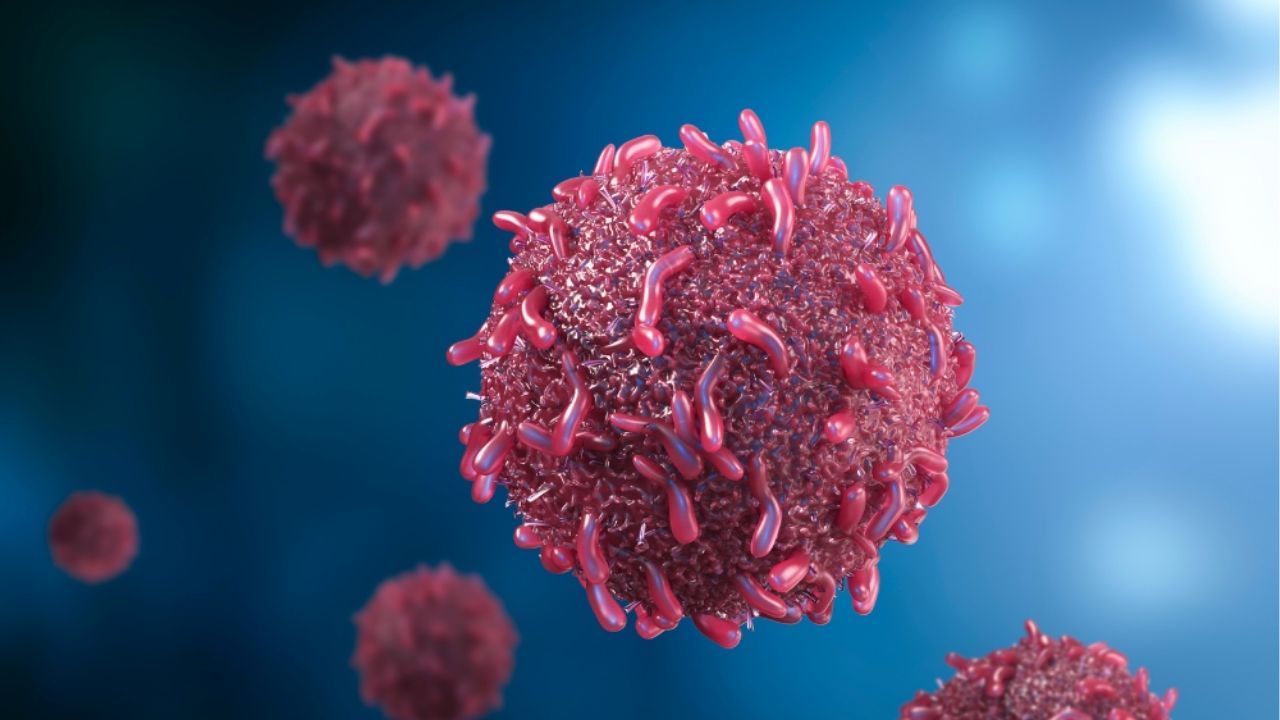
Targeted therapy is used to treat a growing number of cancers, either alone or in combination with other treatments.


- Breast cancer: Used when cancer cells have specific receptors (like HER2) that the therapy can target to block growth signals.
- Lung cancer: Effective for patients whose tumours carry specific gene mutations that can be targeted to inhibit the cancer’s development.
- Colorectal (colon) cancer: Utilised when the tumour’s genetic makeup indicates a specific target that, when blocked, will impede cell division and spread.
- Kidney cancer: Helps to inhibit the signals that allow cancer cells to grow and form new blood vessels (angiogenesis).
- Blood cancers (like leukaemia and lymphoma): Target specific proteins or pathways in the malignant white blood cells to stop their proliferation.
Possible side effects
While gentler than chemotherapy, targeted therapy can still cause side effects, which vary based on the specific drug and the patient. Common side effects can include:
- Skin problems (e.g., dry skin, rash, or inflammation)
- Elevated liver enzymes or other liver/kidney problems
- Diarrhea
- High blood pressure (hypertension)
- Heart conditions (e.g., cardiotoxicity or arrhythmia)
Effective cancer treatment at Vejthani International Hospital
Choosing the right facility for cancer treatment is essential, and Vejthani International Hospital offers comprehensive and advanced care. With experienced medical staff utilising the principles of Precision Medicine, treatment plans are meticulously customised for each patient, including the effective use of targeted therapy where applicable.
The goal is always to maximise the chance of success, whether it’s curing the cancer, inhibiting its growth, or relieving symptoms, all while focusing on patient well-being and managing potential side effects with expert care.
Latest Thailand News

























Follow The Thaiger on Google News: