How slow is too slow? When to see a doctor for a low heart rate


Dealing with a heart condition can feel overwhelming, but understanding what’s happening in your body is the first step toward taking control of your health. If you or a loved one has been told you have a slow heart rate, you might be wondering if it’s a cause for concern. Let’s break down the facts about bradycardia, how to recognise its warning signs, and when it’s time to seek medical care.
What is Bradycardia?
Bradycardia is the medical term for a heart rate that is abnormally slow, typically defined as fewer than 60 beats per minute (bpm). For some people, like highly conditioned athletes, a slow resting heart rate is completely healthy and normal.
However, if your heart beats too slowly and cannot pump enough oxygen-rich blood to the rest of your body, it becomes a serious medical issue that requires attention.
Why does your heart beat slowly?
The reasons behind a slow heart rate generally fall into two categories: issues inside the heart’s electrical system, and external factors affecting the heart.
- Internal heart issues: These include natural wear and tear from ageing, ischemic heart disease (reduced blood flow to the heart muscle), congenital heart defects, inflammation of the heart muscle or valves, or complications following heart surgery.
- External factors: A slow heartbeat can also be triggered by things outside the heart itself. This includes intense athletic training, strong physical reflexes (like coughing hard or straining), certain prescription medications (such as beta-blockers or antiarrhythmics), recreational drugs, thyroid issues like hypothyroidism, dangerously low body temperatures, sleep apnea, or neurological conditions that increase pressure in the brain.
Spotting the symptoms

How do you know if your slow heart rate is actually a problem? The key is to look for accompanying symptoms. If your heart isn’t pumping efficiently, you might experience a few key symptoms:
- Frequent dizziness or lightheadedness
- Fainting spells or near-fainting (syncope)
- Extreme fatigue, especially during physical exertion
- Shortness of breath
- Signs of heart failure, such as fluid buildup in the lungs
How is Bradycardia diagnosed?
If you are experiencing symptoms, a cardiologist will run tests to track your heart’s electrical activity. Depending on how often your symptoms occur, diagnosis may include:


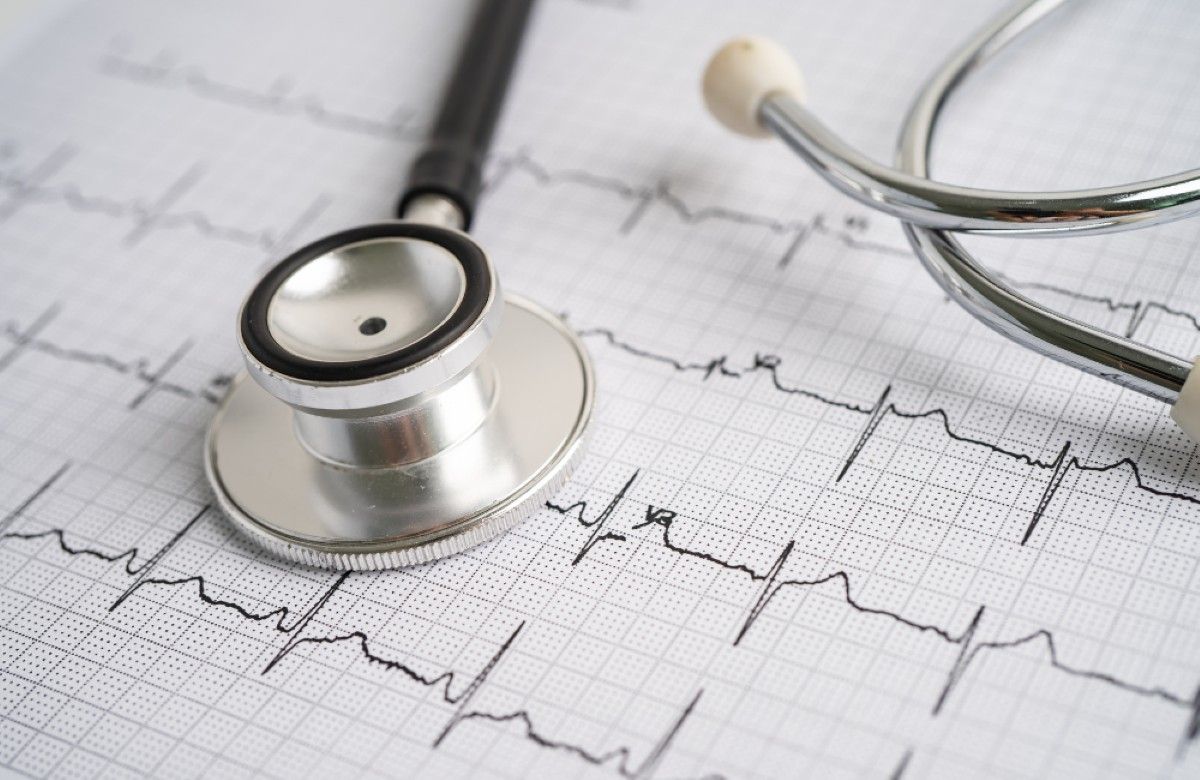
- EKG (Electrocardiogram): A quick, standard test to record electrical signals if you are currently experiencing symptoms.
- Holter monitor: A wearable device that records your heart rhythm continuously for 24 to 48 hours.
- Event or Implantable Loop Recorders: Devices used for longer periods (months to years) to catch infrequent abnormal rhythms.
- Exercise stress test: Monitoring your heart while you walk on a treadmill to see how it responds to physical demand.
- EP study (Electrophysiology study): A more in-depth, specialised procedure used when standard tests can’t pinpoint the issue.
Treatment options
Treating bradycardia focuses on resolving the root cause and getting your heart rate back to a safe, steady pace:
- Adjusting medications: If a specific drug is slowing your heart down too much, your doctor will likely stop or adjust it.
- Emergency interventions: In acute, emergency situations, doctors may use intravenous medications to stimulate the heart or employ temporary external pacemakers.
- Permanent pacemaker: If the heart’s natural pacemaker (the SA node) or its electrical pathways (the AV node) are permanently damaged, a small, implanted device called a pacemaker may be necessary to keep the heart beating at a healthy rate.
The Vejthani International Hospital perspective
When it comes to abnormal heart rhythms, medical experts urge patients not to brush off their symptoms. According to Asst. Prof. Dr Sarawuth Limprasert, a cardiac electrophysiologist at Vejthani International Hospital, says dizziness, lightheadedness, and fainting are crucial warning signs that should never be ignored.
He emphasises that an arrhythmia, whether the heart beats too fast or too slowly, means the heart is failing to pump enough blood to meet the body’s demands.
Vejthani International Hospital further notes that severe arrhythmias can lead to sudden loss of consciousness or even life-threatening emergencies. The good news is that modern medicine offers highly effective treatments.
For certain types of arrhythmias causing electrical short circuits, Vejthani specialists highlight the use of advanced techniques like cardiac electrocautery (radiofrequency ablation).
When should you see a doctor?
If your heart rate is below 60 beats per minute and you feel completely fine, it might just be your normal baseline. However, if you experience a slow pulse alongside any symptoms like fatigue, shortness of breath, or fainting, you need to act quickly.
Ignoring these signs can lead to serious dangers, including head injuries from fainting or severe heart failure. Please consult a cardiologist immediately to get an accurate diagnosis and keep your heart healthy.
Sponsored
Latest Thailand News

























Follow The Thaiger on Google News: