How does Thailand celebrate Teacher’s Day?

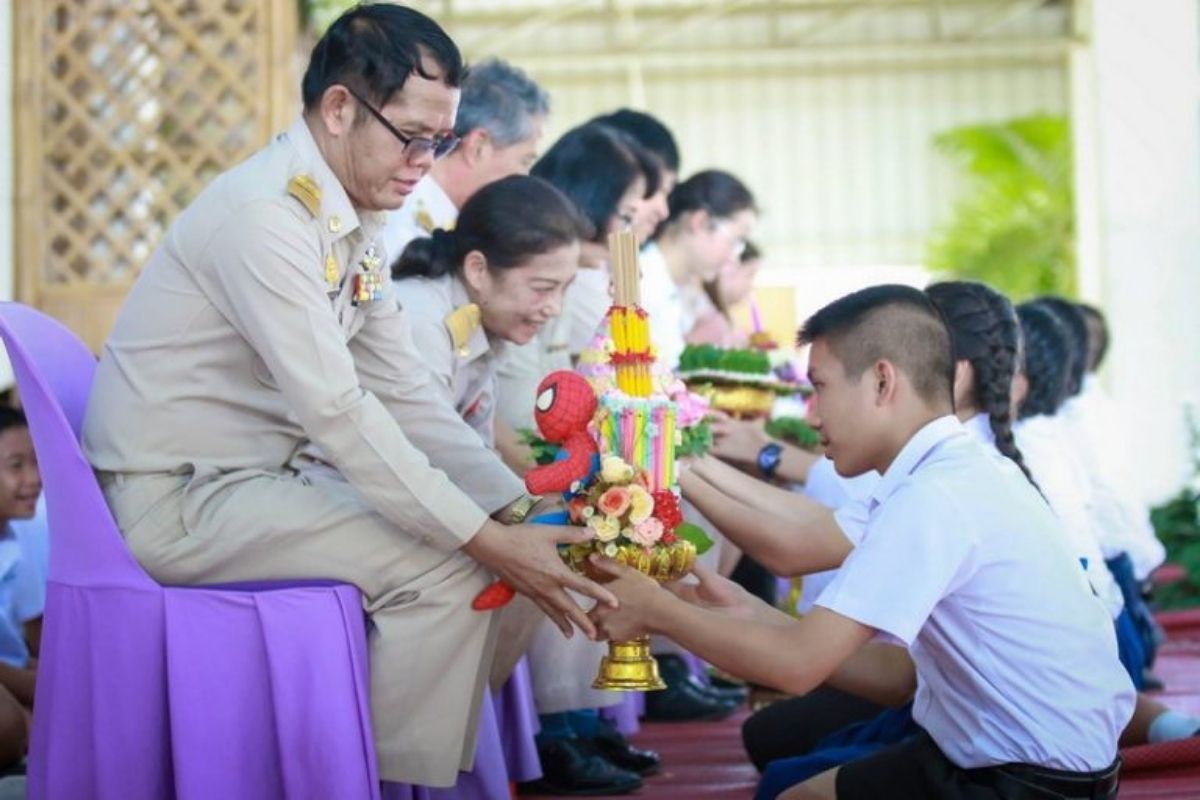
In Thailand, few roles are held in higher regard than that of a teacher. Each year on January 16, the country pauses to observe Teacher’s Day, an annual national occasion dedicated to recognising the people who guide, educate, and inspire future generations.
The Thai saying “Kru kue mae-pim kawng chad,” meaning “Teachers mould the nation,” captures the spirit of the occasion. For over half a century, the day continues to offer an insight into Thai culture and its deep respect for educators.
On this page
| Section (Click to jump) | Short summary |
|---|---|
| The origins of Teacher’s Day in Thailand | Explains how Teacher’s Day was established, why January 16 was chosen, and the symbolism behind the orchid. |
| School-level celebrations | Outlines how schools observe the day through ceremonies, merit-making, and student expressions of gratitude. |
| Honouring educators across the nation | Covers national and provincial events that recognise outstanding teachers and lifelong contributions to education. |
| Teacher’s Day motto and national tribute | Highlights the annual motto and the special tribute honouring Queen Sirikit as a national symbol of education. |
| A reflection of Thai culture | Shows how Teacher’s Day reflects Thai values of gratitude, respect, and the social importance of education. |
The origins of Teacher’s Day in Thailand
Teacher’s Day was officially established in 1956 by the Thai government following a proposal by Field Marshal Plaek Phibunsongkhram. The first national celebration took place in 1957. The date, January 16, was chosen to commemorate the 1945 Teachers’ Act, which was published in the Royal Thai Government Gazette on the same day.
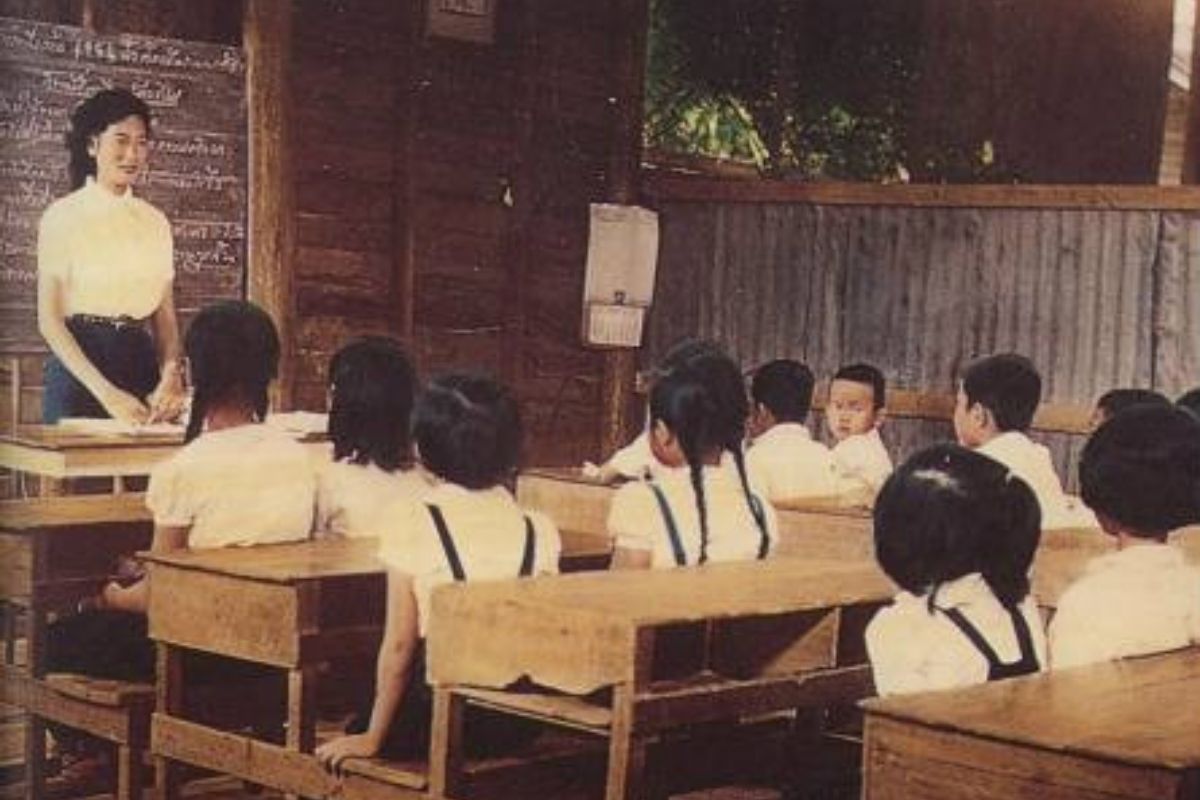
Since then, the Teachers’ Council of Thailand, known as Kurusapa, has coordinated the annual observance.
In 1996, the national organising committee for Teachers’ Day declared the orchid as the official symbolic flower of the occasion, inspired by the poetry of M.L. Pin Malakul, Thailand’s Minister of Culture from 1957 to 1958 and Minister of Education from 1957 to 1969.
How slow, orchids are to bloom.

So too, is the classroom.
Yet once in bloom, how striking!
So too, are the minds molded by learning.


School-level celebrations
Although Teacher’s Day is not a public holiday, schools across the country typically close to allow both students and teachers to participate in commemorative activities. Government offices and businesses remain open.
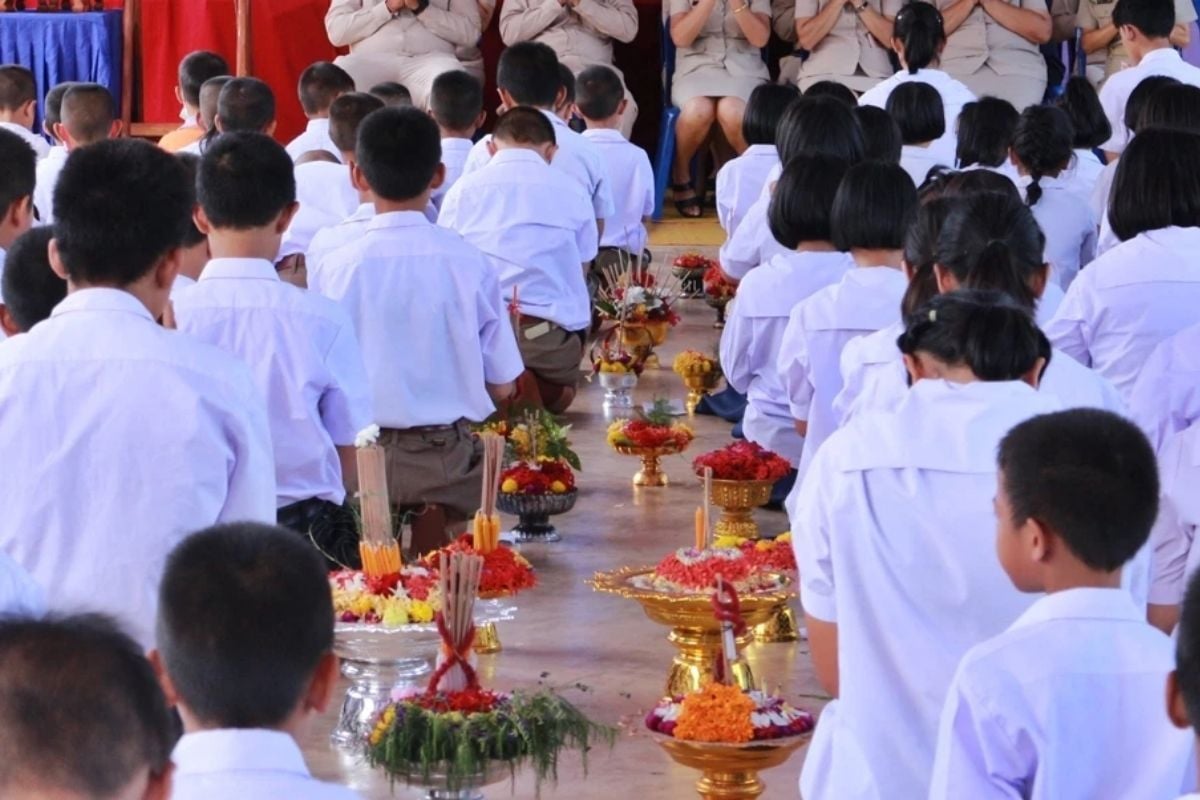
Celebrations often begin a day earlier, especially if January 16 falls on a non-school day. In the morning, many schools organise merit-making ceremonies, inviting Buddhist monks to give blessings. Teachers and students offer food and prayers to acknowledge and pay respect to the profession.
During school events, students may express their appreciation with speeches, handwritten messages, and floral gifts such as jasmine garlands or orchids. These offerings are heartfelt gestures that reflect the value placed on gratitude and education in Thai society.
Honouring educators across the nation
Oftentimes, the occasion is also marked at the national level. In Bangkok and other provinces, government officials, including the Prime Minister or Minister of Education, often deliver formal speeches that commend the dedication of Thai teachers.
At national ceremonies, awards are presented to outstanding educators who have made significant contributions to the profession. Local authorities in various provinces may organise events to honour both current and retired teachers. In many cases, former teachers are invited as special guests and receive recognition for their lifelong commitment to education.
Teacher’s Day motto and national tribute
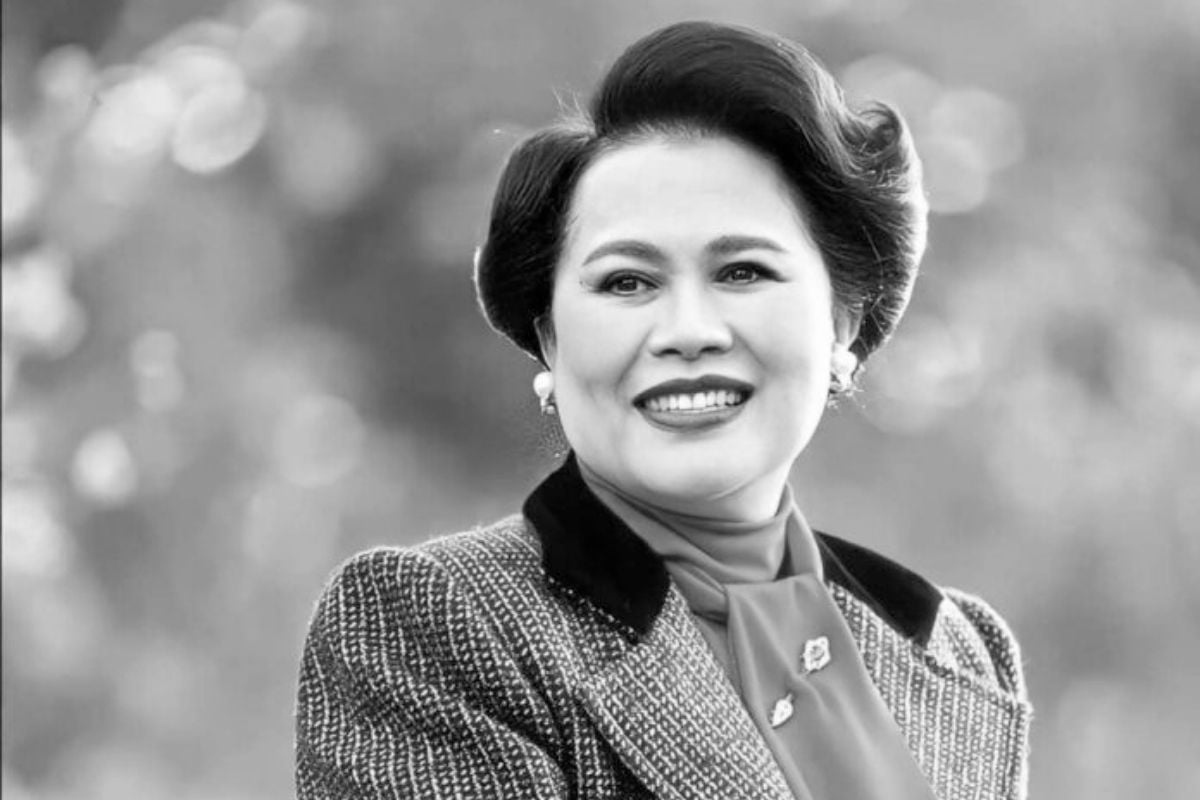
This year, organisers of Teacher’s Day are expected to pay special tribute to Her Majesty the Late Queen Sirikit, The Queen Mother, who passed away at the age of 93 on October 24, 2025.
As such, the motto for Thailand’s Teacher’s Day this year, now in its 90th year, is “The Mother and Teacher of the Nation.” The theme reflects her lifelong dedication to education and national development.
A reflection of Thai culture
For visitors, observing or participating in Teacher’s Day can offer a deeper understanding of Thai values, as the day reflects an emphasis on gratitude, respect for elders, and community responsibility. It also showcases how Thai society recognises education not only as a right but as a shared duty that involves the local community as a whole.
Contrary to Western Teacher Appreciation Days, Thailand’s observance operates on a national scale, drawing upon elements of the Buddhist concept of katanyu (gratitude) and the Confucian emphasis on respecting those who impart knowledge.
As January 16 approaches, you may notice a shift in tone across the country. There will be fewer classes and more conversations about the people who have made a difference. In Thailand, saying “thank you” to a teacher is a nod to one of society’s most respected roles.
Latest Thailand News

























Follow The Thaiger on Google News: