Wellness tourism in Thailand: the rise of rehab retreats and what to look out for


Thailand has long been known for backpacker havens and luxury escapes, spiritual centres to digital nomad living. For decades now, Thailand has consistently adapted and changed to meet the needs of modern travellers.
In 2026, one of the most obvious shifts in Thailand’s tourism landscape is the increasingly rapid rise of wellness and rehab retreats that are aimed at people seeking recovery from addiction in a beautiful, supportive environment.
In fact, Thailand’s rehab and recovery industry is now attracting more people than ever. Thailand has now positioned itself as a global destination for alcohol rehab, alcohol detox, and integrated wellness-led recovery that focuses on mental well-being.
However, while Thailand’s appeal is obvious, rehab tourism is not the same as booking a yoga holiday or a spa break. If you or someone you love is considering travelling to Thailand for detox or rehab, there are important things to understand before committing and parting with your hard-earned cash.
Why has Thailand become known for Wellness and Recovery?
Thailand’s rise as a wellness and rehab destination did not happen overnight. In fact, several factors have combined to make it particularly attractive to people seeking recovery from addiction to drugs and alcohol.
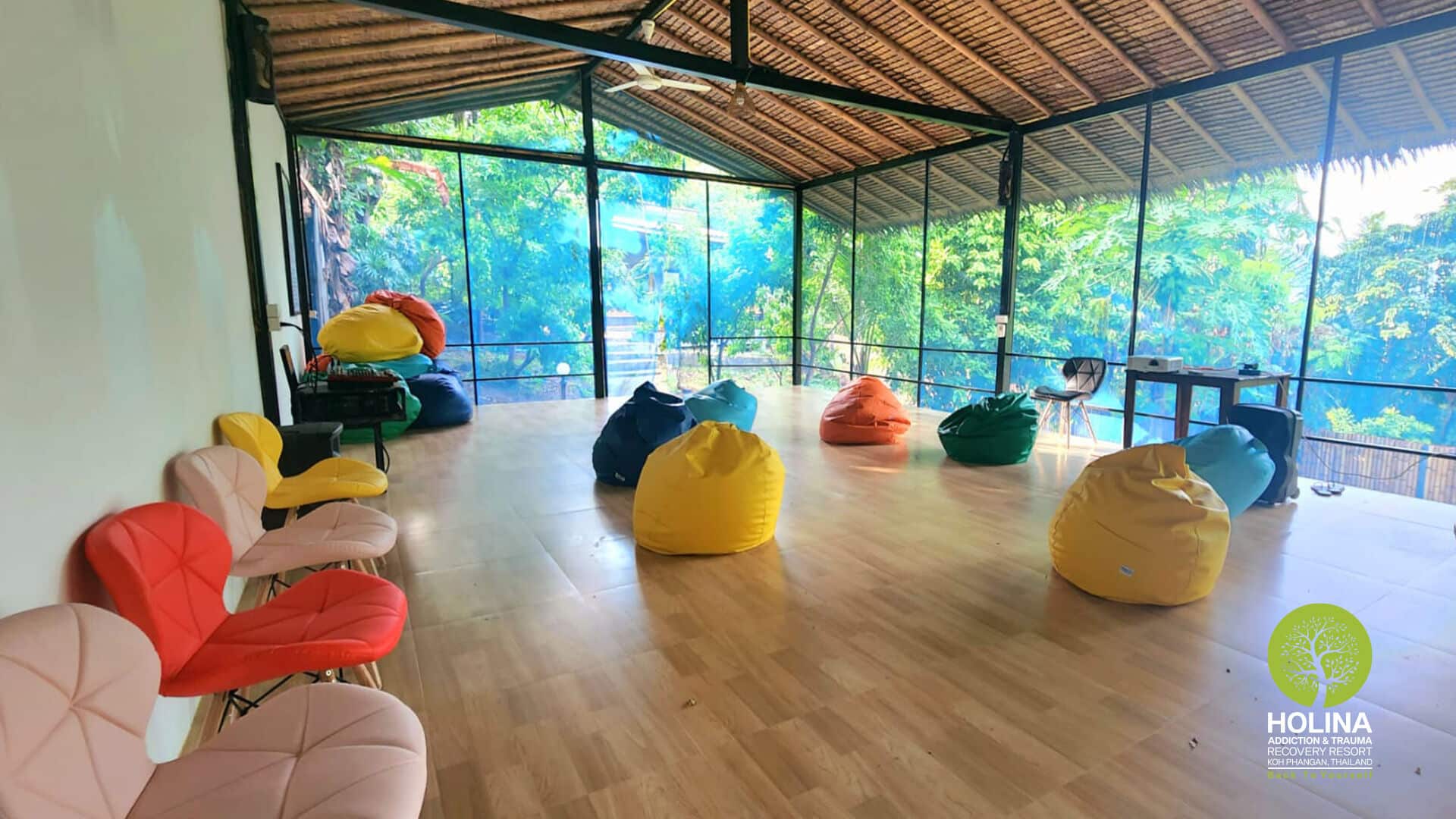
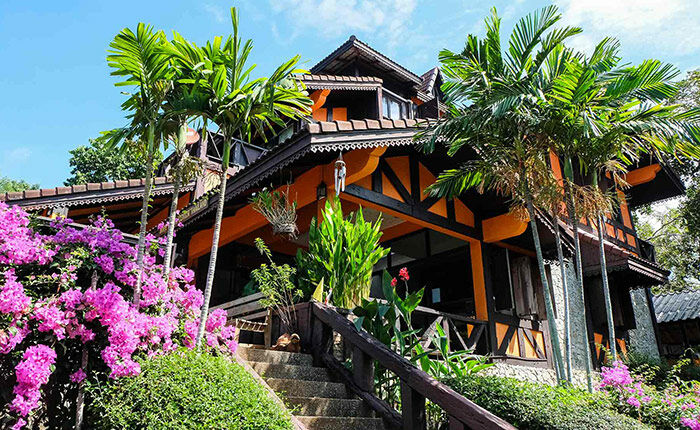
Firstly, Thailand is a beautiful place. The environment of the rehab setting plays a powerful role when it comes to recovery from drugs and alcohol. The beautiful white, sandy beaches, warm seas, mountains and glorious sunshine create an environment where people can really focus and relax. For many people recovering from an addiction to drugs and alcohol, leaving familiar, negative and triggering surroundings is a key part of overcoming unhealthy habits and cycles.
Secondly, Thailand is very affordable. Compared to countries such as the UK, America or Australia, the cost of alcohol rehab and detox in Thailand is often significantly lower, even when it comes to luxury rehab centres. This makes longer stays within the rehab setting more accessible, which is vital for long-term recovery without a relapse.


Likewise, there is also a strong culture of wellness in Thailand. For example, meditation, mindfulness practices and Buddhism’s emphasis on balance and positive mental health naturally align with the principles of recovery. In fact, many rehab retreats across Thailand integrate these elements alongside more traditional rehab recovery techniques and medication.
Finally, Thailand now has a solid infrastructure of private hospitals and an increasing number of international doctors and English-speaking professionals. Over the years, this has made the country a trusted destination for travel with trusted healthcare.
What Exactly is a Rehab Retreat?
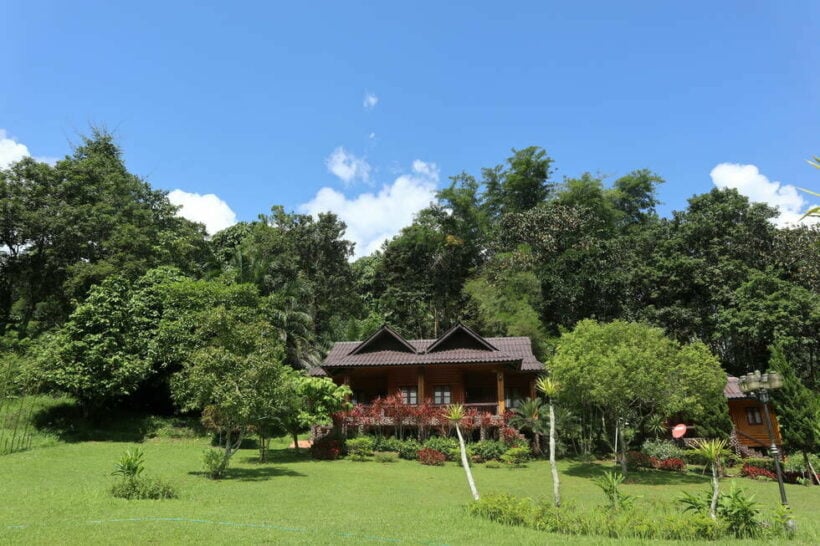
A rehab retreat is an alternative option to traditional rehab facilities. While the core focus of a rehab retreat is recovery from addiction, this type of recovery is often designed to feel restorative, rather than institutional and clinical.
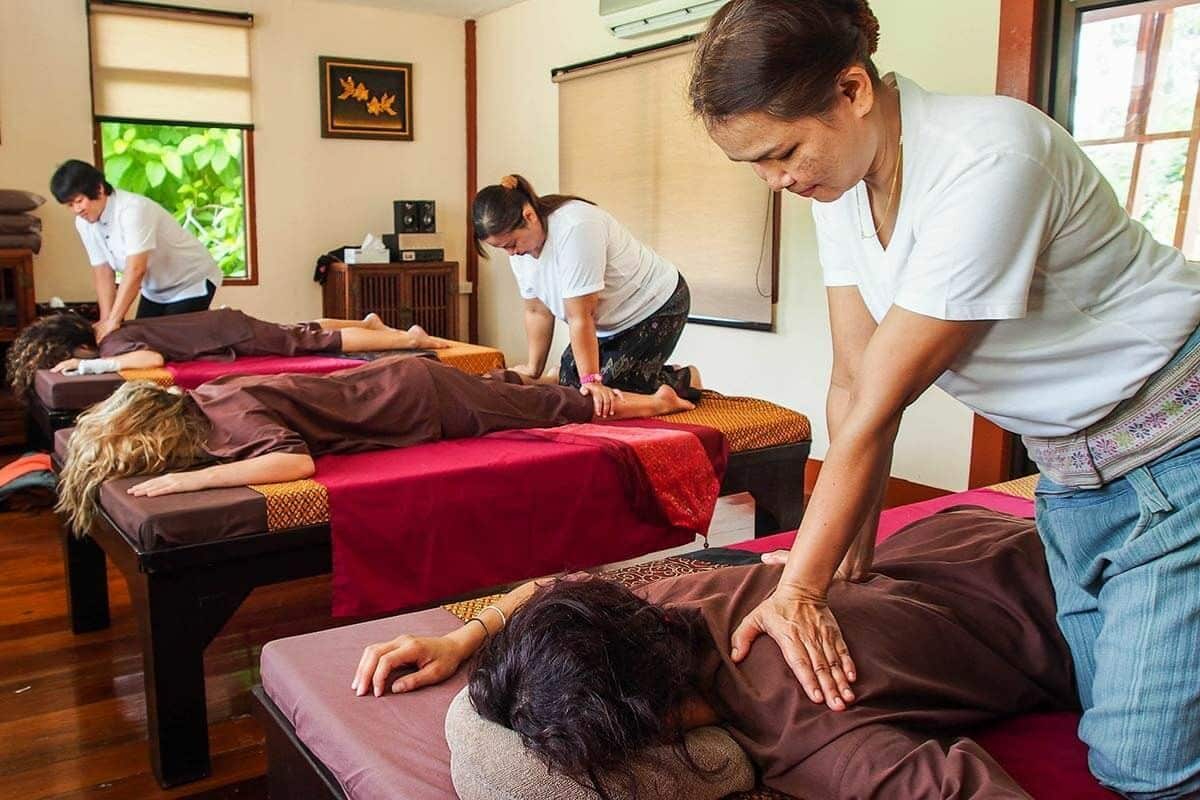
For example, most rehab retreats in Thailand offer structured rehab programmes that include alcohol detox, therapy, group therapy, fitness, nutrition, and holistic therapy such as yoga or meditation. When it comes to this type of recovery, most days tend to follow a schedule, but with more emphasis on mental wellbeing, comfort and personal growth. This is quite different to traditional rehab settings, which might focus more on medication and strict routines.
The Growing Demand for Rehab in Thailand
Globally, addiction rates remain high. However, despite this, access to effective treatment varies widely depending on where you are in the world. For example, waiting lists, high costs and stigma in different countries often prevent people from seeking help. For lots of people, travelling abroad to a country such as Thailand for rehab can often feel like a fresh start.
Gaining treatment abroad for an addiction provides people with anonymity. They might put off attending rehab in their home country due to the fear of being judged and worrying about what people might think if they were to know where they were. By travelling to the likes of Thailand to receive your treatment, you do not have to worry about what people might think, as people are highly unlikely to find out where you are and what you are doing.
Thailand attracts an incredibly high number of international travellers from the UK, Europe, Australia and America. Due to this, there is a growing number of English-speaking rehab centres, and many centres specialise in treating alcohol dependency alongside other forms of addiction.
Likewise, whilst travelling, people are a lot more likely to experiment with the likes of drugs and alcohol. Certain people who travel often engage in more partying and celebration, which, over a prolonged period of time, can often lead to dependency on drugs or alcohol. This can result in an increased demand for rehab treatment in certain countries, such as Thailand.
What Should I Look Out for When Choosing a Rehab Retreat in Thailand?
There has been a huge rise in the number of rehab centres in the likes of Thailand. This is both a blessing and a curse, as the sheer amount of choice can sometimes make it difficult for people to decide on which rehab centre might be right for them. If you are considering staying in a rehab centre in Thailand, below are some key things to think about before making a final decision.
1. Medical Detox
The first and most important question you should always ask when considering whether or not a rehab centre is for you is whether the centre offers a medical detox. Certain highly addictive drugs, such as heroin and alcohol, will require withdrawal and detox, which can involve serious symptoms, including seizures and heart issues, if symptoms are not carefully managed. Any reputable rehab retreat in Thailand should have qualified medical staff around the clock during a medical detox.
2. Regulation and Credentials
It is important to understand that Thailand does not regulate rehab centres in the same way the UK does. This means that standards can vary significantly in countries such as Thailand. Reputable wellness and rehab centres, no matter where they are in the world, need to have the credentials and licences in place, which you should always check.
3. Treatment Options
Recovery is not the same for everyone. In fact, some people respond well to strict programmes and routines, whereas others respond better to holistic therapy with less of a strict approach. Some people prefer other forms of treatment such as cognitive behavioural therapy (CBT). In fact, CBT is proving a popular option for many rehab centres across Thailand, specifically on the southern border.
When looking for a rehab centre in Thailand, you should always look for rehab facilities which offer a good range of therapy and recovery techniques, as you never know what will end up working for you. It is important to understand that meditation, fitness and nutrition can enhance recovery, but they should only ever complement and not replace proper addiction treatment, such as a detox.
4. Length of stay and aftercare
It is important to understand that long-term recovery does not come overnight. You should be wary of anywhere that offers short-term detox without aftercare support. Sustainable recovery requires ongoing work, often taking some people months and even years. When looking into rehab centres in Thailand, you should always look for programmes that encourage long-term recovery or provide structured aftercare planning to help you to avoid triggers and relapse.
Ethical Considerations and Cultural Sensitivity
When attending a rehab centre in Thailand, it is important to consider the important ethical differences. It is important to remember that Thailand’s affordability might mean that those working within the rehab facility might not always be getting paid what they deserve. Likewise, they are likely to work long, hard hours in order to make sure that you are safe and comfortable. This is why you should always ensure that you mirror this respect.
Cultural sensitivity also matters when it comes to countries such as Thailand. While many rehab programmes are designed for international clients, understanding Thai customs and values is vital when it comes to addiction recovery. You need to respect that those working within the rehab facility might share different beliefs from you, which you need to respect.
Is Thailand the Right Place for Everyone?
Travelling abroad to the likes of Thailand for rehab treatment can be life-changing. However, it is important to understand that it is not suitable for everyone. There are a number of factors, such as distance from family, cultural differences and finances, that might mean that travelling to Thailand for rehab treatment is not right for you.
For some people, remaining closer to home offers better long-term support. For others, they simply need a physical and emotional reset and anonymity in order to recover. It is important to understand that the decision should be yours.

Wellness tourism in Thailand is proving to be increasingly popular, especially for those hoping to recover from an addiction to drugs or alcohol. The rise of rehab retreats in the likes of Thailand reflects a broader shift in how people approach wellness, addiction and recovery. When it is done well, travelling to Thailand for alcohol detox or alcohol rehab can offer space, clarity and a powerful reset for long term recovery.
However, it is always important to remember that recovery does not come overnight and is not easy, no matter where you are in the world and how hot the sun is shining. The most important things to prioritise during your recovery is your safety, qualified staff and long-term support. Thailand can be an incredible place to heal from an addiction, but it has to be the right choice for you.
Latest Thailand News

























Follow The Thaiger on Google News: