When is the Chinese New Year in 2026 and what is the Fire Horse?
Dates, traditions, zodiac clashes, and what the Fire Horse year represents

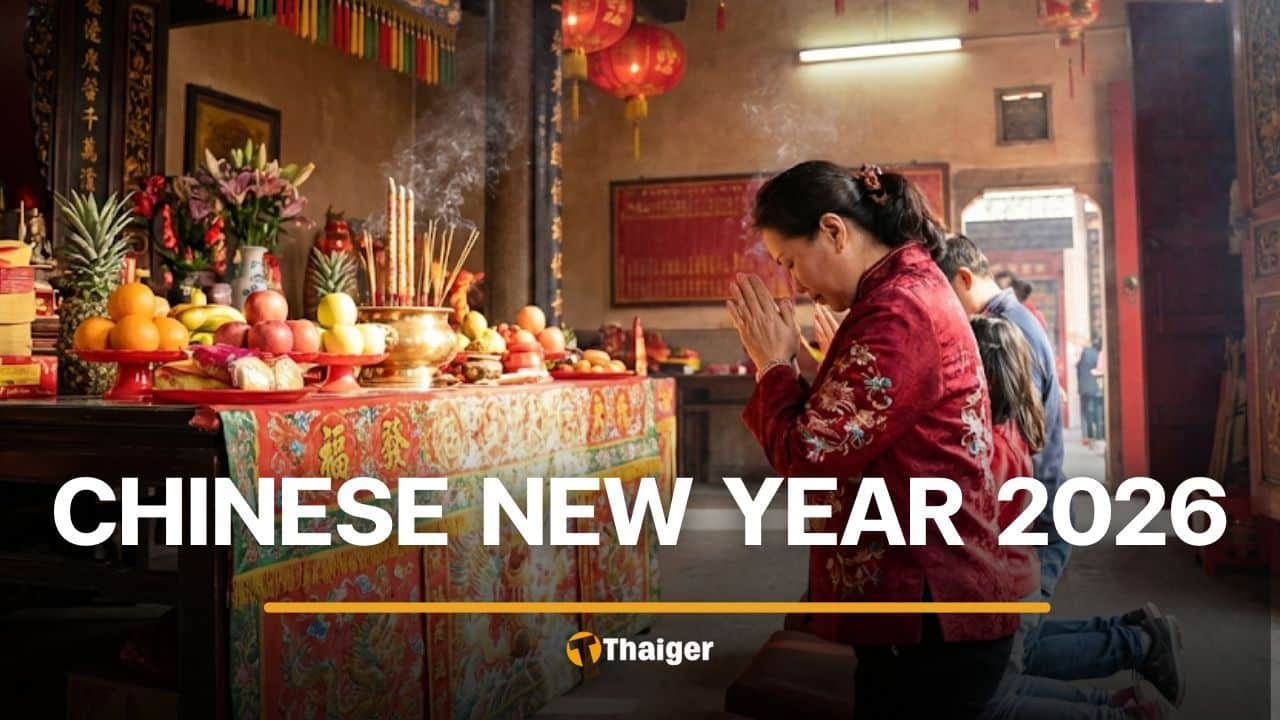
As the sound of firecrackers from the international New Year celebrations begins to fade, the atmosphere of the most important festival for Thai people of Chinese descent is drawing near. The year 2569 BE, or the Chinese zodiac Year of the Horse, carries special significance.
According to Chinese astrology, it is a Fire element year, known as the “Fire Horse,” a symbol of surging energy, speed, and rapid transformation. For those who felt life was stagnant last year, this may be a crucial moment to rise and reinvent themselves.
On this page
| Section (Click to jump) | Short summary |
|---|---|
| Chinese New Year 2026 calendar | Key dates for Spending Day, Worship Day, and Chinese New Year, helping families prepare and observe rituals correctly. |
| Chinese New Year worship rituals 2026 | The four auspicious time periods on Worship Day are each dedicated to deities, ancestors, spirits, and wealth. |
| Zodiac clashes in 2026 | An overview of which zodiac signs face challenges in the Fire Horse year and the areas of life most affected. |
| How to mitigate zodiac clashes | Practical spiritual and charitable actions are believed to reduce misfortune and restore balance during clash years. |
| Recommended practices and taboos | Traditional do’s and don’ts for the Chinese New Year to attract good fortune and avoid symbolic loss. |
| Chinese New Year 2026 and sustainability | How modern families are honouring tradition while reducing environmental impact and air pollution. |
Chinese New Year 2026 calendar
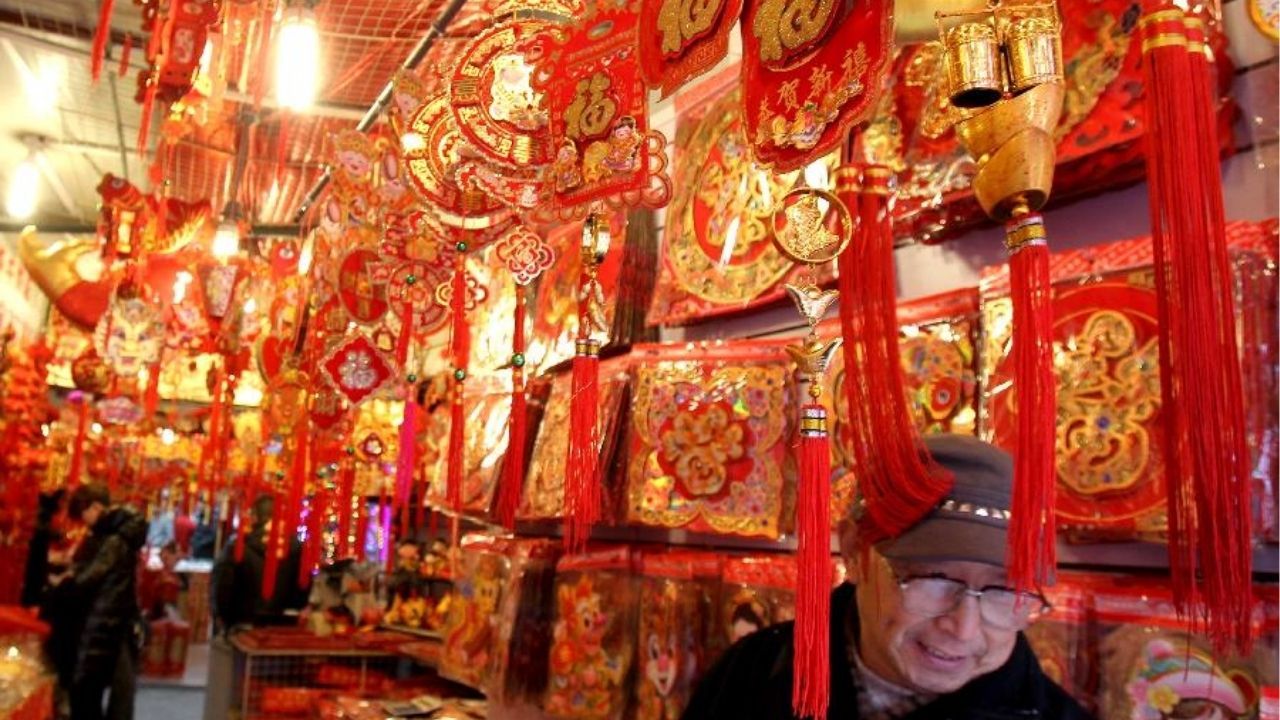
One source of confusion every year is the exact date, as the Chinese New Year follows the lunar calendar and shifts annually. In 2026, the Chinese New Year falls in mid-February, later than usual, giving people more time to prepare after the international New Year.
1. Spending Day (ตื่อเส็ก) – Sunday, February 15
This is the day before the old year ends. Families go out to purchase offerings, including meats, fruits, auspicious desserts, and joss paper, in preparation for the following day. The key principle is that nothing should be lacking. Chinese belief holds that abundance in preparation leads to abundance throughout the year.
2. Worship Day – Monday, February 16


This marks the final day of the old year (ฉูซรี่). It is the most ritual-intensive day, with multiple offerings made to deities and ancestors at different times throughout the day to express gratitude and seek blessings for the coming year.
3. New Year’s Day (วันตรุษจีน) – Tuesday, February 17
Also known as “Chiew Ik,” this is the Chinese New Year itself. People stop working, wear new and brightly coloured clothes, particularly red or gold, and visit relatives or travel to receive blessings. Important taboos include avoiding harsh words, conflicts, and sweeping the house, as sweeping is believed to drive away good fortune.
Chinese New Year worship rituals 2026: Four key time periods for complete and auspicious observance
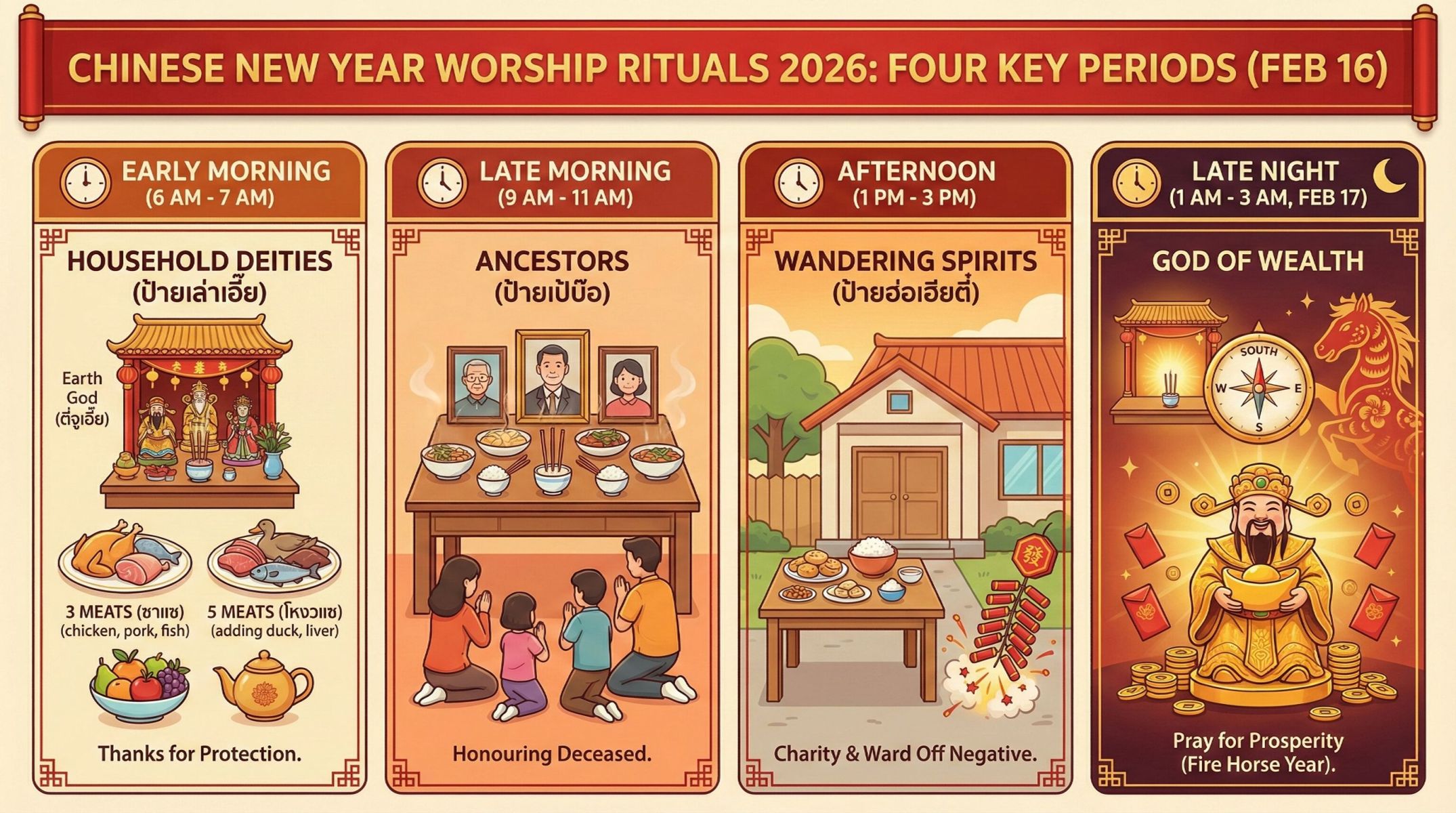
Worship on February 16 is not done in a single session but is divided into four distinct periods, each with a specific purpose.
Early morning (6am to 7am) – Worship of household deities (ป้ายเล่าเอี๊ย)
This session gives thanks to household deities, including the Earth God (ตี่จูเอี๊ย), for protecting the family throughout the past year. Offerings typically include three meats (ซาแซ) or five meats (โหงวแซ), auspicious fruits, and tea.
Late morning (9am to 11am) – Ancestor worship (ป้ายเป้บ๊อ)
This is the most important period for descendants. Families honour parents and ancestors who have passed away, usually before noon. Favourite dishes of the deceased are prepared, along with rice and chopsticks corresponding to the number of ancestors. After the incense has burned down, the family shares the offerings together for good fortune.
Afternoon (1pm to 3pm) – Worship of wandering spirits (ป้ายฮ่อเฮียตี๋)
This ritual is an act of charity for spirits without relatives. It is usually conducted outside the house or at the front of the property. Offerings are simple foods, snacks, rice, and salt. Firecrackers are often lit afterwards to ward off negative energy.
Late night (1am to 2.59am), February 16 into February 17 – Worship of the God of Wealth
This is the most anticipated ritual for those seeking prosperity. The most auspicious time is between 1am and 3am. The altar should face south, as it is believed the God of Wealth descends from that direction. Worshippers pray for financial abundance throughout the Fire Horse year.
Zodiac clashes in 2026: Who prospers, who struggles, and how to mitigate misfortune
In the Year of the Horse, certain zodiac signs experience clashes (Chong), affecting luck and life circumstances.
1. Full clash (100%) – Year of the Rat
Those born in the Year of the Rat are most affected. The clash between Water (Rat) and Fire (Horse) may lead to sudden changes in work, finances, or health. Extra caution is advised regarding accidents and conflicts. Major decisions should not be made emotionally.
2. Self-clash – Year of the Horse
Those born in the Horse year may experience irritability, restlessness, and frequent minor obstacles. Issues often stem from personal stress or internal pressure.
3. Harm clash – Year of the Rabbit
Rabbits should be cautious about legal matters, contracts, and being taken advantage of by close associates. Acting as a guarantor for others is strongly discouraged.
4. Separation clash – Year of the Rooster
Roosters should watch for relationship problems, including romantic and family tensions, as well as health concerns involving elderly family members.
How to mitigate zodiac clashes during the Chinese New Year 2026
Being in a clash year is not a cause for panic. These practices encourage mindfulness and caution.
- Pay respects to Tai Sui (Grand Duke Jupiter) at Chinese temples such as Wat Mangkon Kamalawat (Leng Noei Yi) or Wat Borom Raja Kanchanapisek Anusorn (Leng Noei Yi 2) by submitting a personal fate record to dispel negative influences.
- Donate coffins or burial shrouds to support charitable foundations, symbolically extending life fortune.
- Donate blood, believed to counter misfortune related to injury or bloodshed while generating strong merit.
Choosing Chinese New Year offerings for maximum prosperity
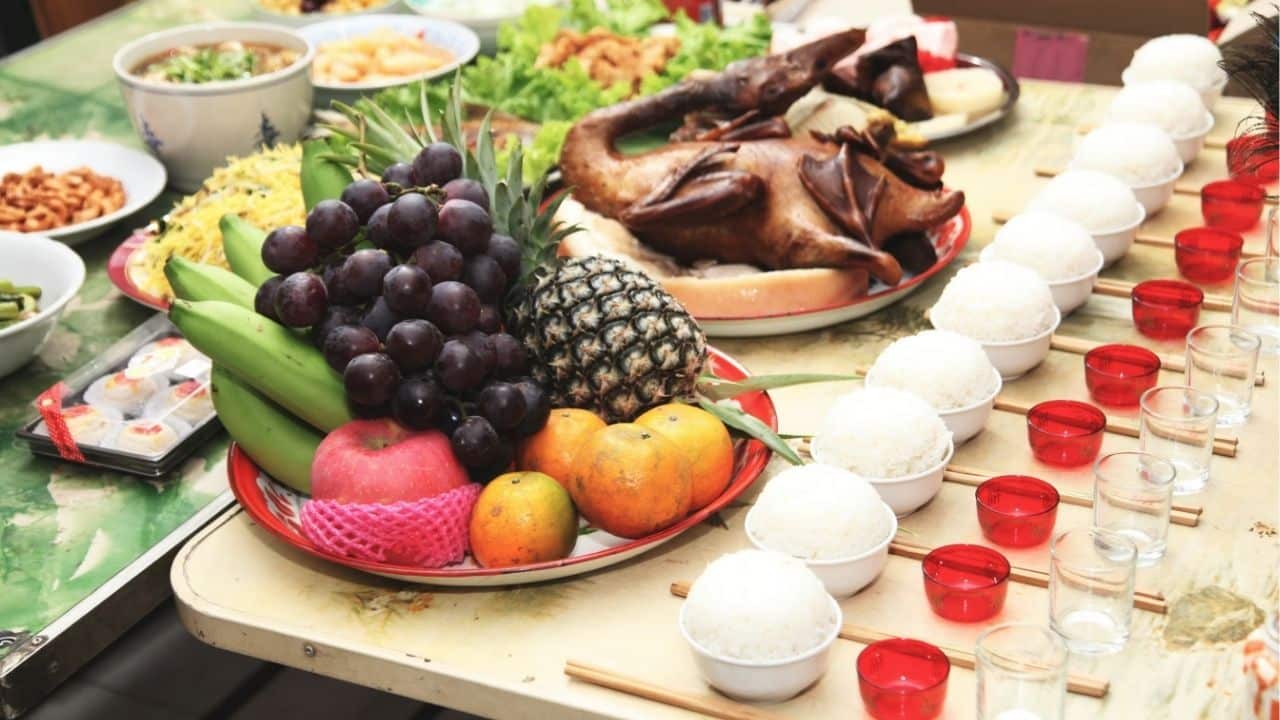
Chinese New Year offerings are rich in symbolic meaning. Choosing correctly is believed to enhance wealth and good fortune.
Meat offerings (ซาแซ/โหงวแซ)
- Whole chicken symbolises career advancement, diligence, and responsibility.
- Duck represents versatility and purity.
- Pork (belly or pig’s head) symbolises abundance and prosperity.
- Fish symbolises surplus wealth, as the Chinese word for fish sounds like “abundance.”
Fruit offerings (โหงวก็วย)
- Oranges symbolise wealth and good fortune.
- Bananas represent attracting prosperity and continuity of descendants.
- Apples symbolise peace and harmony.
- Pears symbolise incoming fortune, though some traditions avoid them due to associations with separation.
- Grapes symbolise growth and multiplication.
Desserts
- Sticky rice cake (Khanom Keng) symbolises smoothness and harmony in life.
- Steamed pyramid cakes (Khanom Tian) symbolise brightness and progress.
- Steamed cupcakes (Khanom Tuay Foo) symbolise prosperity and expansion.
Recommended practices and taboos
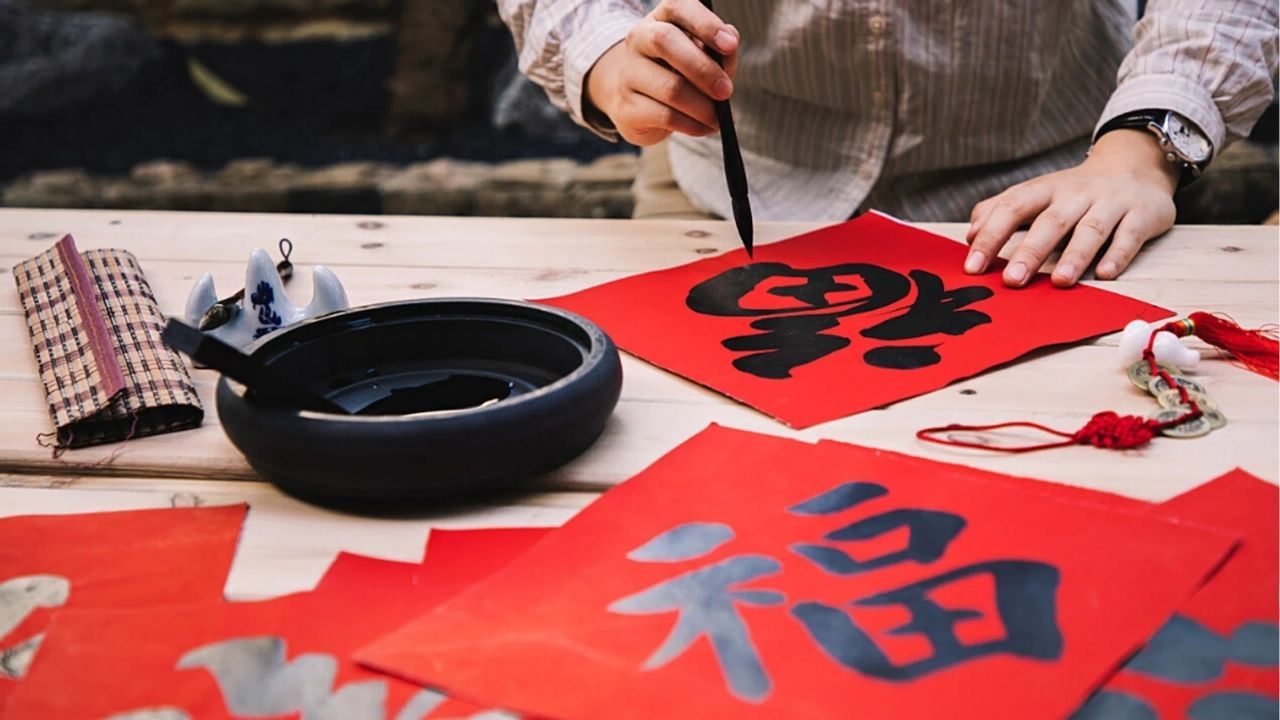
Should do:
- Wear new, brightly coloured clothing such as red, gold, or pink to attract positive energy.
- Speak kindly and exchange blessings such as “Xin Jia Yu Yi, Xin Nian Fa Cai.”
- Eat a vegetarian breakfast on Chinese New Year’s Day, believed to bring merit equivalent to a year of vegetarianism.
Should not do:
- Do not sweep the house or throw out rubbish on New Year’s Day, as it symbolises discarding wealth.
- Do not wash or cut hair, as the word for hair sounds like “prosperity” in Chinese.
- Do not cry or argue, as this is believed to invite sadness throughout the year.
All you need to know about Chinese New Year in Thailand and where to go
Chinese New Year 2026: Preserving tradition while caring for the planet
With growing environmental awareness, Chinese New Year practices are evolving. Many families now use electric incense or online firecrackers to reduce PM 2.5 pollution. Reducing joss paper or choosing biodegradable materials is another environmentally friendly option. Honouring ancestors while protecting the planet reflects care for future generations.
Chinese New Year 2026 is more than a celebration. It is a reminder to stay alert and ready for change. The energy of the Fire Horse rewards diligence, courage, and decisive action. Regardless of whether one faces a clash year, mindfulness, planning, and gratitude toward benefactors remain the strongest protection. May this Chinese New Year mark a beginning filled with success, good health, and happiness throughout the year.
Xin Jia Yu Yi, Xin Nian Fa Cai!
Related articles:
• All you need to know about the Chinese New Year in Thailand
• Where to celebrate the Chinese New Year in Bangkok
• Top 7 places to celebrate Chinese New Year in Bangkok
Latest Thailand News
























Follow The Thaiger on Google News: