Time to talk about ‘Thai time’
Thaiger’s satirical cultural commentary volume 11

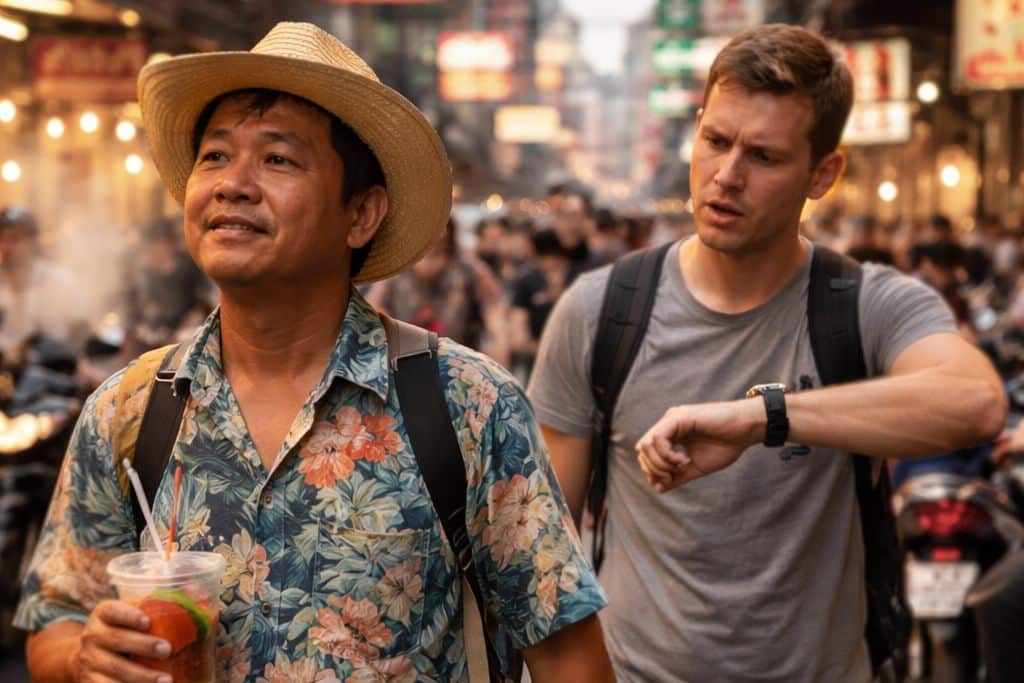
Ask any foreigner in Thailand what confused them first, and you’ll hear the same answer: Time. Or more specifically, why nobody seems to be in a rush to meet it.
In the West, being late is personal. It feels like disrespect, a failure, a small moral crime, and you receive a stigma as being lazy or unorganised. But in Thailand, lateness usually means something simpler: life happened first.
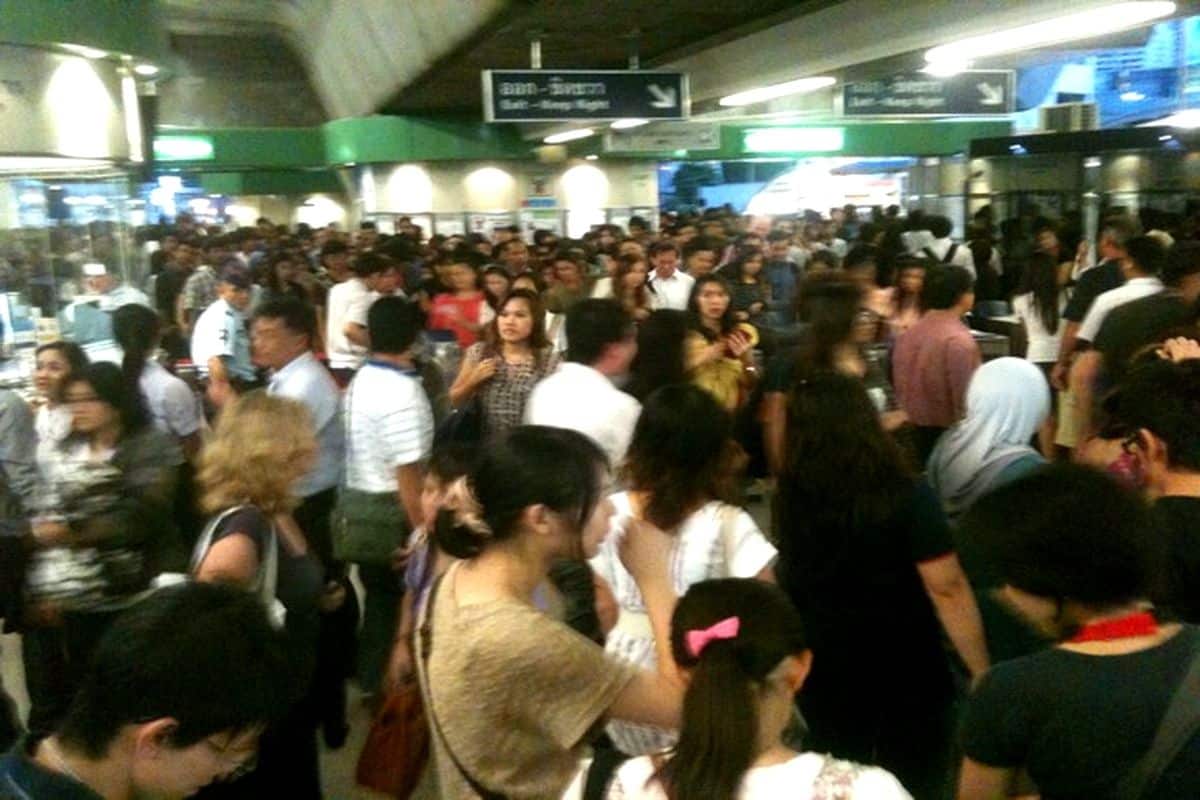
Thai culture prioritises harmony over precision. Relationships over schedules. Arriving exactly on time matters less than arriving in the right mood. Showing up stressed, angry, or hungry defeats the purpose of showing up at all. This mindset comes from several places.
First, Buddhism. Thai society is deeply shaped by the idea that suffering comes from attachment. Including attachment to clocks. If something runs late, getting upset only creates more suffering. So people wait. Or they eat. Or they talk. Then they arrive.
Second, heat. Thailand is hot. Not mildly uncomfortable hot. Energy-draining hot. Moving slowly is practical. Rushing is inefficient. Most foreigners want to pull out their hair when they walk behind a Thai person, because they seem to move so slowly.
To Thais, the only people who should be running in the heat are running away from something or Muay Thai fighters. A culture that lives outdoors adapts its tempo accordingly.
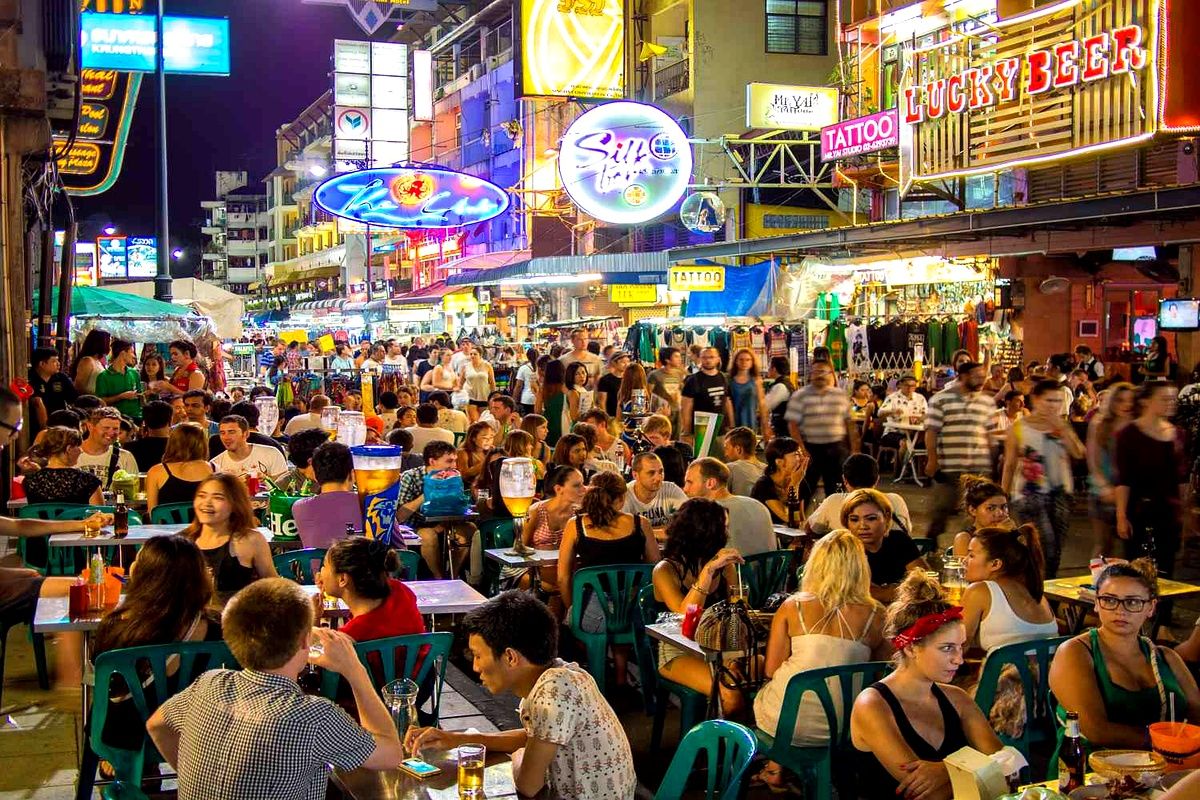
Third, language. Thai time expressions are often flexible by design. Words like “around,” (ประมาณ (bpra-maan)) “later,” (อีกเดี๋ยว (èek dĭao)) or “soon” (เดี๋ยว (dĭao)) are intentionally open. They communicate intention, not commitment. When someone says they are coming, they mean they want to come. Their body will catch up eventually.


Fourth, collective timing. In Thailand, “I can’t be late, because everyone is late.” There is an unspoken buffer built into social life. Nobody is waiting alone. The group moves together, just not quickly.
This mirrors other cultures. Southern Spain runs on mañana logic, Latin America bends the clock socially, and even parts of the Mediterranean joke about “real time” versus “local time.”
Thailand fits into that global pattern, just with better food while you wait (Depending on who you ask).
Western punctuality often comes from industrial systems such as trains, factories, and contracts. Thailand’s social rhythm developed around agriculture, temples, markets, and family networks. Those systems are old and reward patience, not precision.
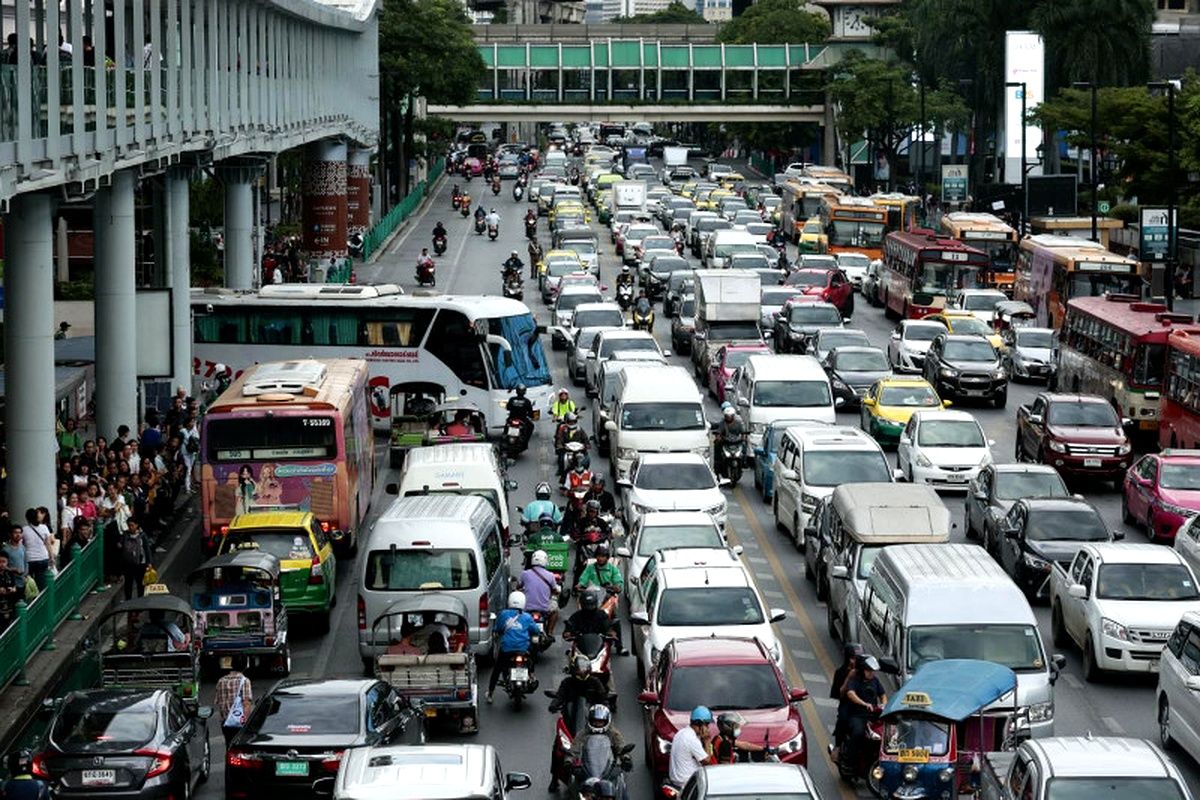
That doesn’t mean nothing starts on time. Airports do, hospitals do, courts do. Structure appears when structure is necessary, but social life simply isn’t treated like a factory shift.
To Thais, arriving early can feel awkward. It pressures the host. It suggests impatience. Being slightly late gives the room time to breathe.
So when foreigners complain that Thais are always late, they’re usually noticing the same thing Northern Europeans notice in the Mediterranean, or Mediterranean people notice in Latin America, or Germans notice anywhere that doesn’t worship the clock.
The mistake is assuming time is the main thing being respected. In Thailand, the main thing is people.
If you adjust to that, the waiting gets easier. You stop staring at your phone, and you order another drink. You talk to whoever is nearby, and eventually, the next thing you know, you’re right on schedule, and everyone arrives.
Or you can move to Japan.
Latest Thailand News

























Follow The Thaiger on Google News: