How popular is badminton in Thailand and where can you play it?
A look at the culture, accessibility, and spaces behind the sport’s nationwide appeal

Badminton has been one of Thailand’s most beloved sports for generations, sitting alongside football and Muay Thai in the national consciousness. For over 70 years, Thais have grown up with rackets in hand, playing in parks, backyards, school gyms, and makeshift courts wherever space allowed.
Walk through any Bangkok park at dawn or any provincial sports hall in the evening, and you’ll see the same scene that’s played out for decades: courts packed with players smashing shuttlecocks under buzzing fluorescent lights.
On this page
| Section (Click to jump) | Short summary |
|---|---|
| Why has badminton captured Thailand? | Looks at how elite champions, changing fitness trends, and low barriers to entry turned badminton into one of Thailand’s most played sports. |
| Where to play across Thailand | Breaks down the best courts in Bangkok and major cities, including pricing, booking tips, and how locals actually play. |
| The service line | Puts Thailand’s badminton boom into context and explains why the sport has become a cultural gateway for expats and locals alike. |
Why has badminton captured Thailand?
The sport’s roots run deep. The Badminton Association of Thailand was founded in 1950, and for over 70 years, Thais have grown up playing casual games in parks, backyards, and even indoors at home. What’s changed recently is the intensity of interest, driven by a perfect storm of international success, shifting fitness priorities, and a new generation of champions.
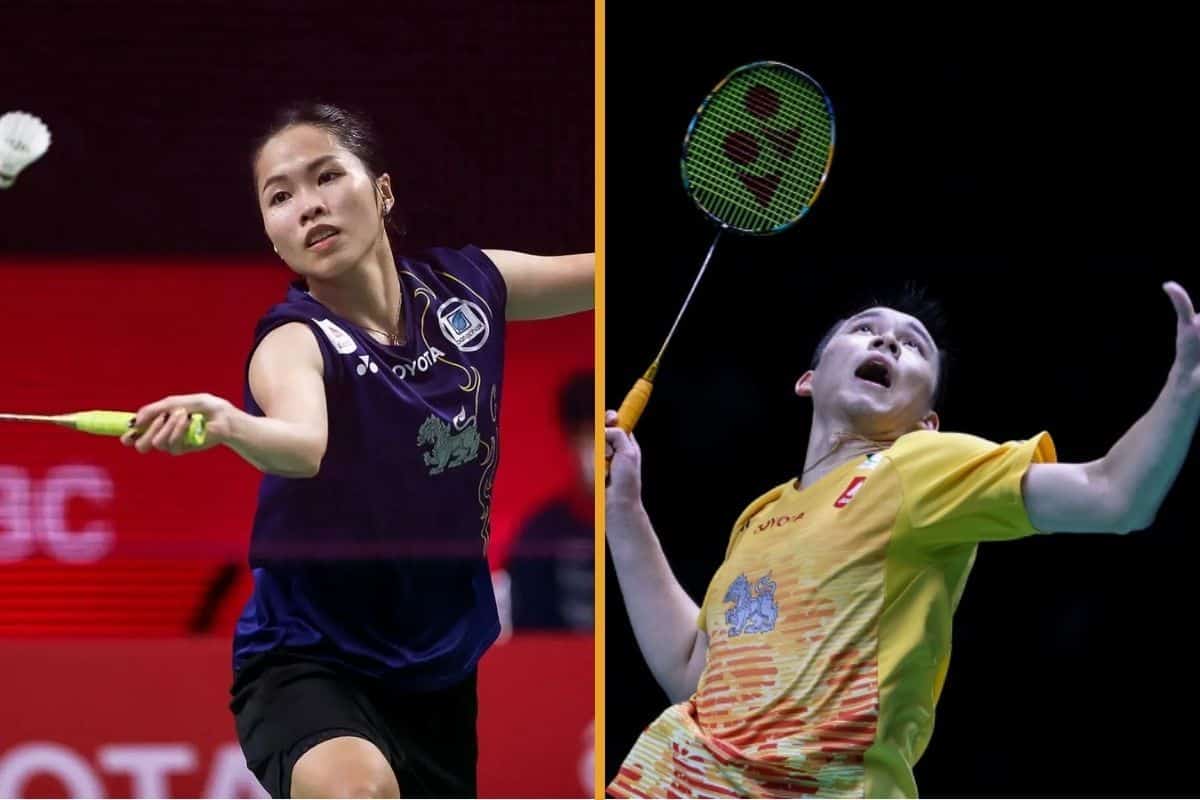
Thailand has produced world-class players who’ve ignited national pride. Ratchanok Intanon made history in 2013 as the first Thai to win the World Championships, later reaching world number one in women’s singles. But the real catalyst for today’s boom is Kunlavut “View” Vitidsarn.
The View’s rise reads like a sports fairy tale. After becoming a three-time junior world champion, he claimed Thailand’s first men’s singles World Championship title in 2023. Then came the silver medal at the 2024 Paris Olympics, a performance that had millions of Thais glued to their screens.
In May 2025, he became the first Thai male singles player to reach world number one, a milestone that validated Thailand’s training infrastructure as genuinely world-class. As of early 2026, he continues to dominate, recently winning the Malaysia Open Super 1000 tournament.

Kunlavut’s impact goes beyond medals. Described as a “silent assassin” for his humble demeanour and focus on growth over glory, he embodies values that resonate deeply in Thai culture. His face appears in advertisements across Bangkok, and his success has sent youth enrollment at badminton academies soaring.
The numbers back up what you see on the courts. During the 2022 Southeast Asian Games, 35% of Thai viewers followed badminton competitions, trailing only football in audience popularity. Bangkok regularly hosts major tournaments like the Thailand Open and Thailand Masters, which draw top international players and strong television viewership.
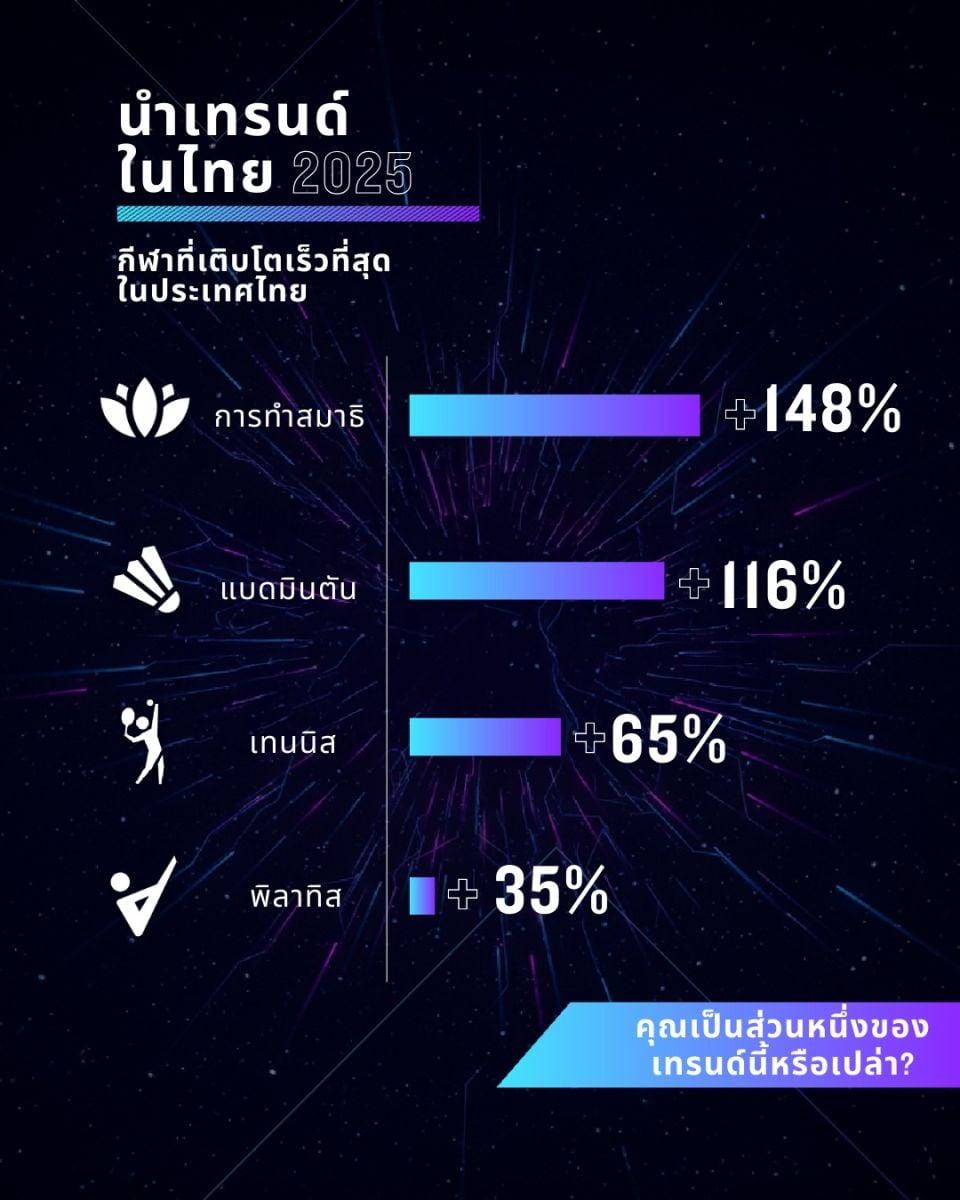
But there’s a deeper trend at play. Fitness data from Garmin’s 2024-2025 analysis identifies racket sports as the “hottest trend” in the Asian fitness market, with participation rates in Thailand doubling in specific sectors.
Thais are moving away from purely cardiovascular pursuits like cycling toward activities that prioritise agility and muscle strength, which saw a 30% surge in engagement.
Badminton perfectly fits this new wellness paradigm: it’s a high-intensity interval workout disguised as a game, building bone density and coordination without the joint stress of long-distance running.
Crucially, women are driving much of this growth. The data contradict assumptions about gender roles in Thai sports; women are engaging in muscle-building and racket sports at higher frequencies than men in several categories. Walk into any Bangkok court at 7pm, and you’ll find mixed doubles (of no particular or official style) is the standard format, not a segregated activity.
The sport’s accessibility seals the deal. Court rental typically costs 100-150 baht per hour at many facilities. Basic equipment is inexpensive; a decent racket costs a few hundred baht. This low barrier to entry means office workers, students, and retirees can all participate.
While other countries report stagnating badminton participation, Thailand stands as a vibrant outlier.
Where to play across Thailand
If you’re looking to join this thriving scene, facilities are plentiful. Most major cities have dedicated badminton halls where you can rent courts by the hour with no membership required.
Bangkok
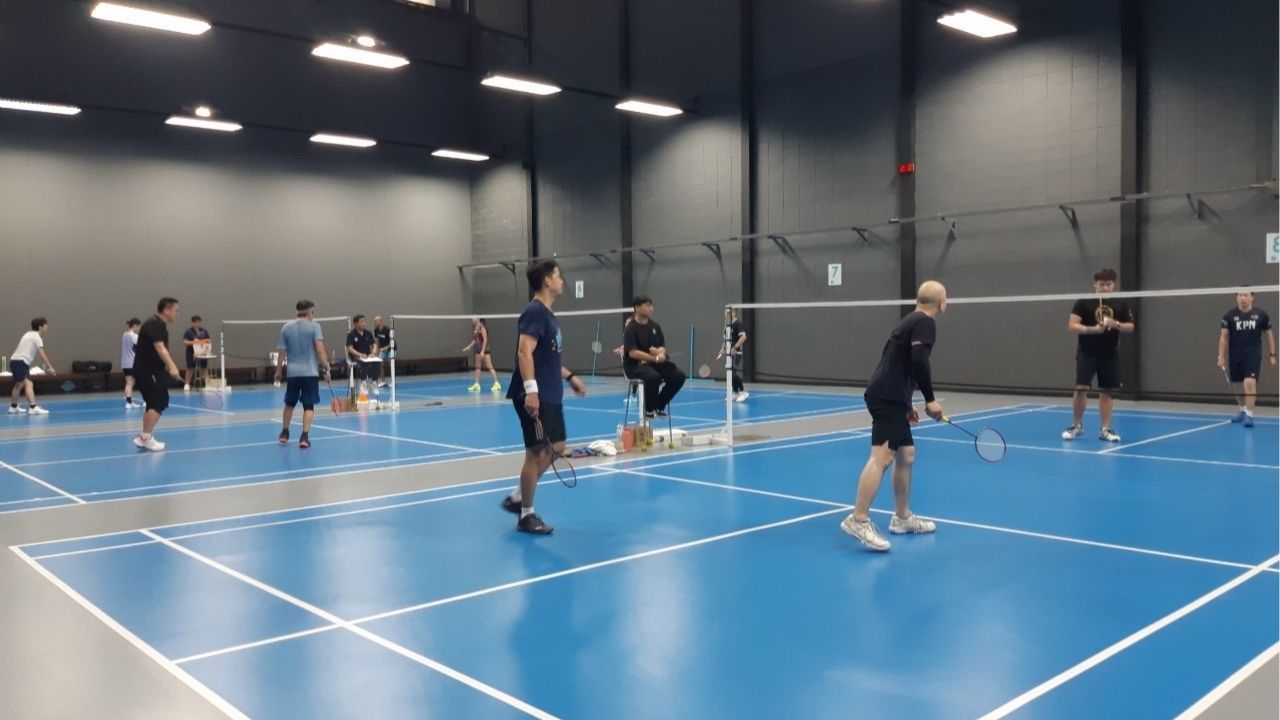
The Racquet Club (Sukhumvit 49) remains the gold standard for serious players. Located near BTS Thonglor, it offers 8 indoor courts with professional flooring, open 6am-11pm daily. Court rental runs about 400 baht per hour. You’ll find quality amenities, including equipment rentals, in-house coaches, and other sports facilities. It’s the favourite among expats who prioritise air conditioning and high standards.
71 Sports Club (Pridi Banomyong 49) offers a more authentic local experience. Situated near BTS Phra Khanong, this venue operates 8am-midnight with courts costing just 150-250 baht per hour. It’s not air-conditioned, expect industrial fans and a sweltering environment that serious players actually prefer because AC drafts affect shuttlecock flight. The club hosts many Meetup groups, making it ideal for solo players seeking community.
Winner Sports Avenue (Huai Khwang) strikes a middle ground. Near MRT Huai Khwang, it features clean, brightly lit courts open 10am-11pm weekdays (from 8am weekends). Court fees sit around 280 baht per hour. Staff rigorously enforce the “non-marking shoe” rule, so bring proper court shoes or rent them on-site.
Benjakitti Forest Park Sports Center represents Bangkok’s “Green Revolution”—massive warehouses of a former tobacco factory retrofitted into high-ceilinged, professional-grade indoor courts. The cost is zero. It’s entirely free for the public, but accessing it requires mastering the CSTD Smart Member app and booking exactly one day in advance at 6am. Prime evening slots disappear within seconds. The catch: bring your own equipment, as rental stock has been largely destroyed by inexperienced players.
Beyond Bangkok
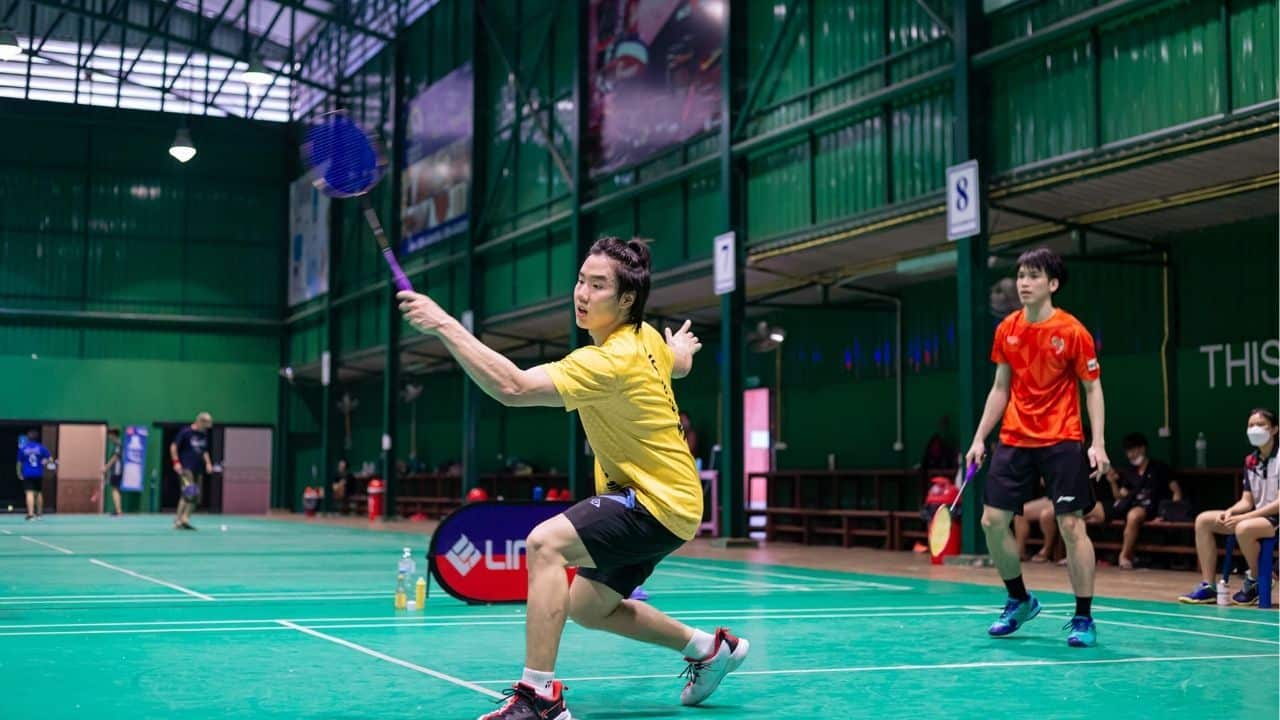
Chiang Mai caters to its large digital nomad population. Greenhill Badminton (behind Maya Mall) hosts expat-friendly sessions for around 100 baht per player. FYC Badminton Court near the Superhighway earns high ratings for its lighting and court quality, serving as a melting pot for Thai locals and foreign residents.
Phuket offers options for both residents and fitness tourists. PK Arena in Thalang features 7 courts with high ceilings and professional flooring, the premium choice priced accordingly. For budget play, the Saphan Hin public sports centre in Phuket Town charges roughly 20 baht per person, though expect crowds in late afternoon.
Many venues operate a “buffet” system where organisers rent multiple courts and players pay a fixed fee (typically 200-350 baht) covering court rental and shuttlecocks. These social sessions rotate players through doubles matches and are the fastest way to meet people. Payment is almost exclusively via QR code through PromptPay, so having a Thai banking app helps.
Pricing snapshot
| Location | Peak Hours | Off-Peak | Notes |
|---|---|---|---|
| Bangkok (Private/CBD) | 400-500 baht/hr | 300-400 baht/hr | Peak: Mon-Fri 6-10pm |
| Bangkok (Suburbs) | 150-280 baht/hr | 120-160 baht/hr | Best value for regulars |
| Chiang Mai | 150-200 baht/hr | 100-150 baht/hr | Student-friendly pricing |
| Phuket | 300-450 baht/hr | 200-300 baht/hr | Tourist area premium |
One hidden cost: feather shuttlecocks. A tube of 12 now costs nearly 1,000 baht due to supply chain issues in 2025. Many serious players won’t accept plastic shuttles, so budget accordingly or join buffet sessions where the cost is shared.
The service line
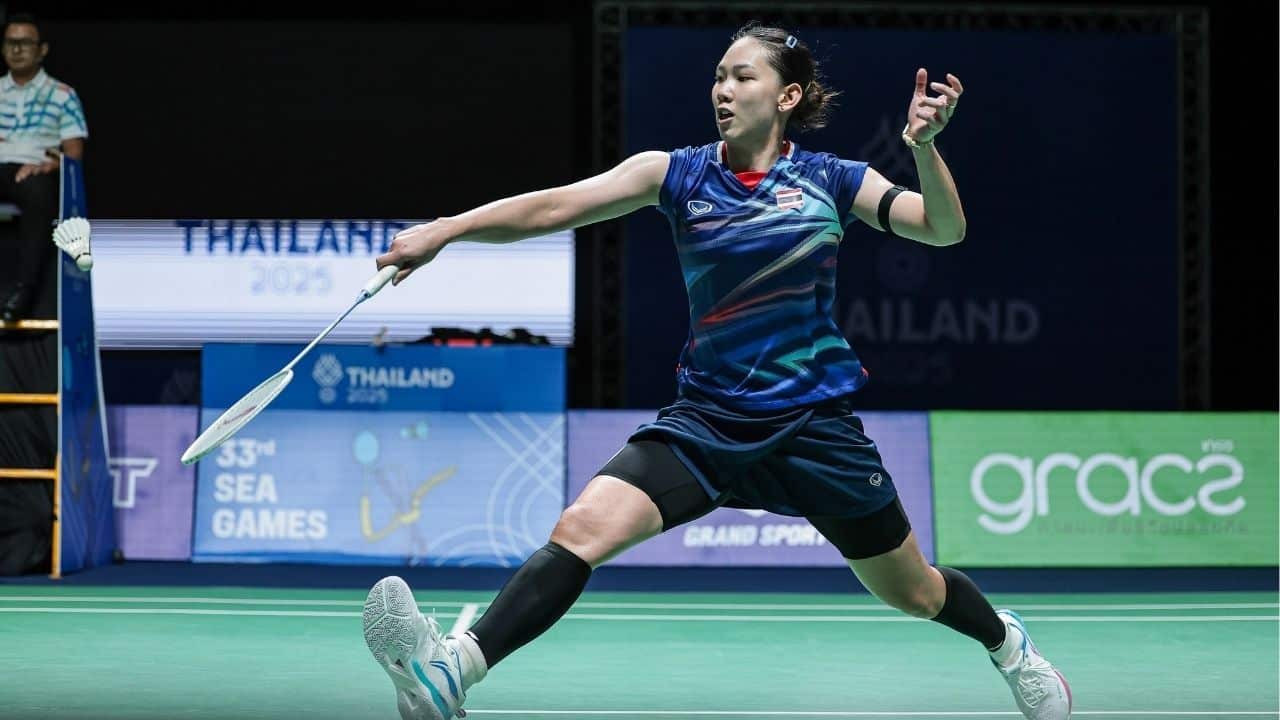
Thailand’s badminton scene reflects the country’s broader dynamism. After decades as a national favourite, the sport has seen remarkable growth through 2024 and 2025, participation doubling in some sectors while other countries watch their badminton scenes stall.
It’s a scene that integrates technology with tradition and welcomes everyone who respects the rules. For expats and visitors, badminton offers more than exercise; it’s a passport into Thai culture, a community united by the universal language of the rally.
Whether you’re playing under high-tech lights at a premium club or battling wind at a public park, you’re participating in a national pastime that’s been beloved for generations.
The courts are full, the competition is sharp, and with Kunlavut continuing to dominate internationally, Thailand’s badminton passion shows no signs of cooling. Just bring your racket, book a court, and prepare to smash some shuttles.
Sources:
• Badminton World Federation – Kunlavut Vitidsarn Profile & Rankings
• Garmin – Asia-Pacific Fitness Trends Report 2024-2025
• Badminton Central – Global Participation Analysis
• Bangkok Metropolitan Administration – CSTD Sports Facilities
• Badminton Association of Thailand – History & Player Achievements
Latest Thailand News























Follow The Thaiger on Google News: