Muay Thai fight promotions that go beyond traditional martial art
Street fights, fight circuses, and official promotions that involve Muay Thai

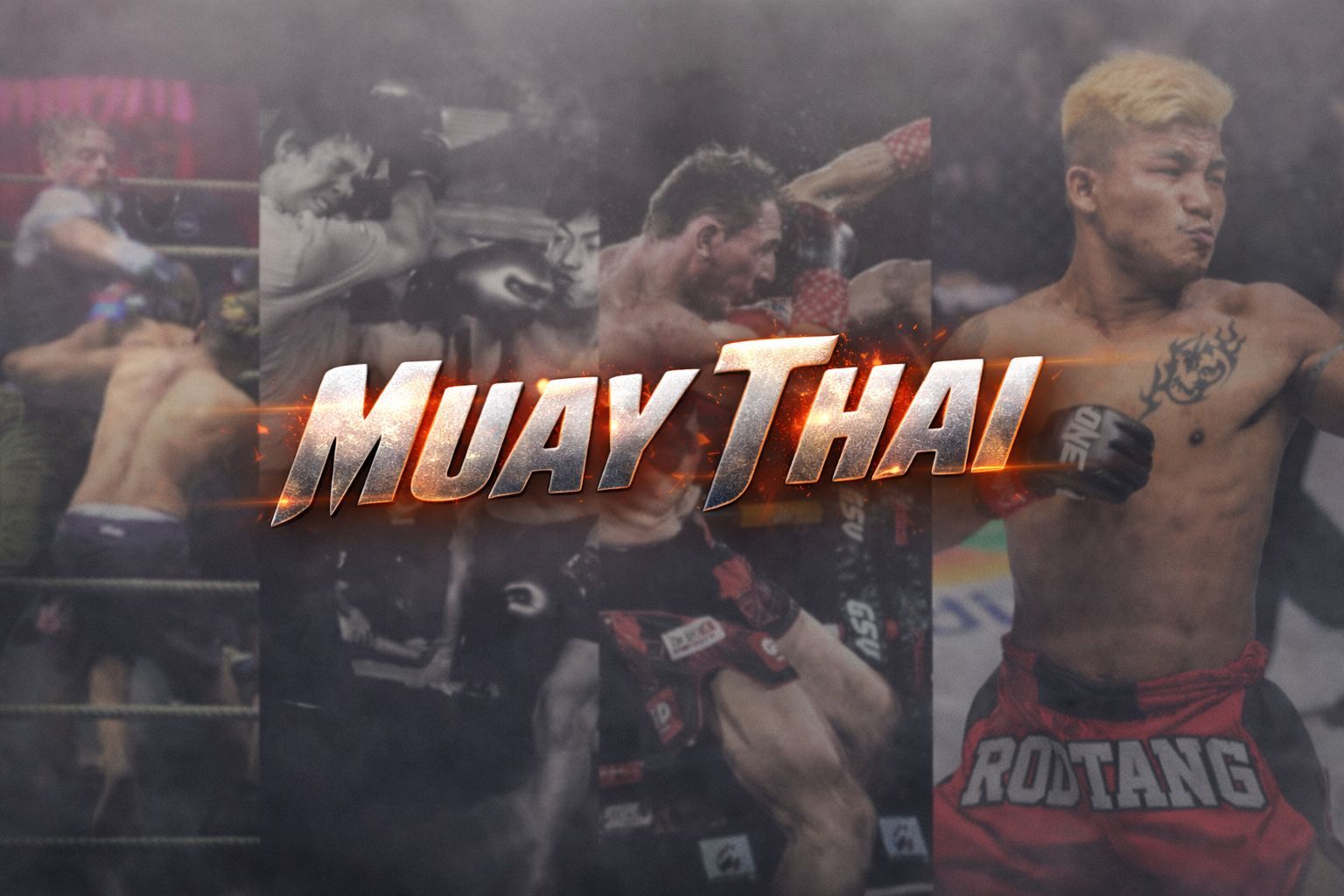
Muay Thai has long been Thailand’s national sport, but today, it’s more than a martial art. It’s a social ladder, a second chance, a cultural export, and a fight for recognition. While elite promotions like ONE Championship and the historic Rajadamnern Stadium keep Muay Thai in the spotlight. There are parallel fight cultures that thrive in alleyways, fight clubs and oddball fight shows.
Muay Thai started as a battlefield martial art tied to Buddhist rituals. When Rajadamnern Stadium opened in 1945, it set standardised rules and weight classes. For decades, tradition ruled, fighters performed rituals, wore blessed headbands, and followed techniques passed down for generations.
But Thailand’s fight culture has always been flexible. The underground bouts and spectacle fights aren’t new; they’re just Thailand’s practical take on combat sports. The country doesn’t lock Muay Thai away. This mix created a scene where 80-year-old stadiums operate next door to phone booth brawls.
Muay Thai fight promotions that go beyond tradition
| Section (Click to jump) | Short summary |
|---|---|
| Street Fight Thailand | An underground fight scene built on raw matchups, strict amateur rules, and a code of respect that rejects gym politics. |
| Fight Circus | A deliberately chaotic fight promotion blending combat sports with spectacle, humour, and viral entertainment. |
| Rajadamnern Stadium | Thailand’s oldest Muay Thai stadium, preserving tradition while modernising presentation and global appeal. |
| ONE Championship | A global combat sports platform that has pushed Muay Thai and kickboxing onto the world stage. |
Street Fight Thailand: 1st rule of street fight
Street Fight Thailand runs every other Saturday night. Fighters register a week in advance. No resumes. Just weight classes:
R | Rocker: 50–70 kg
M | Metal: 71–90 kg
H | Hardcore: 91+ kg


B | Brutal: no weight limit
There are no affiliations allowed. Fighters with pro records or gym ties are banned. The goal is raw matchups, minimal weight differences, and mutual respect. After the fight, no matter who bleeds or breaks, everyone shakes hands.
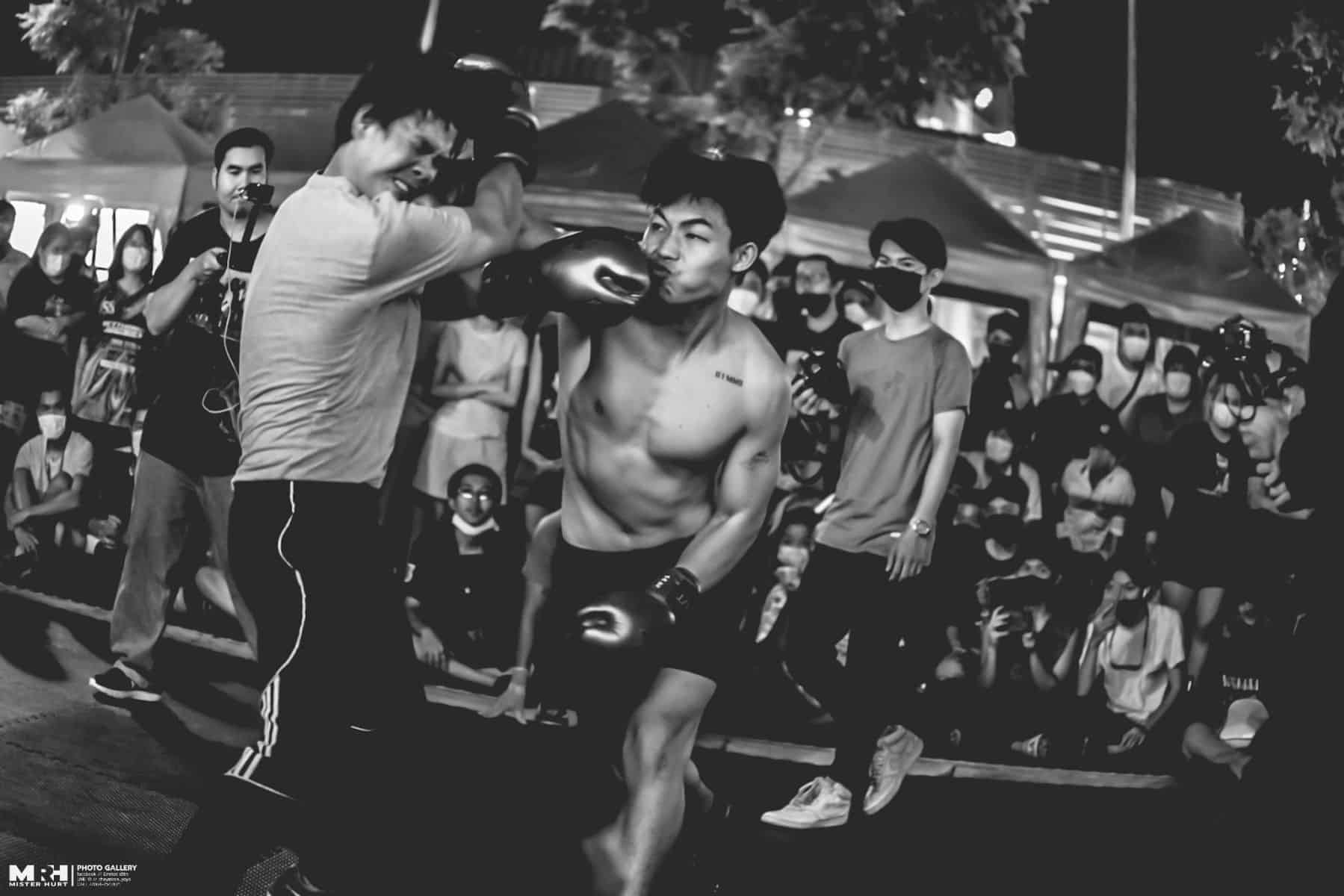
The motto is #NoPainNoGen. Coined by organiser Joe Madcow KSF, “Gen” stands for “gentlemen.” Fighters earn respect not with words, but with pain.
A fighter that came out of this rough scene was Peter Danesoe, aka “The Asian Viking.” The Thai-Danish fighter, 25, began training at 16. He’s now based in Phuket and trains at Bangtao Muay Thai & MMA. Danesoe fights in both sanctioned and underground bouts.
With a pro MMA record of 8 – 4, he’s scored five knockouts and three submissions. He’s fought in ONE Championship, RUFC, UAE Warriors, and Legend FC. His last fight in May 2025 ended in a first-round TKO loss. Still, he ranks among the top 40 bantamweights in Southeast Asia and China.
Danesoe trains twice a day, six days a week. His style is fast and explosive. His story is part of a new generation of fighters mixing disciplines and stages.
Fight Circus: Take a fight on the wild side
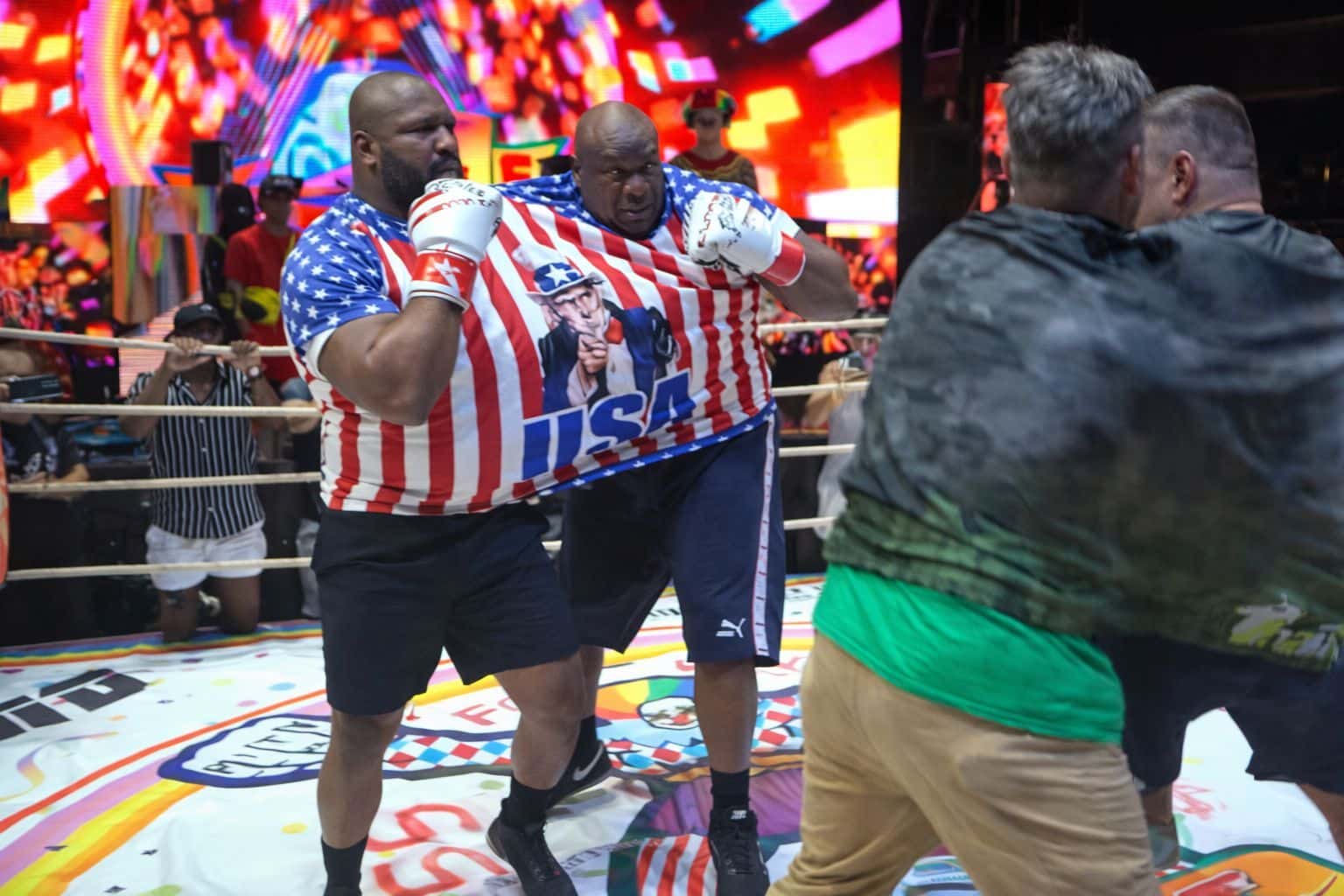
Fight Circus doesn’t pretend to be about honour. It’s entertaining chaos by design. With phone booth fights, carjitsu, tag-team boxing, musical chairs, intergender bouts, and much, much more. It’s a mashup of sport and sketch comedy. You can find tons of viral videos from their spectacle fights, like the owner of Fight Circus, Jon Nutt, fighting two Thai fighters half his size.
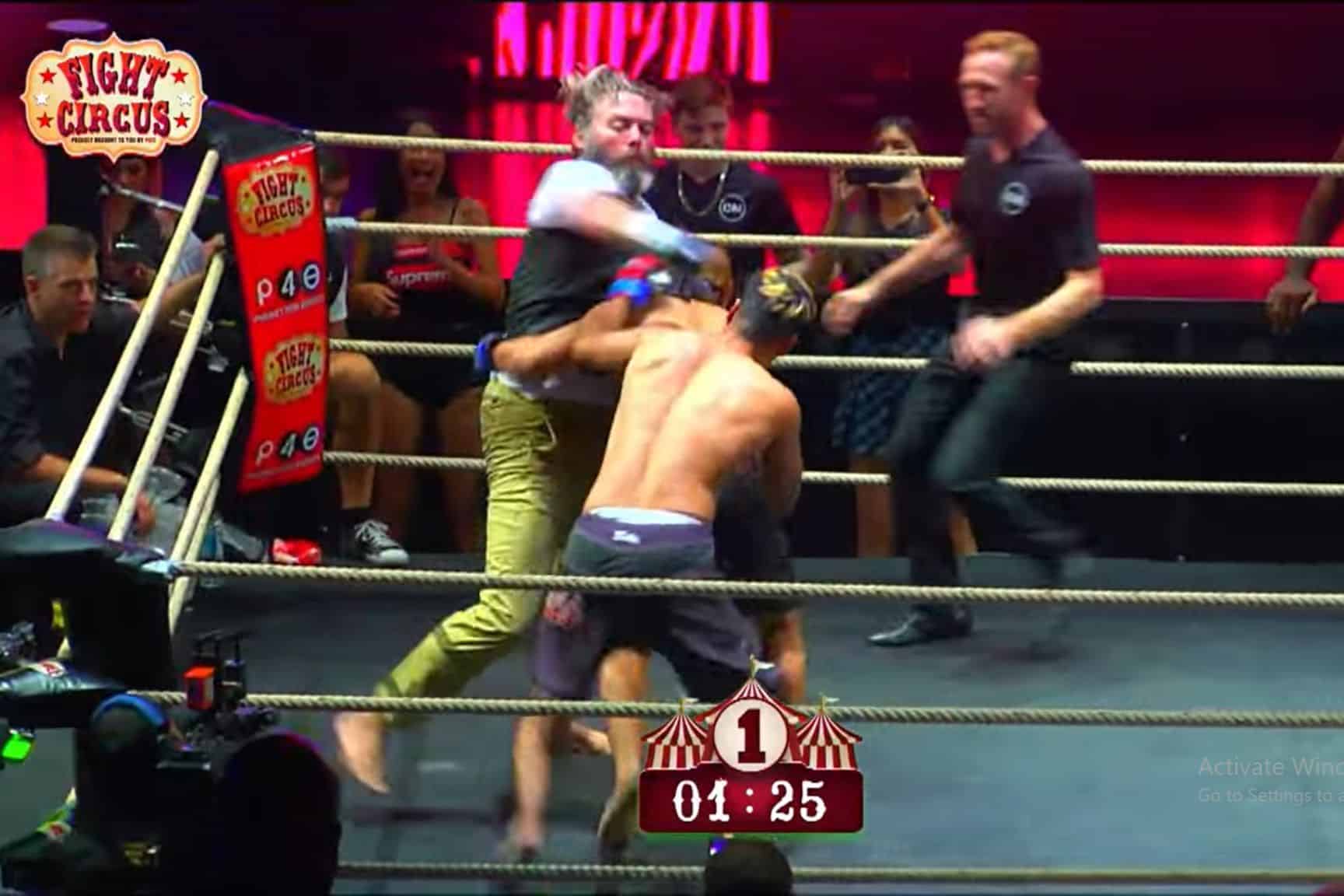
It’s the birthplace of MMA-symmetrical. The most outlandish fight show online. Tyson Fury called it “the best show in the world.” Rampage Jackson said it was “the most fun I’ve ever had in the ring.” But behind the gimmicks is a deeper truth. Thailand knows how to blend an extravaganza with tradition.
Rajadamnern Stadium: Old dog, new kicks
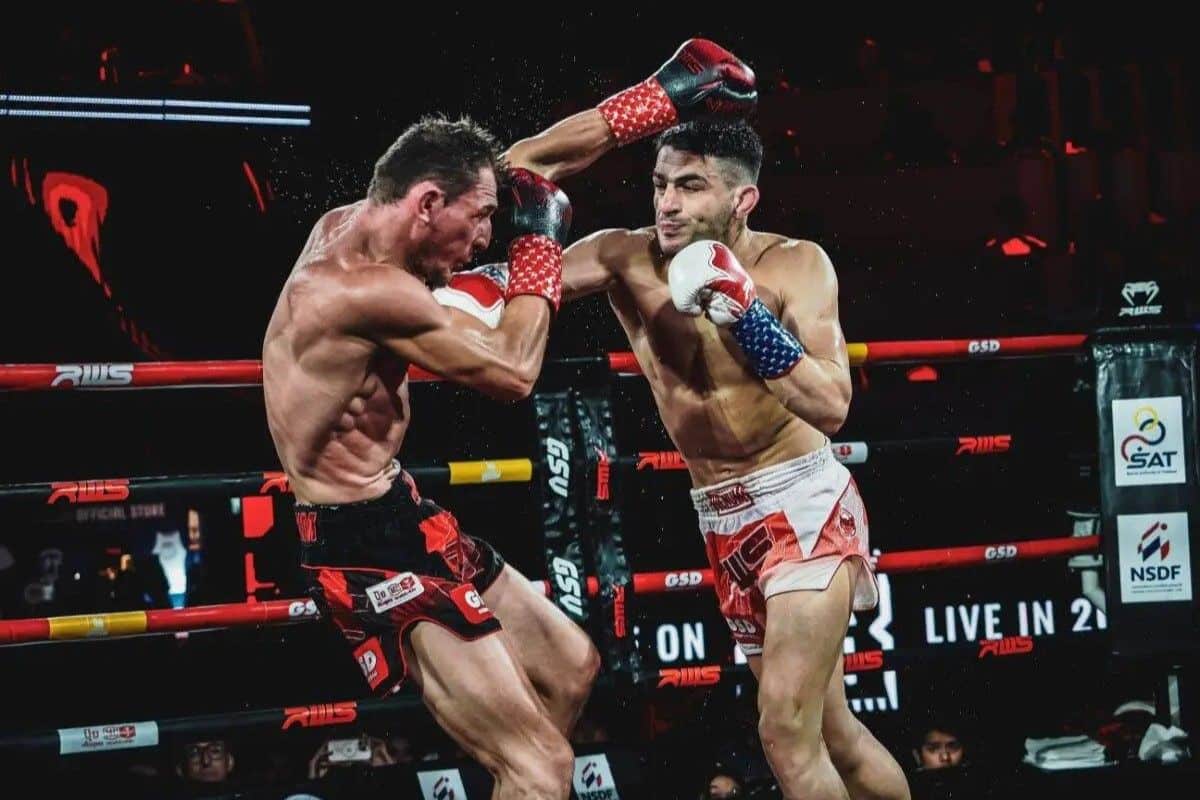
Rajadamnern Stadium in Bangkok, opened in 1945, is Thailand’s oldest Muay Thai boxing arena and is often hailed as the sport’s first dedicated stadium, playing a pivotal role in shaping modern Muay Thai’s rules and traditions.
The iconic stadium prides itself on being an immersive experience for the audience, teaching the viewers about Muay Thai history. They also concluded their 80th anniversary celebrations on 28 December 2025; the lineup that happened drew global eyes. Bonuses for fighters topped 4.5 million baht.
On the 80th anniversary:
- Daniel Rodriguez beat Petchmorakot in a 154 vs 160 lb match.
- Saengmanee defended his 135 lb title.
- Ritthewada stopped Russia’s Alexey Ulianov by TKO.
- Khunseuknoi and Charoensuk also walked out as champions.
A martial art in flux
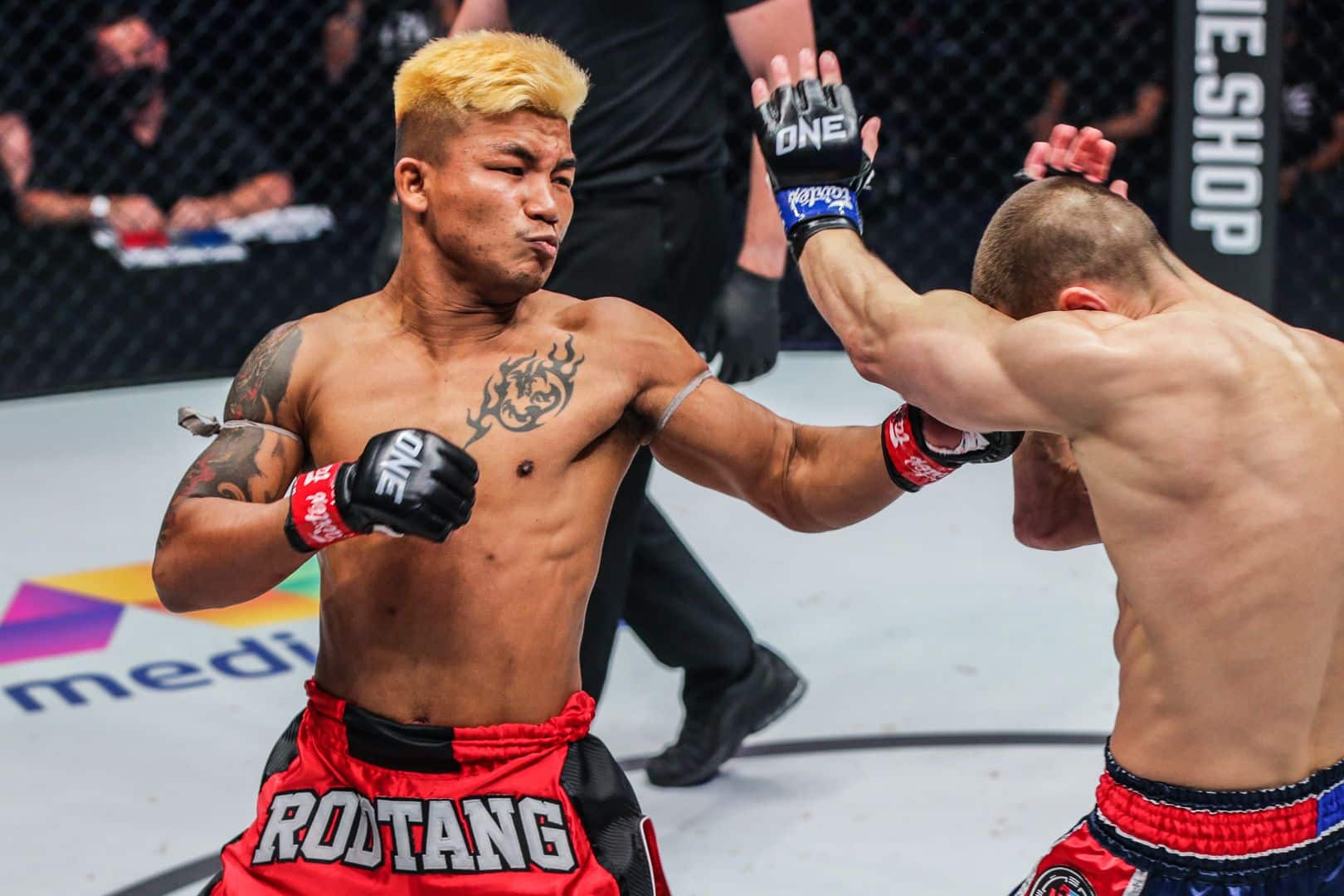
Today’s Muay Thai stands at a crossroads. While heritage remains sacred in venues like Rajadamnern, it also goes global in new five-star arenas from ONE Championship to YouTube, and fight clubs are shaping its future. Whether performed for glory, escape, or entertainment, Muay Thai continues to evolve, proving its relevance well beyond the ropes.
Muay Thai isn’t choosing between tradition and innovation with these promotions; it’s doing both. Rajadamnern Stadium’s 80th anniversary pulled the same crowds that pack underground fight clubs. Superbon and Superlek hold championship belts while Peter Danesoe bounces between sanctioned rings and street brawls.
Thailand’s shown that ancient rituals and viral videos can coexist. Whether fighters step in for glory, money, or chaos, Muay Thai keeps proving it matters, and Thailand’s still where the sport’s future gets tested.
Related articles:
• How has tourism changed Muay Thai
• Thailand’s MMA boom and how Thailand is embracing it in 2025
• The poetry in motion of Krabi Krabong
Latest Thailand News
























Follow The Thaiger on Google News: