How to do marketing and advertising in Thailand? Top 7 tips (2026)


Are you ready to unlock the secrets of one of Asia’s most digitally savvy markets? If you are looking to make your business thrive in Thailand in 2026, you have arrived at the right place.
The marketing landscape has evolved at a remarkable pace. By early 2026, Thailand is expected to have around 67.8 million internet users, representing nearly the entire population (DataReportal). This level of digital penetration places Thailand among the most connected markets in the region.
The way Thai consumers interact with brands has fundamentally shifted. Conversations about going digital have moved on to a reality where AI underpins daily operations, “Shop-tainment” drives purchasing behaviour, and long-held spiritual beliefs coexist with modern technology.
In this environment, brands cannot simply replicate Western strategies or reuse regional playbooks from markets like Singapore. Success in Thailand requires an understanding of Sanuk (fun), Kreng Jai (consideration), and the country’s deeply social, hyper-connected consumer culture.
AJ Marketing has already done much of the groundwork. With extensive experience in Thailand and across Asia, the team helps brands cut through complexity and adapt to the realities of the Thai market.
This guide shares seven practical, insight-driven tips to help you market and advertise in Thailand in 2026, from the rise of “Muketing” to the growing dominance of AI-assisted creativity. Let’s dive in!
On this page


| Section | Short summary |
|---|---|
| Tip #1: Embrace “Muketing” | Shows how “Mutelu” beliefs shape buying decisions in Thailand and how brands use lucky numbers, colours, astrology, and timing without feeling gimmicky. |
| Tip #2: Master the “Shop-tainment” ecosystem | Breaks down how Thai social commerce works in 2026, with live selling, in-app checkout, and chat-first buying through TikTok, Shopee, Facebook, and LINE. |
| Tip #3: Adopt a “search everywhere” strategy | Explains why discovery now happens on TikTok and Instagram as much as Google, and what “Social SEO” and user reviews need to look like to stay visible. |
| Tip #4: Blend AI with human storytelling | Covers where AI helps (speed, testing, analysis) and where humans still win in Thailand, especially Sanuk, humour, and emotional tone that feels real. |
| Tip #5: Collaborate with the “fandom” | Shows how idol culture turns attention into sales, why campaigns succeed when fans feel included, and how micro-influencers add trust alongside big names. |
| Tip #6: Prioritise trust and privacy | Frames PDPA as more than compliance, with practical trust signals like clear data use, social proof, and building first-party channels such as LINE OA. |
| Tip #7: Find yourself a local partner | Highlights why Thailand needs trans-creation, speed, and local connections, and why experienced partners reduce risk when trends and rules shift fast. |
Tip #1: Embrace “Muketing”
Fuse spiritual beliefs with digital marketing to build deep cultural resonance.
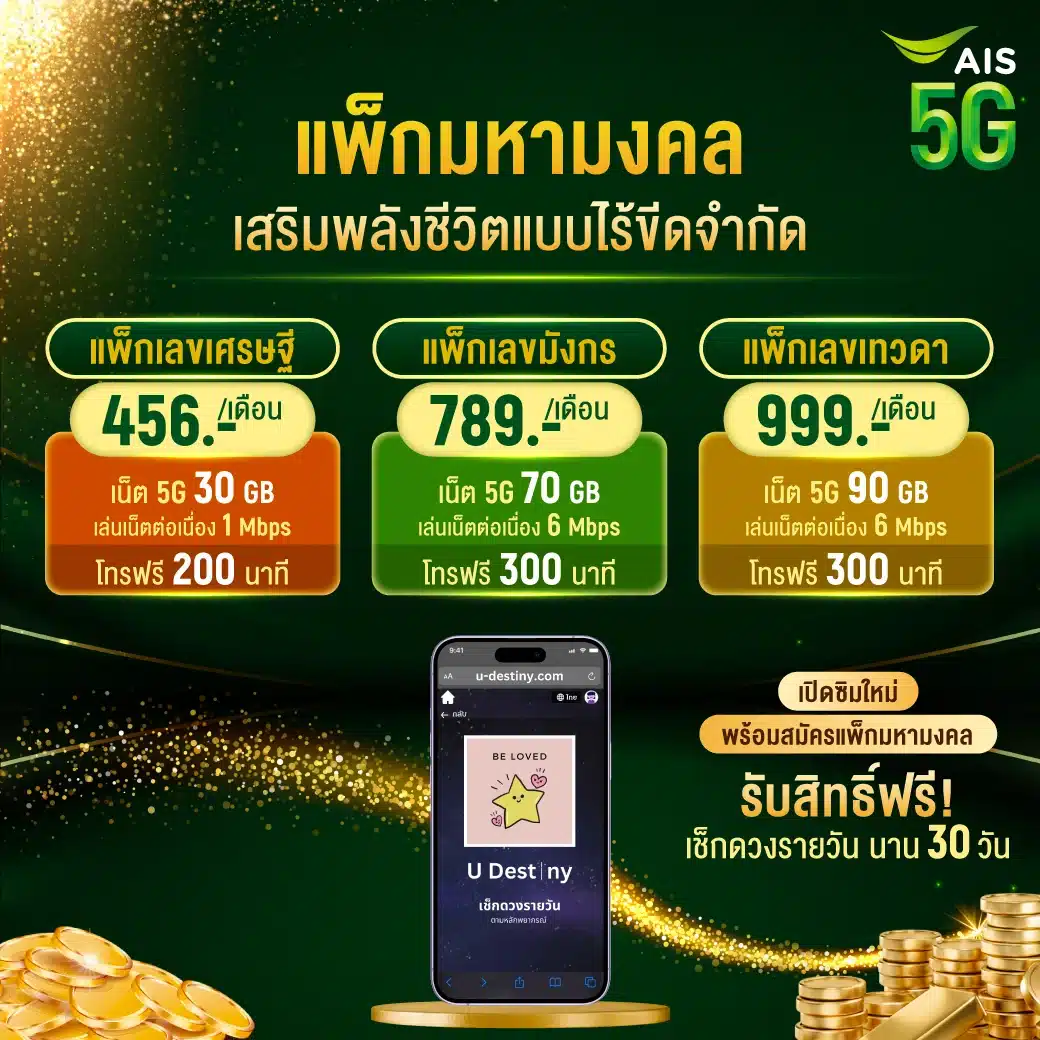
If there is one trend that truly sets Thailand apart in 2026, it is the continued rise of “Muketing” (Mutelu + Marketing). It’s something that has become a measurable part of Thailand’s faith economy (ResearchGate).
Thai culture places strong value on luck, auspicious timing, numerology, and spiritual symbolism. In the digital age, these beliefs have evolved into Muketing, where brands integrate lucky colours, numbers, astrology, and spiritual cues into campaigns to enhance consumer confidence and purchase intention.
Research by the Hakuhodo Institute of Life and Living ASEAN shows that Muketing has expanded beyond traditional sectors, permeating modern lifestyle brands (Hill ASEAN).
Thai consumers often seek emotional reassurance when making purchasing decisions. A product marketed with the right auspicious energy is perceived as a symbol of positive momentum or good fortune.
Brands have launched personalised lucky wallpapers for smartphones, timed promotions based on astrology, and even auspicious delivery slots or lucky-number discounts on e-commerce platforms. Major telecom operators such as AIS 5G offer SIM cards featuring wealth-associated phone numbers, reinforcing how mainstream this practice has become.
To succeed here, you don’t need to be superstitious, but you must understand that these beliefs, when integrated thoughtfully and authentically, can strengthen emotional connection and cultural relevance.
Tip #2: Master the “Shop-tainment” ecosystem
Don’t just sell. Entertain. Ride the wave of live commerce and TikTok Shop.
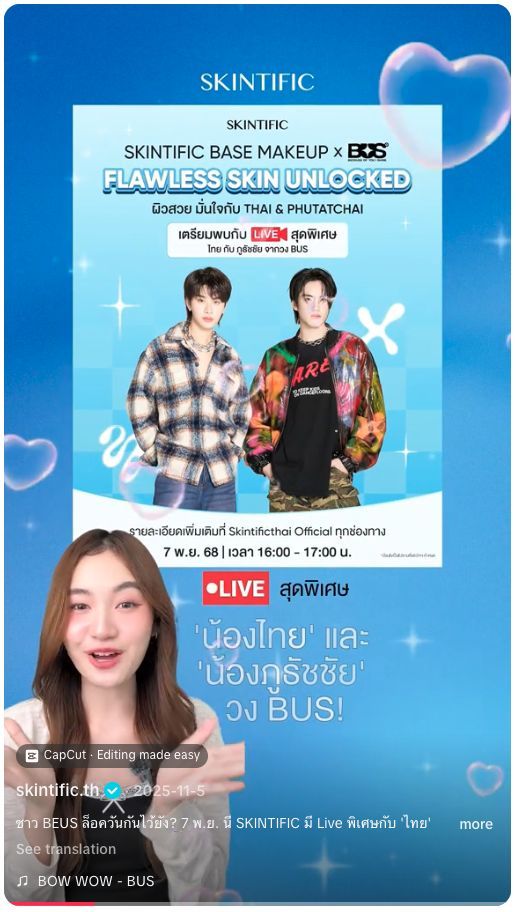
By 2026, shopping in Thailand will be a form of entertainment. The country remains a global leader in social commerce, with TikTok, Facebook, and Shopee acting as discovery, engagement, and purchase platforms all at once (Meltwater).
This is the era of “Shop-tainment,” where live selling has become a mainstream habit, and consumers enjoy watching merchants showcase products in real-time, crack jokes, and offer limited-time flash deals. It is fast, interactive, and addictive.
How to approach it:
- Go live: You need a presence on TikTok Live or Shopee Live. The production doesn’t always need to be polished, but it must be authentic and high-energy.
- Conversational commerce: Thai consumers prefer to chat before they buy. Your LINE Official account should support real-time conversations, supported by AI chatbots but backed by human staff.
- Integration: The journey from seeing to buying must be instant. On platforms like TikTok, the checkout happens within the app. Friction is the enemy.
Tip #3: Adopt a “search everywhere” strategy
Thai consumers are no longer searching only on Google.
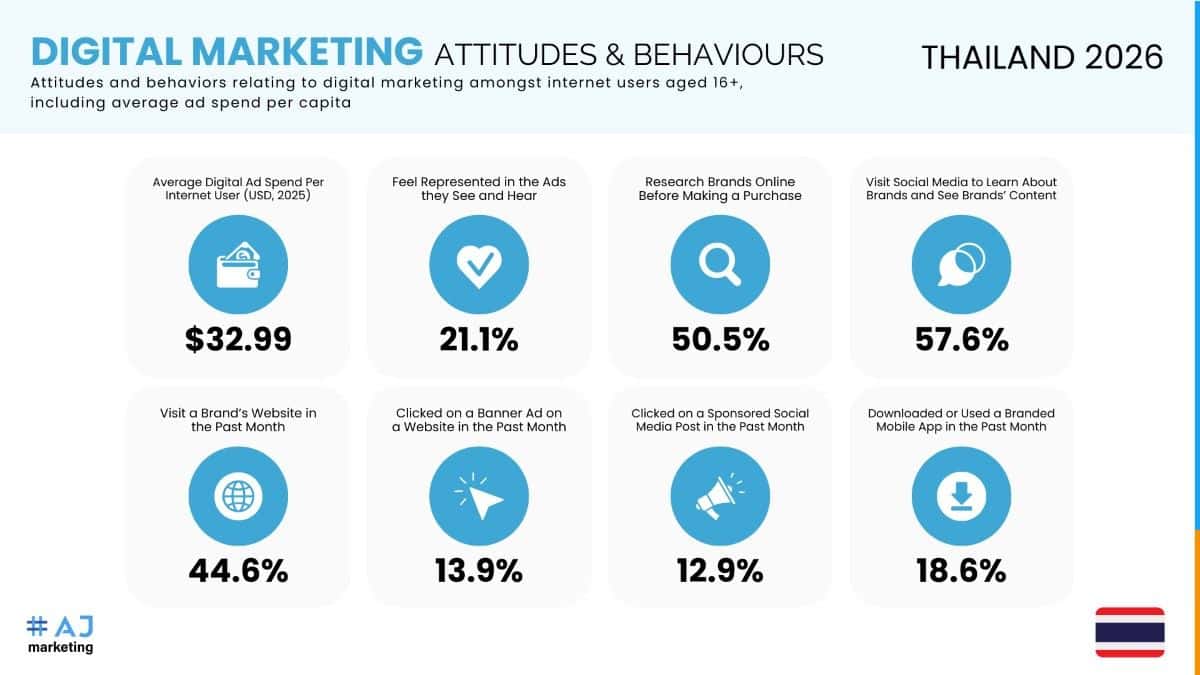
Traditional SEO remains important, but search behaviour in Thailand has fragmented. In 2026, A Gen Z shopper looking for a new skincare brand is more likely to start searching on TikTok or Instagram, rather than a search engine (DataReportal).
They search for short-form video reviews, before-and-after demonstrations, and peer opinions. Social platforms are now functioning as visual search engines. If your brand does not appear there, it effectively disappears for a significant segment of the market.
What this means in practice:
- Social SEO: Optimise captions, hashtags, and video descriptions using keywords that Thai users actually search for.
- User-generated content: Encourage authentic customer reviews. When users search your brand name on TikTok, they should find real experiences, not corporate posts.
Tip #4: Blend AI with human storytelling
Use AI for efficiency, but keep the “Sanuk” (fun) and human connection.
AI continues to be a hot topic in 2026, and it has transformed from a novelty into a core operational tool in Thai marketing, supporting content creation, audience analysis, and personalisation at scale. Brands are using Generative AI to draft scripts, test creatives, and analyse competitor performance.
However, Thai audiences are highly perceptive. Soulless AI-generated caption can be spotted from a mile away. Thais respond to Sanuk (fun), humour, and emotional nuances that AI still struggles to replicate perfectly.
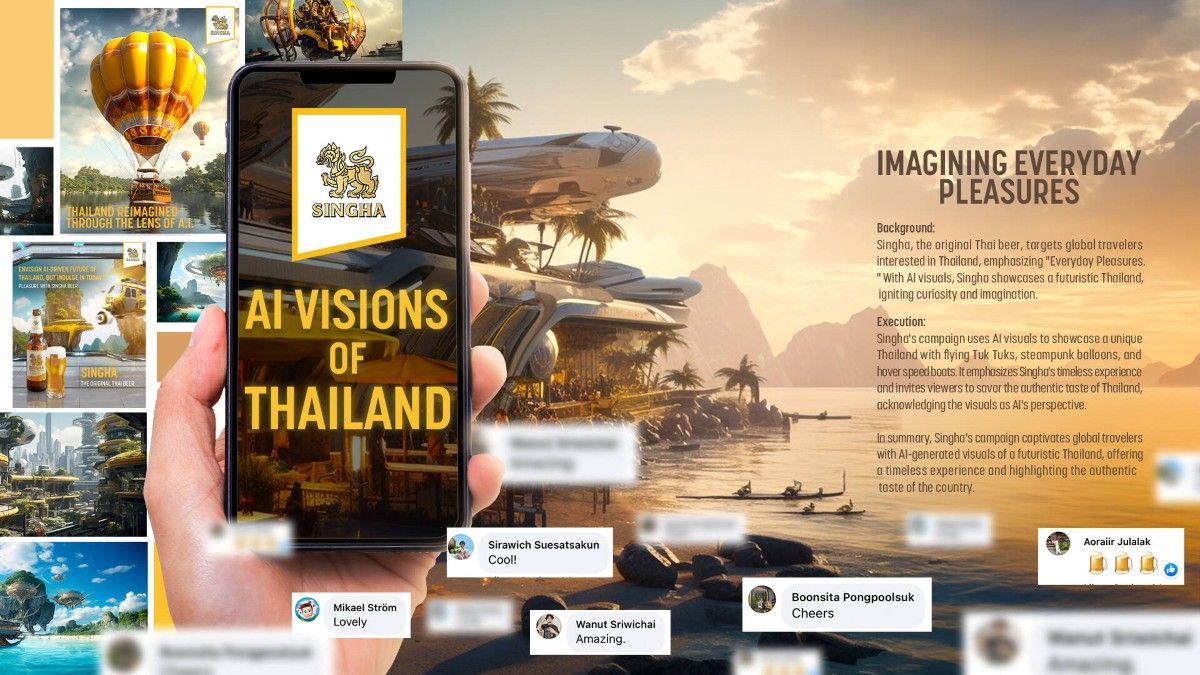
A strong example is Singha Beer’s AI Visions of Thailand campaign, which utilised AI to generate futuristic, dreamlike visuals of Thailand, flying Tuk-Tuks and steampunk boats, but the core message was about the timeless pleasure of the Thai experience (Ads of the World).
The tech was the tool, but the feeling was distinctly Thai.
A key takeaway here is that you can use AI to generate ideas, visuals, and variations, but let a human expert refine the tone to ensure it hits that culturally specific funny bone or emotional chord.
Tip #5: Collaborate with the “fandom”
Idol culture drives loyalty, engagement, and sales.
@sunsilkthailand น้อง BUS ขายเก่งขนาดนี้ BEUS มี Sunsilk Diamond Shine กันรึยังน้า❓ ถ้ายังไม่มีต้องลองเลย Sunsilk Diamond Shine เซรั่ม ไดมอนด์ ไชน์ ผสานพลังไกลคอลไชน์ แค่ลูบผมก็ไชน์ทันที 5 เท่า! ความไชน์มาเสิร์ฟแล้วในหนังโฆษณาของ SUNSILKxBUS รีบไปรับความไชน์กันได้เลยย🥰 #SunsilkThailand #SUNSILKxBUS #SUNSILKผมไชน์วิ้งวิ้งวิ้งวิ้งxBUS ♬ original sound – sunsilk thailand
Influencer marketing in Thailand is shaped by a deeply rooted idol and fandom culture. Fans follow and actively support celebrities. This has given rise to the fandom marketing phenomenon.
Global figures such as Lisa from BLACKPINK, along with local T-Pop groups, command exceptional loyalty. When brands collaborate with idols, fans view purchasing the product as a way to support their favourite star.
Sunsilk’s collaboration with BUS for its Diamond Shine series is a clear example. The BUS FANZONE event at centralwOrld required fans to purchase Sunsilk products (minimum 259 Thai baht) to enter a lucky draw for exclusive passes. This directly tied fandom love to sales volume.
The 2026 shift: While mega-stars remain powerful, micro-influencers and key opinion consumers are increasingly trusted for their perceived authenticity. In fact, Thailand has one of the highest rates of influencer reliance in Southeast Asia, with 92% of consumers stating they trust influencer recommendations (Impact.com).
Tip #6: Prioritise trust and privacy
Compliance builds trust, but transparency sustains it.

With the Personal Data Protection Act (PDPA) now fully enforced, data privacy is a legal requirement and a trust signal. Thai consumers are increasingly cautious, informed, and selective about where they share personal information (Internet Society Pulse).
But beyond compliance, trust is your most valuable currency in 2026.
How to build trust:
- Transparency: Be clear about how you use their data.
- Social proof: As mentioned in Tip #3, reviews are everything.
- First-party data: With third-party cookies disappearing, you need to build your own direct channels (like LINE OA) to gather data consensually and offer genuine value in return.
Tip #7: Find yourself a local partner
Local expertise reduces risk and accelerates growth.
Thailand is a market of paradoxes: deeply traditional yet digitally advanced, globally influenced yet proudly local. The nuances of Mutelu, the fast-paced shifts of TikTok trends, and the legalities of PDPA can be challenging without local insight.
Why do you need a guide?
- Localisation: A “direct translation” of your global campaign will likely fail here. You need “trans-creation”: adapting your message to fit the Thai heart and soul.
- Speed: Trends can peak and fade within days. A local agency can help you react instantly.
- Connections: Knowing which influencers are credible, emerging, or risky is critical.
AJ Marketing plays a key role in this context, helping brands adapt, localise, and execute campaigns that align with Thai consumer behaviour, translating brands into messages Thai audiences understand and trust.
Ready to make waves in the Land of Smiles? Visit the AJ Marketing blog for more insights, or get in touch to start building your 2026 strategy. Let’s make your brand the talk of the town!
Also: Top 11 influencer marketing agencies in Thailand (2026)
Sponsored
Latest Thailand News

























Follow The Thaiger on Google News: