Warning issued after toxic fire jellyfish detected in Phuket waters

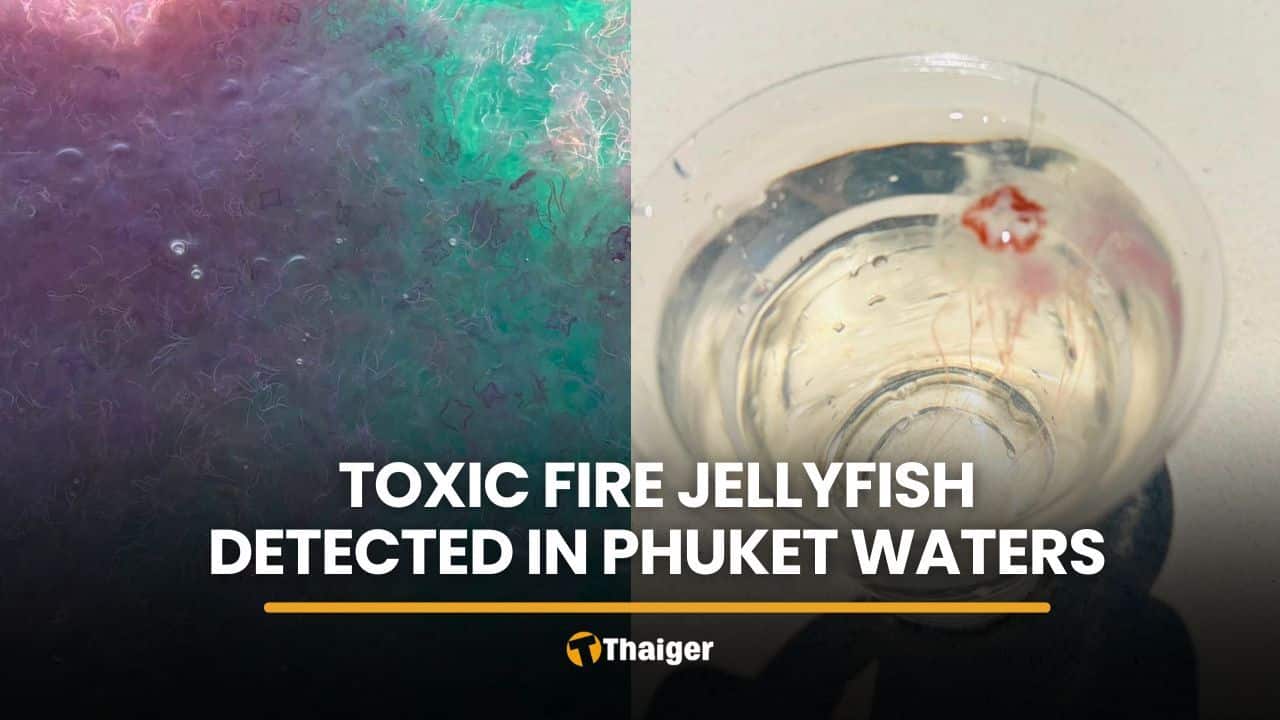
Deputy Prime Minister and Natural Resources and Environment Minister Suchart Chomklin warned the public yesterday, March 30, after poisonous fire jellyfish were found in high density around Koh Aeo, Phuket.
Suchart said the Department of Marine and Coastal Resources (DMCR) reported toxic jellyfish dispersed at a relatively high concentration of about 100 per square metre, floating near the surface at a depth of around 3 to 5 metres off Koh Aeo.

He urged residents, tourists and operators in the area, as well as those in the southern and eastern parts of Phuket, to take extra care during marine activities and to avoid direct contact with jellyfish.
DMCR director-general Pinsak Suraswadi said a survey by the Upper Andaman Marine and Coastal Resources Research Centre at 10am found fire jellyfish in the genus Pelagia, with an average bell size of about 2 to 3 centimetres.
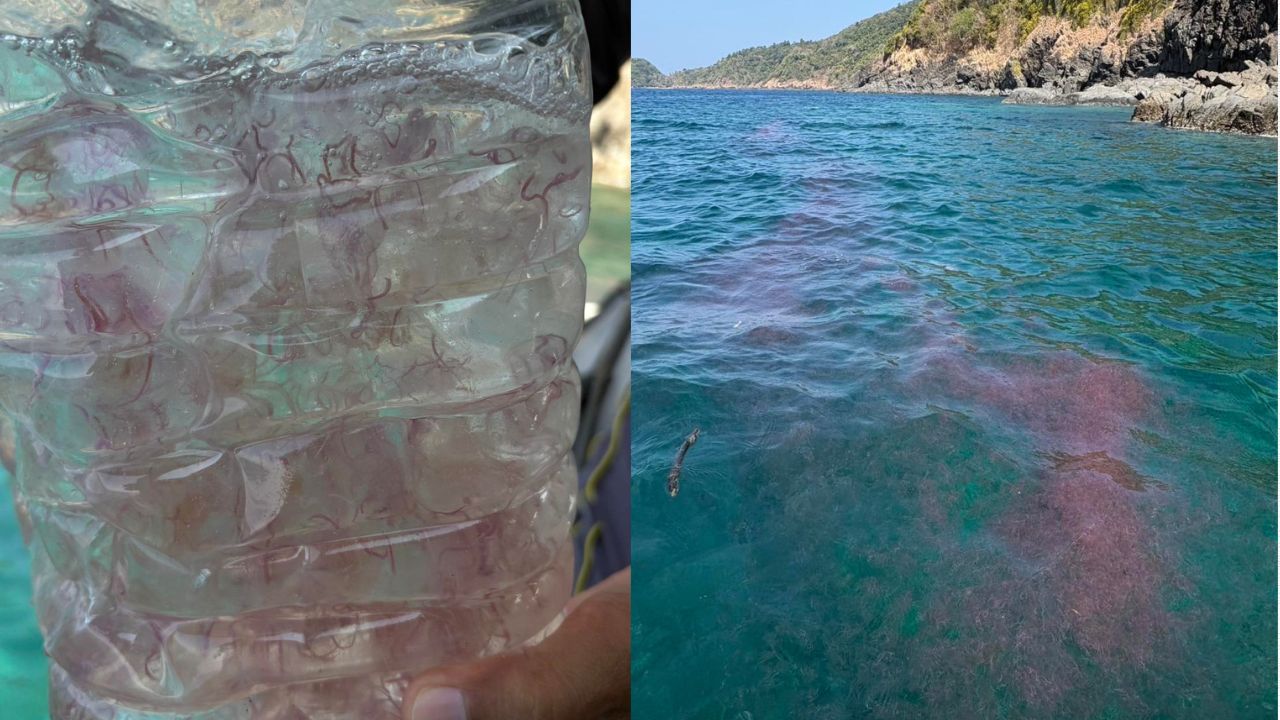
Pinsak said calm sea conditions at the time may have contributed to the jellyfish grouping together. Contact can cause stinging pain, burning pain, skin irritation or a red rash.
If stung, the department advised pouring vinegar continuously over the affected area for at least 30 seconds and seeking medical treatment as soon as possible.
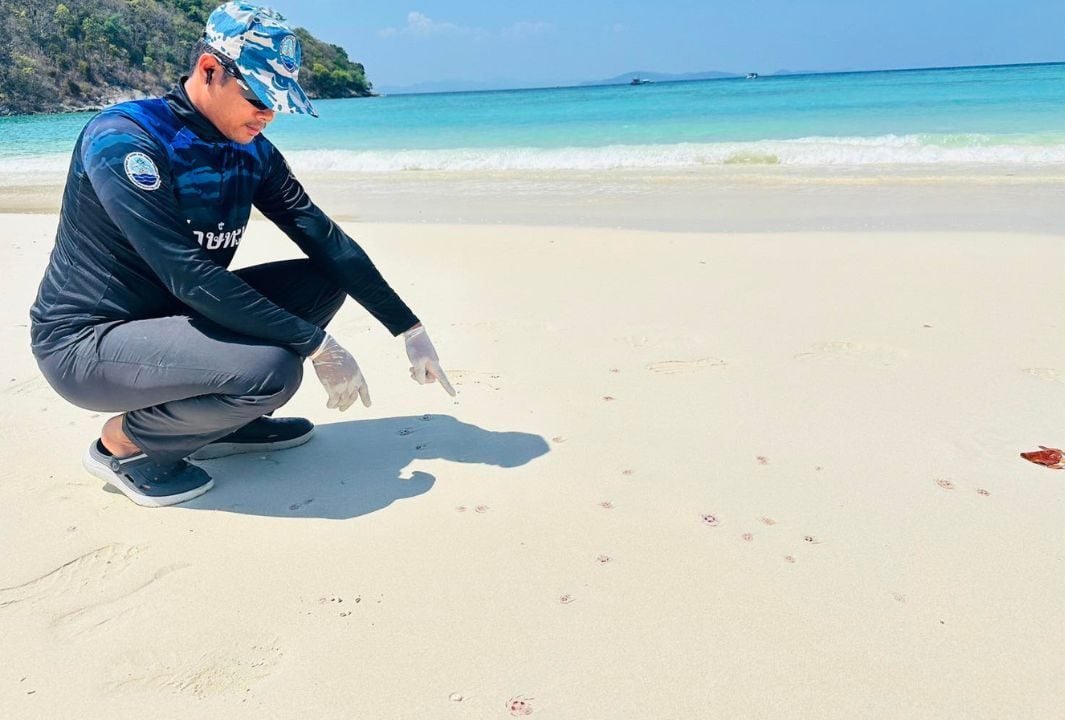
Elsewhere, a temporary closure was imposed at a swimming area in Similan Islands National Park, Phang Nga, after officials warned that blue button jellyfish have been found along the shoreline.


The park said that it detected the jellyfish, also known as Porpita Porpita, and commonly referred to as the Blue Button, in some coastal sections of the designated swimming zone. The Blue Button jellyfish is bright blue with a central, button-like disc and numerous tentacles. It often drifts with currents before washing ashore.
While the sting is not as severe as that of a box jellyfish, contact can still cause an immediate stinging or burning sensation. Reported effects include a red rash, swelling, itching, or the formation of clear blisters.
Latest Thailand News

























Follow The Thaiger on Google News: