Thailand launches first elephant birth control programme in Trat

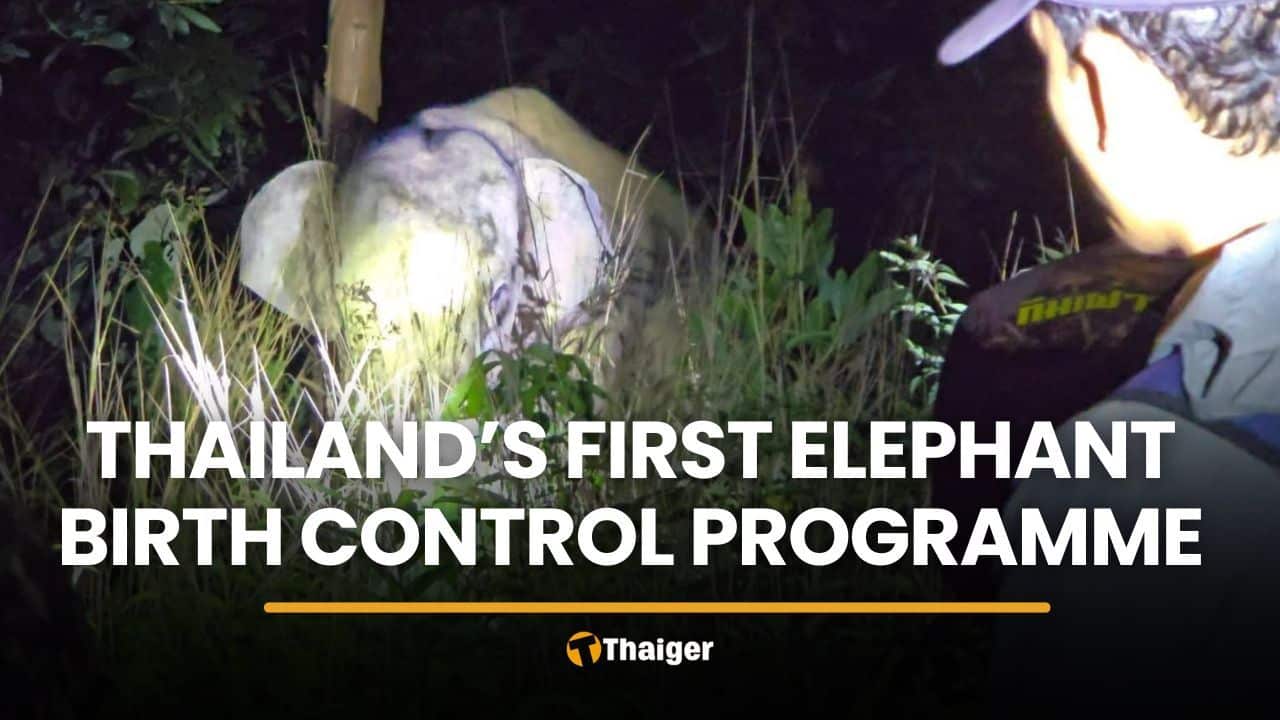
Thailand has carried out its first wild elephant birth control programme, with the Department of National Parks vaccinating three female elephants in Trat province on January 25 as part of efforts to manage rising elephant populations.
The historic operation took place in Bo Rai district, where veterinarians from the Wildlife Conservation Office, in collaboration with Chiang Mai University, carried out the vaccination in Khlong Kaeo Waterfall National Park. The elephants were part of a herd of 12.
According to Sukhee Boonsang, Director of the Wildlife Conservation Office, the project was developed in response to the rapidly growing number of wild elephants in Thailand’s eastern forests. The population has increased from 334 elephants in 2015 to 799 in 2025, with an annual growth rate of 8.2%.
The surge in numbers has led to increased elephant movements into human settlements, as forest areas are unable to supply sufficient food and water.
From 2012 to the present, elephant-related incidents have caused 141 deaths and 170 injuries, along with agricultural damage across more than 100 subdistricts in six provinces.
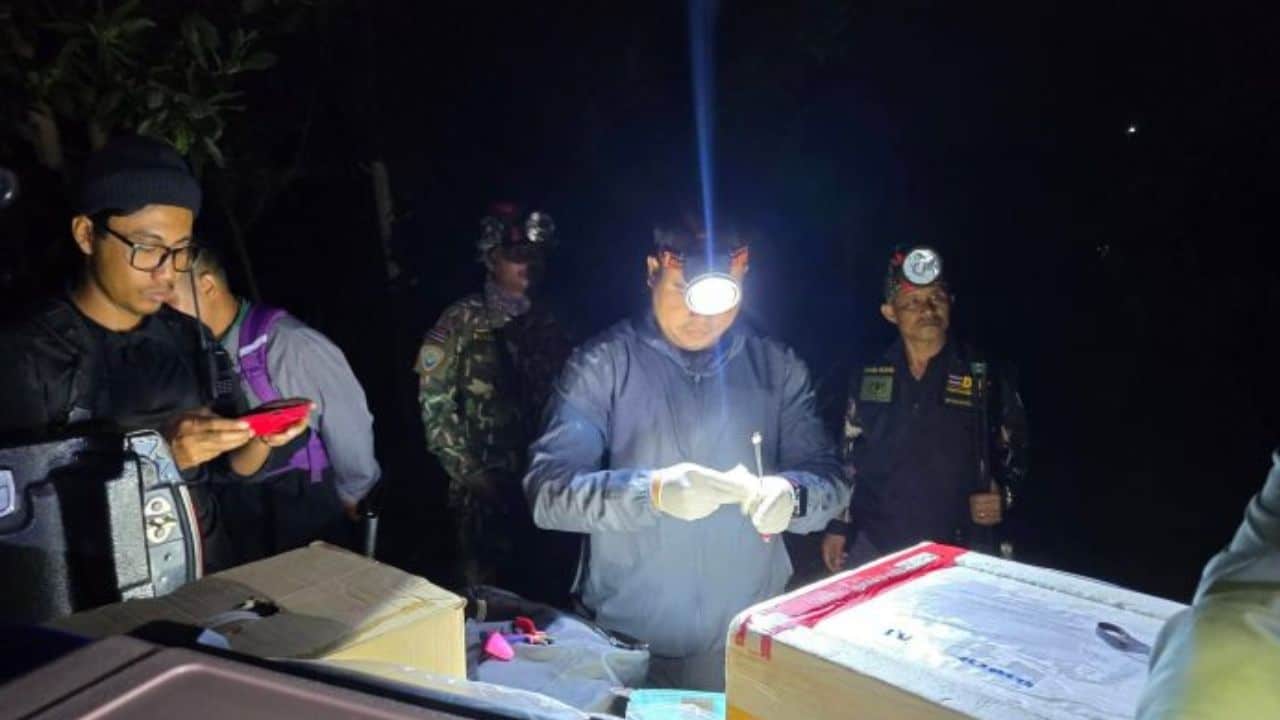
The contraceptive is a non-surgical vaccine for female elephants that stimulates the immune system to prevent fertilisation. A single dose is effective for up to seven years, after which fertility returns to normal unless re-administered.
The vaccine has already been tested on African elephants and seven domesticated elephants in Thailand, with results showing 100% safety. It does not affect pregnant or nursing elephants, nor does it disrupt feeding, rest, or social behaviours.


The recent mission was conducted between 9pm and 10pm using air-powered darts to administer the vaccine without anaesthesia, prioritising the safety of both animals and staff.
The team will continue to monitor the vaccinated elephants closely for 48 hours and will conduct blood and dung sampling every 6–8 months over 7 years to assess immune response.

Sukhee said effective elephant conservation depends on maintaining a sustainable balance, warning that unchecked population growth can lead to food shortages, dehydration, accidents, electrocutions, and rising conflict with humans.
He emphasised that safe contraception offers a humane way to improve elephant welfare while ensuring peaceful coexistence between people and wildlife, reported DNP News.
In similar news, Thai netizens condemned a foreign man for ignoring national park regulations and flying a drone near a herd of elephants in Khao Yai National Park, causing the animals to panic.
Latest Thailand News

























Follow The Thaiger on Google News: