Why Americans keep coming back to Bangkok’s chaos when they have plenty of their own

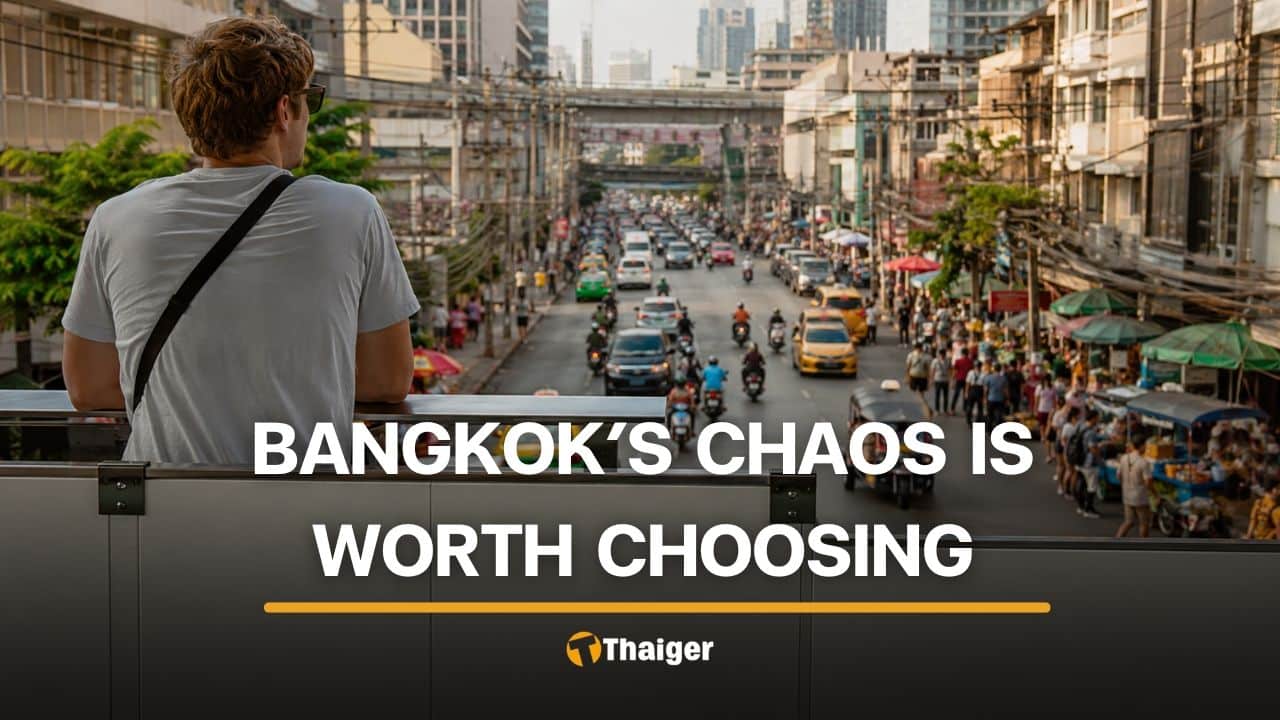
There is a particular kind of American who arrives in Bangkok expecting to be overwhelmed and leaves wondering why they ever thought home made more sense. The city is loud, dense, hot, and entirely indifferent to the orderly expectations most Westerners carry through the door. And yet, consistently, reliably, Americans fall for it. Not despite the chaos, but because of it.
New data from cultural intelligence platform Country Navigator shows Thailand ranking as the 10th most searched destination among Americans considering a move abroad, with 30,560 annual searches recorded between March 2025 and February 2026.
That puts it ahead of dozens of countries and in the company of New Zealand, Ireland and Switzerland, places with well-worn immigration pathways and, in most cases, cultural familiarity that makes the idea of relocating feel more straightforward. Thailand has neither of those advantages, which makes its position on the list all the more telling.
Something about Bangkok specifically keeps pulling Americans in. This article tries to explain what that something actually is.
The chaos Americans know versus the chaos Bangkok offers
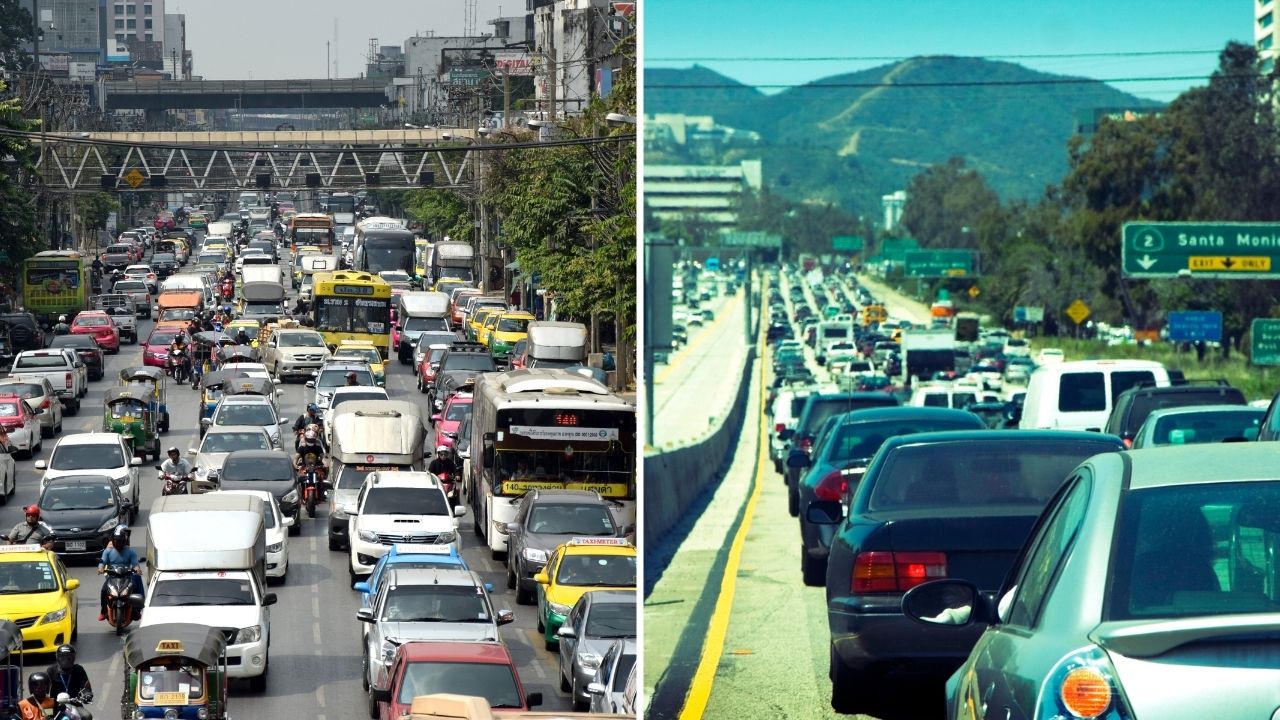
American cities are not known to be calm places. Los Angeles traffic, New York commutes, the cost of a drink in any major city on either coast, the friction of daily life in the US is real and well-documented. But it is a particular kind of friction: structured, expensive, and largely unavoidable.
The stress of the American city tends to compound quietly, building through long commutes, high rents, and the low-grade isolation that comes from living in places where people rarely interact outside of scheduled contexts.
Bangkok’s chaos operates differently. The streets are louder, the traffic more anarchic, and the sensory input more or less constant. But the social temperature sits at a different baseline. The friction that exists is softer, less pointed, and more easily absorbed by a city whose cultural default is patience rather than urgency.


Travel writer Nomadic Matt, who visited and has returned repeatedly since, put it plainly in his Bangkok travel guide.
“I hated it when I first arrived. But, when I moved to Bangkok in 2006, I fell madly in love with it.”
“Bangkok is a city to enjoy, not sightsee. The fun comes from the day-to-day living.”
It is a description that resonates with most Americans who have stayed long enough to get past the temples and traffic.
What Bangkok actually offers that American cities do not
Several things stand out consistently in American accounts of their move to Bangkok, and they tend to stack on top of each other in a way that is hard to replicate elsewhere.
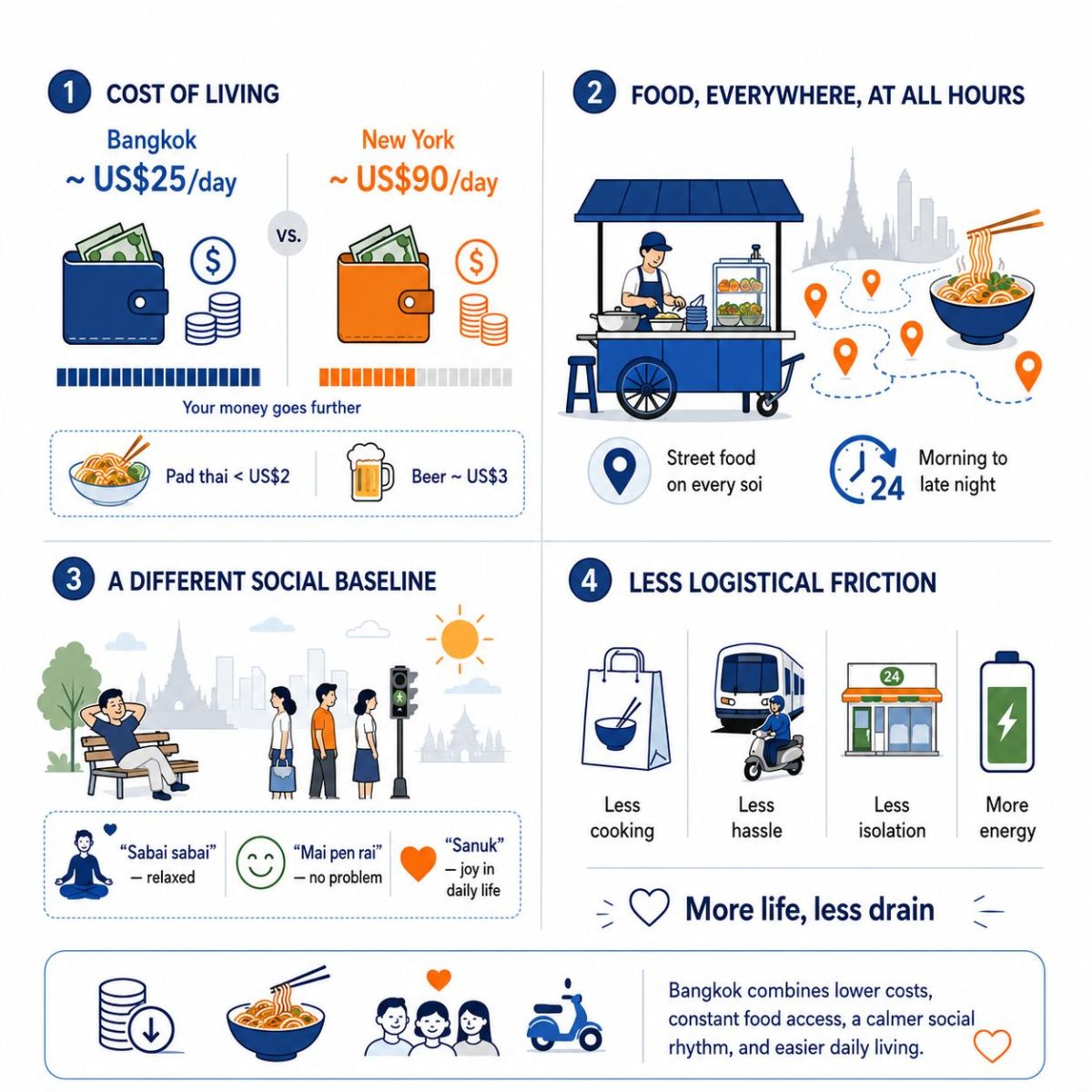
Cost of living: A backpacker budget runs around US$25 a day, versus roughly US$90 in New York, according to travel comparison site TripBase. A well-made pad thai costs under US$2, and a beer costs US$3. For Americans seriously thinking about relocating, these numbers represent a fundamental shift in what a salary can actually deliver day to day.
Food, everywhere, at all hours: Street vendors line practically every soi, operating from early morning through the small hours of the night. Bangkok’s markets can be described as vibrant and colourful energy with the sweet aroma of freshly cooked street food filling the air. This is an ambient social fabric that simply does not exist in cities where commerce is confined behind storefronts and closing times.
A different social baseline: The Thai cultural concept of sabai sabai, a relaxed, at-ease contentment, sets a different tone for how people move through public space. Bangkok locals waiting in long queues or stuck in traffic maintain a patience and good humour that can seem almost implausible to someone used to rush-hour aggression.
One saying you might hear often, Mai pen rai, meaning roughly “never mind” or “no problem,” functions as a constant social lubricant, a cultural permission slip to let small frustrations dissolve rather than escalate.
Further, there is sanuk, the Thai concept of finding joy in everyday activity, which means that even routine interactions often carry a lightness that many Americans find unexpectedly restorative.
Less logistical friction: The result, for many visitors, is the paradox noted by American expats who work more hours in Bangkok than they ever did at home and yet feel less drained. The daily grind of cooking, commuting, finding food, and navigating social isolation is dramatically reduced by a city whose informal economy exists to absorb those tasks cheaply and reliably.
Bangkok is not without its difficulties
It would be dishonest to present Bangkok as a frictionless experience, and the data reflects this. While Thailand ranks 10th for American search interest, Country Navigator’s full analysis places it 22nd overall when migration levels, political stability, and cultural alignment are factored in. That gap is real.
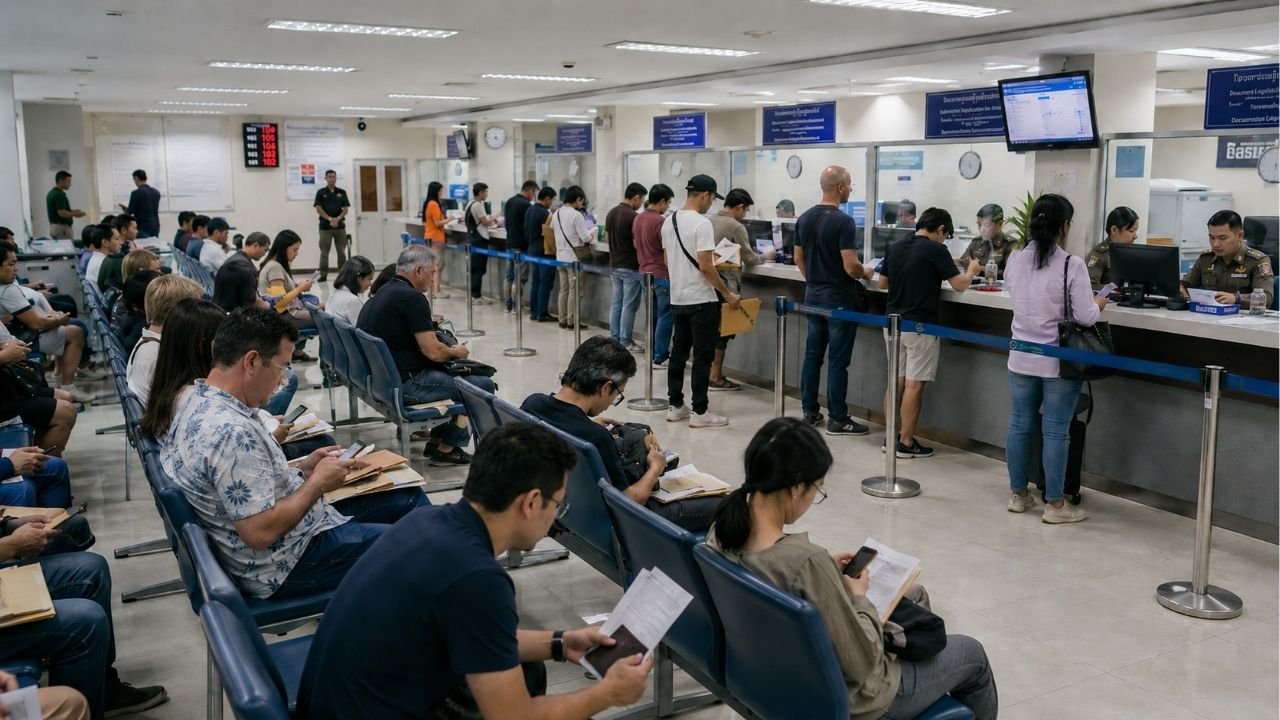
English is not widely spoken outside tourist areas and expat-heavy neighbourhoods, and the Thai bureaucracy, while improving, can be opaque and slow. The heat is punishing for much of the year. Air quality in the dry season is a genuine health concern in some parts of the country.
There is also the informal warmth of Thai social culture that can coexist with a formality and indirectness in professional settings that takes time to read correctly.
Chris Crosby, Co-Founder at Country Navigator, addresses this directly as he said…
“The biggest challenges tend to emerge after the point of arrival. How people communicate, how decisions are made, and how relationships are built can vary significantly between countries. In unfamiliar environments, these differences can slow integration, create misunderstandings, and make it harder to settle into a new role.”
For Americans moving to Bangkok specifically, the cultural distance is real even when the city feels familiar on the surface. Succeeding long-term tends to require a genuine willingness to adapt, not just to observe.
Why do Americans keep moving to Bangkok anyway
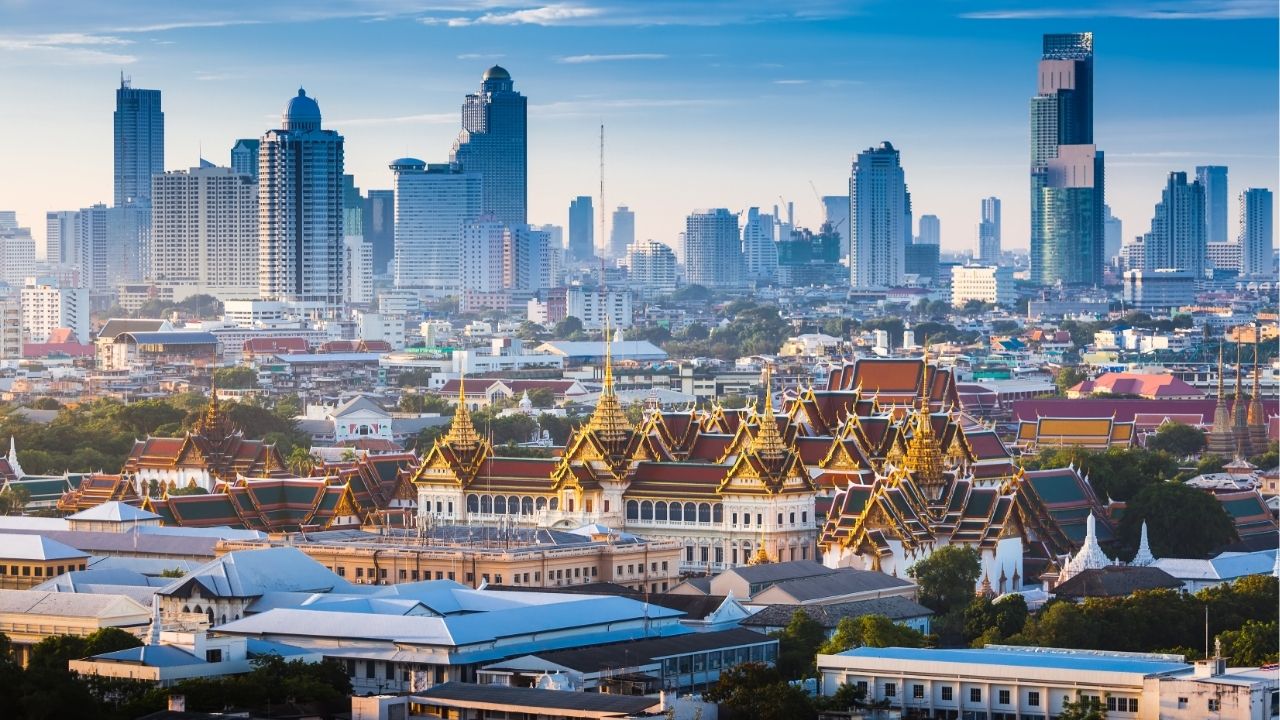
None of those difficulties has slowed the interest. The appeal of Bangkok is not built on the absence of problems; it is built on a particular quality of daily life that is hard to replicate elsewhere. A city where you can eat extraordinarily well for almost nothing, walk home at midnight through lit and lively streets, find yourself in a conversation with a stranger because the street vendor between you made it inevitable, and wake up the next morning to a neighbourhood that looks slightly different from the one you went to sleep in.
For Americans moving to Bangkok, the Long-Term Resident visa, offering an initial five-year stay, renewable for a further five years, for qualifying professionals, retirees and remote workers, has made the practical side of the commitment considerably more manageable than it was five years ago. The expat community across Bangkok, Chiang Mai and the southern coast is large, established and generally willing to share what it knows.
Around 30,000 Americans search for a move to Thailand every year. Most will not follow through. But the ones who do tend not to come back, wondering if it was worth it.
Finding a place to live in Bangkok
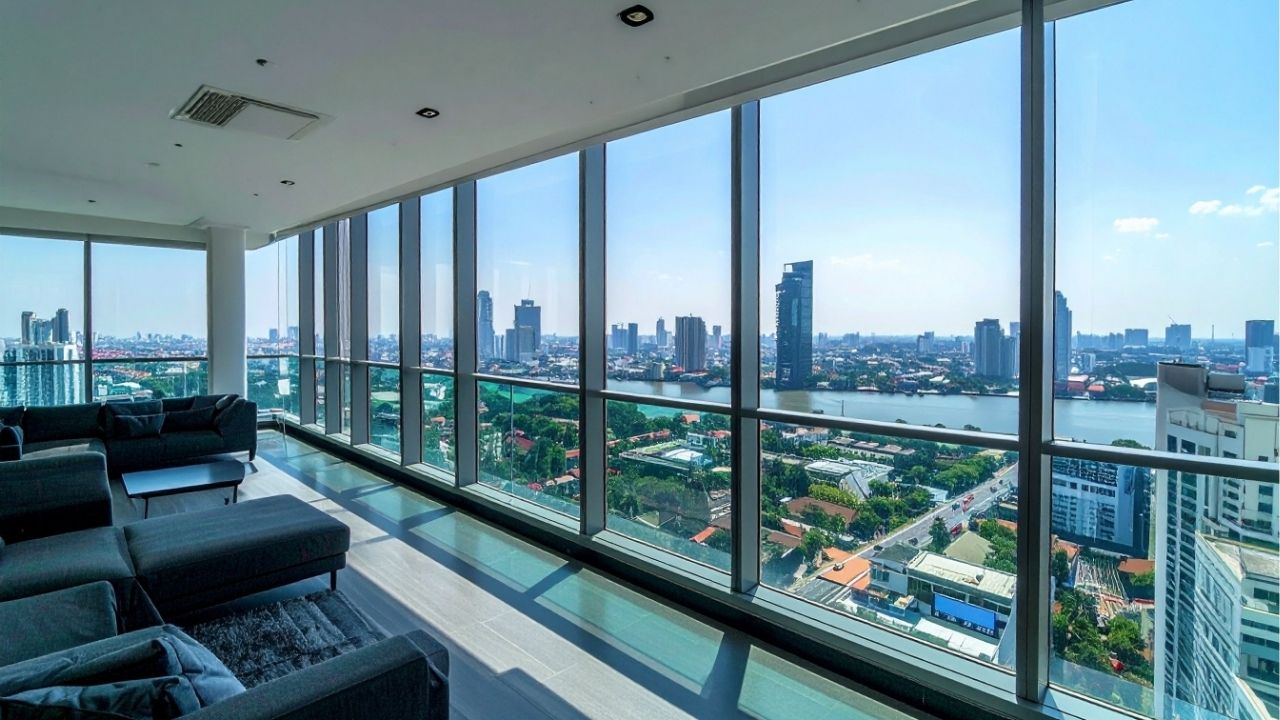
For Americans seriously considering the move to Bangkok, the property search is one of the first concrete steps. FazWaz is one of Thailand’s leading property platforms and a trusted starting point for expats looking for condos and houses across Bangkok, Chiang Mai, Phuket, and beyond. The platform lists verified properties with direct agent contact, making it practical for anyone researching options from abroad before they arrive.
Sources:
- Country Navigator — Global Talent Report
- Nomadic Matt — Bangkok travel tips
- TripBase — Bangkok vs New York comparison
- The Thaiger — Americans moving to Thailand relocation ranking
Latest Thailand News






















Follow The Thaiger on Google News: