Study trip or tourism? Thai govt spending on overseas trips tops 2.5bn baht

The Anti-Corruption Organisation of Thailand (ACT) says Thai government state agencies spent at least 2.5 billion baht on overseas study trips over the past 10 years, money it says could have funded more than 100 million school lunches.
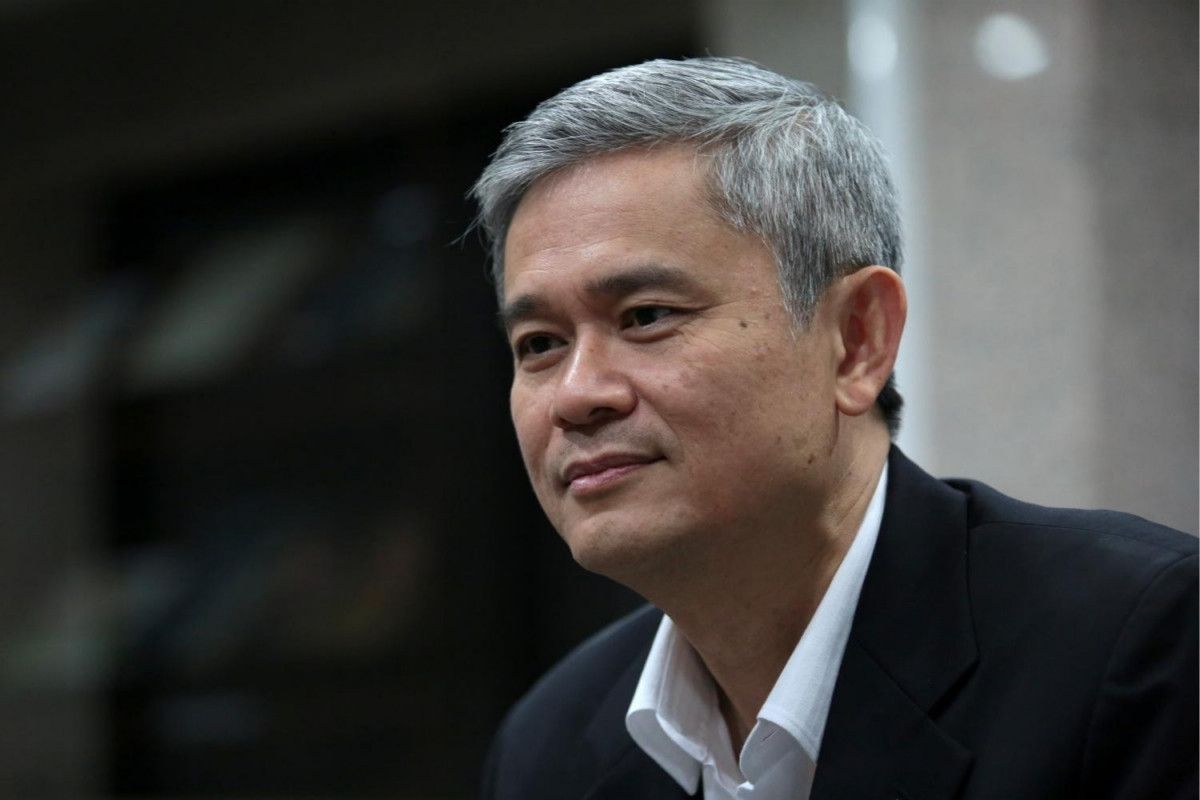
Secretary-General of ACT, Mana Nimitmongkol, raised the issue in a Facebook post titled Stop overseas study trips disguised as tourism. He said a search of the ACT Ai system using the phrase “overseas study trips” found that between 2016 and 2025, public bodies organised at least 928 such projects, at a total cost of no less than 2.5 billion baht, or about 250 million baht a year on average.
Mana said the spending involved a wide range of public institutions, including Parliament, the courts, constitutionally independent bodies, government agencies, the military, police and local administrative organisations.
However, it’s worth noting that Thailand’s Cabinet has already moved to suspend overseas study trips by state agencies following a March 10 resolution aimed at easing pressure on public finances amid rising energy prices, according to The Nation. Agencies and state enterprises were told to halt such trips and hold training or study programmes in Thailand where possible.
The suspension allows some exceptions, including trips tied to signed contracts where cancellation would cause losses, as well as important international meetings and other officially required travel. Only essential overseas meetings were expected to go ahead.
Money that could have kept children fed
He compared the annual 250 million baht to the school lunch budget for kindergarten and primary school pupils under the Office of the Basic Education Commission (Obec).


Based on an average lunch allocation of 22 to 27 baht per child per meal, he said 250 million baht could instead fund around 10 million school meals, enough to support roughly 50,000 students for an entire academic year. Over a decade, he said, that would amount to more than 100 million meals.
He added that the true number of projects may be higher as agencies often use different titles for similar programmes. He listed terms such as study visits, off-site training and study tours, capacity-building, participation in international conferences and exchange programmes, which he said make it harder for the system to capture every case.
Mana said one delegation had previously spent as much as 20.8 million baht on a single overseas trip. He said the most popular destinations were in Europe, including France, Germany, Italy and Austria, followed by Japan and South Korea. He said the trips appeared to pause only during the Covid-19 pandemic from 2020 to 2022 before resuming.
Public scrutiny over official overseas travel has already had visible effects. Bangkok Post reported on March 22 that a planned European study tour for 26 Supreme Court judges was cancelled after criticism over the cost and necessity of the trip, adding to pressure on the Thai government to justify official travel spending.
Four main concerns
Mana also outlined broader concerns about how the trips are organised. First, he said public criticism was not simply about officials travelling abroad, but about the questionable content of many programmes, arguing that itineraries often focused heavily on studying the geography, economy, society, and arts and culture of tourist cities, which could be seen as leisure activities.
Second, he said criticism of overseas study trips had existed for years, raising questions about how the Thai government could prevent similar controversies in future and who should be held responsible.
Third, Mana said learning from international experience was important, but programmes that concealed tourism amounted to corruption because they used public money and public time for personal benefit. He said this violated ethical standards requiring officials to place the national interest above their own.
Fourth, he said there were more cost-effective alternatives, including inviting foreign experts to Thailand to share knowledge, holding online meetings, building long-term institutional partnerships, or sending only a small number of directly relevant personnel overseas and requiring them to pass on what they had learned in full.
Mana added that the school lunch comparison used a midpoint of 25 baht per meal. On that basis, he said 250 million baht could provide 10 million meals and, with students typically attending school for about 200 days a year, the same budget could support around 50,000 children for one academic year.
Latest Thailand News
























Follow The Thaiger on Google News: