Longman’s beaked whale found in Thailand for first time

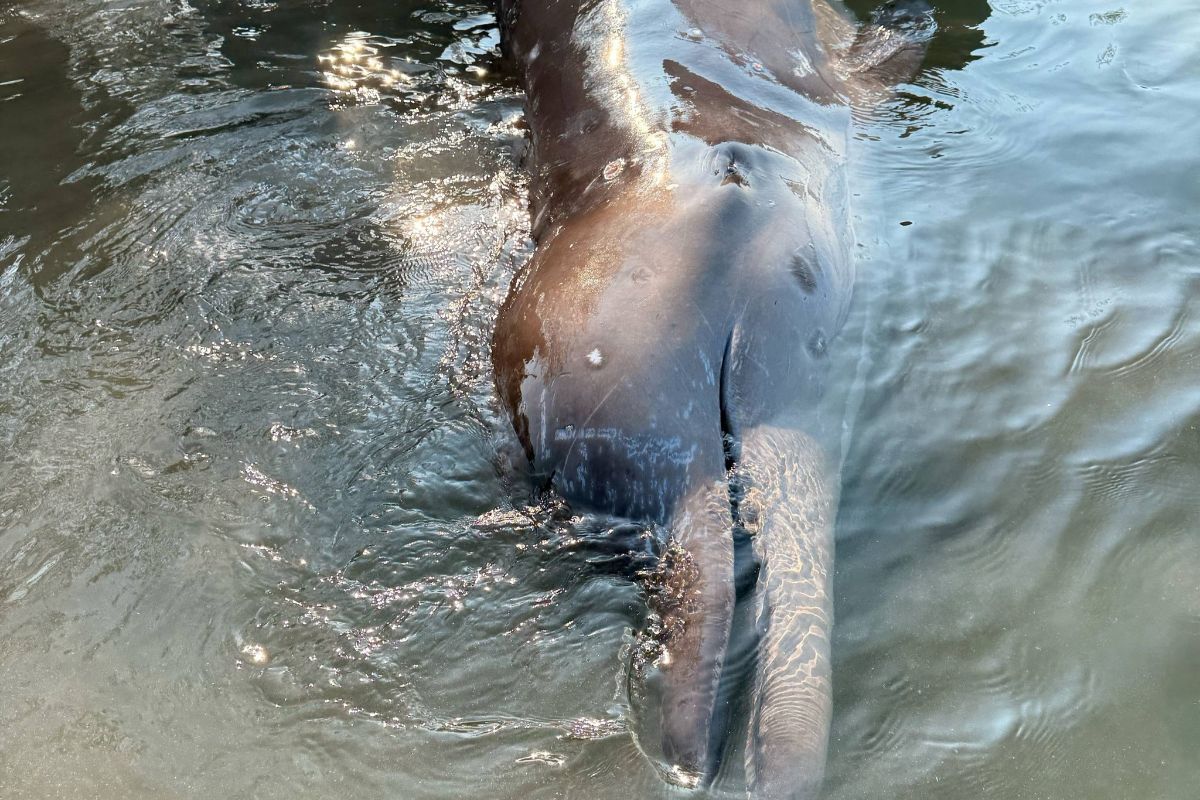
A rare deep-sea whale has been confirmed in Thai waters for the first time after a carcass washed ashore in Chanthaburi yesterday, January 13, prompting marine experts to investigate its exact species and cause of death.
The whale was later identified as a Longman’s beaked whale, also known as Indopacetus pacificus, one of the least commonly observed cetaceans in the world. The confirmation was announced by Kongkiat Kittiwatanawong, a marine specialist from the Department of Marine and Coastal Resources (DMCR).
Despite the animal not surviving, Kongkiat still described the discovery as a positive sign for marine conservation.
Kongkiat explained that the species belongs to the beaked whale family, known scientifically as Ziphiidae. The whale is also referred to as the tropical bottlenose whale and is typically associated with deep offshore waters, which makes sightings extremely uncommon.
Initial examinations revealed the whale was male and measured approximately five metres in length. Its physical characteristics included a slender body, a gently curved dorsal fin and distinctive scars believed to be caused by sharks.
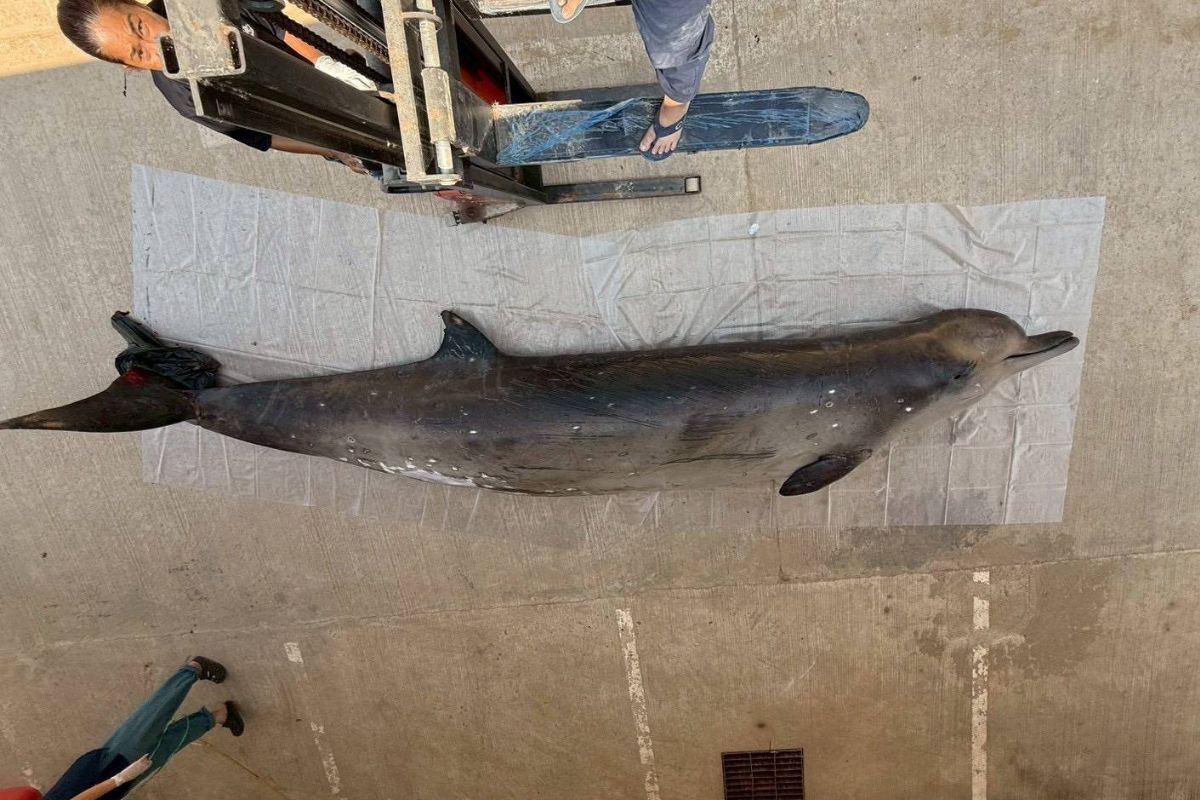
Bangkok Post reported that veterinarians from the DMCR have begun a necropsy to establish the cause of death.
According to ThaiWhales, a Facebook page that documents whale sightings and marine mammal data across Thailand, the discovery has increased the number of whale species recorded in Thai waters to 29.


Longman’s beaked whales are regarded as among the rarest cetaceans globally. Adult ones can reach between four and nine metres in length. Male whales are identifiable by a pair of oval‑shaped teeth located at the tip of the lower jaw.
The species is believed to live in groups ranging from 10 to 100 individuals and primarily feeds on squid. Its known range spans tropical and subtropical regions throughout the Indo‑Pacific.
In similar news, the tranquil shores of Bang Saen Beach in Chon Buri’s Saensuk district experienced a buzz of excitement when three Bryde’s whales, including a mother and her two calves, were spotted near Wonnapha Beach.
Latest Thailand News

























Follow The Thaiger on Google News: