Public opinion regarding casino legalisation across Thailand

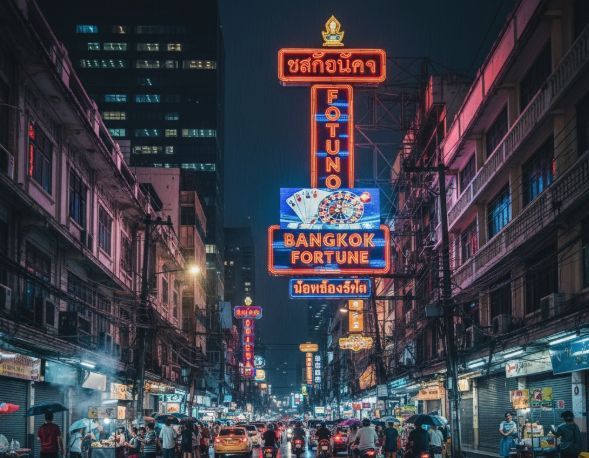
Thailand prohibits most games for real money under the 1935 Gambling Act B.E. 2478. In 2025 the government proposed a new law called the Entertainment Complex Bill to allow casinos inside regulated entertainment complexes. That idea stirred a big debate across the country.
In Norway and other Scandinavian countries, gambling is legal and generates revenue for the state. Other countries are moving toward this trend too. Our colleagues at Gamblizard Norway helped conduct the research. During the discussion, we found that among Thais, there is both a typically European opposition to gambling and local religious reasons. This article shows how people across Thailand feel about this proposal.
Why the Government Seeks Gambling Legalisation
The government says legal casinos in integrated resorts could be a good thing. They expect more tourists and foreign investment.
- Deputy Finance Minister Julapun Amornvivat has said that tourism revenue will grow up to 6.3 billion US dollars thanks to the new law.
- They expect around 15000 new jobs.
- Supporters believe multi‑purpose resorts combining hotels, malls, theme parks and casinos would draw visitors who otherwise travel abroad.
- According to the draft bill supporters, new complexes might raise foreign tourist arrivals by at least 5% percent.
The state prefers to capture income rather than lose it to underground sites. Illegal gambling already popular in all parts of Thailand despite the ban.
In our review, we agree that the grounds for legalisation have long been ripe. People will continue to play for real money one way or another. So the state deserves to get some tax money from this entertainment.

Legal Background
The 1935 Gambling Act came into force on 1 February 1935 under the name Gambling Act B.E. 2478. Under that law gambling is highly restricted. Only the official lottery and state‑run horse racing are legal. All other activities, including casinos or private games for real money, remain prohibited.
In late 2024 and early 2025 the government drafted the Entertainment Complex Bill. The bill was introduced by Julapun Amornvivat, Deputy Minister of Finance and member of the ruling party. The idea was to allow large integrated resorts – including hotels, shopping centres, theme parks, entertainment zones – where casinos would be part of the complex.

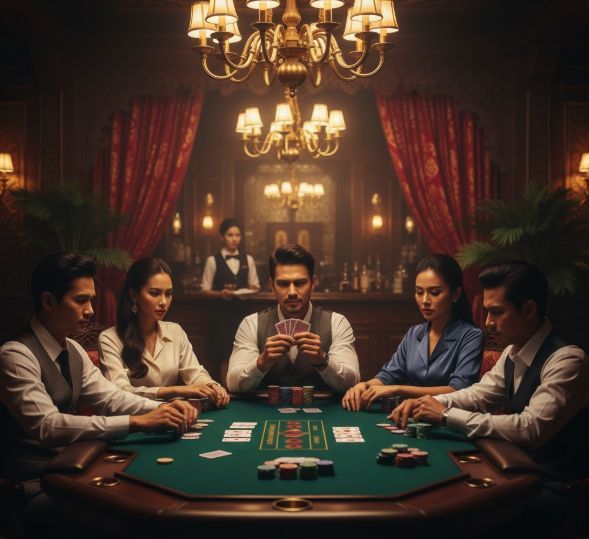
The draft proposed tight safeguards. Gambling floor space would be limited to about 10 per cent of the complex area. Access rules for Thai citizens would include a 5,000 baht entry fee and strict conditions for entry for locals. But for foreigners there will be fewer restrictions. The draft was approved in January 2025. Then the bill moved toward parliamentary and public review.
Public Opinion Across Thailand
What do Thai people think of this plan? A nationwide poll conducted by National Institute of Development Administration (NIDA) between 16 and 18 June 2025 asked 1,310 adults across the country. 56.72 percent of respondents rejected the plan. They say NO to entertainment complexes with casinos. Only 24.14% supported both casinos and complexes. Another 8.78% supported the complexes only. 9.01% had no comment.
When asked whether there should be a national referendum on casino legalisation, 61.60% answered yes.
Another survey released in January 2025 found 59% of respondents opposed casinos and complexes. For online gambling legalisation 69% opposed it. Only about 29% supported casinos and complexes together.
So the majority of the population stands against the change. Support remains around a quarter of respondents. Opposition appears across regions, ages and income groups. Some younger or urban residents show slightly more openness. We can see that even when people recognise potential economic gains, many remain unconvinced.
Reasons Behind Public Opposition
Thai citizens worry about social risks if casinos become legal. They fear gambling addiction and potential poverty. People are not sure the government can maintain fair rules and avoid money‑laundering. Most citizens believe the promised goods are only for investors, not ordinary families.
Cultural and religious beliefs make the impact too. Most Thais practice Theravāda Buddhism. In Buddhist teaching gambling is listed among “portals of ruin” (in Thai abaiyamuk). That’s why people see gambling as morally harmful.
Here are common reasons people oppose legalisation:
- Fear of crime, money‑laundering
- Distrust in government ability to regulate casinos
- Concern that economic benefits will flow mainly to investors, not to local people
- Worry that legalisation will widen inequality and target vulnerable groups
Current Status of the Legalisation Effort
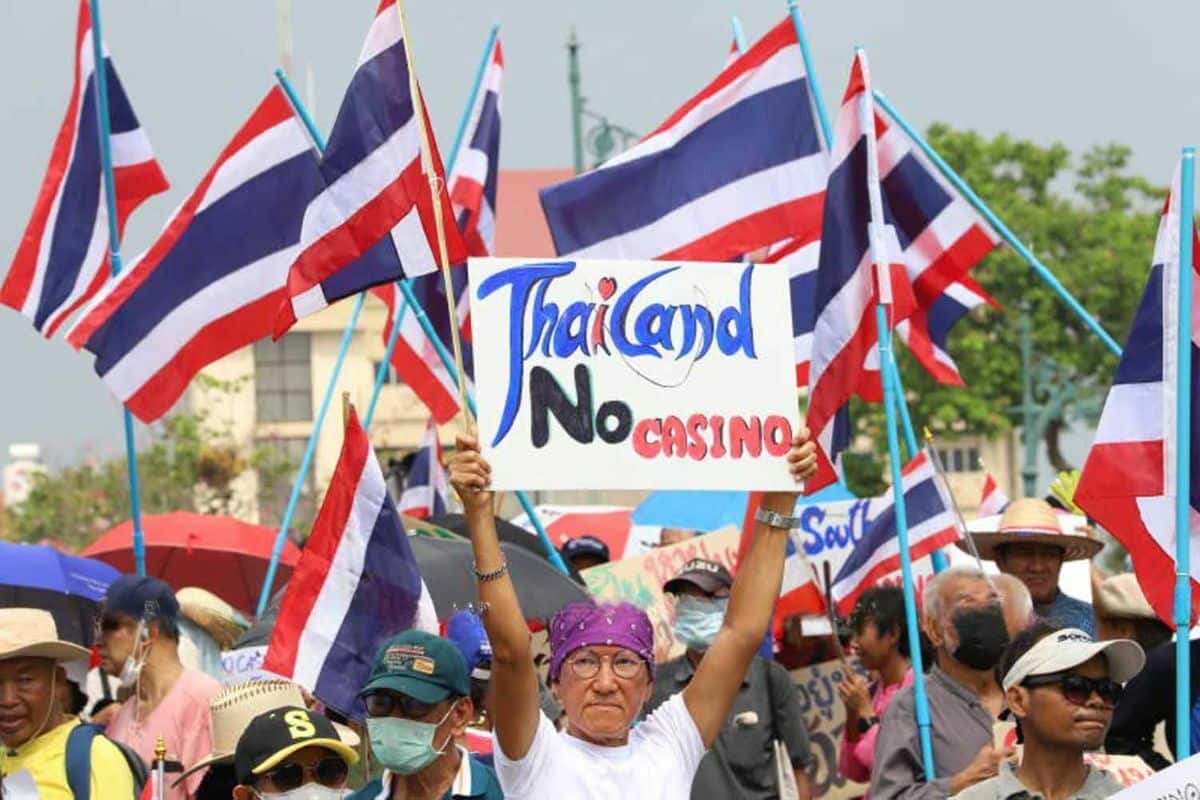
The Entertainment Complex Bill won Cabinet has moved toward parliamentary review. Despite this, growing public opposition complicated the process. Civil society groups of activists and religious leaders voiced concerns. On 9 July 2025 the government finally withdrew the bill.
As of now no equivalent legislation stands before Parliament. The 1935 Gambling Act remains in force and casinos remain illegal. Based on public sentiment and political factors the government seems unlikely to reintroduce the bill soon. In our research we found that public opinion had a direct influence on this outcome.
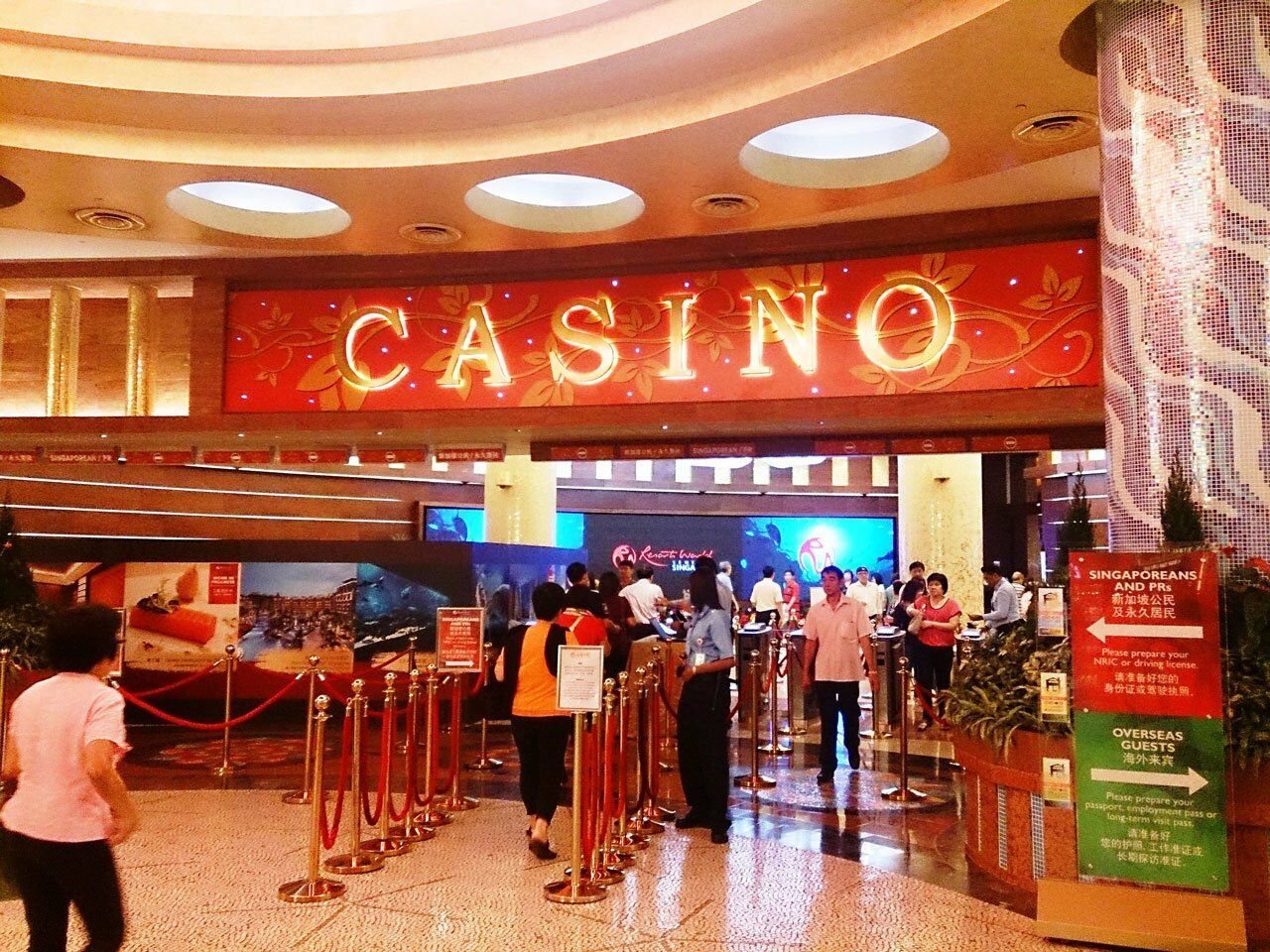
Thailand’s 2025 attempt to legalise casinos started serious debate. Public opinion remains mostly opposed. Surveys show the majority against legalisation. Cultural values, economic risks and distrust in regulation drive opposition.
For now the law remains unchanged. In our opinion, the government should explain the specific benefits to the population more thoroughly. People don’t trust the authorities, and this is a problem that needs to be solved first. The proposed act provides few mechanisms to protect the interests of the Thai population.
Latest Thailand News
























Follow The Thaiger on Google News: