Japan pledges US$10 billion to tackle energy crisis in Asia

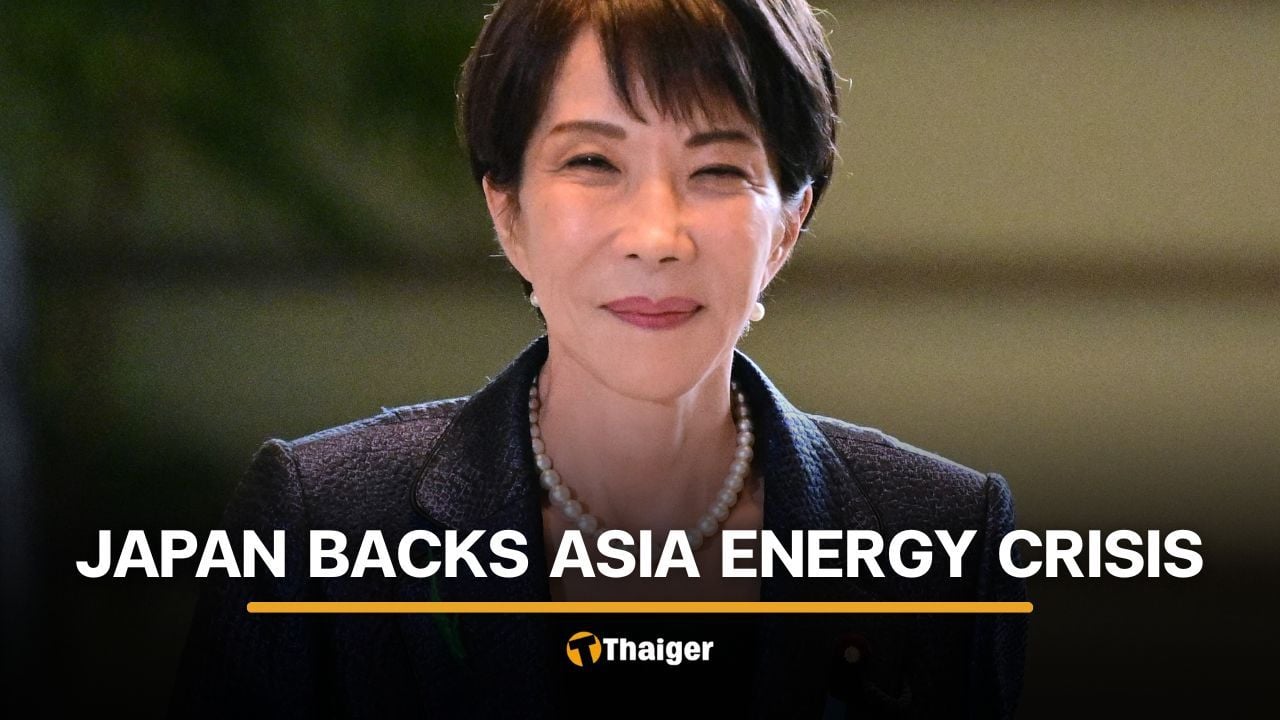
Japan pledged US$10 billion, or around 300 billion baht, to support Asian countries in addressing the energy crisis, citing the close links and interdependence created by supply chains.
After a meeting with leaders from Asian countries, Japanese Prime Minister Takaichi Sanae announced that the funding would be directed to countries in Asia, particularly in Southeast Asia, to help secure crude oil and petroleum products, maintain supply chains and expand reserves.
Sanae said Japan depended on Southeast Asian countries for petroleum products and medical equipment. She added that the closure of the Strait of Hormuz and conflict in the Middle East had heavily affected countries in Southeast Asia.
Japan’s Ministry of Foreign Affairs said the US$10 billion package was equivalent to 1.2 billion barrels of crude oil, which matches the value of crude oil imported by ASEAN in one year.
According to the report, leaders from the Philippines, Malaysia, Singapore, Thailand, Vietnam, Bangladesh and South Korea all shook hands on the project.
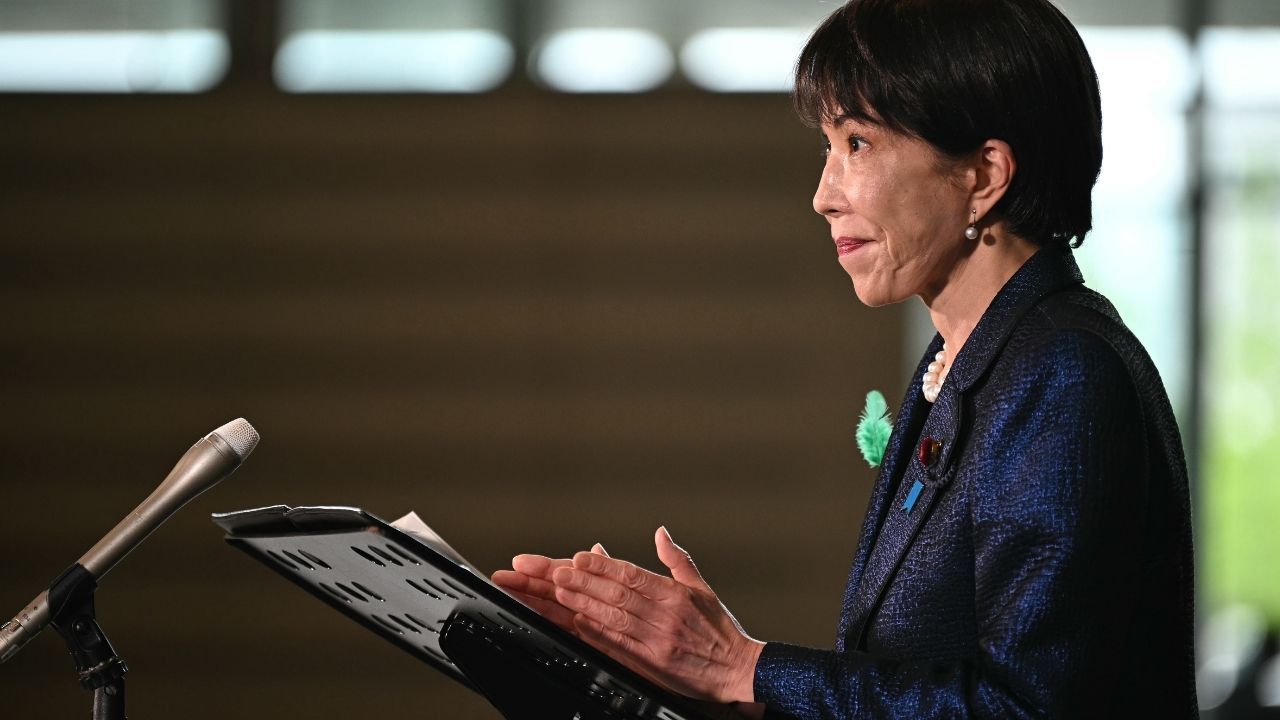
The ministry said the funding would come from several sources, including the Japan International Cooperation Agency (JICA), Nippon Export and Investment Insurance (NEXI) and the Asian Development Bank (ADB).
Sanae said the project would not negatively affect Japan’s domestic oil supply. According to THE STANDARD, Japan had enough fuel reserves for 254 days.


The country last month released reserves equivalent to 50 days of fuel use in response to the energy crisis. The amount was reported to be a record release, and the Japanese government was also scheduled to release additional reserved oil for 20 days in May.
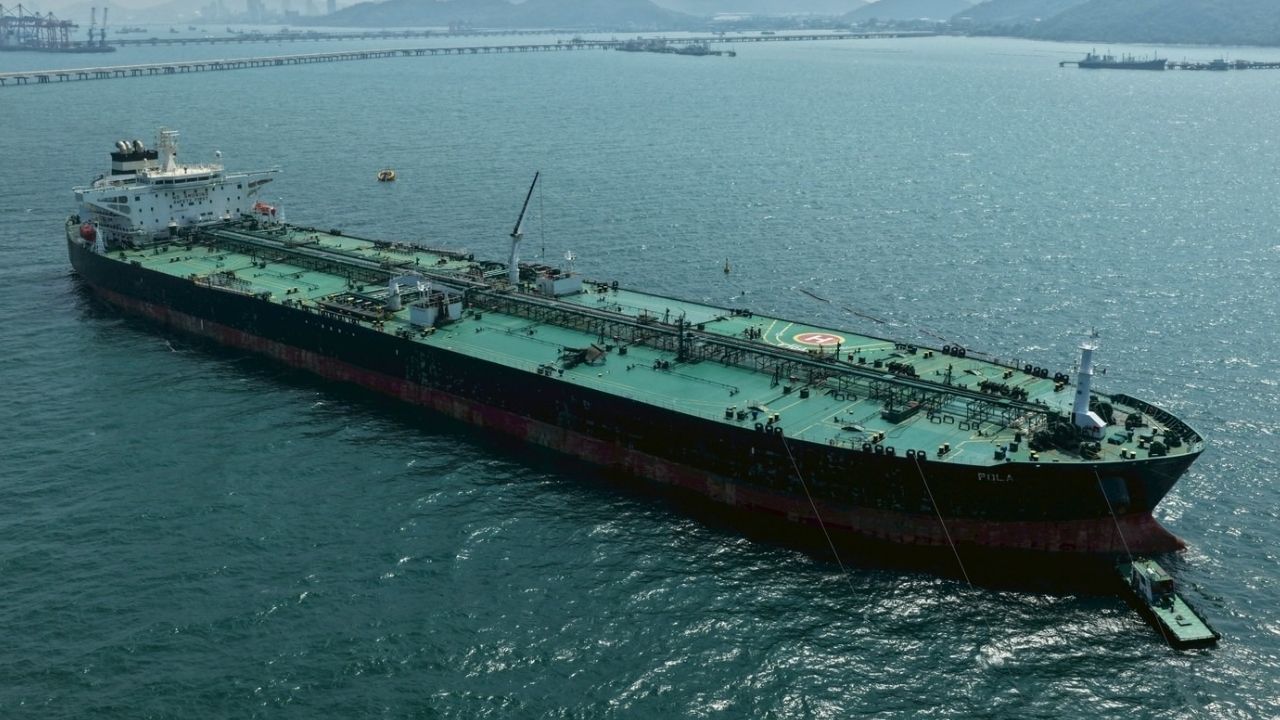
In Thailand, fuel prices remain volatile and are trending upwards despite periodic falls in global oil prices. The government recently reduced the diesel subsidy rate, changing the energy price structure, particularly in the diesel sector, which is a major transport cost.
However, the lower subsidy rate has not yet impacted retail prices due to government support measures introduced during the energy crisis.
The Department of Land Transport had just opened registration for fuel subsidies for parts of the transport sector, including taxi drivers, motorcycle taxi riders, truck drivers and public transport drivers.
Latest Thailand News






















Follow The Thaiger on Google News: